All Data Transformation Best Practices: How to Turn Raw Data into Validated Formats
March 28, 202620 min read


Data has evolved into the primary capital asset of the twenty-first century.
However, much like crude oil extracted from the earth, raw data is inherently volatile, unrefined, and, in its native state, functionally useless.
The process of refining this raw material (converting chaotic signals into structured, actionable intelligence) is the domain of data transformation. In this article, we explain what is data transformation and share the best data transformation examples in 2026.
What is Data Transformation?
Data transformation is the process of converting data from one format, structure, or value set into another to make it meaningful and usable for downstream consumption.
It involves a series of operations (reshaping, standardizing, enriching, and refining) that ensure data is compatible with the target destination, whether that is a data warehouse, a dashboard, or a neural network.
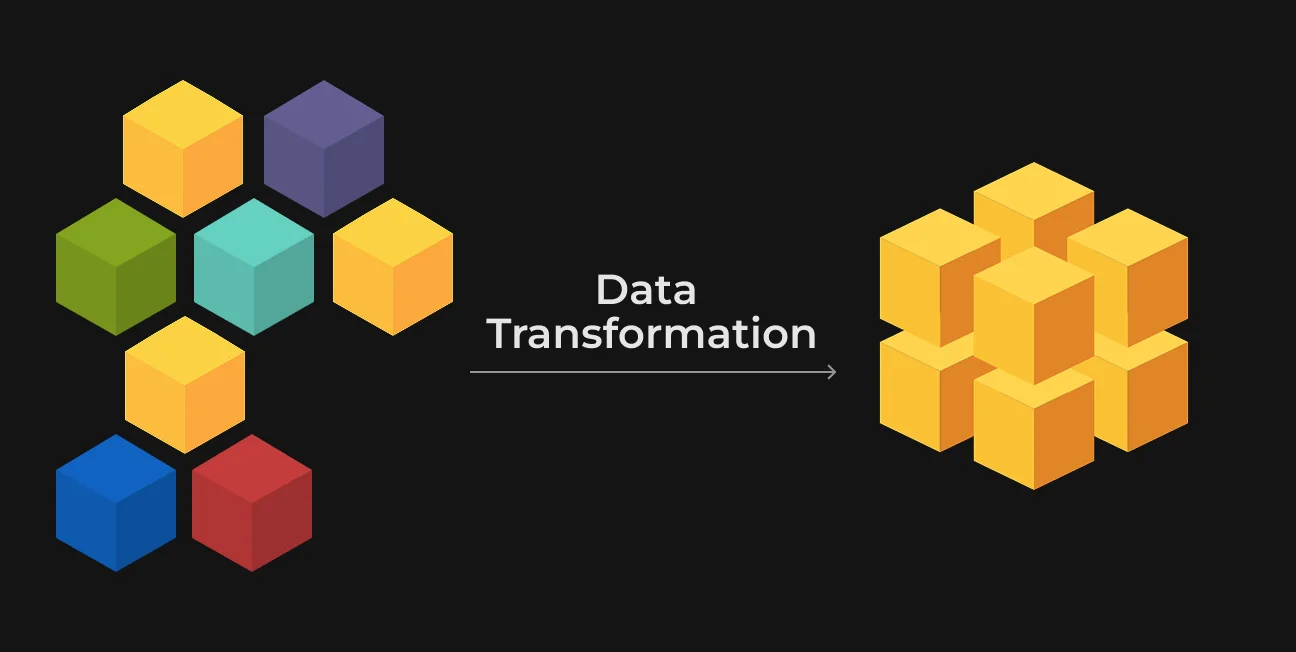
As businesses ingest data from diverse sources like legacy mainframes, SaaS APIs, IoT sensors, public web scrapes, etc, they face a Tower of Babel problem.
Each source speaks a different language: different date formats, different character encodings, different structural hierarchies. Data transformation is the universal translator.
A precise understanding of types of data transformation requires distinguishing it from its close cousins: data cleaning and data integration. These activities often occur concurrently within data transformation software.
Feature | Data Cleaning | Data Transformation | Data Integration |
| Primary Objective | Accuracy and Hygiene. | Usability and Structure. | Unification and Accessibility. |
| Core Activities | Deduplication, imputing missing values, removing outliers. | Normalization, aggregation, flattening JSON, type conversion. | Merging datasets, joining tables, schema mapping. |
| Input State | "Dirty," erroneous, or incomplete data. | Raw, structurally incompatible, or too granular. | Siloed, disparate, and disconnected sources. |
| Output State | Validated, error-free records. | Analysis-ready, business-aligned formats. | A comprehensive, 360-degree dataset. |
| Role in Pipeline | Pre-processing to ensure trust. | Intermediate processing for analytical relevance. | The framework that holds the pipeline together. |
| Business Value | Prevents operational errors (e.g., shipping to wrong address). | Enables high-level strategic reporting and AI modeling. | Breaks down silos to reveal cross-departmental insights. |
Hidden Cost of Unreliable Data for Your Business
The failure to invest in robust data transformation solutions levies a heavy tax on your company.
This cost is often invisible on the balance sheet but pervasive in its impact on profitability. Poor data quality costs organizations an average of $12.9 million per year.
This figure represents real capital burned on rework, lost opportunities, and operational friction. EU data governance tariffs and cross-border data regulations also add pressure on businesses.
The stakes have escalated with the widespread adoption of AI and ML. In traditional analytics, a slightly inaccurate number might skew a monthly report by a fraction of a percentage point. But with modern AI, data-driven transformation initiatives can collapse entirely due to subtle data flaws.
AI, Analytics, and Reporting Depend on Validated Datasets
ML models are probabilistic, not deterministic. They learn patterns from training data. If that data is not rigorously transformed, the model will learn the wrong lessons. A great example is when the "Signal" is drowned out by the "Noise" of inconsistent formatting or outliers.
Here we see 2 points:
- Garbage In, Garbage Out.
Analytics is deterministic. The volume of data matters less than its accuracy. AI is probabilistic. It requires massive volumes of high-quality data. Without validated inputs, leaders cannot trust the outputs of their expensive AI investments.
- The RAG challenge.
RAG systems rely on searching internal documents to answer user queries. If the data transformation pipeline fails to properly "chunk" and index these documents, the AI will retrieve irrelevant context, leading to hallucinations. The confidence in the system collapses, and adoption stalls.
Leaders must view data transformation as a capital investment in the reliability of their infrastructure.
Leverage AI to Process Your Data
SapientPro can help you automate your processes for better efficiency.

Main Data Transformation Techniques
To convert raw streams into refined assets, data engineers employ a spectrum of data transformation techniques. These range from simple structural adjustments to complex statistical modifications.
Structural Transformation
Structural transformation addresses the organization and format of the data.
- Format conversion. Changing the file type, such as converting a CSV file to XML or JSON. This is often necessary when integrating legacy systems with modern web applications.
- Flattening. Modern data often arrives in nested formats (like JSON objects within a Kafka stream). Flattening converts these hierarchies into a two-dimensional table (rows and columns) suitable for relational databases.
- Renaming and reordering. Aligning column names with enterprise standards (e.g., changing client_fname to First Name) to ensure semantic consistency across the organization.
Data Normalization and Standardization
Normalization is critical for comparing data on an equal footing. Particularly for ML algorithms that are sensitive to the scale of input variables.
It involves adjusting numeric values to a common scale, such as 0 to 1 (Min-Max scaling) or centering them around a mean of 0 (Z-score normalization). This ensures that a variable like "Salary" (ranging in thousands) does not overpower a variable like "Age" (ranging in tens) during model training.
Standardization implies unifying the representation of categorical data. For instance, ensuring that "NY", "N.Y.", and "New York" are all transformed into the ISO standard "NY". This is vital for data silos transformation as this allows disparate systems to recognize they are discussing the same entity.
Data Aggregation and Summarization
Aggregation involves compiling data from various sources to provide a summary view, which is essential for executive reporting.
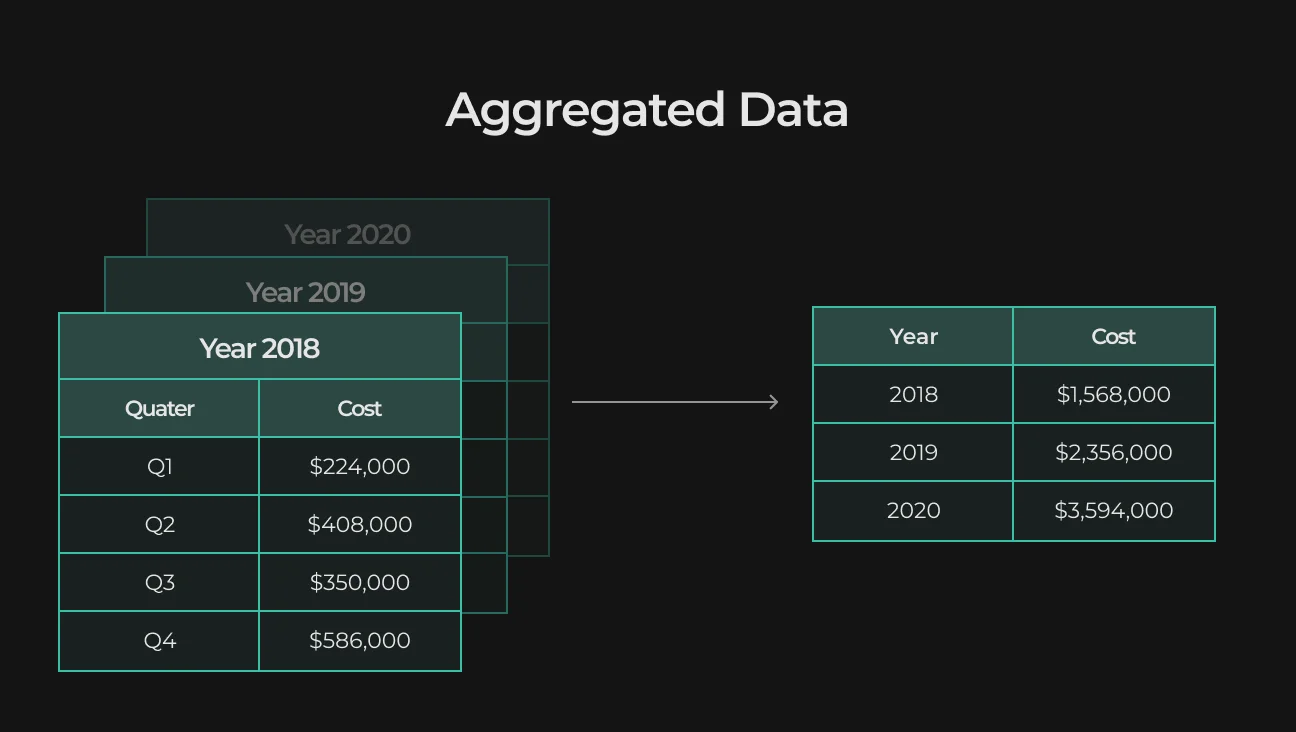
Summarization means rolling up granular data (for example, individual retail transactions) into higher-level insights (for example, Daily Revenue per Store). This technique reduces data volume and improves the performance of BI dashboards.
Data Enrichment
Data enrichment adds value by appending context from external sources:
- Third-party appending. Adding demographic data, credit scores, or firmographic details to customer profiles.
- Geospatial enrichment. Converting addresses into latitude/longitude coordinates for mapping applications.
- Calculated fields. Deriving new information from existing data, such as calculating "Customer Lifetime Value" based on historical transaction logs.
Data Filtering and Deduplication
These data transformation techniques act as the quality gatekeepers.
Filtering selectively removes rows or columns that are irrelevant to the specific analysis (excluding test transactions or bot traffic).
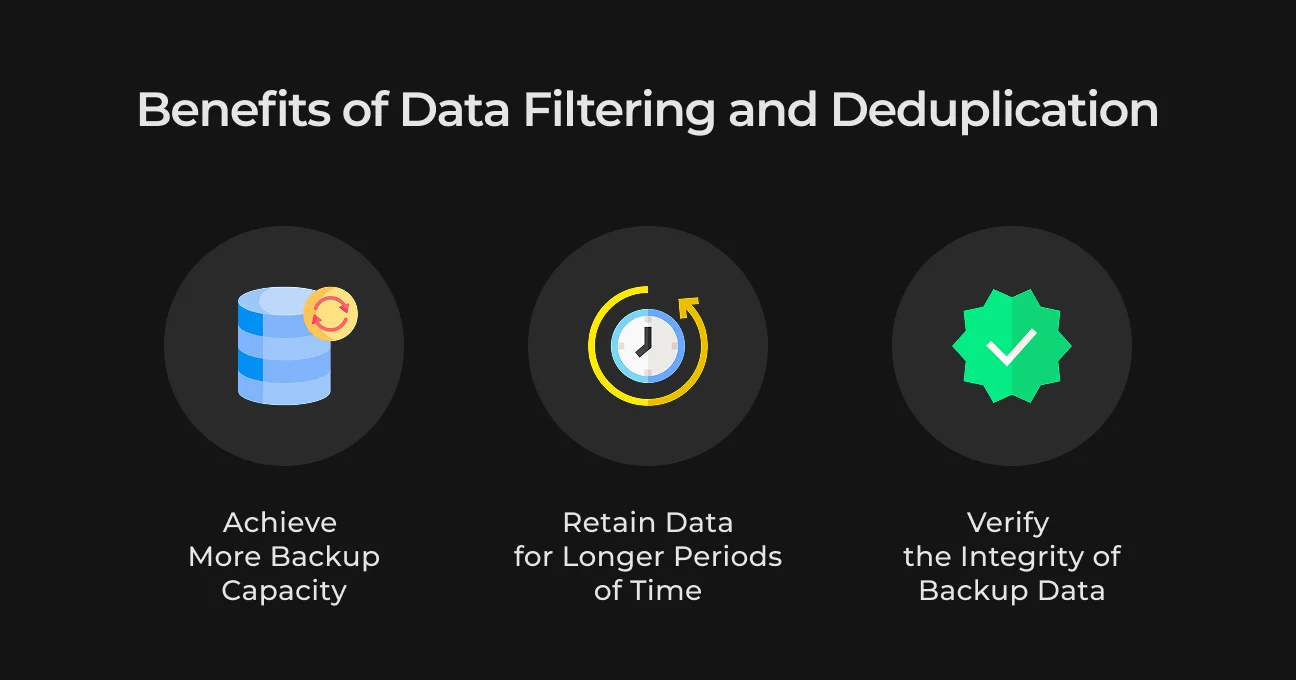
Deduplication is about identifying and removing duplicate records. This often requires complex "fuzzy matching" algorithms to determine that two slightly different records actually refer to the same customer.
Information Transformation for Unstructured Data
In the age of AI, information transformation extends beyond tables. Engineers often rely on natural language processing examples to guide the conversion of text into machine-readable structures.
Vectorization is about converting text, images, or audio into high-dimensional vector embeddings. This allows computers to understand the semantic meaning of the content, enabling similarity searches.
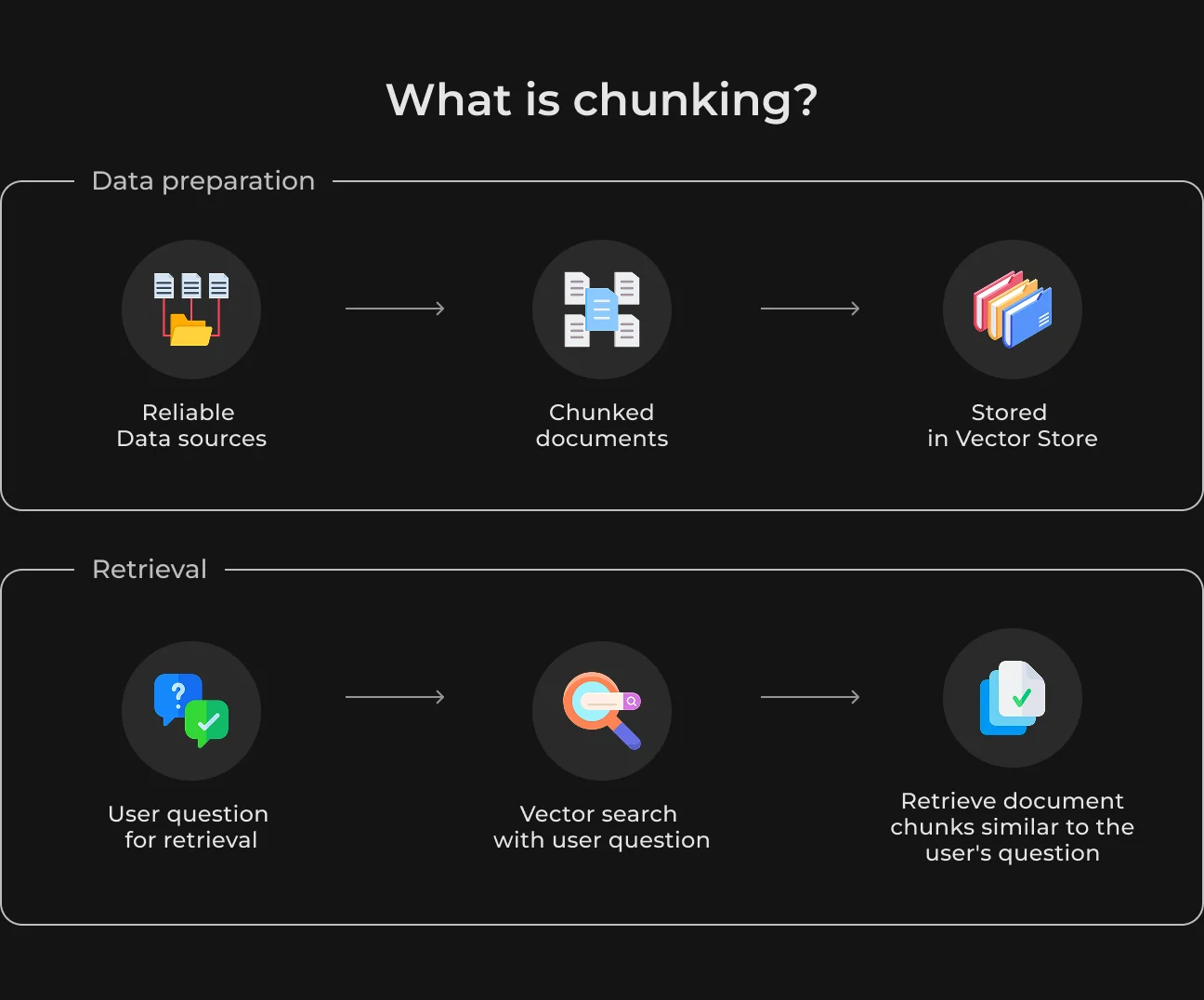
Chunking is about splitting large documents into smaller, coherent segments for processing by LLMs. The strategy used here (semantic vs. fixed-size) directly impacts the quality of AI responses.
Data Transformation Best Practices in 2026
The data transformation best practices list is shifting to accommodate the demands of Generative AI and decentralized governance.
Embed "Governance as Code"
Today, governance is executable code. Data transformation best practices dictate that data quality expectations are written as automated tests within the pipeline. These expectations can be "revenue cannot be negative", "email must have a valid syntax", etc.
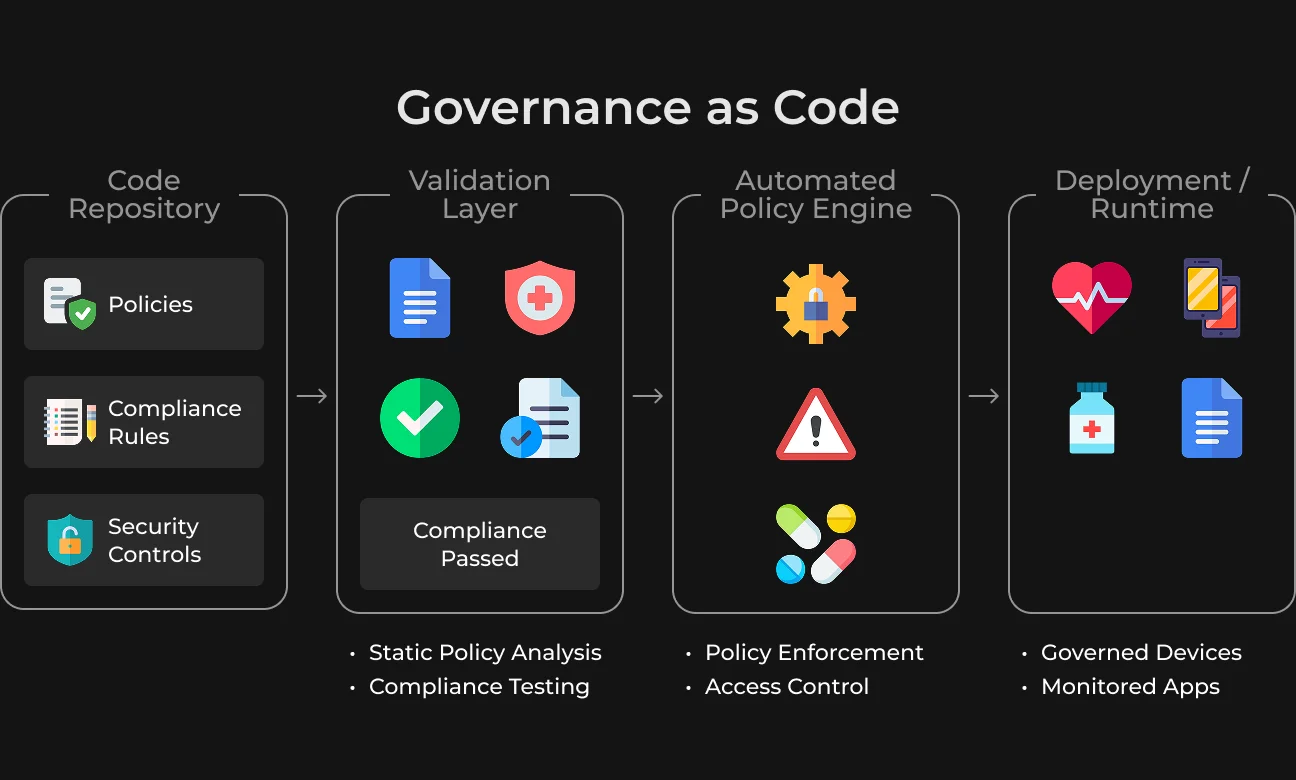
Tools like dbt and Great Expectations allow these tests to run every time the data is transformed.
If the data fails, the pipeline halts.
Operationalize Data Observability
Monitoring simply tells you if a job failed. Data observability tells you if the data is wrong.
Data transformation best practices involve implementing observability platforms (like Monte Carlo or internal equivalents) that use ML to detect data drift—unexpected changes in the statistical distribution of data.
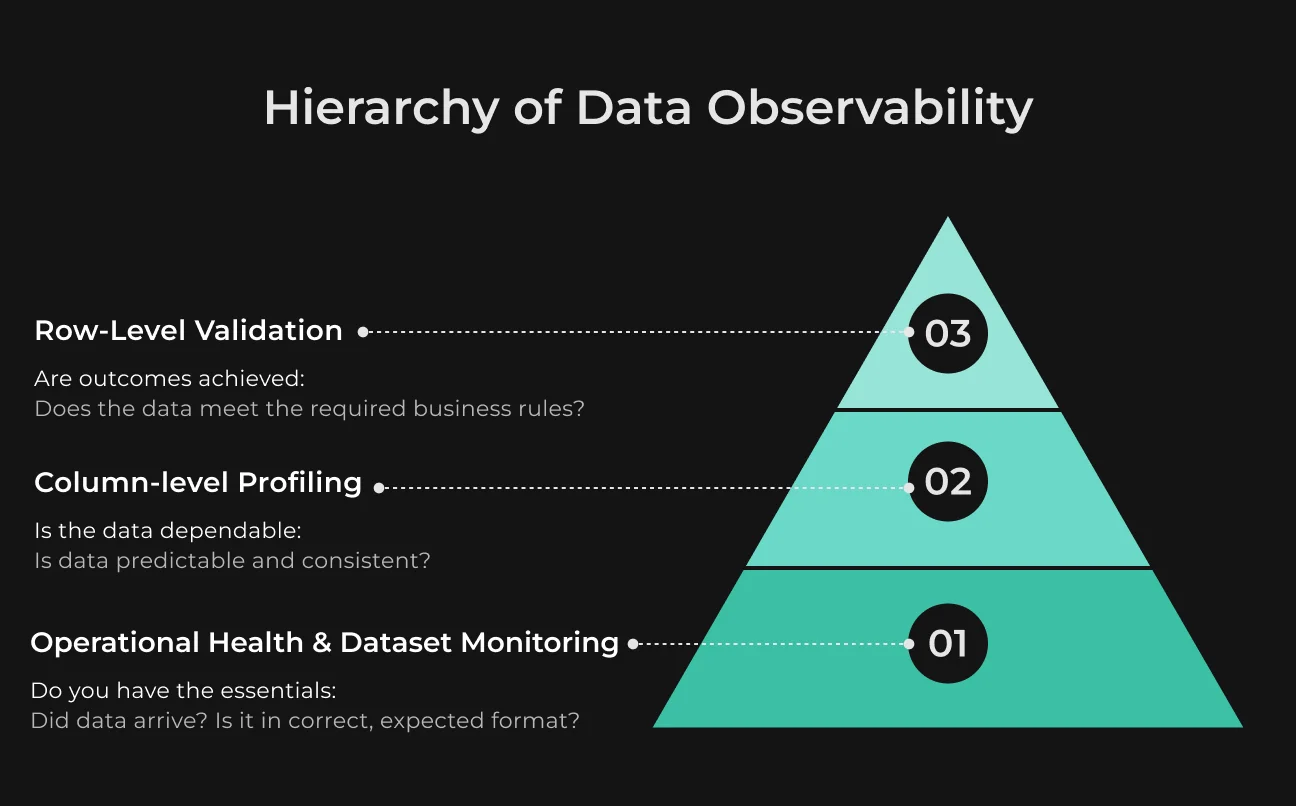
For example, if the average order value suddenly drops by 50% without a pipeline error, observability tools alert the team to investigate the root cause immediately.
Adopt the Semantic Layer
To solve the perennial data silos transformation issue, leading organizations are adopting a Semantic Layer. This abstract layer sits between the physical database and the consumption tools (BI, AI). It defines business metrics ("Churn", "Net Retention", etc.) in code once.
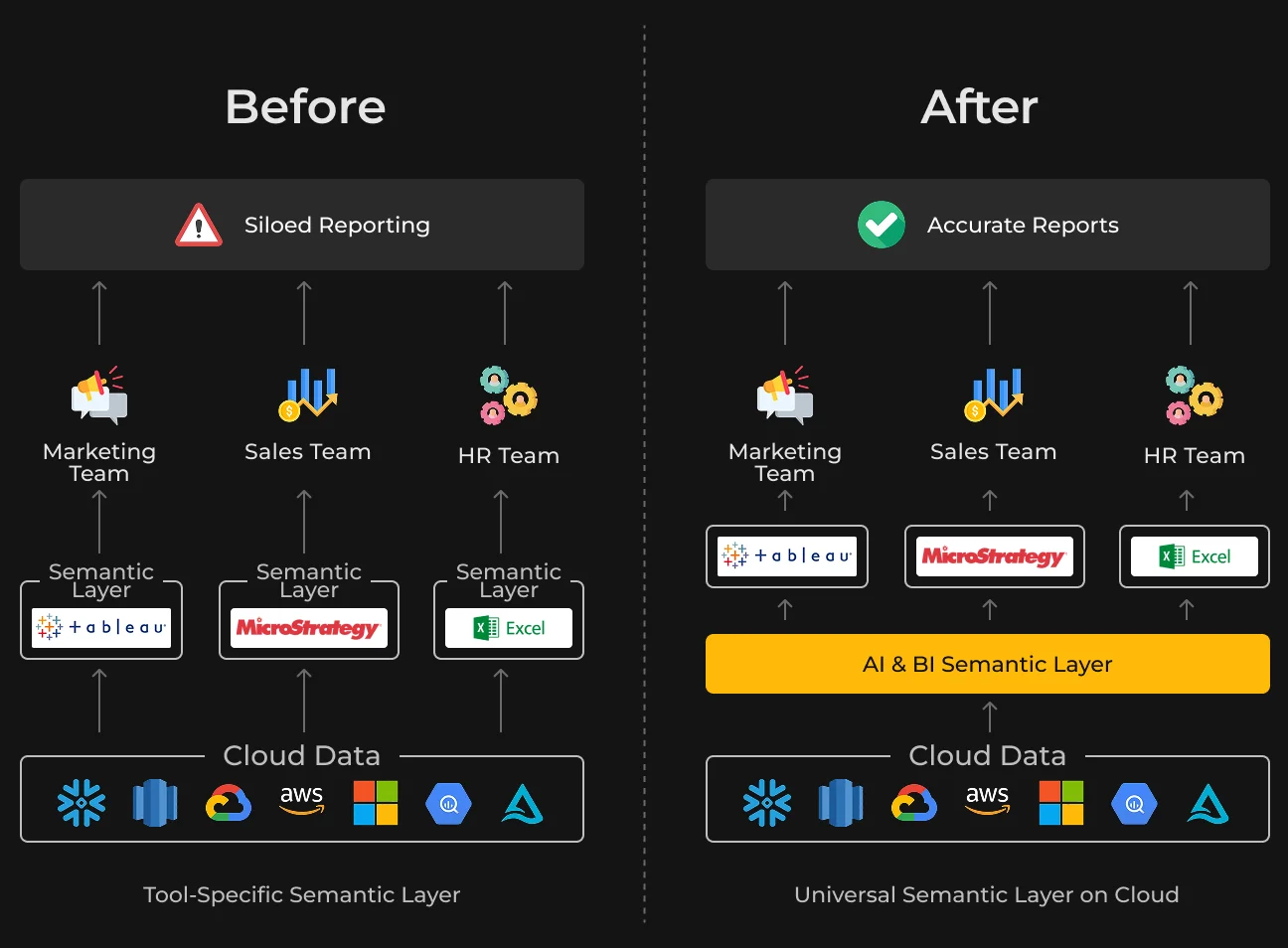
All data transformation logic feeds this layer, ensuring that whether a CEO asks a chatbot or an analyst queries a dashboard, they receive the exact same calculated answer.
Optimize for Agentic AI Workflows
Transformations must now cater to AI Agents—autonomous software that performs tasks.
This means data transformation processes must include generating metadata that agents can read to understand what the data represents.
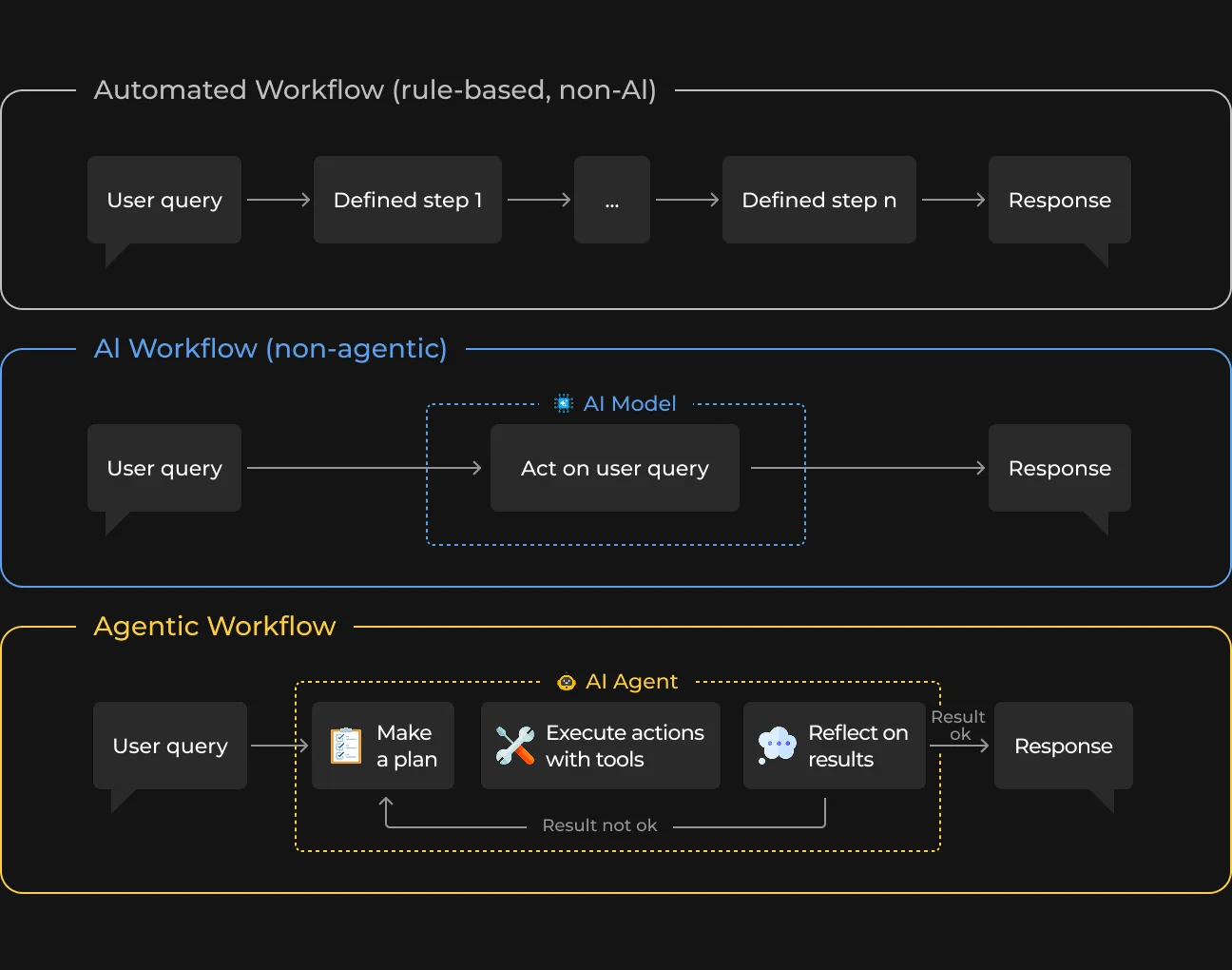
It also involves creating "Function Calling" interfaces where an AI can request a specific transformation on the fly (e.g., "Summarize sales for Q3").
Shift to Hybrid "Kappa" Architectures
The distinction between batch (historical) and streaming (real-time) processing is vanishing.
Data transformation best practices in 2026 favor unified architectures where the same transformation logic applies to both batch and stream.
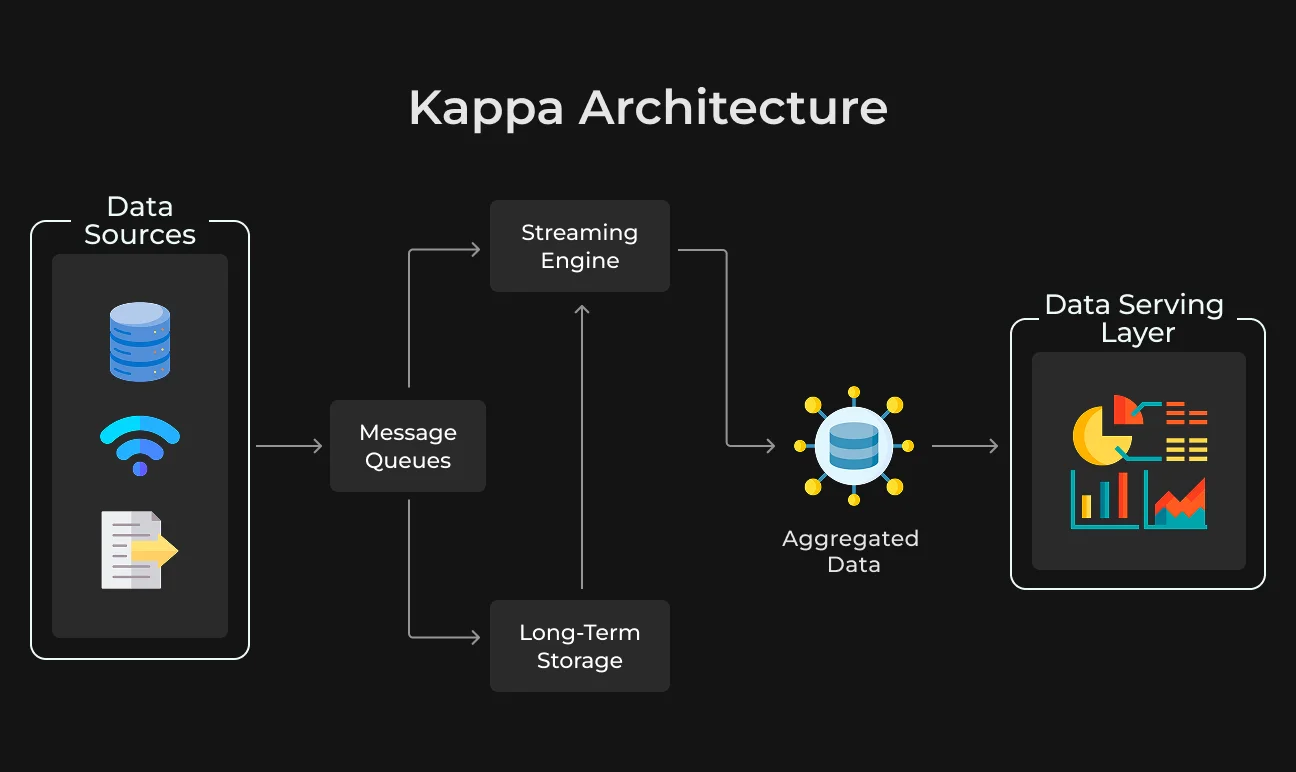
This reduces the "logic drift" where the real-time dashboard shows a different number than the end-of-day report due to subtle code differences in the pipelines.
Democratize via Guardrailed Low-Code
The bottleneck of the central data engineering team must be broken. Data transformation best practices involve empowering domain experts (marketing, finance) to perform their own transformations using low-code data transformation software.
However, this must be done within a "guardrailed" environment where certified datasets are clearly distinguished from sandbox experiments. Why? This ensures that ad-hoc transformations do not become de facto enterprise standards without review.
Implement RAG-Specific Transformations
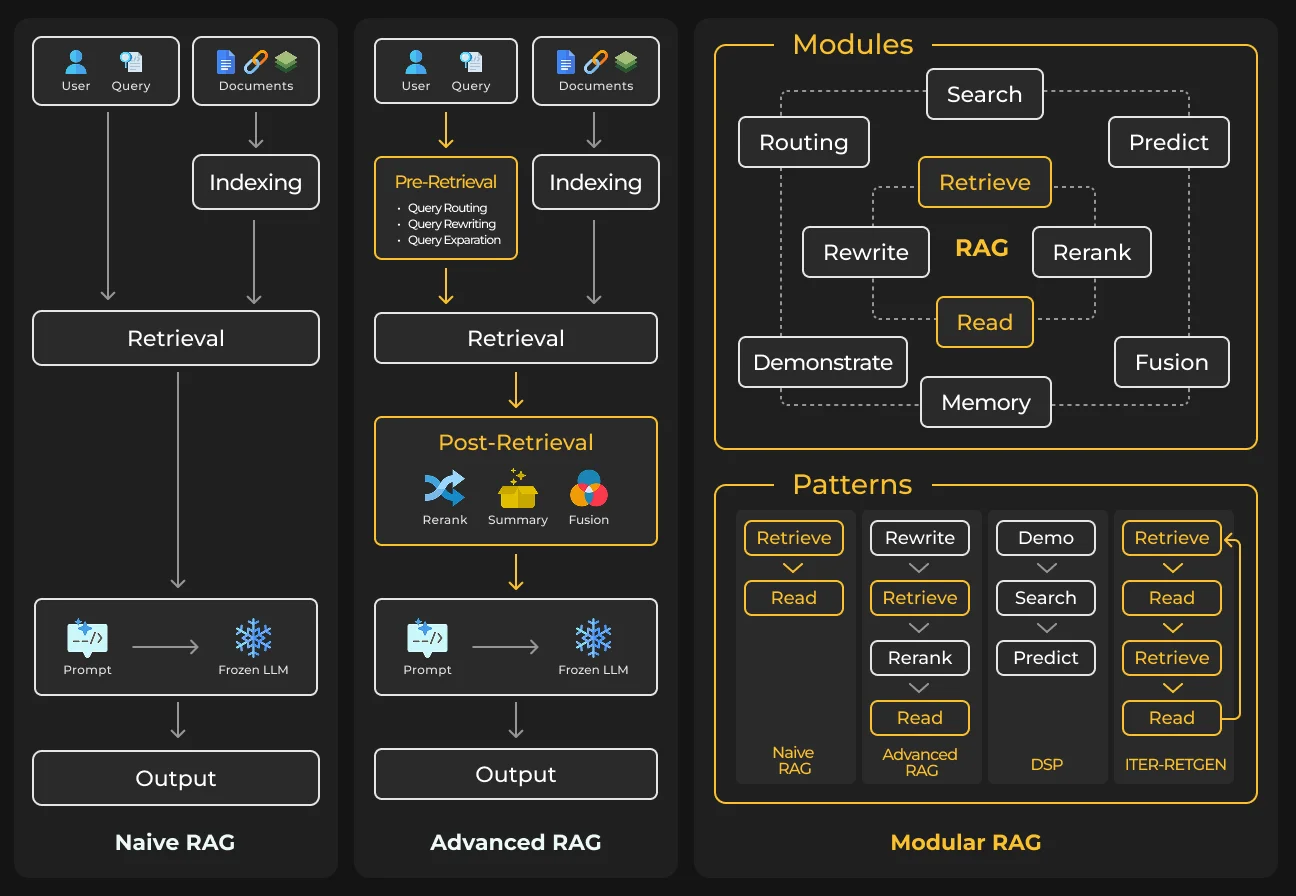
For data-driven transformation using GenAI, standard ETL is insufficient. Pipelines must include specific steps for RAG:
- Semantic chunking. Breaking documents based on topic shifts rather than arbitrary character counts.
- Hybrid Retrieval Indexing. Transforming data to support both keyword search (BM25) and vector search (Dense Retrieval) to maximize recall accuracy.
Challenges in Data Transformation
Despite the maturity of data transformation solutions, significant data transformation challenges remain.
Data Silos Transformation
The most persistent challenge is the data silos transformation. Data resides in isolated pockets (CRM, ERP, Marketing Automation), each with unique, proprietary schemas.
Breaking down these silos is not just a technical challenge of connectivity. It is a semantic challenge of alignment. The Sales team defines "Customer" differently from the Support team.
Transforming data across these silos requires deep organizational negotiation to agree on common definitions before any code is written.
Handling Unstructured Data Complexity
The explosion of unstructured data (video, audio, free text) presents massive data transformation challenges. Unlike structured data, which follows rigid rules, unstructured data is chaotic.
Extracting structured insights from a PDF contract or a customer call recording requires expensive, stochastic AI models.
These models are probabilistic. What does this impacts? The transformation itself has a margin of error that traditional SQL transformations do not. Validating the accuracy of an AI-generated summary or extraction is a major unsolved problem for many enterprises.
Scale and Latency
As data volumes grow to petabytes, the data transformation process becomes a bottleneck. Complex transformations that take hours to run result in "data latency"—insights arrive too late to influence the decision. Optimizing pipelines for scale requires:
- Partitioning;
- Incremental processing (only transforming what changed);
- Careful cost management in cloud environments where compute is billed by the second.
Strategies on how to automate data extraction are essential here to ensure the pipeline isn't bottlenecked at the source.
Best Data Transformation Tools
The market for data transformation tools is diverse, ranging from code-centric frameworks to visual, no-code platforms. Selecting the best data transformation tools depends on the organization's technical maturity and data volume.
1. dbt (data build tool)
dbt has revolutionized the industry by bringing software engineering best practices to data transformation. It allows engineers to write modular SQL SELECT statements, which dbt then compiles into executable code on the data warehouse.
The key feature of dbt is that it treats data transformation as code, enabling version control, automated testing, and documentation generation.
Dbt is best for modern data teams using cloud warehouses like Snowflake or BigQuery.
2. Informatica
Informatica provides a comprehensive suite of data transformation solutions. It excels in complex, hybrid environments where data must be integrated from on-premises mainframes and cloud apps.
The key feature of Informatica is robust metadata management and lineage tracking. they are essential for highly regulated industries like banking and healthcare.
3. Apache Spark
Spark is the engine of choice for "Big Data". It distributes processing across clusters of computers, allowing for the transformation of petabytes of data in memory.
The key feature of Apache Spark is unmatched scalability and support for both batch and real-time streaming data transformation techniques.
4. Matillion
Matillion offers a cloud-native, visual approach to ELT. It provides a drag-and-drop interface that orchestrates the push-down of transformation logic into the cloud data warehouse.
The key feature of Matillion is speed of implementation and ease of use for teams that may not be Python experts.
5. Alteryx
This tool is often categorized as a "Data Preparation" or "Wrangling" platform. Alteryx is designed for business analysts to visually interact with and transform data without writing code.
The key feature of Alteryx is interactive data transformation that empowers non-technical users to cleanse and structure their own datasets.
Examples of the Data Transformation Process
Let’s take a look at the 3 data transformation examples in complex domains.
Healthcare
In healthcare, data transformation helps solve the fragmentation of patient records.
For example, a hospital network ingests data from Electronic Health Records (EHRs), lab results (HL7 messages), and wearable IoT devices.
An ETL pipeline converts these legacy formats into the modern FHIR (Fast Healthcare Interoperability Resources) standard. It standardizes disparate drug codes into RxNorm and diagnosis codes into ICD-10.
As a result, this validated dataset feeds predictive analytics models that can identify early signs of sepsis hours before a doctor might notice.
Finance
For global banks, information transformation must happen in milliseconds. Millions of credit card transactions stream in from around the globe every second.
Streaming data transformation tools (like Apache Flink or Spark Streaming) ingest raw transaction logs. They instantly normalize currency values to a base currency and enrich the stream with historical aggregates (for example, "average spend for this user in the last 24 hours").
This enriched data vector is then fed into a fraud detection ML model. Because the data is transformed in real-time, the model can flag a transaction that deviates from the user's pattern and block it before the payment settles. This possibility saves millions in fraud losses.
Manufacturing
Manufacturing exemplifies the power of data-driven transformation.
Imagine a factory floor that has thousands of sensors on motors, conveyor belts, and robotic arms. They stream raw voltage, vibration, and temperature data.
ELT processes ingest this high-velocity time-series data. The transformation involves "smoothing" (removing signal noise), interpolating missing timestamps to ensure continuity. It also involves aggregating readings into rolling averages.
Companies like General Electric (GE) use this transformed data to create "Digital Twins" of their engines. The data allows them to predict component failures days in advance. They shift maintenance from a reactive "fix it when it breaks" model to a proactive activity.
Partner with SapientPro: Transform Data into Insights
SapientPro provides specialized data transformation and data engineering services designed to turn raw complexity into validated business value.
With a team of over 70 experts and a portfolio of more than 200 successful projects, SapientPro optimizes data handling through tailored ETL services and scalable Big Data architectures.
We develop:
- Automated workflows. We design pipelines that reduce manual error and latency.
- Scalable architecture. We future-proof systems to handle massive data growth.
- Advanced transformation. We perform cleansing, normalization, and enrichment of data for high-performance analytics.
If you want to modernize legacy systems or build AI pipelines, SapientPro is your co-innovation partner. You’ll get modern technologies fully integrated in your business.
Turn Raw Data into Validated Formats
SapientPro's team will help you get an efficient & compliant solution.