All Real-Time Data Processing: Guide to Optimize Your Data Pipeline Costs
January 30, 202615 min read


Data is coming in rapidly from various sources, and it’s growing faster than you might think. Organizations realize the value in this data and use real-time processing to gain insights before they become widespread.
But real-time data collection on a large scale isn't that easy. It comes with challenges like infrastructure issues, budget-busting costs, the demand for speed, integration difficulties, and ensuring the data is reliable.
Analytics in real time uses continuously updated data, unlike traditional data analytics, which depends on past data or data processed in batches. Organizations can make faster decisions, especially in industries where timing is key to winning.
The real-time analysis market is projected to be worth $5,258.7 million by 2032 from an estimated $1,098.7 million in 2025.
For more details about real-time data processing, check out SapientPro’s new guide and learn how your business can benefit from it in today's world of data.
Key Takeaways
- Real-time data processing collects, processes, and analyzes data from sources once the data is generated;
- Real-time data is expected to account for about 30% of the world's data;
- Real-time data processing makes your device efficient at multitasking, since it can process incoming data streams.
What is Real-Time Processing?
Real-time data processing is the ability to collect, process, and analyze data from sources as it arrives and just when data is generated. This means organizations can make decisions quickly, based on the most current information.
For instance, in online fraud detection, it can detect fraud earlier than previously thought possible, significantly increasing security.
There is also a difference between real-time processing and stream processing. Stream processing does the computation on the go, as new parts of data come all the time.
Whereas in real-time processing you don’t wait hours (or days) but minutes until data is processed.
What Is Near Real-Time Data Processing?
Near real-time processing offers a balance between immediate and batch processing. It involves slight delays, usually just seconds or minutes, from when the data is generated.
Social media analytics is an example of near real-time processing. Platforms like Twitter or Instagram collect interactions over a short period before processing them to provide trending topics. This strategy allows organizations to balance the need for insight with resources and costs.
Batch vs Real Time Processing
Batch data processing, as opposed to real-time or near-real-time, is the processing of data without interaction or only limited interaction with underlying information systems.
This method is suitable for situations where financial tasks need to be handled without immediate response, like processing payroll or generating end-of-day reports.
A retail business, for example, could apply batch processing to its daily sales data analysis. The process would create detailed reports overnight to guide strategic decisions for the next day.
Batch processing is cheaper and capable of processing large quantities of data. But it doesn't have the immediacy of online solutions.
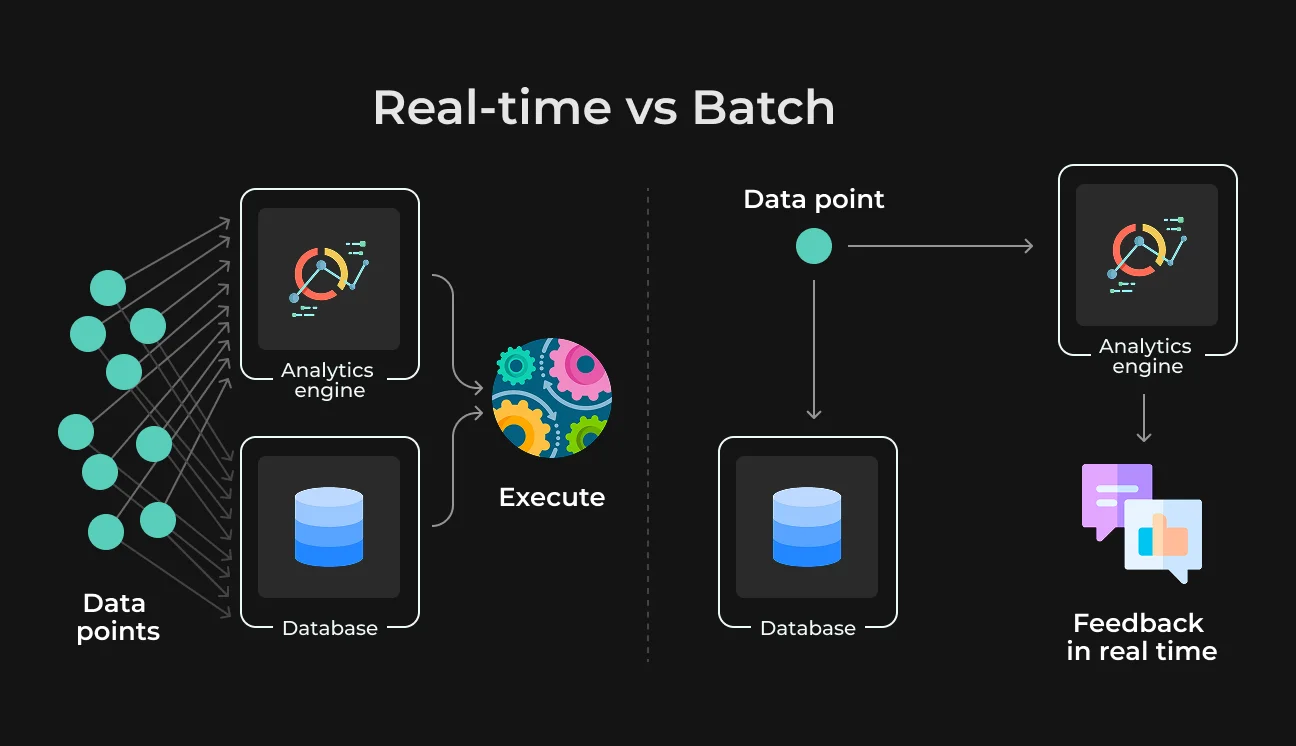
Each of these models has its own advantages depending on the use case. For example:
- Stream processing is perfect for situations that need quick results and actions, like reacting to emergencies;
- Near real-time processing is good for systems where up-to-the-second insights are required. And there's no need for the complexity of a real-time system, like those used for monitoring social media trends or customer support;
- Batch processing is best for non-urgent, high-volume data tasks where saving on costs is more important than speed. This is common in finance or logistics applications.
After organizations understand the extent of their data and integration issues, they can determine what type of processing is most appropriate for their needs.
How Does Real-Time Data Processing Work?
Real-time processing involves several steps, which can differ for every system according to its needs and topology.
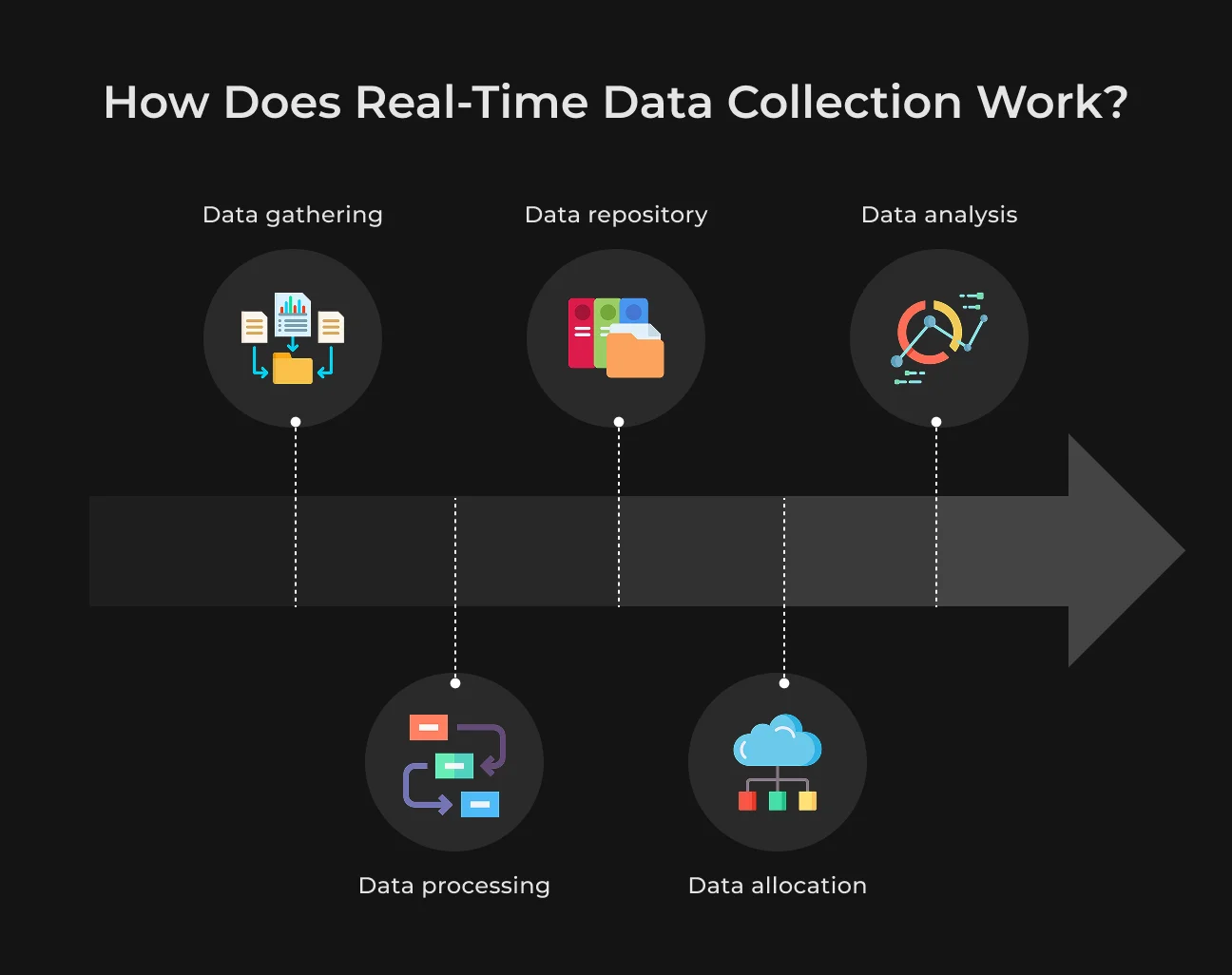
Here’s a look of how it works.
Data Gathering
It all starts with receiving data events as they occur — that can be from sensors, machines, or other applications and DBMS.
Data Processing
Once you have data, you process it to make sure it can be used in other systems or client applications. This includes filtering, aggregating, enriching, or altering the data.
Data Repository
Processed data is generally stored in a database for later retrieval and additional processing. It may be a streaming service or an in-memory database with capabilities for real-time workloads.
Data Allocation
Processed and persisted data is then exposed to downstream systems/applications via APIs. This allows organizations to query in real time and make quick decisions.
Data Analysis
Finally, you receive insights based on the data you've processed to drive business decisions. Machine learning, data visualization, and business intelligence (BI) software are among the many methods used in this stage.
Benefits of Real-Time Data Processing
Real-time data is expected to account for about 30% of the world's data, enabling companies to take action on insights once they are created. Now, let’s check out some of the aspects that make real-time data processing so vital.
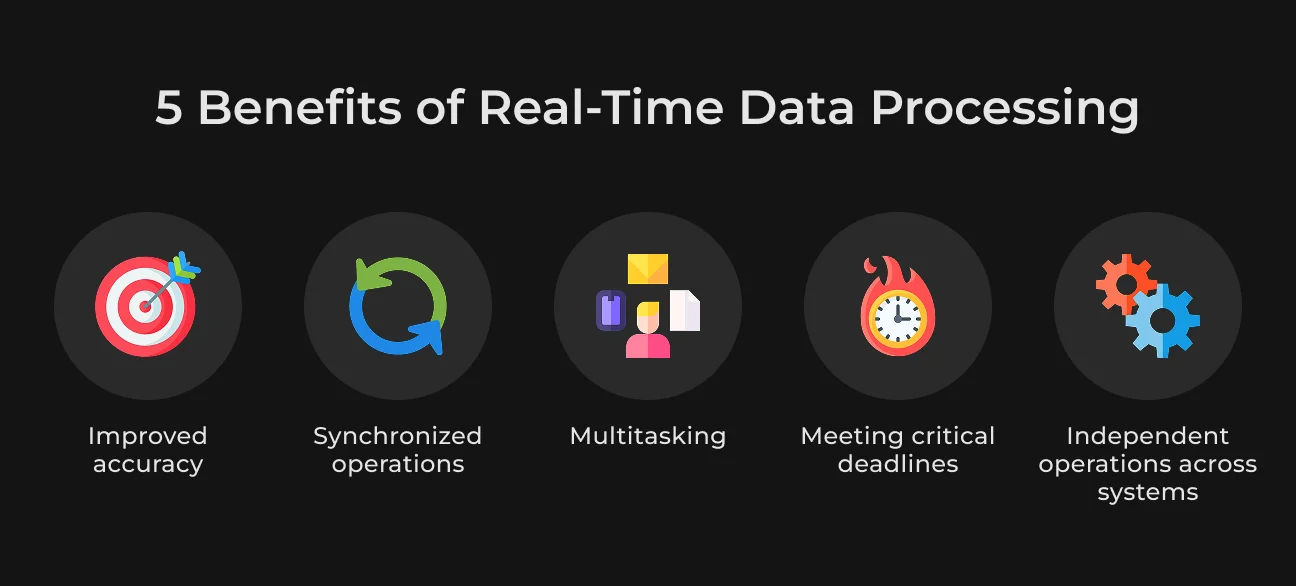
1. Improved Accuracy
Real-time data processing keeps information current, whereas batch-based systems wait for several updates to accumulate before updating. This is a delay that can compromise accuracy.
Real-time data updates allow for making automatic decisions based on the very latest conditions rather than previous reports. For example, monitoring patient vital signals in healthcare can trigger a quick response to any adverse health condition.
2. Operations Are Seamlessly Synchronized
Real-time data updating is essential for smooth inter-departmental cooperation. That way, sales representatives can look up stock levels right away when they're taking orders.
Logistics can reroute deliveries based on where you are now. Customer service agents have real-time customer behavior patterns at their fingertips for help tickets. Executives can combine dashboards from multiple units and make decisions based on the actual state of operations.
This synchronization drives agility, minimizes miscommunication, and makes organizations focused on shared goals.
3. Multitasking
Real-time data processing makes your device more efficient at multitasking, as it can process incoming data streams. This is really important for modern businesses that run complex global operations.
The team doesn’t need to hold up and wait for one process to be completed before moving on to the next. It also stabilizes service quality, even when the network is congested.
In growing businesses that use real-time systems, transactions are processed more than one at a time. This allows for quicker customer responses while ensuring consistent service across many channels.
4. Meeting Critical Deadlines
Real-time data processing enables businesses to meet tight deadlines by making sure that information is processed and broadcast instantly.
Missing a deadline may result in costly delays and even compliance problems. Real-time systems help avoid the latencies found in traditional batch processing.
On-time deliveries build customer trust. Plus, team members can collaborate safely, knowing they'll receive information whenever needed.
5. Independent Operations Across Systems
Real-time data processing constantly manages newly generated data. This autonomy allows uninterrupted data flow and is not disturbed by network variations or lack of capacity.
The system's parts can function without a single scheduler.
As data is handled by systems separately, the overall operation cannot be affected by single points of failure. Real-time systems make sure that whatever happens and however heavy the load gets, everything remains on track.
Core Components of a Real-Time Data Processing Architecture
A modern data streaming architecture is made up of tools and parts that gather and handle large amounts of data from various sources. This streaming data is constantly produced and sent by devices or apps like IoT sensors and web clicks.
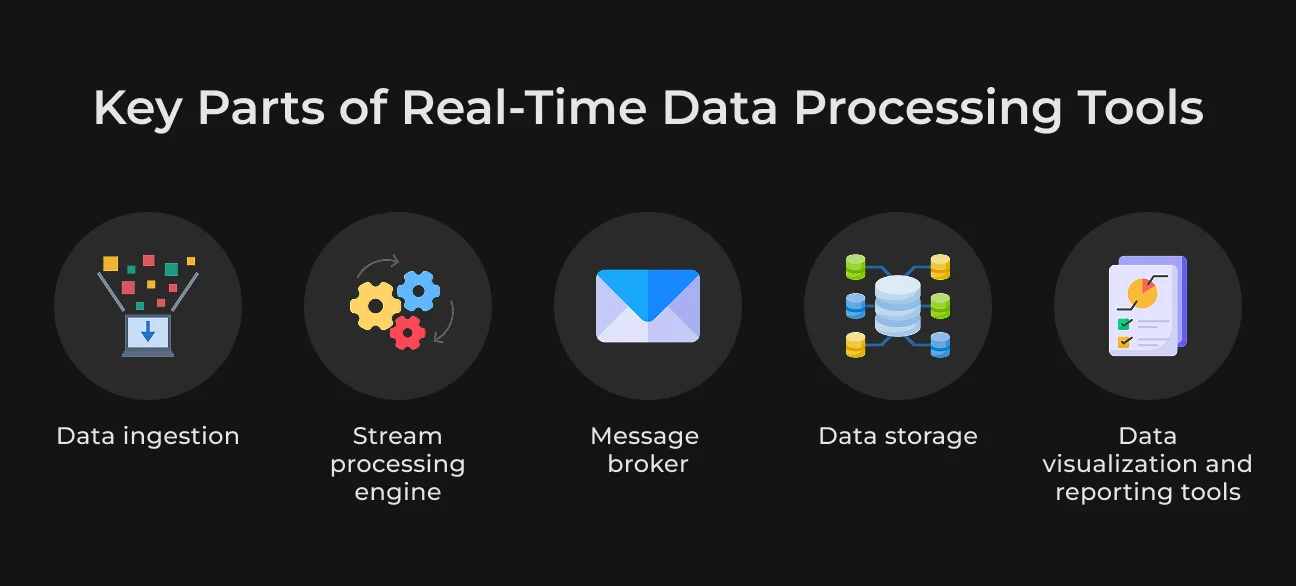
With this architecture, organizations can analyze and react to live data quickly, without waiting for batch processes. Usually, a typical data streaming solution includes these main components.
1. Data Ingestion
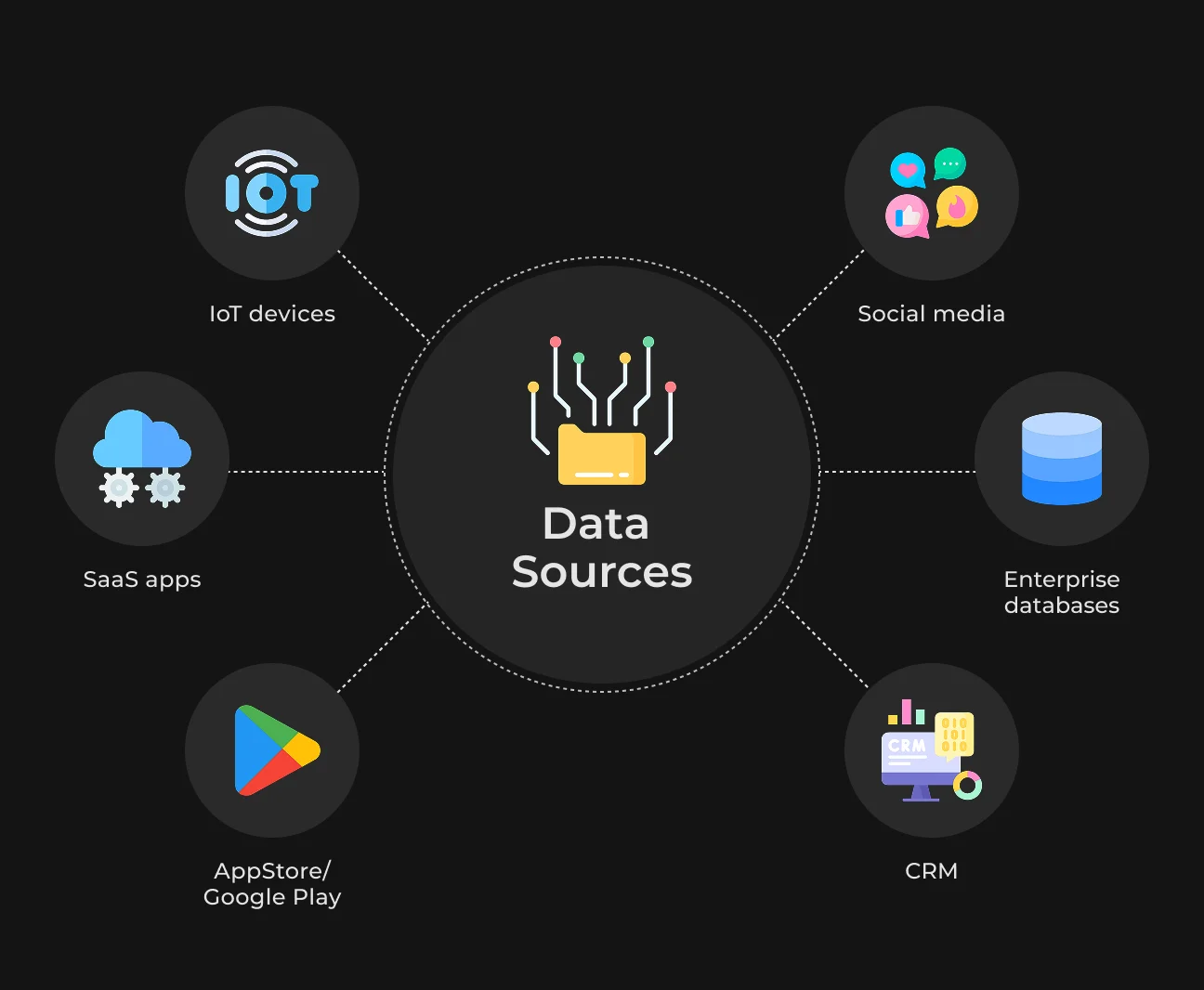
Data ingestion is the first layer of big data architecture. It is critical in the collection of data from endpoints, like IoT devices, data lakes, databases, and SaaS applications, before pushing into a target data warehouse.
This step is essential because it determines the data's scope and complexity, which influences the entire structure and every other decision.
2. Stream Processing Engine
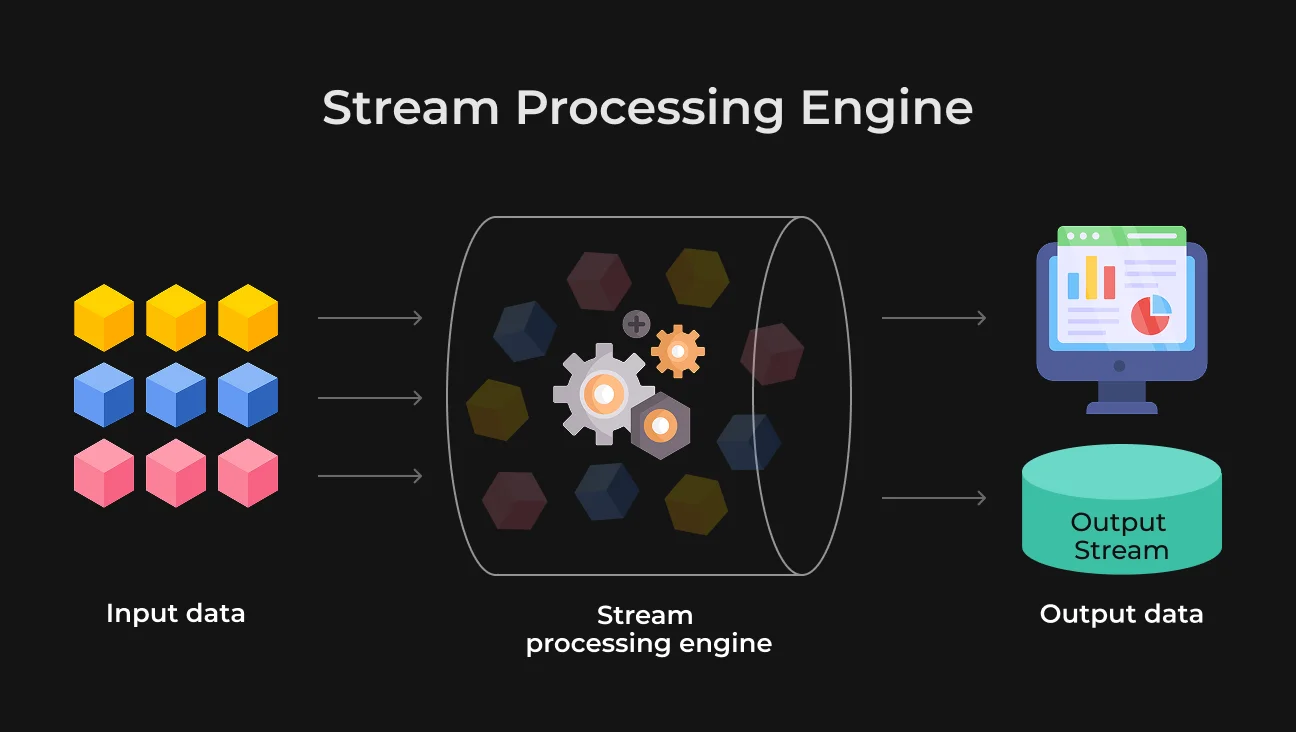
This is the key toolbox for working with data online, like filtering, aggregating, transforming, and windowing. A stream processing engine typically has complex event processing (CEP) capabilities to detect patterns or outliers in data streams and take action.
You may already know some popular stream processing systems like Apache Spark Streaming, Apache Kafka Streams, and Apache Flink.
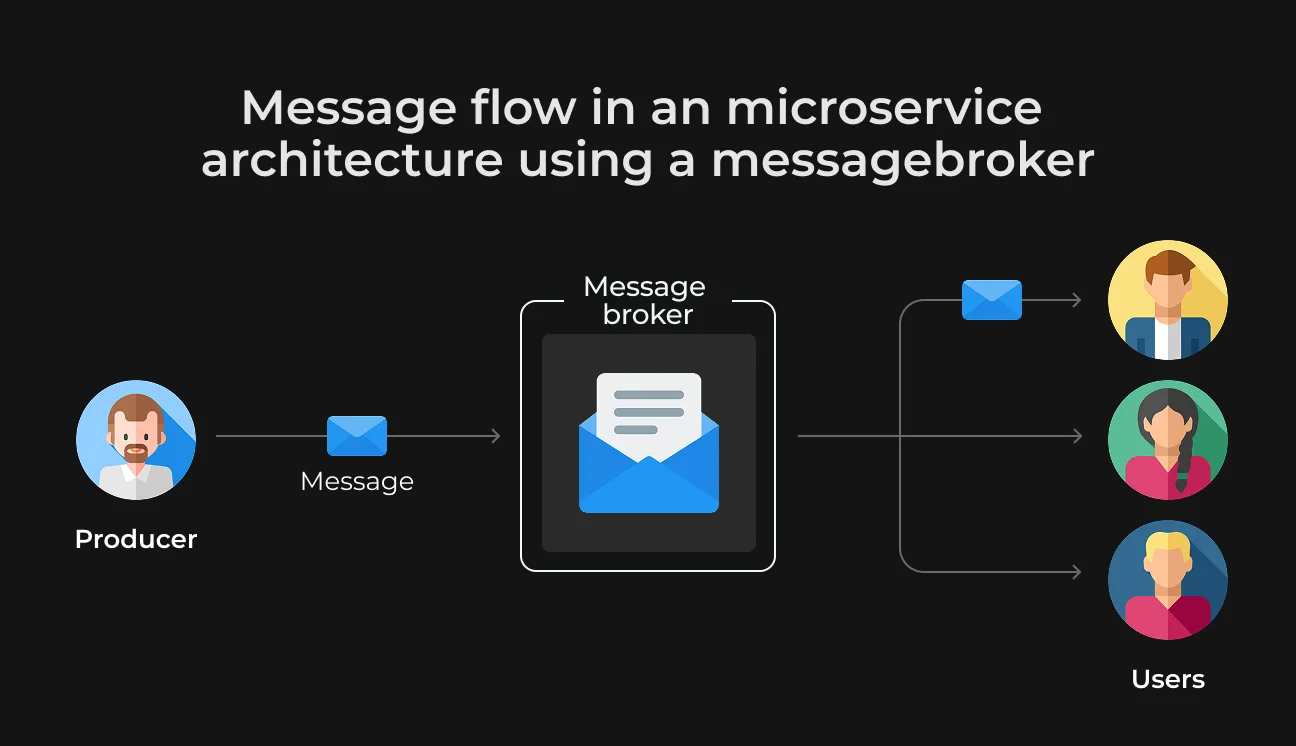
3. Message Broker
This observes data from several sources, translates it into a common message format (e.g., JSON or Avro), and streams that reformatted data to be consumed by other components.
Additionally, message brokers offer functionalities like scale-out options, fault tolerance, and load balancing.
4. Data Storage
This element stores the streaming data (whether it’s raw or processed) for future reference. Data may be stored in different ways, like persistent or temporary storage, structured or unstructured format, or a relational or non-relational approach.
Due to the large variety of event stream formats, many organizations use cloud object storage as data lakes to hold streaming event data. ETL pipelines are commonly used to move data in and out of storage.
5. Data Visualization and Reporting Tools
Data visualization tools can turn complicated data into simpler, graphical representations. They can produce reports or dashboards with pre-determined metrics or queries. You can then use these data elements to easily interact with streaming data and analyze it.
Key Use Cases of Real-Time Data Processing Tools
There are a variety of practical use cases of real-time data processing. And while these are different industries, they share some things in common. They personalize their service, employ artificial intelligence, and create true flexibility.
Let’s see some common real time data examples and use cases.
Ad Tech
Real-time data handling allows platforms to immediately capture user behavior, so that they can build a detailed audience. Through that feature, ads become more targeted and relevant, and have a better conversion rate.
These platforms learn in real time as they look at how people engage. This is convenient to make sure that users see the content when it's shared with them. So we can reach everyone at the right time.
For example, US-based digital marketers added 10% to their performance in the second quarter of 2025 due to real-time analytics.
Plus, AI algorithms provide real-time input on campaign setup and ad targeting improvements. These are algorithms that optimize your bidding strategy based on the most recent data, giving you constantly relevant and performing ads.
Fraud Detection
Now, attackers use AI in about 1 of every 6 data breaches, including AI-powered phishing and deepfake scams.
However, the good news is that organizations that employ AI-based security analytics techniques have been able to accelerate their breach lifecycle time by 80 days and save $1.9 million per incident (compared to those without automation).
Complex event processing (CEP) is a powerful instrument. It helps spot patterns within massive streams of events and enables you to focus on the data relevant to your inquiries.
You can effectively handle insights like real-time fraud analysis.
Real-time detection is particularly useful for banks, as it enables them to reevaluate transactions in the queue. Financial institutions can decrease the window in which a hijacked account or card may be exploited by criminals.
In comparison, legacy batch-based systems fall behind, processing transactional data hours or even days later, often when it's too late to prevent issues.
Inventory Management
With real-time data, there’s no longer a guessing game with managing inventory. Conventional systems often deal with static data that updates at specific intervals.
This might lead to a mismatch between what’s recorded and the most current state of a source. Real-time info can keep inventory accurate and instantly visible.
Restocking items on time is a big challenge that warehouse managers regularly have. Real-time data offers a direct look at what’s moving and what’s not, enabling businesses to predict inventory more accurately.
Retailers can replenish hot sellers before they run out and know when it makes sense to discount or promote slower-moving offerings.
Live data also enables better customer experiences. It allows us to personalize recommendations or offers for each shopper. Experiences tuned to the individual subscriber help greatly reduce churn.
Human Resources Management
Previously, HR was mostly considered a reactive function that ran payroll and hiring. HR now contributes to better business outcomes, whether it’s retaining employees, improving work performance, or helping company culture.
Here are a few ways companies are using real-time data to understand their workforce:
- Assess the present. Companies use current workforce data to see what resources they have and identify any gaps;
- Planning for the future. With this information, organizations can make the right decisions and plan effectively for future needs.
Currently, approximately 45% of companies are using AI in their recruitment processes.
Manufacturing
With live data collection, IoT sensors can track equipment and identify concerns. This enables operators to resolve issues rapidly, with reduced downtime and increased efficiency. For example, AI can rapidly identify quality flaws and resolve them right away.
Predictive maintenance uses current data to predict and prevent machine breakdowns. Sensors collect information on the status of a machine, like its temperature. Complex algorithms then sift through this information to decide when parts should go in for servicing.
Implementation and Architectural Considerations
One of the key decisions you should make is whether to build your own data processing pipeline or use cloud services. Each of them offers different levels of scalability, fault tolerance, and data quality.
Let’s explore these differences.
In-House Pipeline vs. Cloud Services
With services like AWS, Google Cloud, or Azure, it’s easy to abstract away a large portion of the complexity of deploying and managing applications.
This takes the burden off developers to help them code better and not worry about infrastructure. And there’s no need to make a big upfront investment.
AWS, Google Cloud, and Microsoft together captured 62% of the global enterprise cloud infrastructure services market. Amazon's AWS provides elastic cloud computing (EC2). It allows users to spin up virtual machines by selecting from pre-built machine images.
On the other hand, if you do build your own data pipeline, you will be completely free to choose and optimize the architecture, design security from scratch, and develop proprietary features.
It has its clear shortfalls, though, including overhead and complexity.
An in-house pipeline also requires a major investment in expensive machinery, trained workers, and maintenance.
If your company has solid needs for data processing and there is some infrastructure in place, then developing your own solution might make financial sense at a later stage.
Scalability
Cloud platforms suit businesses that can easily scale resources up and down as required. This flexibility also means that companies don’t have to invest up front in hardware. The global cloud market gained over 25% in the first nine months of 2025.
Scaling in-house infrastructure usually requires buying new hardware. This can take a long time to order and set up, but it might pay off in the long run.
Fault Tolerance
Fault tolerance is the ability of a system to stay functioning even when (normal) conditions are not met. This is important in data pipelines to keep the data flowing and processed.
Fault tolerance is often available within cloud providers. They have services that include automatic data backup, copying data to multiple regions, and high availability designs. For example, Amazon S3 provides the most durable cloud storage available. S3 is built to provide more than 99.999999999% (11 9's) durability for your data.
Rolling your own equivalence requires you to replicate these features. It’s about laying down backup systems, implementing well-tested backup processes, and placing robust disaster recovery strategies.
Data Quality and Consistency
Poor data costs businesses an average of $13.5 million per year as a result of wasted resources and missed opportunities.
Cloud-based solutions provide central platforms that improve data quality and require less maintenance. They offer tools like validation at load time, schema enforcement, or real-time error detection to prevent incorrect data.
To maintain the quality of your internally held data, you need good data governance policies and processes. This should be part of regular audits, alongside manual checks and dedicated teams to cleanse data and monitor its usage.
Real-Time Data Processing Implementation Checklist
This checklist helps you compare various implementation aspects of using your own data processing pipeline versus cloud services.
Aspect | In-house Solution | Cloud Service |
| Cost and resource use | Calculate the upfront infrastructure and hardware costs. Consider the recurring maintenance and staff expenses. | Check out the available pricing approaches from cloud providers. |
| Scalability | Plan to easily expand your hardware in the future by preparing for upgrades and considering space limits. | Make use of resources that can be scaled up or down as needed. |
| Data quality | Set up internal systems to ensure data is accurate and consistent. | Use cloud-based tools to automate data cleaning. |
| Security and compliance | Create custom security protocols and compliance measures. | Use the extensive security features offered by cloud providers. |
| Time to deployment | Dedicate extra time to setting up because you need to get and configure the necessary infrastructure. | Take advantage of quick deployment and faster time-to-market. |
| Customization | Get full control over designing and customizing the system. | Work within set structures with some room for customization. |
Partner with SapientPro to Create Your Data Pipeline
Partnership with SapientPro will let your company develop a scalable and productive data pipeline that meets its specific requirements. Our expert team is focused on creating smooth data flows that will improve the speed and veracity of your analytics.
With an optimized stack of the latest technologies, we process your data in real time for decision-critical actions. SapientPro focuses on agility and scalability that can help you grow your pipeline just as your business expands.
Count on us for a full data solution that's fast and efficient and will give you the competitive edge in today's data-driven world. Let’s team up!
Build Your Data Pipeline with SapientPro