All AI for Logistics Operations: Forecasting, Routing, and Warehouse Automation
September 21, 202610 min read


Logistics plans rarely stay accurate for an entire shift.
A late inbound truck changes what the warehouse can process, and traffic problems may force dispatchers to revise routes that looked fine that morning. As the network grows, more of the day goes into adjusting plans and reconciling updates across systems.
AI in logistics takes over part of that decision work.
Machine learning estimates demand, optimization algorithms revise transport plans, and computer vision tracks activity inside the warehouse. AI agents are also beginning to handle operational exceptions and send issues to the system responsible for the next action.
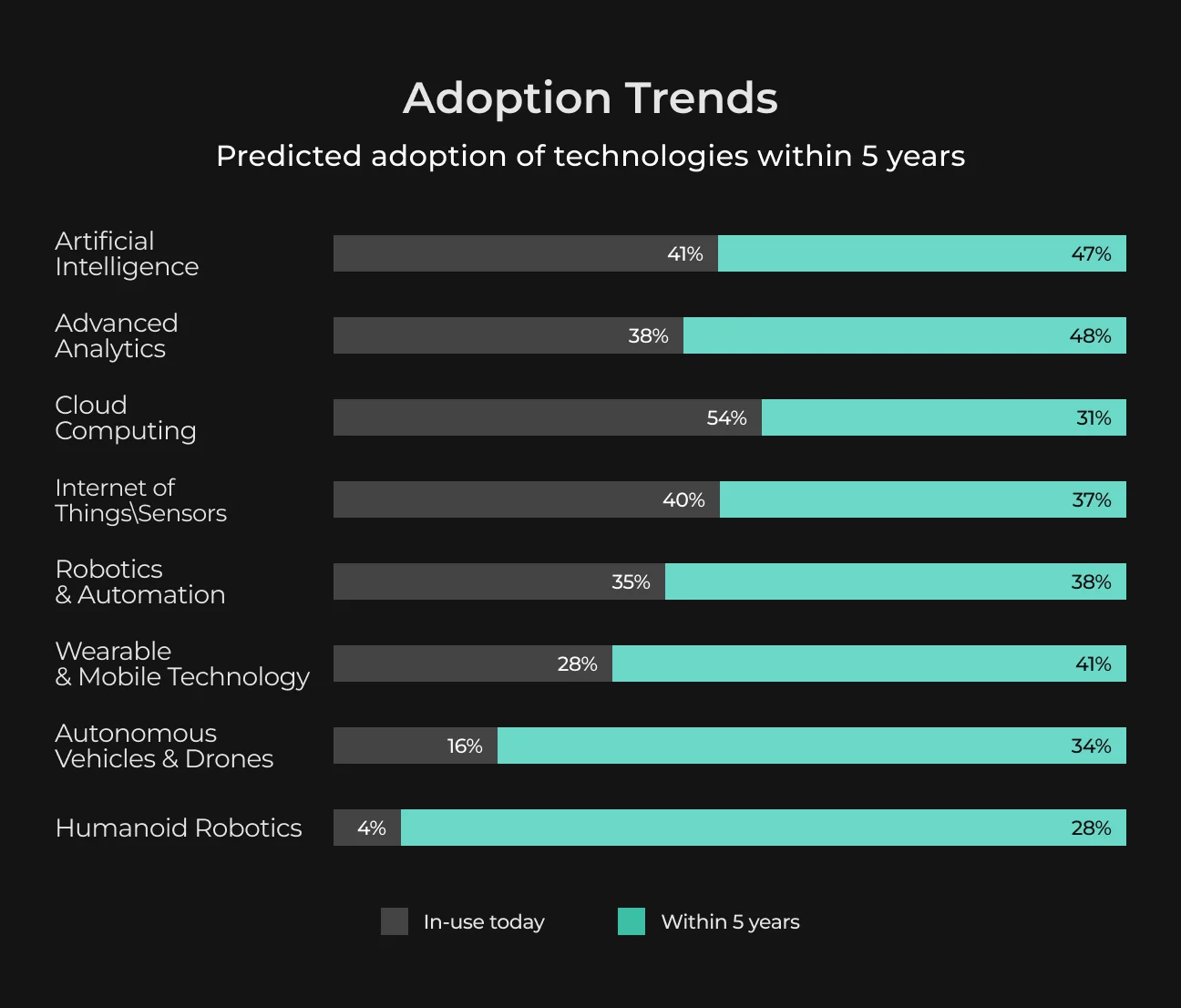
A 2026 survey found that 33% of organizations were already using AI for demand forecasting and inventory optimization, compared with 26% for logistics route optimization. This article looks at forecasting, routing, and logistics automation as connected parts of daily logistics operations.
Where AI Fits Into Logistics Operations
AI logistics software pulls from the systems the team already uses.
ERP and OMS provide order data, WMS reflects activity inside the warehouse, and TMS adds shipment and route information. Seen together, those records show when the plan starts to drift before the problem reaches the next team.
Conditions keep changing after the truck leaves the warehouse.
Vehicle location shows when a delivery is running late, and an IoT sensor flags a temperature issue before arrival. Traffic or bad weather sometimes forces a route change during the day. That live data reflects current conditions instead of the plan created earlier in the day.
AI helps teams act on those signals sooner.
A late truck can prompt an ETA update before the customer sees the delay. Inside the warehouse, a growing queue or equipment problem can change which orders move first.
Forecasting follows the same principle earlier in the process, using historical order and inventory data to adjust demand and capacity plans.
Demand Forecasting and Predictive Logistics
Demand can move faster than a weekly planning cycle.
A sudden rise in orders puts pressure on stock or transport capacity at one facility, and shipment data often reveals a likely delay before the delivery window is missed. AI gives planners more time to react, provided the forecast feeds directly into the next decision.
Demand Forecasting in Logistics
Machine learning for logistics starts with past orders, but those numbers explain only part of demand. A promotion often makes one week unusually busy, then volumes return to normal. Seasonal peaks do not arrive everywhere at once.
Long supplier lead times push purchasing earlier, and national totals often mask shortages around individual warehouses.
External signals help when demand reacts to local conditions.
A heat wave may lift beverage demand in one region without affecting the rest of the network. Large local events sometimes create a short surge around one city. That information gives planners time to move stock earlier or book more transport before volumes rise.
ETA, Delay, and Capacity Prediction
Once a shipment is on the road, AI updates its ETA from fresh trip data and spots loads likely to miss their delivery window. Capacity models look across the wider operation, showing when warehouse throughput is nearing its limit, fleet demand is outgrowing available vehicles, or carrier space is tightening.
Those predictions become operational only when they trigger the next action. Teams use a late-arrival risk to move a dock slot, refresh the customer ETA, or secure extra transport. Capacity warnings give planners time to rebalance work before the constraint affects deliveries.
Forecasting Type | When It Is Used |
| Demand forecasting | Before the operation commits resources |
| ETA, delay, and capacity prediction | During execution, when new conditions may force a change |
AI-Based Routing and Transportation Optimization
Route planning in logistics gets harder when the shortest path conflicts with real delivery constraints. A vehicle may still be close to the next stop and yet be the wrong choice because of capacity, driver hours, or the customer’s delivery window.
AI-based routing uses those operating limits alongside mileage when it builds the plan.
What AI Route Optimization Considers
A route can fail before traffic even becomes a problem.
Suppose a truck is close to an urgent pickup but has too little space left for the load. Moving that stop to another vehicle may push a later delivery outside its customer window, and the driver’s remaining hours can limit how far the route can be extended. Road restrictions may narrow the options further.
A location that regularly takes 40 minutes to unload can affect the rest of the schedule more than a slightly longer drive. Traffic or bad weather may change the calculation again during the shift. AI route optimization uses those constraints to build a plan the fleet can realistically complete.
Dynamic Routing and Real-Time Adjustments
A route can change after just one late stop. Logistics routing software recalculates the remaining deliveries and refreshes the plan for the rest of the route.
Event | System Response |
| New order or cancellation | Stops are reassigned |
| Delay or breakdown | Route and ETA are updated |
| Revised plan | Driver or dispatcher receives it |
A route update that reaches the driver after the next turn or stop may already be too late.
Fleet Data and Driver Operations
Fleet history often explains why the same route keeps missing its schedule.
A stop planned for 20 minutes may regularly take 35, pushing every later ETA back. Telematics shows how the vehicle moved between stops, and geofencing records the actual arrival and departure time at each site. Route history gives planners a clearer record of where time is being lost.
Driver data reveals schedule problems that planned mileage misses.
Repeated time loss at the same site often points to loading or dock access. Average truck operating costs reached $2.336 per mile in 2025, up 3.4% from 2024. Across a large fleet, those delays add real cost. Past trip records also give planners better stop times for future schedules and ETA calculations.
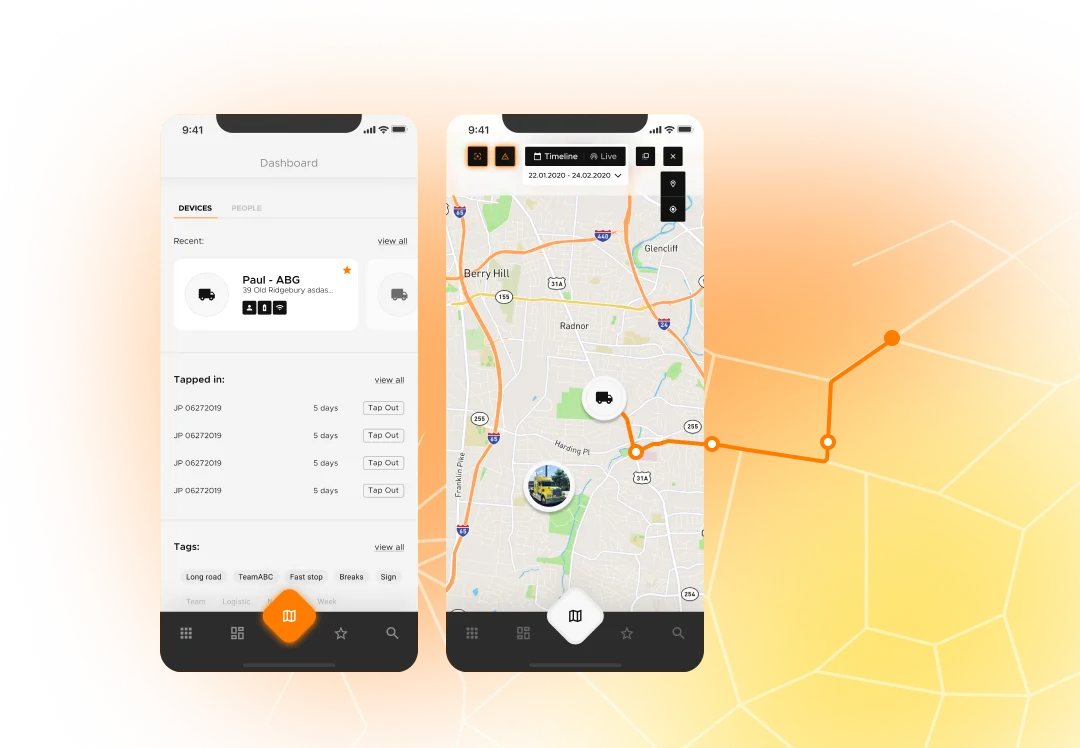
See How MasTrack Improved Fleet Operations
Learn how SapientPro supported vehicle tracking, fleet data, and daily operations for 10x faster management speed.
AI Warehouse Automation for Logistics
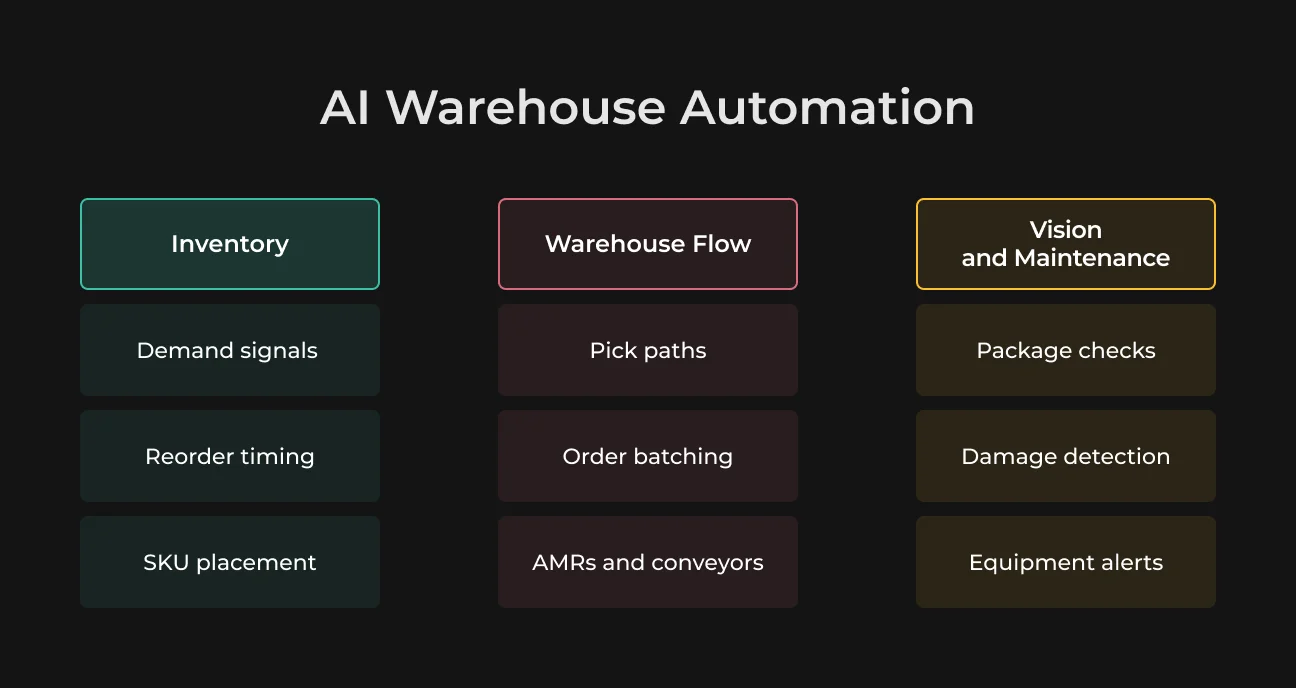
Inside the warehouse, logistics automation technology supports inventory decisions, order flow, and physical monitoring. Demand forecasts shape replenishment and workload planning, and cameras or equipment data show what is happening on the floor.
Inventory and Replenishment Optimization
Demand forecasts directly affect reorder timing and inventory management. Rising demand may trigger an earlier order, and safety stock covers periods when sales or supplier lead times become harder to predict. This gives the team more time to prepare before order volume rises.
SKU placement can change as demand shifts too. When a product begins selling faster, moving it closer to the main picking area cuts walking time. The same demand signal can bring replenishment forward, so additional stock reaches the picking area before supply runs low.
Picking, Packing, and Warehouse Routing
Pickers lose a lot of time retracing the same aisles. Pick-path optimization reduces that travel, and order batching lets a picker collect nearby items for several orders in one run.
Workload shifts during the day as queues build in one zone.
Tasks move to available workers or AMRs, with AMRs carrying totes between storage and packing stations. Conveyors handle fixed movement between warehouse zones. Logistics automation software coordinates these flows with the current order queue so a busy station does not slow the rest of the floor.
Computer Vision and Predictive Maintenance
Cameras handle routine visual checks at receiving and outbound, from package identification and pallet counting to visible damage detection. Before departure, the system verifies that the correct goods reached the assigned trailer.
A conveyor often shows warning signs before a breakdown. Rising motor temperature, changing vibration patterns, or longer cycle times often point to developing equipment problems. The model flags unusual behavior early enough for maintenance to inspect the machine before a failure interrupts warehouse work.
See more
See how SaaS inventory management software helps keep stock control and daily inventory workflows organized.
Read moreConnecting Forecasting, Routing, and Warehouse Automation
Forecast data starts shaping the operation once it reaches warehouse and transport planning. A change in expected demand shifts inventory priorities first, then affects capacity and delivery plans later in the process.
A regional demand increase might look like this in practice:
Stage | What Changes Next |
| Forecast | Forecast flags higher regional demand |
| Inventory | Stock moves closer to expected demand |
| WMS | Relevant orders move up in priority |
| TMS | TMS assigns capacity for the added volume |
| Routing | Routing software updates delivery plans |
| Telematics | GPS data refreshes ETAs during the trip |
ERP provides purchasing and inventory context, and OMS adds order details and status. Once warehouse work begins, WMS records picking, packing, and shipment updates. TMS uses that information for transport planning and dispatch. After departure, telematics reports vehicle location and trip events. Carrier APIs add booking and tracking data for third-party transport.
Warehouse and transport teams work from the same up-to-date order status, so fewer decisions rely on stale information.
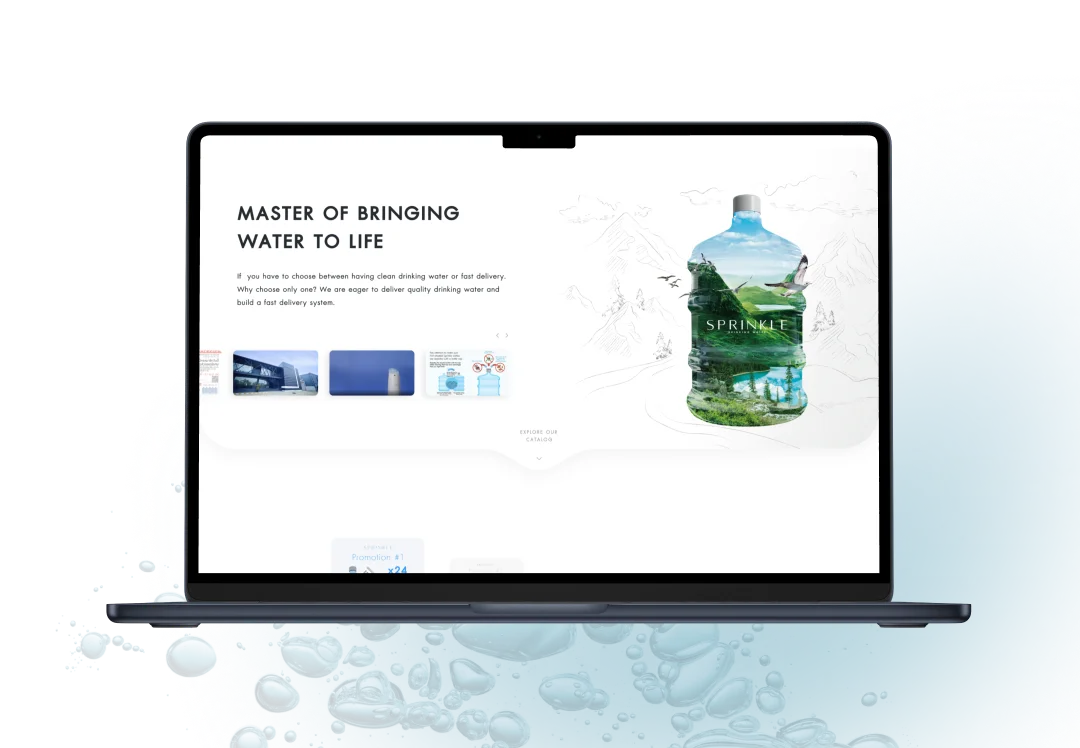
How Sprinkle Simplified Logistics Workflows
Learn how custom software brought 75k+ users, 45% income growth, and 50% delivery cost reduction.
Benefits of Logistics Automation
Teams usually judge logistics automation solutions by the change they create in daily operations. The table shows which KPIs fit each application.
| Application | Operational Impact | KPI to Track |
| Demand forecasting | Fewer stock gaps and less excess inventory | Forecast accuracy, stockout rate |
| Inventory replenishment | Better timing of stock movements | Inventory turnover, days of supply |
| Logistics route optimization software | Fewer unnecessary miles and more efficient routes | Cost per delivery, miles per stop |
| ETA and delay prediction | Earlier response to late shipments | On-time delivery rate, ETA accuracy |
| Warehouse picking | Less travel between picks | Picks per hour, order cycle time |
| Fleet operations | Better use of vehicles and driver time | Idle time, vehicle utilization |
| Predictive maintenance | Fewer unexpected equipment stops | Unplanned downtime, maintenance cost |
How to Implement Artificial Intelligence in Logistics
A practical application of artificial intelligence in logistics starts with one measurable problem and a clear baseline. The steps below show how to move from that first use case to a working system inside daily operations
1. Start With a Measurable Operational Problem
Pick a problem the team already tracks. Late deliveries, empty miles, forecast error, slow picking, and excess stock all have clear metrics behind them. Set the success threshold before the pilot begins and compare the final result with the same baseline.
2. Audit Data and Existing Systems
Check what WMS, TMS, ERP, and telematics already provide before choosing a model. Focus on missing fields, delayed updates, inconsistent timestamps, and mismatched SKU or shipment IDs. These issues can weaken the model before training even begins.
3. Build and Validate the Model
Use historical data for the first test and compare the result with the current process. Test a demand model against previous orders, or run a logistics routing model on completed trips to see whether it cuts mileage or improves delivery performance.
Technical accuracy is only part of the result. The KPI from Step 1 shows whether the pilot improves the actual operation.
4. Integrate AI Into the Operational Workflow
The model output needs to appear inside the tools teams already use during the shift. Dispatchers see delay risk in their usual workspace, replenishment updates go into WMS or ERP, and drivers receive route changes through the app they already use. The team does not have to monitor a separate AI report.
Routine updates run automatically, and operators review the cases that require judgment. Dashboards show the current status, while the actual decisions stay inside the existing workflow.
5. Monitor and Improve
After launch, track model accuracy alongside the operational KPI and review operator overrides. Those overrides often reveal missing context or changes in the process.
Routes, demand patterns, and warehouse processes keep changing after launch. When accuracy begins to slip, check whether the data or process has changed before retraining the model or adjusting the workflow.
Integrate AI into Your Workflow with SapientPro
Most logistics teams already have the data for AI spread across several operational systems. SapientPro brings those sources together and uses them to build AI solutions for logistics around a specific workflow, KPI, and business decision.
The work usually covers three practical areas:
- Connect logistics data directly to the workflow where teams use it;
- Build logistics forecasting, routing, or warehouse models around a defined KPI;
- Keep performance visible through monitoring and exception review after launch.
Each model stays tied to a concrete operational task, which makes the result easier to measure and improve over time.
Contact SapientPro to bring forecasting, routing, and warehouse automation into one connected logistics workflow.
Build AI Into Your Logistics Workflow
Talk to SapientPro about forecasting, routing, automation, and system integration.

FAQ
How is AI used in logistics?
AI in logistics is used for demand forecasting, route optimization, inventory planning, warehouse automation, ETA prediction, fleet management, and predictive maintenance.
It analyzes data from ERP, WMS, TMS, telematics, and other systems to help logistics teams react faster to demand changes, delays, capacity constraints, and operational exceptions.
What are the benefits of AI in logistics?
The main benefits of AI in logistics include more accurate demand forecasts, fewer unnecessary delivery miles, better inventory allocation, faster warehouse operations, improved vehicle utilization, and earlier detection of shipment delays or equipment problems.
The business impact should be measured through KPIs such as forecast accuracy, on-time delivery, cost per delivery, inventory turnover, and unplanned downtime.
How can a company implement AI in logistics?
A company should start by selecting one measurable logistics problem, such as forecast error, late deliveries, excess inventory, or inefficient routing.
The next steps are to audit available operational data, build and validate the AI model, integrate its output into existing systems such as WMS or TMS, and monitor both model accuracy and the operational KPI after deployment.