All SaaS Inventory Management for Improved Stock Control
January 24, 202615 min read


Efficient inventory management is a must for any business's success, no matter if it’s a small online store, a large retail business, or a manufacturing company. It helps maintain the right stock levels, improve supply chains, increase profits, and meet customer demands without overspending.
Even though it’s so important, 43% of small businesses don't keep track of their inventory.
Many organizations are now using SaaS inventory management to optimize their workflows. The right software makes processes more efficient and ensures products are always in stock for customers. About 73% of warehouses even plan to use mobile inventory management solutions.
This article from SapientPro's tech experts will explain the important role of SaaS inventory management in better stock management. We'll show you its main benefits, platform features, and real-life examples.
What is SaaS Inventory Management?
Efficient inventory management means knowing what you have in your stock. SaaS inventory management does this job for you by automatically discovering all your applications and expenses.
This cloud-based system lets businesses manage inventory across different sales channels, monitor stock levels, streamline order fulfillment, and get real-time updates on stock movements and availability.
Benefits of Inventory Management SaaS Platforms
Businesses that store products can gain significant benefits from inventory management software. With features like tracking inventory levels and product locations, it saves their budgets and simplifies operations. Let's look at more benefits of using this software.

Enhanced Demand Forecasting
The B2B e-commerce market is expected to grow by 14.5% until 2026, which means there's a higher demand for logistics solutions that use real-time data. Without proper demand planning, companies can face issues like running out of stock, overbuying, wasting resources, and hurting supplier relationships.
SaaS inventory management software is a useful tool in this context. It helps with demand planning by letting users predict how many parts they'll need in the future, so these products can be purchased and ready on time.
Reduced Costs
Inventory management software helps businesses save money and find cost-saving opportunities with tools like on-hand inventory reports and trend analysis. While AI can reduce supply chain costs by 15-20% through automation.
For example, companies can use such software to track how much food expires due to poor storage. It also helps find available storage space in distribution centers, which removes the need for extra staff to manually check and record warehouse capacity.
Better Quality Control
Inventory management is about keeping the right balance of stock, so you don’t have too much or too little when you need to fill orders.
Actually, 74% of businesses have faced shipping delays and longer lead times. It might be challenging to find that perfect balance, but inventory management software can make it much easier.
These systems track data like product movements, helping employees quickly find specific items, especially during a recall. This way, any damaged products can be found and removed before they're shipped.
Improved Customer Experience
Effective CRM stock management is actually key to customer satisfaction. Over half of American consumers reduce their spending after one bad experience with a company.
When consumers know a store has what they need, they're more likely to come back and even recommend it to friends. Inventory management software helps by tracking stock levels in real time, providing automatic updates, and integrating with sales platforms.
This technology also helps prevent product shortages or the need for backorders and makes employees' jobs easier, letting them focus on helping customers.
A great shopping experience and excellent customer service begin before the sale. By improving inventory accuracy, you can deliver products faster, cut costs, and boost customer satisfaction and loyalty.
Challenges of SaaS Inventory Management
SaaS inventory management gives businesses the needed flexibility to manage their stock, but it also brings certain challenges worth considering.
Real-time Data Syncing
When businesses expand into online marketplaces, physical stores, or wholesale, they need precise inventory data to avoid running out or having excess stock, both of which affect customer satisfaction and profits.
It’s important to connect all platforms and keep data accurate, which often requires advanced APIs or middleware solutions.
Securing Sensitive Data
SaaS inventory management platforms store company and customer information, like purchase histories, vendor agreements, and pricing details. Companies must protect this data from breaches and follow laws like GDPR to maintain customer trust.
This means you should use cybersecurity measures, like encryption, access controls, and regular security checks, and be aware of potential weaknesses that cyber threats could exploit.
Customizing SaaS Platforms
Many SaaS solutions offer standard features for most users. However, companies with unique or complex inventory management needs might find these insufficient. Customizing these tools requires technical expertise, which could lead to extra costs and time.
SapientPro’s tech experts create custom SaaS inventory management systems and POS solutions that fit your specific needs and budget. Get everything you need to effectively operate your business, increase profits, and strengthen customer loyalty.
Features of a SaaS Inventory Management Platform
Inventory management software has specific features that help you manage, track, control, and plan your inventory.
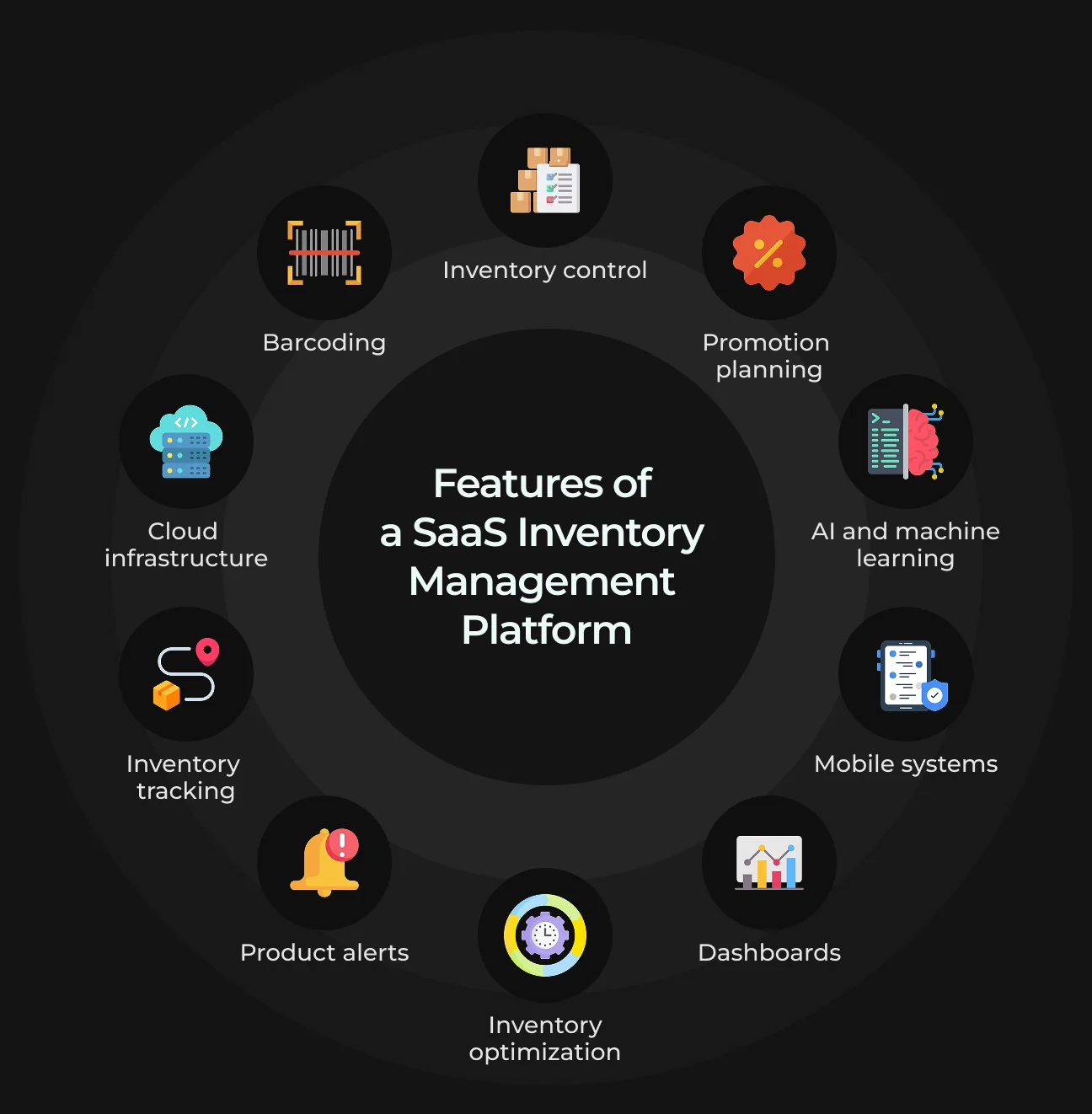
Here's what these basic tools look like.
- Inventory control.
The inventory control feature keeps track of products in a warehouse, necessary for the supply chain. It helps sort items by type and location, audits data, generates real-time reports, and makes product searches easier.
- Barcoding.
Barcoding software reduces data entry mistakes and speeds up business processes by automating system interactions. It improves inventory by collecting and storing data digitally. Plus, it integrates with digital documents, like touchscreen signatures and paperless invoicing.
- Inventory tracking.
This feature tracks products and materials in the supply chain. Inventory tracking automates tasks like creating and tracking numbers for receipts or invoices. It also connects with logistics and email services to update customers on stock or shipping status.
- Product alerts.
Alerts help improve inventory cost management, reduce waste, and meet client expectations. They automatically notify about low stock, shipment delays, or supply chain issues. With this, you can better manage sales forecasts, shipping, suppliers, and plan materials.
- Inventory optimization.
Optimization tools enhance inventory planning with automated reports and analytics across the supply chain. These tools match supply with demand and optimize inventory levels, going beyond just standard ordering.
- Dashboards.
Easy-to-use inventory management dashboards let you focus on key areas and quickly view figures and trends without analyzing details. These dashboards use real-time data to show how the software works, its benefits to the company, and daily tasks.
- Promotion planning.
The promotion management feature helps businesses plan and manage promotions by providing accurate forecasts and matching inventory to real sales. This keeps optimal inventory levels across stores and offers detailed analytics to improve promotion effectiveness.
- AI and machine learning.
AI chatbots have changed how businesses provide inventory updates to online customers. With machine learning, they can notify customers about out-of-stock items, suggest products based on past purchases, automatically manage backorders, etc.
- Mobile systems.
Mobile apps on smartphones simplify inventory management at different locations by connecting to internal systems and databases. These apps, available on iOS and Android, provide real-time tracking and instant alerts.
- Cloud infrastructure.
Cloud software is always a flexible and affordable solution for businesses. It eliminates the need for hiring dedicated IT staff by offering automated backups, secure access, and real-time collaboration across multiple locations.
Industries That Can Leverage SaaS Inventory Management Software
Let’s see how SaaS inventory management helps various industries transform their operations and stay competitive.
Retail
Inventory management software in retail monitors stock, sales, and orders. While many businesses started with spreadsheets, specialized software saves time for other tasks.
It sends alerts when stock is low, ensuring timely reorders, and can automate orders for frequently used items.
The right inventory management software offers advanced reporting tools that show sales trends, turnover, and profit margins. For example, a stationery store can use weekly sales data to see fast-selling items and those that don't sell well.
E-Commerce
Ecommerce businesses use inventory management software to simplify order processing and product tracking. These systems monitor products from manufacturing until they are stored and sold. They often manage payments and integrate with current sales systems, functioning as point-of-sale systems.
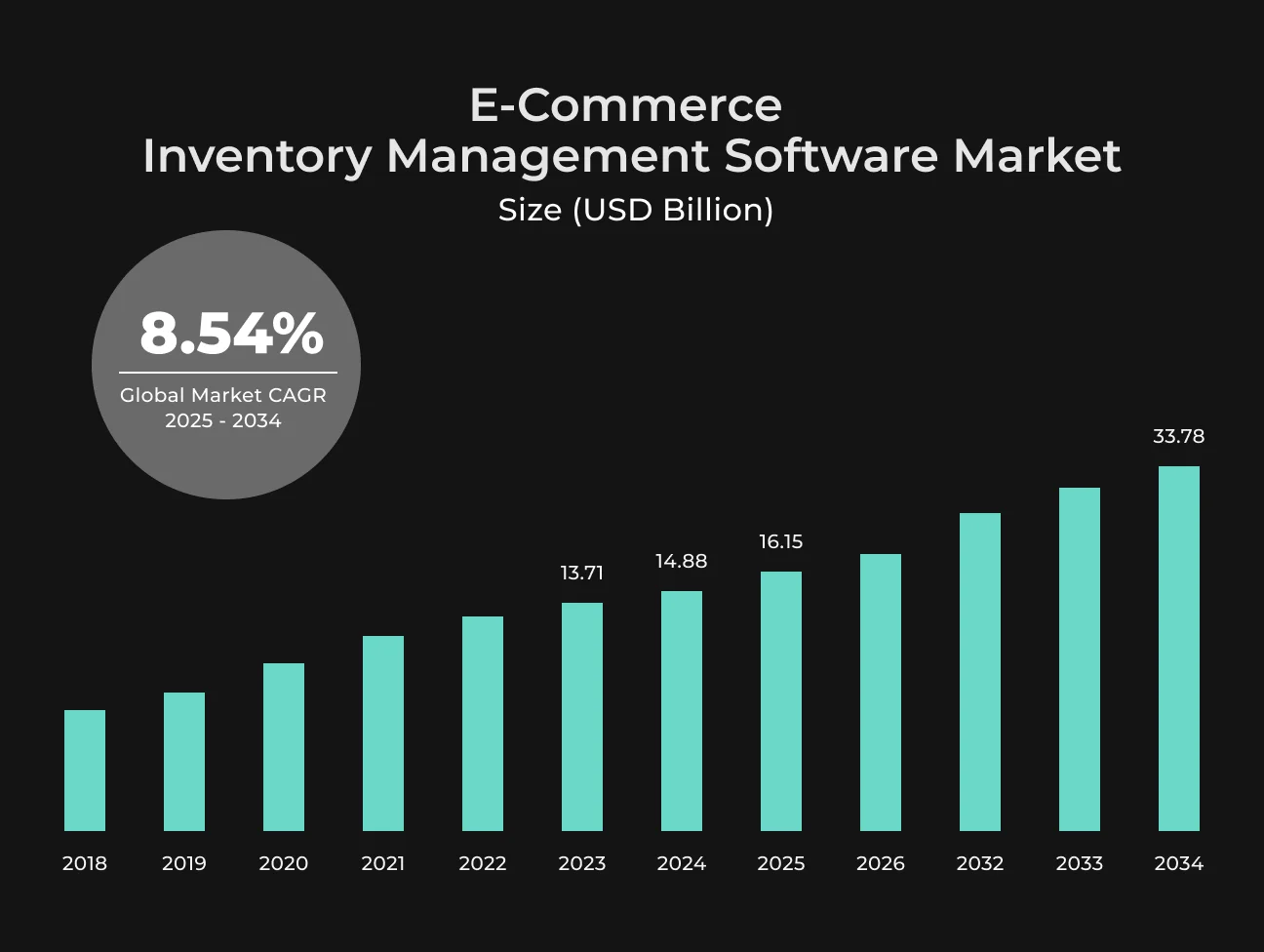
Inventory management software also speeds up production by minimizing errors, allowing businesses to focus on creating products faster and with better quality. This efficiency means companies can assign workers to other important tasks and improve productivity.
For example, a business with four employees managing inventory might need fewer people because of the software, saving on labor costs.
Try SapientPro's POS for Magento 2
You'll get a powerful POS system with online & offline inventory management.

Manufacturing
Inventory management in manufacturing keeps track of everything needed to make products, like raw materials, parts, and items ready to ship. Software helps monitor how materials move, check stock levels, process orders, and boost production.
Manufacturers typically have a more complicated inventory system than ecommerce businesses like resellers or drop shippers, who mostly work with items that are ready to ship.
For example, car manufacturers need to track parts like tires and electronics to ensure the right production. Textile manufacturers must manage a variety of raw materials like cotton, silk, and flax to produce different types of clothing.
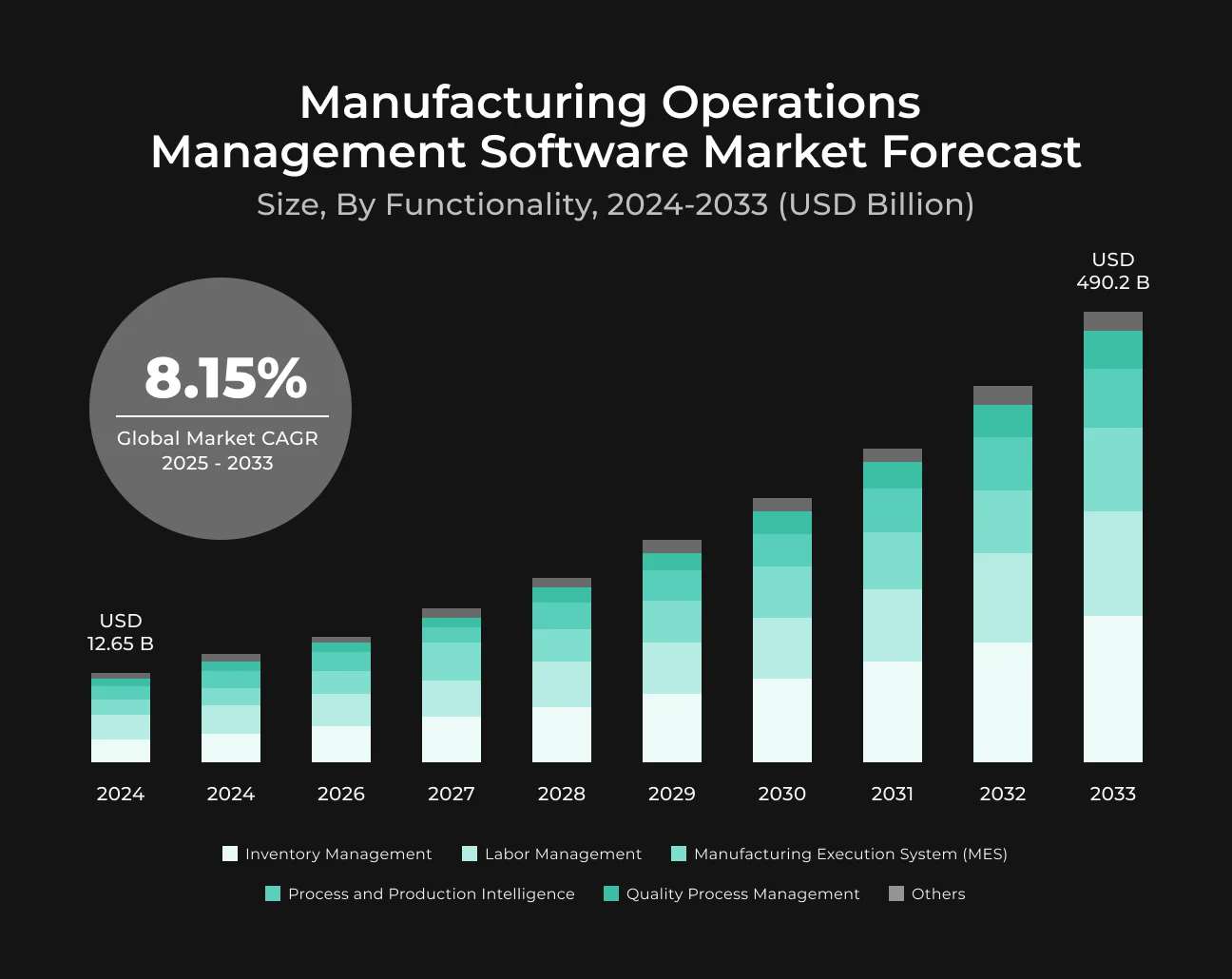
A manufacturing inventory management system ensures there's enough stock to meet production needs while minimizing costs.
AI Integration into SaaS Inventory Management
Basically, with AI, businesses can analyze large data sets to accurately predict how much stock they need, which simplifies the process and is more cost-effective.
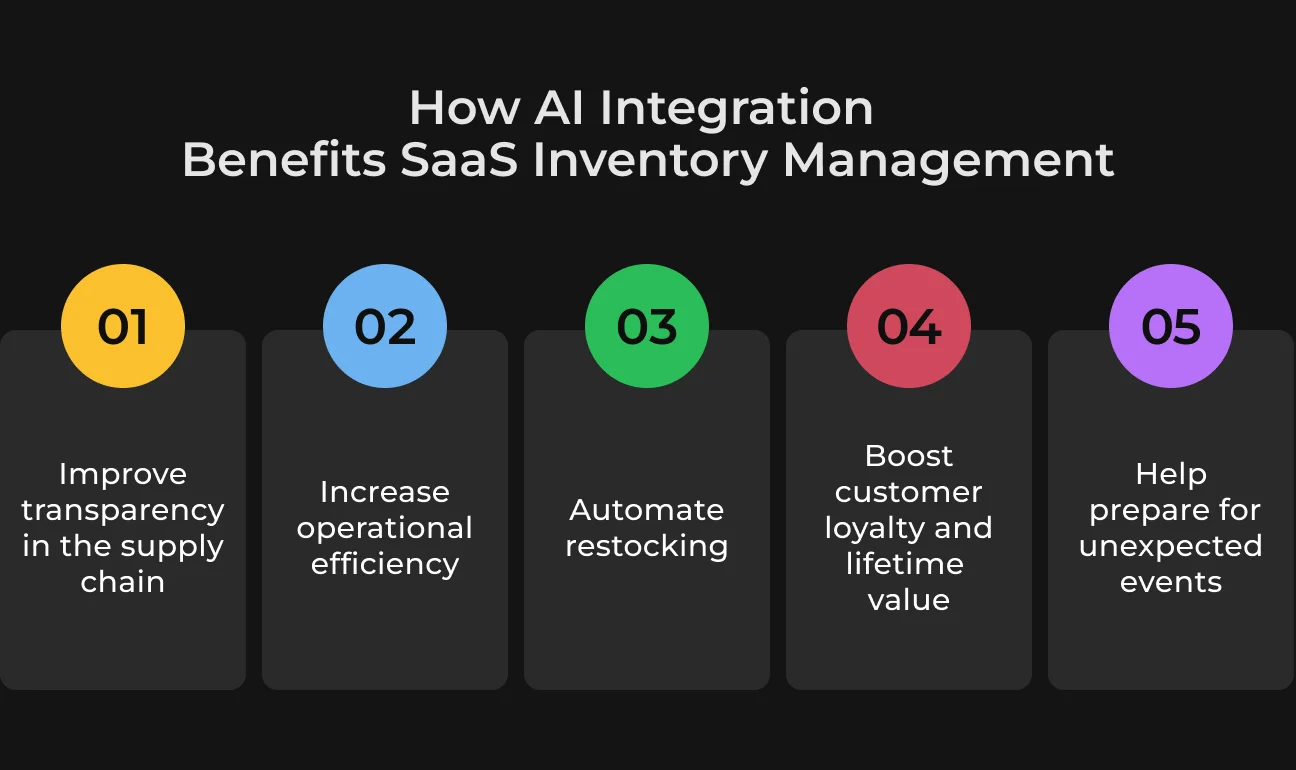
Check out more ways of AI use in inventory management.
- Improve transparency in the supply chain.
Supply chains can be quite complex as they have many moving parts. By merging vendor data and using AI to manage it, businesses can gather information from vendors, warehouses, and distribution centers on one platform.
This feature helps companies find potential issues and streamline their logistics.
- Increase efficiency.
Inventory management issues usually arise from repeated steps or delays in processing orders. AI analyzes operational data to identify those issues and offer solutions to optimize the workflow.
This can include using object detection for real-time inventory tracking or quickly discovering misplaced items.
- Automate restocking.
Manually managing inventory restocking can lead to mistakes. AI systems link with procurement and ordering systems to track stock levels in real time and automatically begin restocking.
This keeps products available without excess inventory.
- Boost customer loyalty.
Retaining customers is no less important than getting new ones. AI-based stock optimization can help prevent customer loss by showing them what's valuable.
For example, features like smart reporting, stock adjustments, upselling, and cross-selling help keep customer loyalty and offer companies insights to increase customer lifetime value.
- Help prepare for unexpected events.
Supply chain issues and economic changes can affect stock availability. Companies can use automated AI simulations to create backup plans and minimize these risks.
This helps businesses maintain or even improve their usual pace while easily adapting to new conditions.
Future Trends in AI-Powered SaaS Inventory Management
AI-driven inventory management software helps allocate resources more effectively and allows businesses to easily adapt to market changes. These tools streamline supply chains, predict trends, prevent stock issues, and reduce product defects.
Let's look at some more trends in AI for inventory management.
AI-Based Anomaly Detection in Trade Documents
About 30% of international shipments have documentation errors, which results in delays of 3-5 days. AI is changing the way we catch these mistakes in trade documents. The latest AI models, trained on past trade data, use natural language processing to extract key information and connect important data points.
Companies using advanced AI systems see a 90% drop in manual document checks and much better error detection.
Logistics Optimization
AI helps manage complex global supply chains. Companies using smart transportation systems can lower freight costs by at least 10% and provide better service.
These systems use algorithms to make the right routing decisions, considering factors like transit times, available space, costs, and sustainability.
Choosing Suppliers and Evaluating Risks
Artificial intelligence is also changing the way businesses manage suppliers and supply chains. For example, intelligent evaluation systems help companies speed up onboarding by 25% and better understand risks in their networks.
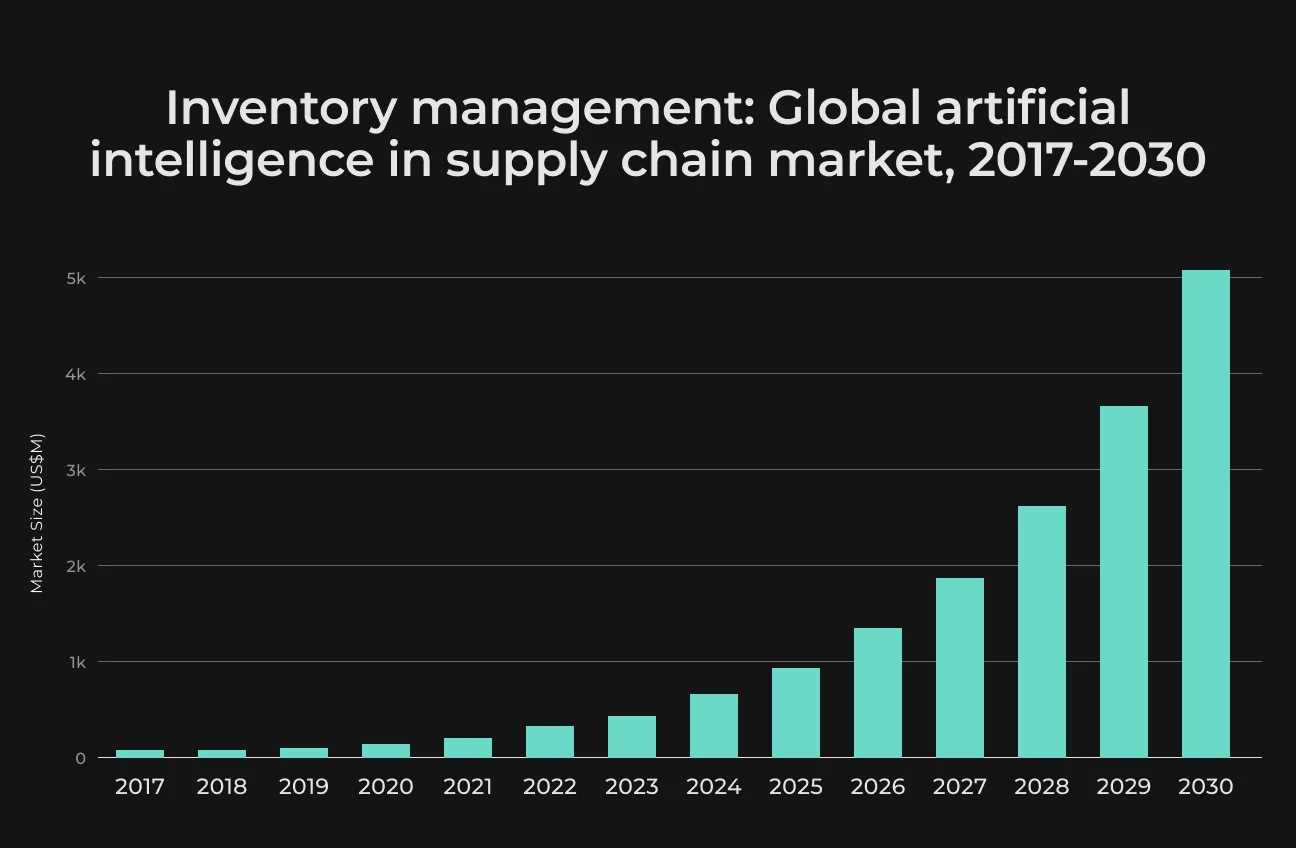
These systems gather data from financial reports, compliance records, production capabilities, quality checks, and even social media to create detailed risk profiles for suppliers.
Partner with SapientPro to Build Your SaaS Inventory Management Solution
If you plan to make your inventory management simple and efficient, choosing the right tech partner is key. SapientPro's engineers use their expertise to create scalable and cost-effective SaaS inventory management solutions to help you lead your industry.
Contact our team to discuss your project.
Build Your Inventory Management Software Today