All Navigating the Challenges of AI in Healthcare: 10 Key Risks, Solutions, and Future Trends
April 24, 202615 min read


Around 4.5 billion people still lack access to essential healthcare, while the global shortage of health workers could reach 11 million by 2030. AI can ease this pressure, but scaling remains a bottleneck. Fewer than one-third of healthcare AI pilots reach production, held back by security concerns, unprepared data, high integration costs, and limited specialized talent.

In this article, SapientPro’s engineers will explain how artificial intelligence supports the healthcare industry with innovative technologies and modern solutions.
Key Takeaways
- AI can improve diagnostic accuracy and drive revenue growth, but also introduces risks like misdiagnosis and privacy breaches;
- Major challenges include safety concerns, informed patient consent, clinician over-reliance on AI, and poor data quality;
- Effective adoption requires strong governance, including transparent human oversight, accountability, bias audits, and diverse datasets;
- Healthcare leaders should approach AI as a cross-functional initiative involving IT, clinical, legal, and ethics teams;
- Well-executed AI integration leads to better patient outcomes, reduced costs, and stronger competitive positioning.
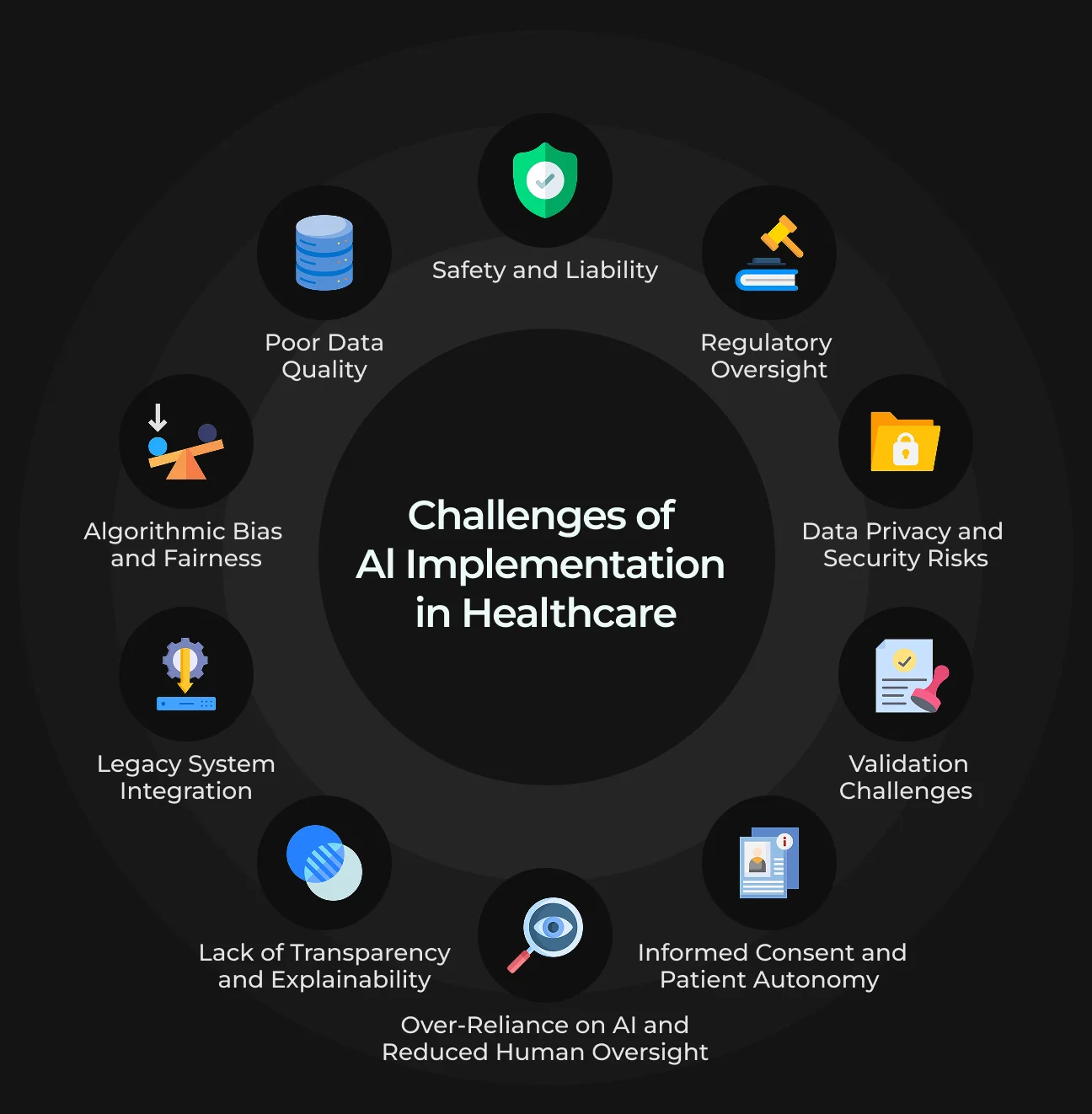
10 Challenges of AI in Healthcare
AI is reshaping diagnostics, workflows, and patient care, but scaling it across healthcare systems exposes gaps in regulation, operations, and accountability. These challenges sit beyond model accuracy and directly affect real-world outcomes.
1. Safety and Liability
Clinical decisions traditionally rely on physician judgment, but AI introduces an additional layer that complicates responsibility. When an AI-driven recommendation leads to an error, it becomes unclear whether accountability lies with the clinician, the provider, or the vendor.
This gray area on liability concerns both insurers and providers.
Even well-trained models can break down in edge cases or when exposed to unfamiliar data. These failures are hard to predict and can directly impact patient safety.
How to Mitigate this Challenge
The safest approach keeps clinicians in full control of decisions. AI outputs should always require human validation, especially when confidence levels drop or results conflict with clinical observations. Clear internal policies help define when escalation or second opinions are required.
On the operational side, contracts with vendors need explicit responsibility boundaries tied to system performance. Deployment should move through staged validation in real clinical settings rather than relying on controlled environments alone. Continuous monitoring, supported by internal review groups, allows teams to catch failures early and adjust before they scale.
2. Informed Consent and Patient Autonomy
Patients have a right to know when an algorithm is influencing their diagnosis or treatment. Without disclosure, they may be making consequential decisions based on machine output, without realizing it.
In many legal systems, there is a growing expectation — and in some cases a legal obligation — for patients to give informed consent before AI tools are involved in their care. Using AI without disclosure can undermine patient autonomy and expose the practice to legal liability.
Aside from signed consent, patients may feel uneasy or dehumanized if they sense that "a computer is deciding things about me" without their knowledge.
How to Mitigate this Challenge
AI disclosures should be built into standard consent procedures. Patients deserve a plain-language explanation of what the AI tool does, what it may get wrong, and how their clinician uses the output. For example: "An AI program will analyze your X-ray and flag potential findings for your physician's review."
Patients should have the option to decline AI involvement, with a human-only process available. Clinical staff will need training to discuss AI clearly with patients — explaining that AI is an assistive tool and that the care team holds ultimate responsibility for every decision.
3. Over-Reliance on AI and Reduced Human Oversight
As AI systems show strong performance, clinicians may start accepting outputs without deeper validation. This pattern, known as automation bias, shifts decision weight toward the system and away from human expertise.
Research shows that users are more likely to ignore conflicting evidence when AI provides confident recommendations. Over time, this reduces critical evaluation and may weaken clinical skills. In high-risk scenarios, even rare errors can lead to serious consequences if left unchecked.
How to Mitigate this Challenge
Clinical workflows need to reinforce independent judgment at every step. AI should function as a supporting signal rather than a primary source of truth. In practice, this means adding structured verification steps, especially for complex or high-impact decisions.
Tracking how clinicians interact with AI also helps. Audit logs can highlight patterns where recommendations are accepted without review. Combined with ongoing training focused on AI limitations and critical thinking, this creates a system where clinicians stay actively engaged rather than defaulting to automated outputs.
4. Data Privacy and Security Risks
Healthcare AI depends on large volumes of patient data: electronic health records, lab work, imaging, all the way down to real-time sensor readings. This data often includes highly sensitive and identifiable information, making it a prime target for breaches. Healthcare already ranks among the most expensive industries for data breaches, and AI systems increase exposure if not secured properly.
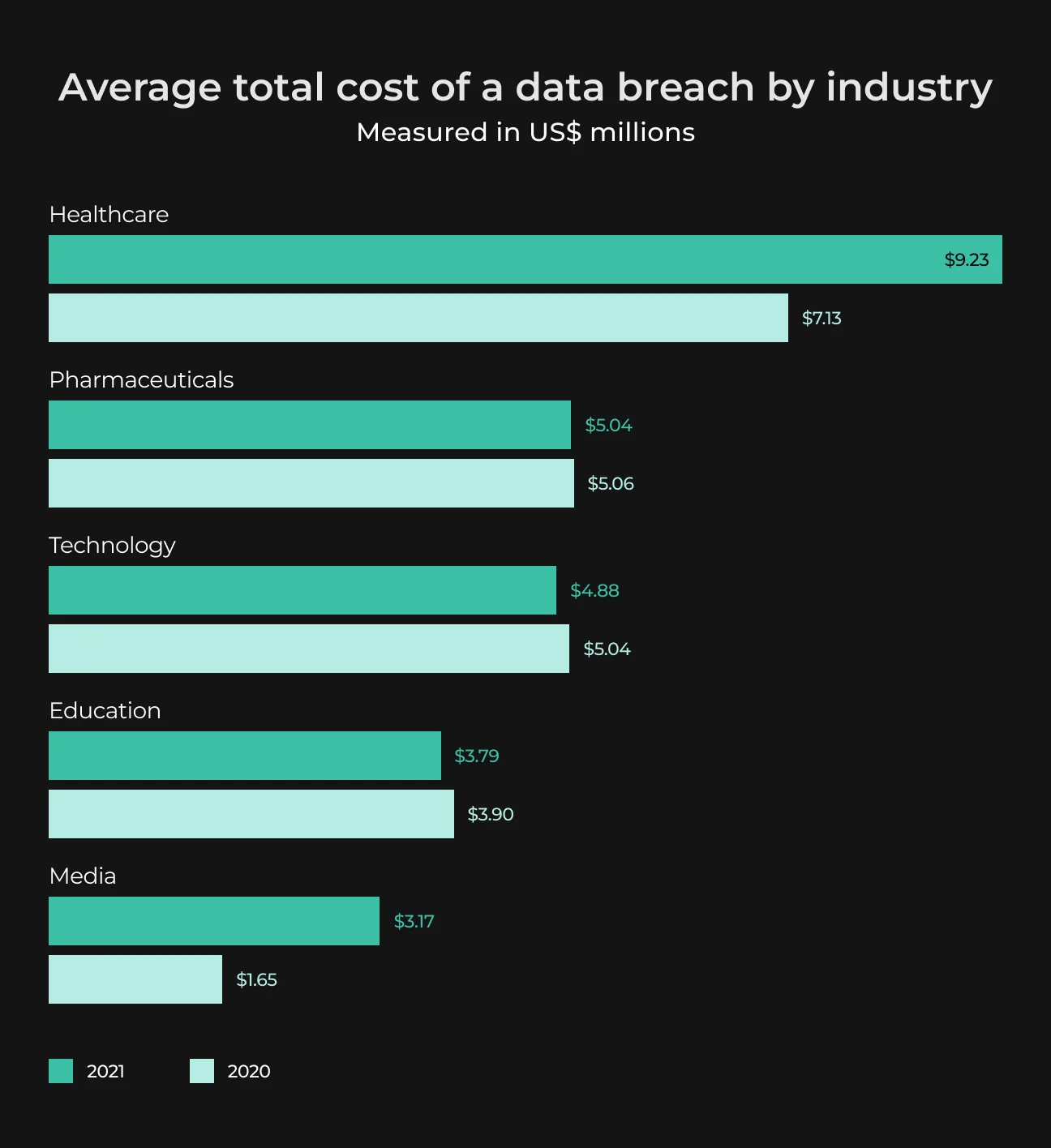
Strict regulations such as HIPAA in the US and GDPR in Europe add complexity.
AI workflows often involve cloud processing, cross-department data exchange, or third-party vendors, each introducing additional risk points.
How to Mitigate this Challenge
Security needs to be embedded from the start. A “privacy by design” approach ensures encryption, access control, and audit tracking are part of every stage of data handling.
Patient data should remain encrypted both in transit and at rest, with access limited to verified personnel through integrated identity management systems.
Regular security audits and penetration testing help identify new vulnerabilities as systems evolve. Some organizations also apply federated learning, where models train across multiple institutions without moving raw data, reducing exposure while still using large datasets.
5. Poor Data Quality
AI performance depends directly on data quality, and healthcare data is often inconsistent. Records may include missing values, outdated entries, or errors in free-text notes.
Differences in formats and standards across systems make aggregation difficult. A 2025 World Economic Forum report links most clinical AI failures to data quality issues.
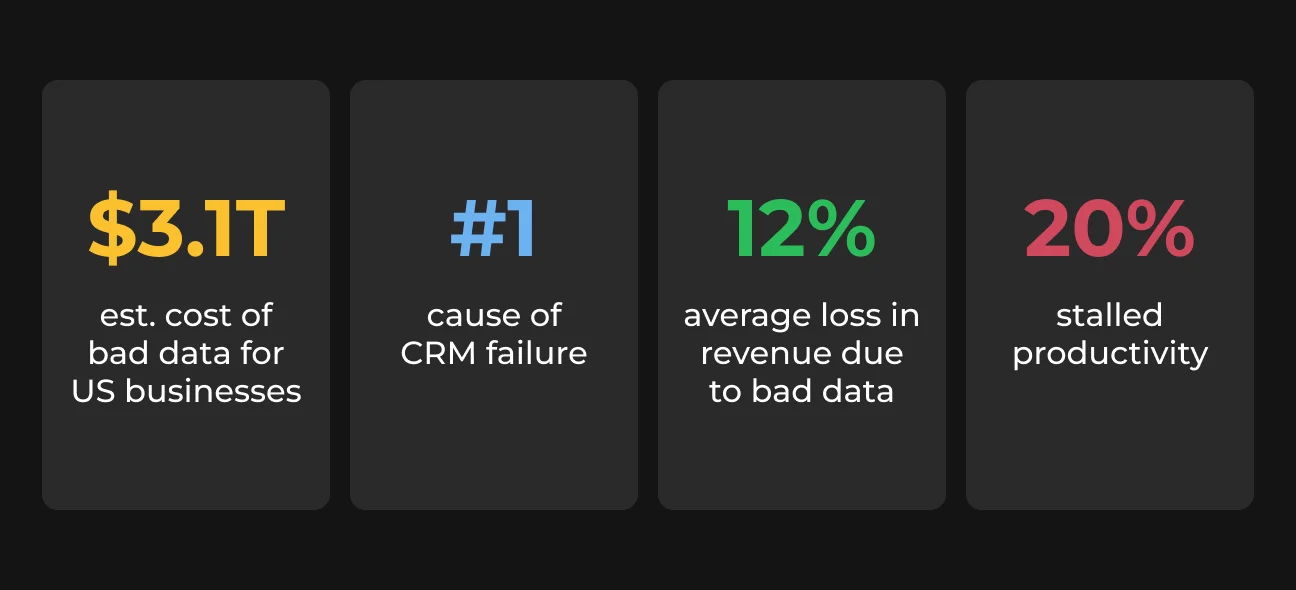
Low-quality data leads to unreliable outputs. Models may misclassify patient risk or fail to generalize beyond narrow datasets — a classic “garbage in, garbage out” scenario.
How to Mitigate this Challenge
Strong data governance is the foundation. Organizations need to audit and clean datasets before training models, removing duplicates, correcting errors, and validating records with clinical input. Standardization also plays a key role — using consistent coding systems like SNOMED CT or LOINC improves interoperability.
Upstream improvements matter as well.
Training staff on accurate data entry and refining EHR interfaces reduces errors at the source. Where gaps exist, additional data or augmentation techniques can help, though they require careful validation to avoid introducing bias. Continuous monitoring after deployment helps detect data drift and maintain model reliability over time.
Implement AI into Your Healthcare Organization
SapientPro's engineers will help you comply with all the regulations.

6. Algorithmic Bias and Fairness
AI algorithms can inadvertently perpetuate or even amplify biases in their training data. In medicine, this translates to potential unfairness among patient groups.
A high-profile study found that an AI system used cost of care as a proxy for illness severity, which caused it to underestimate the health needs of Black patients (who had previously incurred less healthcare cost due to access barriers, not because they were less sick).
Bias can creep in through many channels:
- Biased data sets;
- Unconscious social biases (like training data reflecting historic under-treatment of certain groups);
- Design choices in the algorithm itself.
The risk is clinical – a biased AI can misdiagnose or undertreat those in need, leading to real harm.
How to Mitigate this Challenge
Reducing AI bias in healthcare requires attention across the full lifecycle of the model. Human oversight plays a central role, especially during validation.
For example, diverse clinical teams can review AI outputs to detect unfair patterns before deployment. Some organizations formalize this through ethics committees that evaluate models against defined fairness criteria.
Technical adjustments alone are not enough. Teams need clear processes for regular evaluation of outcomes across different patient groups, along with training on ethical AI practices. With consistent monitoring and accountability, healthcare organizations can limit bias and avoid reinforcing existing disparities.
7. Legacy System Integration
Most hospitals still rely on legacy IT systems — older EHRs, lab platforms, and scheduling tools. Integrating AI into this environment is rarely straightforward. Data often sits in silos, stored in incompatible formats, and requires significant preprocessing before it becomes usable for models.
Many legacy systems lack modern APIs or rely on proprietary interfaces, which complicates data access. Infrastructure can also be a constraint, as older systems may not support the compute or storage demands of AI workloads. Workflow fit matters as well. If AI tools do not integrate directly into existing clinical software, adoption tends to stall.
Interoperability remains a broader industry issue. Standards like HL7 FHIR are gaining traction, but full alignment is still limited. Resistance from staff adds another layer, especially when new tools disrupt familiar workflows or add friction.
How to Mitigate this Challenge
A practical approach starts with compatibility. AI solutions should align with widely used standards like HL7 FHIR and common data formats to reduce custom integration effort. Many healthcare businesses introduce a middleware or API layer that allows AI systems to exchange data with legacy platforms without modifying core systems. This creates a stable integration point and reduces risk.
Data standardization also plays a key role. Centralizing and cleaning data through unified storage layers makes it easier for models to operate consistently. Instead of large-scale rollouts, teams usually move in phases — starting with smaller integrations, testing data flows and workflows, and expanding gradually. This helps resolve issues early without disrupting operations.
8. Lack of Transparency and Explainability
Many advanced AI models operate as “black boxes,” producing outputs without clear reasoning. In healthcare, this creates friction. Clinicians need to understand why a system flags a patient or recommends a course of action, especially when decisions affect treatment.
Without visibility into how conclusions are reached, trust drops. Clinicians may hesitate to rely on AI if they cannot justify its recommendations to themselves or to patients. From a regulatory perspective, transparency also links directly to accountability — systems must be auditable in case of errors.
There is also a practical risk: hidden biases or flaws can remain unnoticed until they lead to failure. At the same time, improving explainability often involves trade-offs. Simpler models are easier to interpret but may lack accuracy, while more advanced models tend to be less transparent.
How to Mitigate this Challenge
Improving explainability starts with model selection. In high-risk scenarios, organizations often prioritize models that provide clearer reasoning, even if they are less complex. When advanced models are required, additional interpretation layers can help surface key drivers behind predictions.
Equally important is how results are presented. AI outputs should include concise, human-readable explanations within existing workflows.
For example, instead of showing only a risk score, systems can highlight contributing factors such as changes in vital signs or relevant patient history. This supports validation and makes AI outputs easier to act on in clinical settings.
9. Regulatory Oversight
The legal framework governing AI in healthcare is a challenge, as organizations must aim at a moving target. In certain countries, AI-based software for clinical applications can fall under medical device regulations.
Moreover, regulatory hurdles AI healthcare are hardening. According to Stanford's 2025 AI Index, references to AI in healthcare legislation around the world have skyrocketed as regulators grapple with ensuring patient safety and ethical use.
The uncertainty can slow down innovation. Companies and hospitals don't know how to get AI cleared for use, or fear liability in uncharted regulatory terrain.
How to Mitigate this Challenge
The best approach is to have a positive, collaborative mindset toward regulation. Keep your compliance and legal teams apprised from the very initiation of any AI project. They should identify which rules apply. It is also useful to involve regulators early.
Some companies participate in the FDA's precertification pilot programs or talk to regulatory consultants to obtain the approval pathway elucidated. Globally, monitor and plan for emerging legislation like the EU AI Act that requires greater AI transparency healthcare and risk assessment.
10. Validation Challenges
Unlike traditional software, AI systems can shift in performance over time.
Models trained on historical data may behave differently when exposed to new patient populations or evolving clinical conditions. This makes validation more complex, often requiring large-scale studies similar to clinical trials to confirm safety and effectiveness.
Validation also extends beyond model accuracy. An AI tool must prove its value within real workflows — improving outcomes or efficiency without introducing new risks. This requires clear metrics and ongoing measurement, not just theoretical performance.
At the same time, thorough validation demands significant time and resources. This often clashes with pressure to move innovations into production quickly, while industry-wide standards for AI validation remain inconsistent.
How to Mitigate this Challenge
A structured, lifecycle-based approach helps manage this complexity.
Validation should begin with extensive testing on historical data, followed by controlled simulations that reflect real clinical conditions. Before full deployment, many organizations introduce AI in limited settings — either in a single department or in “shadow mode,” where outputs are reviewed but not acted on.
During this phase, teams track key metrics such as accuracy, error rates, and clinician feedback. Defining success criteria early — whether tied to patient outcomes, detection rates, or workflow efficiency — keeps evaluation grounded in practical impact.
After deployment, validation continues. Regular audits, performance monitoring, and feedback loops help detect drift and maintain reliability as conditions change.
Benefits of AI in Healthcare
Despite real risks, AI continues to deliver measurable improvements in care quality, efficiency, and cost control when implemented correctly.
Enhanced Diagnostic Precision and Early Detection
AI models analyze imaging, lab results, and patient history faster than manual review, helping detect conditions like cancer or cardiovascular disease at earlier stages, where outcomes are typically better.
Better Operational Efficiency
Automation of routine tasks — such as scheduling, documentation, and data entry — reduces administrative workload and allows clinicians to focus more on patient care.
Personalized Medicine and Improved Outcomes
AI enables treatment plans tailored to individual patient profiles by analyzing genetics, lifestyle, and clinical data, leading to more targeted therapies and improved results.
Faster Research and Development
AI accelerates drug discovery and clinical research by identifying patterns in large datasets, reducing the time required to move from hypothesis to validated outcomes.
Continuous Monitoring and Patient Engagement
AI-powered tools and wearables track patient health in real time, enabling earlier intervention and encouraging patients to stay actively involved in their care.
Improved Medical Billing and Revenue Cycle Management
AI streamlines coding, claims processing, and fraud detection, reducing errors and improving financial performance for healthcare providers.
Future Trends in AI Healthcare Integration
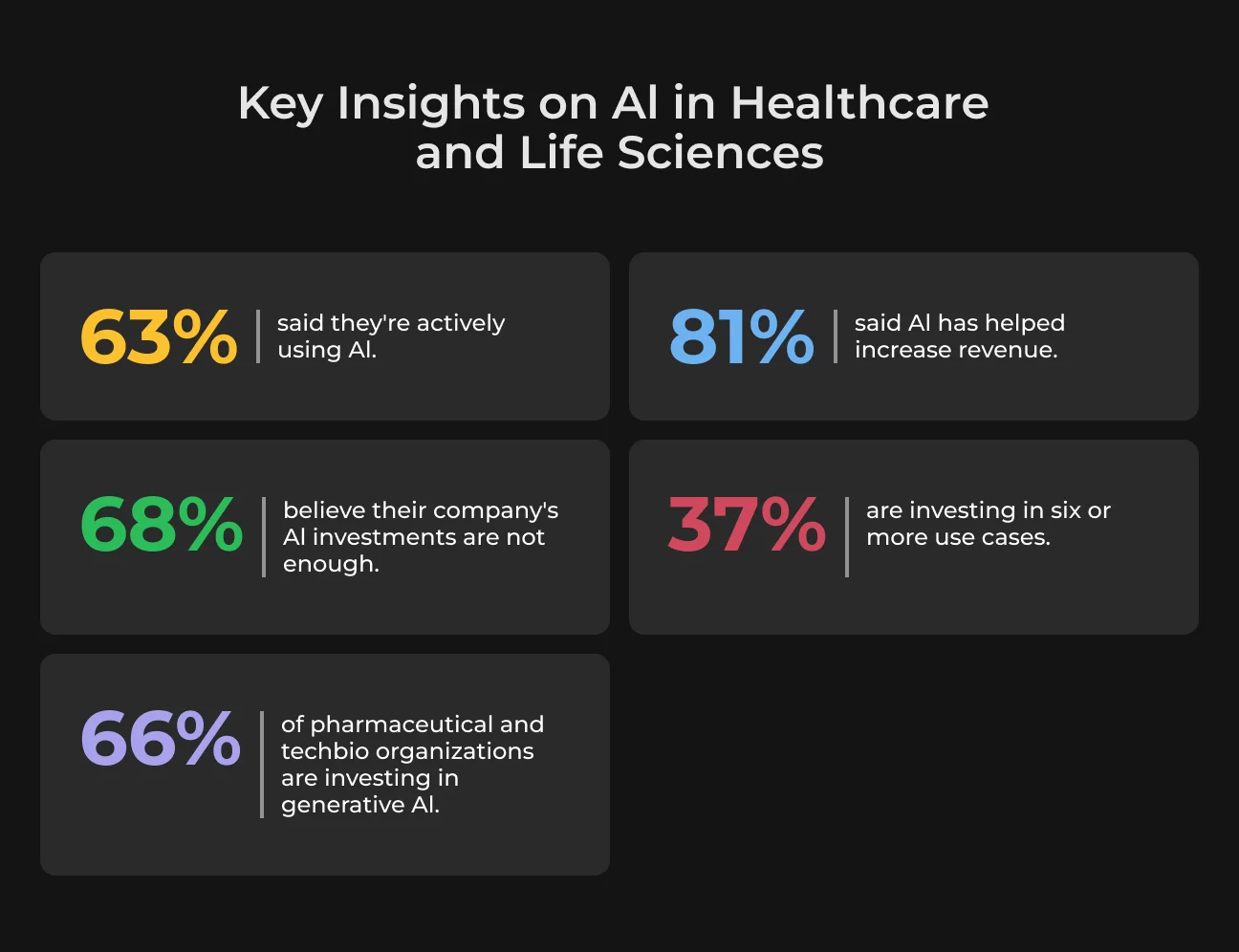
The global AI healthcare market is growing fast. It is estimated at $39 billion in 2025 and projected to exceed $500 billion by 2032, with a 44% CAGR. For healthcare executives, several trends are especially important. Let’s take a look at them based on Nvidia’s AI in healthcare report.
Mainstream Adoption and ROI Focus
AI is moving from experimentation to measurable business value. In a 2025 survey of healthcare leaders, 86% said AI is central to their organization’s future, while 83% believe it will transform healthcare within the next three to five years.
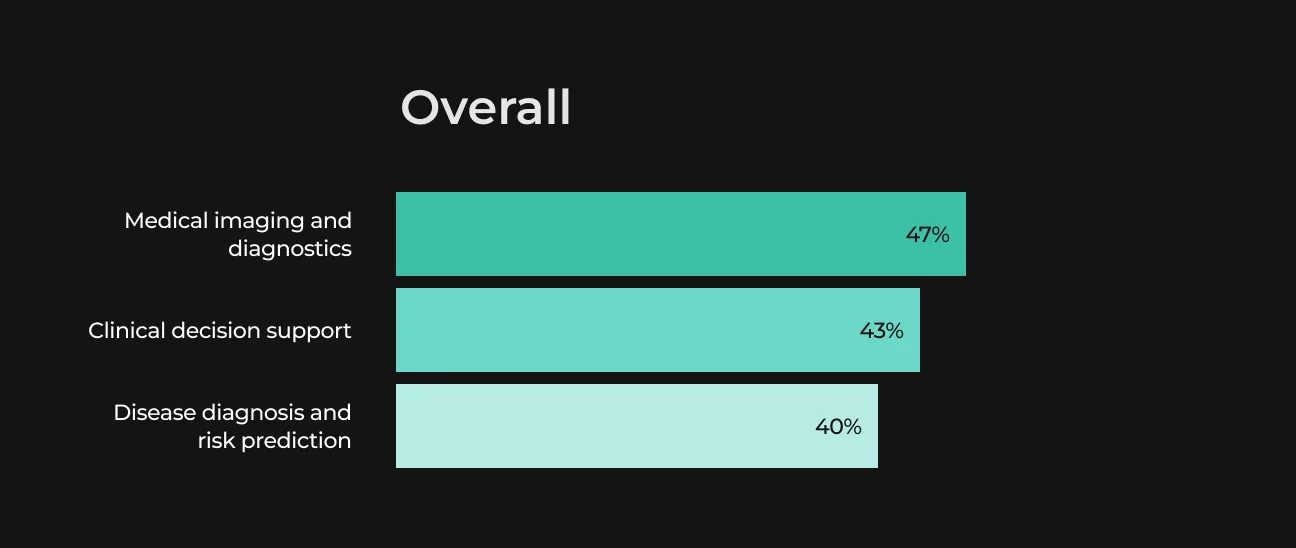
The financial case is becoming clearer as well. 81% of surveyed organizations reported higher revenue from AI initiatives, and 73% reported lower operating costs. As a result, nearly 80% plan to increase AI spending in 2025.
Generative AI and Advanced Analytics
Generative AI is becoming a practical tool for clinical and administrative work. In 2025, more than 70% of digital health companies were already using it for tasks such as clinical documentation, patient communication, and internal reporting.
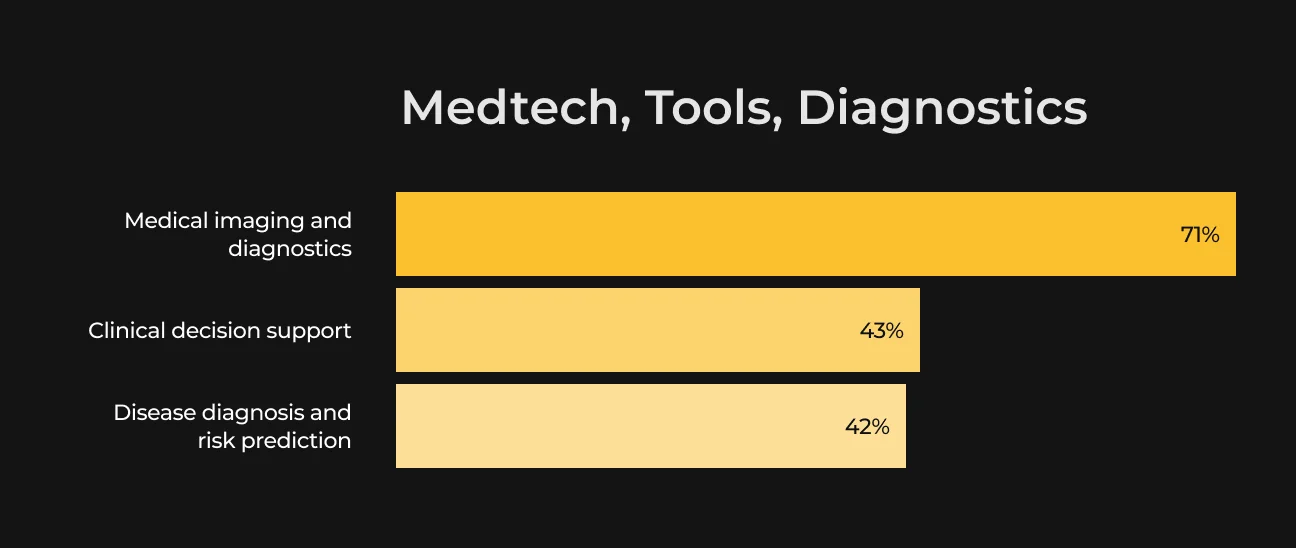
This trend will likely expand into AI-assisted coding, smarter chatbots, and draft generation for clinical notes, discharge summaries, and research materials.
Agentic AI and Autonomous Systems
The next stage of AI integration will include more agentic systems — AI tools that can complete multi-step tasks within defined limits. In healthcare, these systems may support care coordination, administrative workflows, and hospital operations.
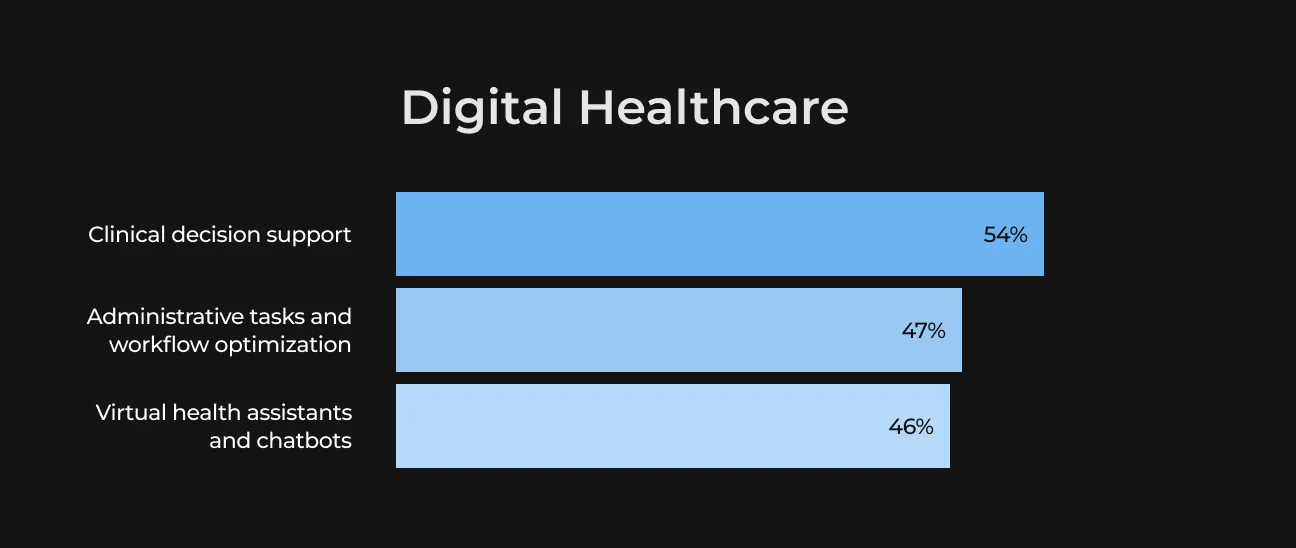
Physical AI is also advancing through robotics, from AI-assisted surgical systems to service robots that help with logistics and patient support.
Stronger Regulatory Pressure
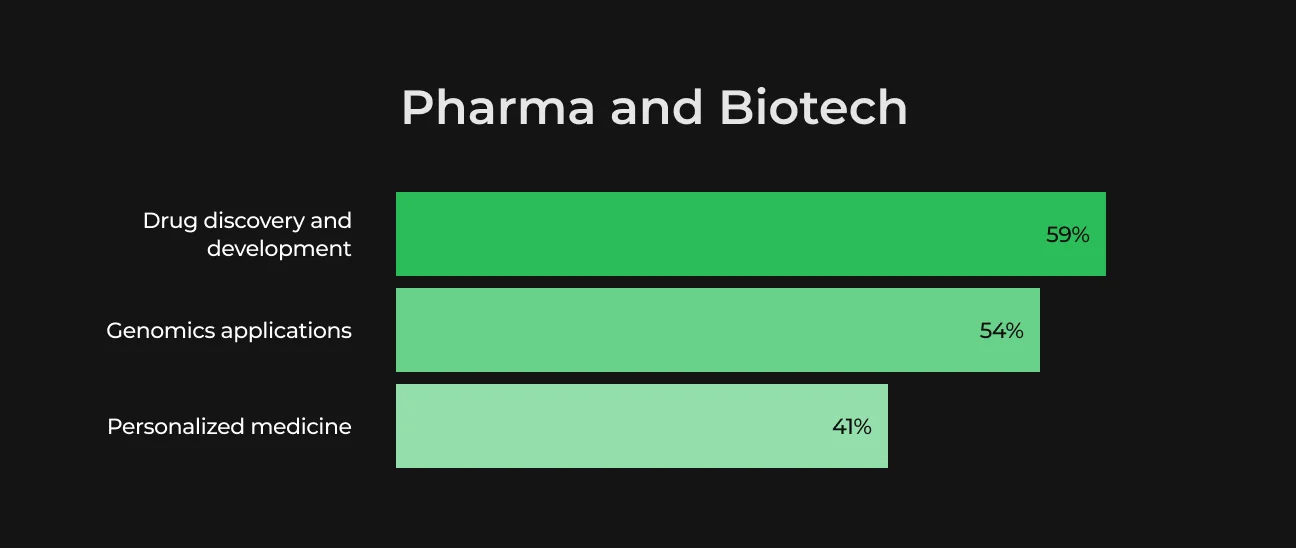
AI regulation is becoming more active worldwide. Since 2016, mentions of AI in legislation have increased ninefold. Over the next few years, healthcare organizations should expect clearer and stricter rules from bodies such as the FDA and under frameworks like the EU AI Act.
This will place more emphasis on transparency, risk management, clinical validation, and ethical AI governance.
Deeper Clinical Integration
AI will become a more routine part of clinical pathways. Risk scores, decision-support alerts, and predictive insights may appear directly inside EHR systems alongside vital signs and lab results.
In practice, AI will shift from a separate tool to an embedded layer within care delivery, helping clinicians make faster and more informed decisions without leaving their usual workflows.
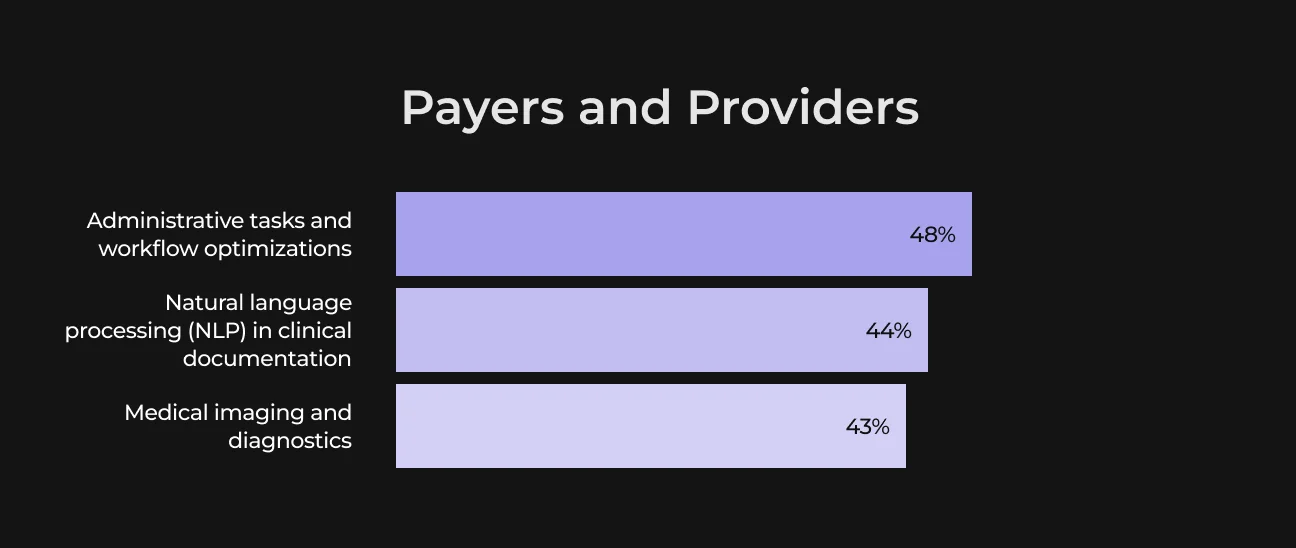
Healthcare executives need to track these trends closely, as they will shape investment priorities, compliance requirements, and competitive positioning over the next decade.
Codebase Consolidation for MedischeScholing Platforms
SapientPro partnered with MedischeScholing, a Dutch platform for healthcare professionals, to modernize and unify its digital ecosystem. The client operated two separate systems — a learning portal and a shift-booking platform — which created duplication, higher maintenance costs, and slower feature delivery.
The project focused on consolidating both platforms into a shared backend architecture.
SapientPro restructured the codebase to eliminate redundant logic, making development more efficient and scalable. At the same time, the team introduced custom modules tailored to each system, expanding functionality without compromising maintainability.
Ongoing backend optimization improved system performance and simplified future updates. This approach allowed MedischeScholing to roll out new features faster while reducing technical overhead.
Key results:
- Unified backend across two platforms;
- Reduced duplication and maintenance effort;
- Faster feature development and deployment;
- Improved system stability and performance;
This case highlights how SapientPro helps healthcare platforms streamline architecture, scale efficiently, and support long-term product growth.
Partner with SapientPro to Leverage AI in Healthcare
SapientPro works with healthcare organizations to turn AI initiatives into production-ready solutions. Our team covers the full cycle — from data engineering and custom model development to integration within complex clinical systems.
We focus on practical outcomes: secure data handling, reliable model performance, and smooth integration with existing workflows. Experience across regulated domains like healthcare and insurance helps us address compliance, risk, and governance without slowing delivery.
Looking to implement or scale AI in healthcare?
Let’s talk and map out a solution that fits your systems and goals.
Get Compliant AI solutions for Healthcare
SapientPro's team will help you improve workflows within modern legal requirements.