All POS Technology Trends in Retail & Hospitality: AI Agents, Integrations, and Dynamic Pricing
November 12, 202520 min read


The high-tech point-of-sale systems of today are now the central focal points that perform a great deal more than simply processing payments. Indeed, the worldwide POS market was approximately $29 billion in 2023 and will proceed to surpass more than $110 billion by 2032. Such explosive growth is driven by trends such as mobile POS, cloud-based services, increasing adoption of digital payments, etc.
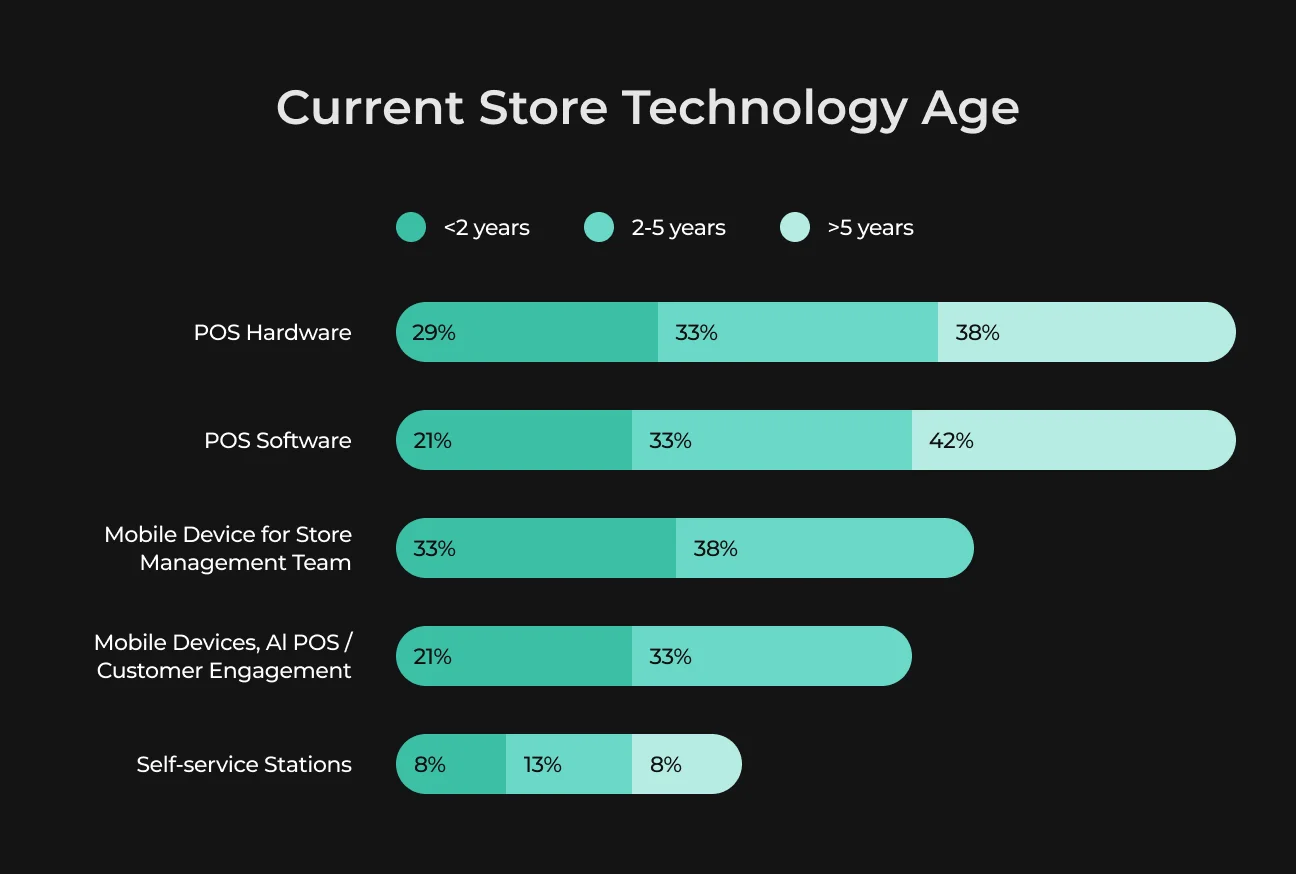
Only 21% of retailers are running POS software two years old or newer. This indicates a huge opportunity for upgrades. The following are the latest POS technology trends revolutionizing retail, hospitality, and more, with fresh statistics and actual examples of innovative point-of-sale systems.
Key Takeaways
- Cloud-based POS and mobile devices are overtaking legacy on-prem systems;
- Self-service kiosks, smart kitchen displays, and IoT-connected devices (like smart shelves) are improving efficiency and customer convenience;
- Shoppers expect contactless NFC payments, mobile wallets (Apple Pay, etc.), and even options like Buy Now Pay Later or cryptocurrency at checkout;
- Impressive POS technology trends include biometric logins (fingerprint, facial ID), tokenization to protect data, and e-receipts;
- These AI tools, like voice assistants and chatbots, automate ordering (e.g. drive-thru voice AI), flag fraud or anomalies instantly, and interact with customers for a faster, smarter service experience;
- POS solutions act as a central hub connecting online and offline channels;
- Innovative point-of-sale systems comes with features for reservations (in restaurants or hotels), self-service check-ins/outs, advanced inventory management, easy returns/exchanges across channels, etc;
- Businesses are opting for SaaS POS solutions with lower upfront costs (hardware included) and flexible monthly or per-transaction fees.
1. Cloud Adoption
Arguably most significant is the widespread adoption of cloud-based point-of-sale systems. Compared to traditional on-premise POS systems, which are tied to a store server, cloud POS systems allow access to sales and inventory anywhere there is an internet connection. The global cloud point of sale software market is booming, with estimates for nearly 25% CAGR growth from $6.19B in 2024 to $45.2B by 2031.
Cloud functionality is now a top priority for restaurants. 71% of 2023 hospitality technology survey participants selected integration and cloud-based operations as key features for their custom-developed POS software.
Cloud POS tends to be bundled with mobile POS, using tablets or smartphones as terminals. Mobile POS lets workers ring up customers at the floor or table in a restaurant without being tethered to a counter. It's going mainstream. Wireless POS devices lead with a 50% share in product types, while the restaurant sector accounts for 18% of applications in 2025.
Retailers, in turn, are catching up, equipping clerks with iPad-like checkout terminals that dismantle checkout lines. The appeal is clear: virtual POS is easier to deploy (usually plug-and-play applications), cheaper initially through subscription models, and delivers always-available backup and synchronization of data.
Cloud POS was a nice-to-have – now it's a must-have for any serious retailer who wants to go omnichannel. Being able to log in from anywhere and have access to up-to-the-minute sales or inventory is a game changer.

Taras Hanych
2. AI-Powered Data Analytics
Each transaction provides rich data on sales patterns, inventory stock, and buyer behavior. The new frontier is applying AI and ML to transform this deluge of POS data into actionable intelligence. In 2022, 86% of restaurants reported that they use POS data to drive decisions on promotions, menus, and loyalty programs. This emphasizes the importance of analytics for point-of-sale technologies today.
AI-powered analytics automatically offer users POS data to reveal trends and opportunities that human eyes may struggle to see. For example, AI algorithms analyze history in sales to accurately forecast next week's or next season's demand, allowing companies to get the most out of stock levels and reduce waste.
AI segments customers by purchasing behavior, too, so that very targeted marketing promotions are presented at checkout or via digital receipts. A fashion clothing store can have a POS that suggests relevant add-on items based on what is in a customer's basket (like e-commerce recommendations, but in the brick-and-mortar).
Another benefit is real-time dashboarding and alerting. With AI, a manager could be immediately alerted if sales in a store drop suddenly below projection on a given day or if certain products sell out faster than expected so that they can reorder in time. AI can even help determine staff levels by comparing busy periods from the POS history. The result is an operation more data-driven at every level.
3. Modern POS Hardware
In 2023, 40% of retailers were still using POS equipment older than 5 years. Migrating to new terminals can significantly contribute to speed and customer satisfaction. Think lightweight touchscreen terminals, convertible tablets, and smartphone-based card readers.
For example, Apple was the initial company to implement having staff ring up customers on iPhones. Similar mobile POS units are being employed by numerous fashion and big-box retailers to eliminate waiting time. Among other strong POS technology trends, we embrace the increasing use of self-service kiosks and other customer-facing equipment.
Self-service POS is the norm at most quick-service restaurants (QSRs) and even grocery stores these days. This POS technology trend is gaining momentum thanks to both manpower shortages and consumer pressure. In retail, self-checkout has become nearly ubiquitous – 86% of American adults have used a self-checkout, and 77% of them prefer it for a faster experience.
Retailers are responding by installing more kiosks. Over 217,000 self-checkout kiosks were sold globally in 2023. Likewise, at restaurants, the self-service kiosk part of POS is the fastest-growing, with 9.5% annual growth expected. Customers prefer the control and speed, and businesses save labor costs and are able to redeploy people to more valuable roles.
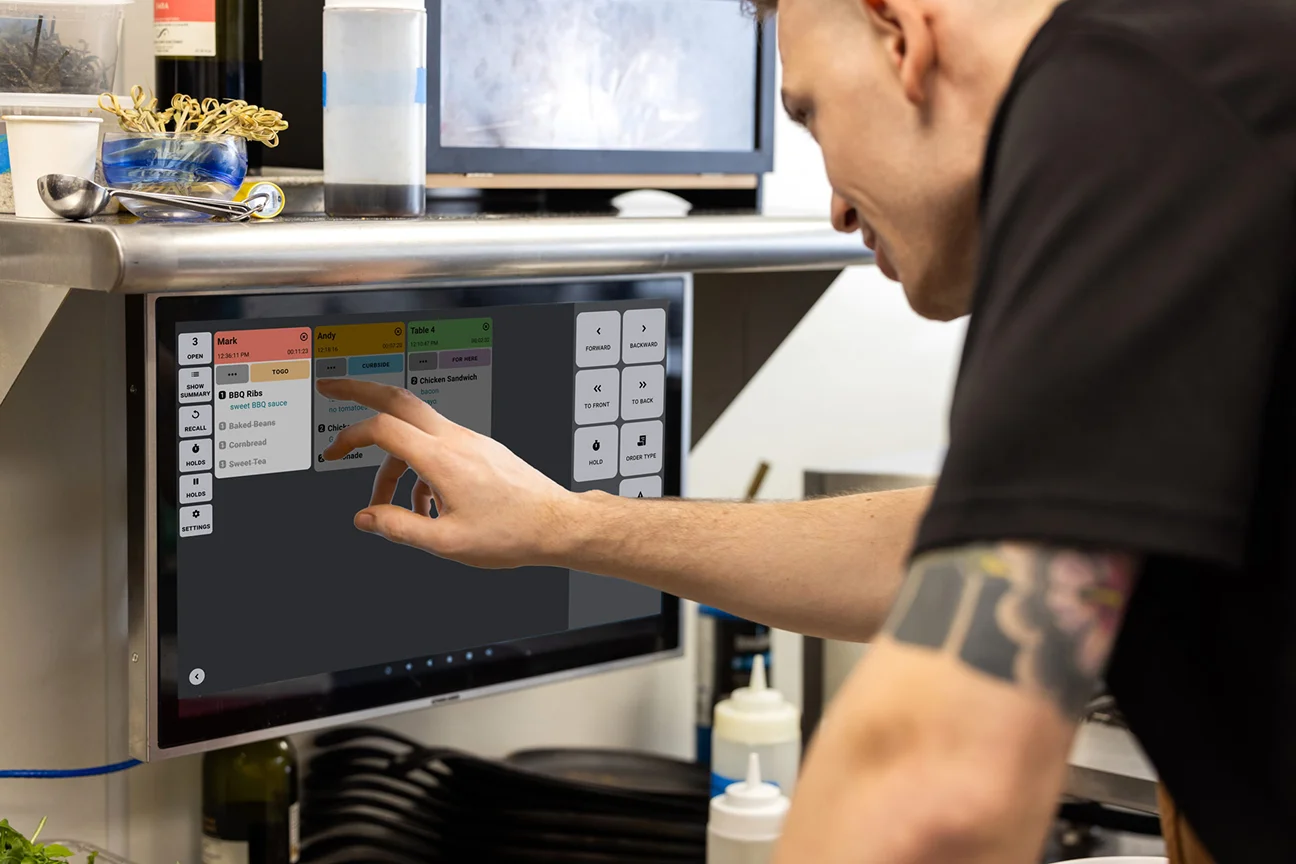
There are more hardware POS innovations with specialized devices for specialized uses. In restaurant kitchens, Kitchen Display Systems (KDS) are replacing printers – orders from the POS flash up on digital displays for chefs to improve accuracy and timing. These displays even alert servers when a dish is ready, streamlining back-of-house workflow.
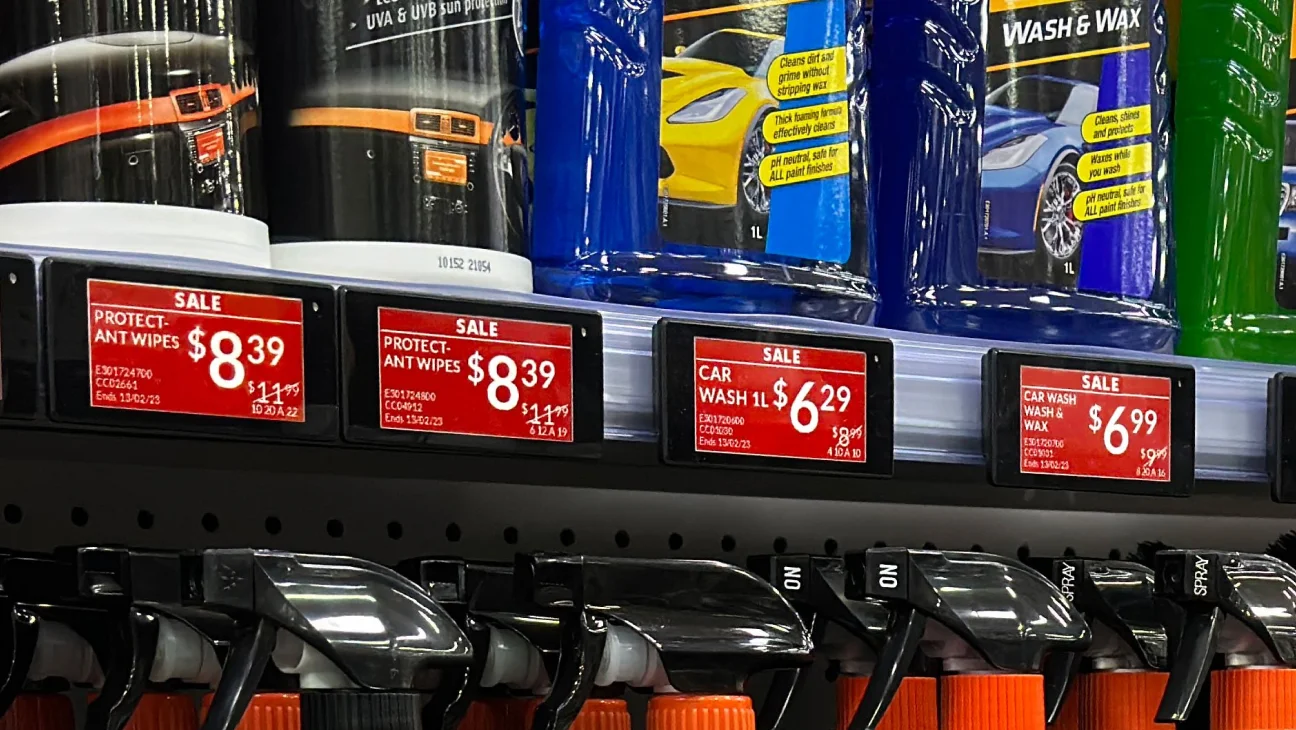
We’re also seeing electronic shelf labels in retail – small digital price tags on shelves that update prices in real time from a central POS/database. They enable dynamic pricing and eliminate manual tag changes.
Furthermore, advanced POS hardware is increasingly IoT-enabled. Smart weight scales, sensors, and scanners can send data directly into the POS. Wendy's, for instance, is launching smart delivery pickup scales that weigh out orders to ensure every item is in the bag, and the POS catches any discrepancy.
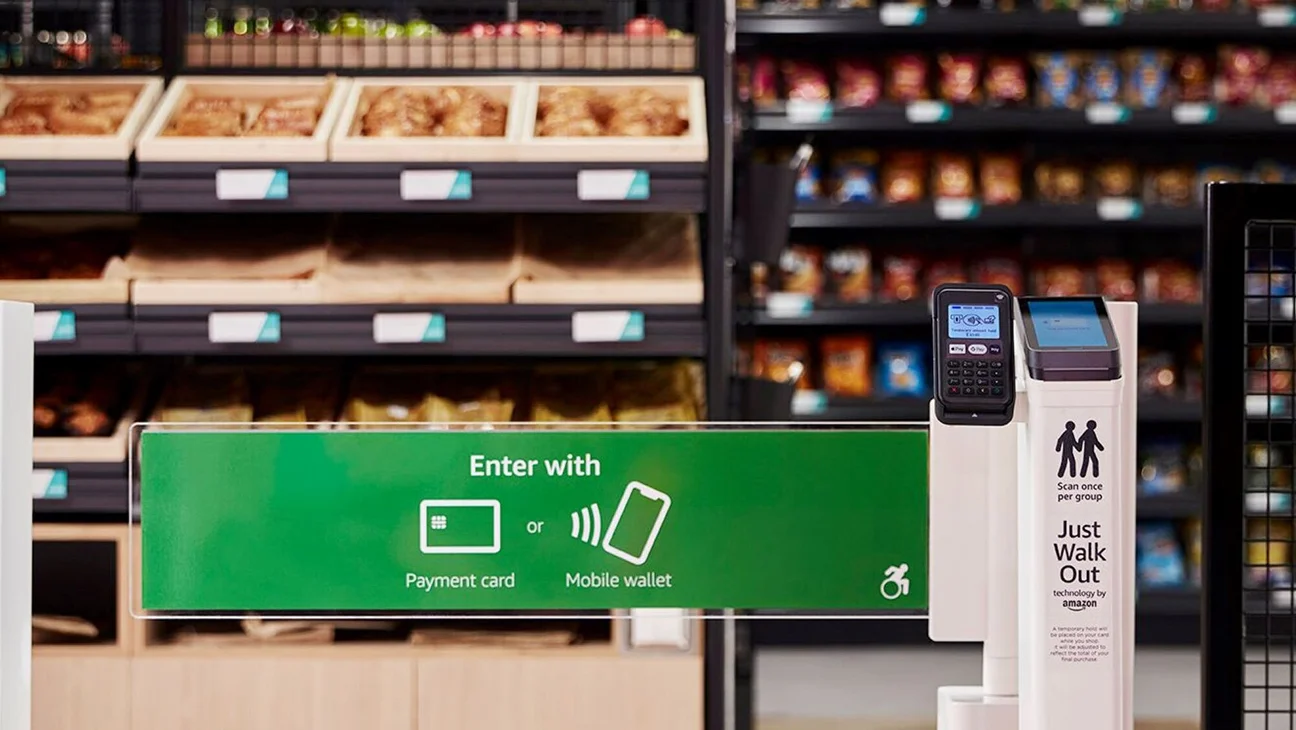
We should also count Amazon's Just Walk Out stores. They use cameras and shelf sensors to watch you pick up, then charge your account automatically with no conventional checkout.
4. Additional Payment Methods
The latest point-of-sale technology accepts other types of payments, except for magnetic swipe or cash. Digital wallets and credit cards were the go-to online payment methods in 2024 around the globe. And that retail POS trend continues in-store as well. In 2024, Statista asked U.S. consumers about “biggest contactless payment brands at POS” and found that “Cash App” takes the top spot.
From a commercial perspective, the ability to accept more types of payments can attract customers who prefer them. But that also means more complexity in payment processing and reporting. Merchants must choose processors/gateways that are appropriate for their use (or Stripe, PayPal, banks, or crypto processors) and ensure that the POS can securely handle multiple channels.
NFC
Consumers enjoy the convenience and cleanliness of contactless NFC payments. As a result, all new point-of-sale terminals will be required to be NFC-enabled for tap-to-pay. In addition to contactless cards and phone wallets, merchants are also exploring other payment streams.
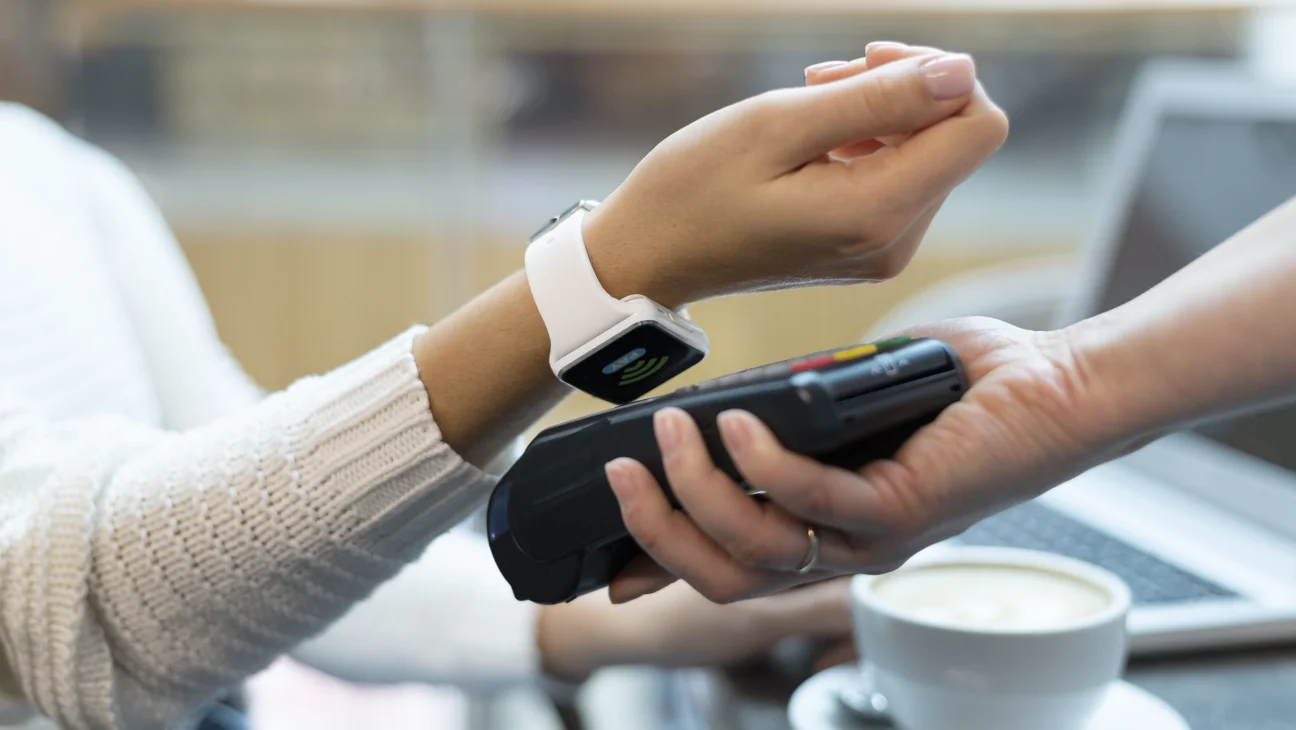
Wearable payments are a new way that's picking up pace. For example, wristbands and smartwatches with NFC enable one to pay with a tap of the wrist. These are favored in managed environments such as festivals, theme parks, or cruise ships – guests pre-load money on a wristband, and it becomes their cashless wallet. While not yet mainstream in retailing, NFC wristbands illustrate the way POS technology is adapting to emerging form factors for convenience.
Crypto
While still niche, there's momentum: as of early 2024, more than 6,000 businesses worldwide were accepting Bitcoin as payment. Major brands from fast food to luxury retail have run crypto payment pilots or partnerships (e.g. some Starbucks and Whole Foods locations accept crypto via third-party apps).
5. Enhanced Security
High-level hacks on sensitive data over the last few years brought attention to the threat posed by insecure POS networks. Modern POS security trends center on protecting both business and consumer via many mechanisms.
Biometrics
Replacing or complementing passwords and PINs with biometrics is gaining popularity. The new point-of-sale software can feature fingerprint readers, facial recognition, or even retina scanning for user login and manager authorization. An innovative point-of-sale system requires a manager's fingerprint for an override or void transaction, confirming the person being authorized. This greatly reduces the risk of insider fraud or a lost PIN being misused.
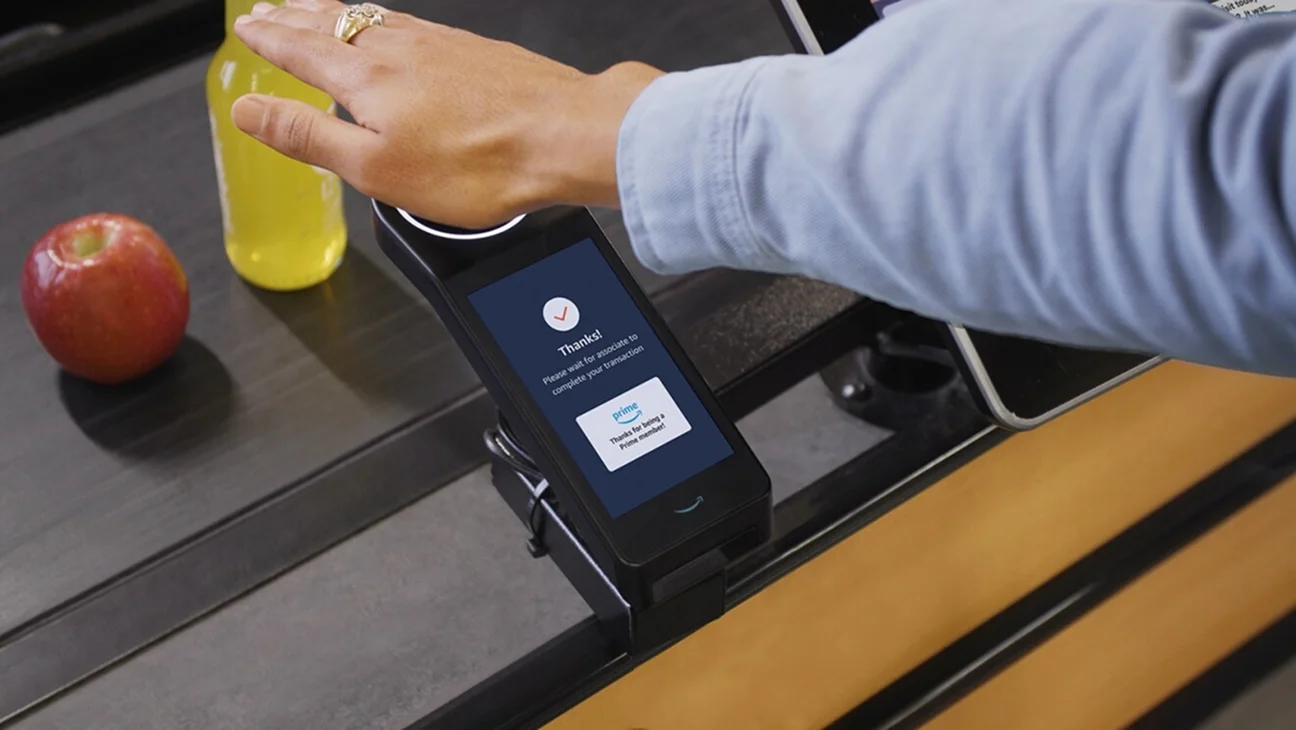
Likewise, some retailers have experimented with biometric payments – Amazon’s One palm-scanning payment in Whole Foods. Biometrics add an extra layer of security that's hard to fake, adding additional trust to point-of-sale transactions.
Tokenization
How does the card get dipped or tapped in 2025? New POS systems typically tokenize the card number. Actual card information is replaced with a random token value. The token is meaningless to hackers, protecting the real card number.
With terminal-to-payment processor end-to-end encryption, it greatly lessens the probability of breaches. Even if malware infects a POS terminal, it should not return any actual card numbers. The shift to EMV chip cards and PCI compliance in the past couple of years rendered such security table stakes for any new POS systems.
E-receipts
Instead of paper that can be lost or photocopied, a text- or email-delivered digital receipt provides the shopper and merchant with an untamperable record. Interestingly, already in 2020, 89% of shoppers reported that they'd prefer digital receipt options.
Apart from being eco-friendly, e-receipts facilitate secure confirmation (some have QR codes or links to confirm the purchase) and reduce touchpoints. They also generate post-purchase interaction possibilities – a receipt email can contain targeted promotions. From a security standpoint, electronic receipts facilitate returns (no more instances of counterfeit paper returns) and provide customers with proof of purchase at all times.
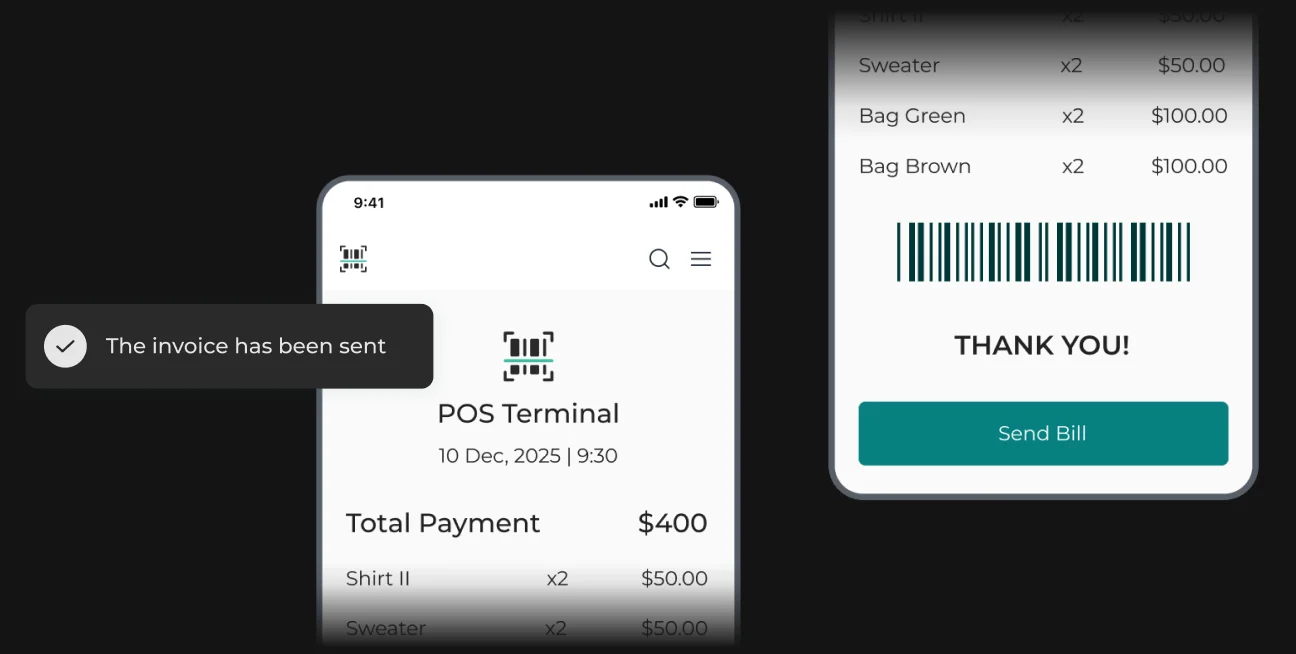
As of today, about one out of three merchants issues e-receipts, a number that increases annually. Paperless processes will be front and center in the future of POS systems.
6. AI Agents in POS Systems
An AI agent is an intelligent assistant who can interact, make choices, or perform actions as part of the POS process. This technology is used in two key approaches.
Voice-Activated Ordering
Wendy's, for instance, has launched an AI drive-thru voice agent (“Fresh AI”) that takes customers' orders via the drive-thru speaker. In 2024 test trials, this generative AI tool not only took orders but also made personalized suggestions to upsell (to increase average check size). The result was faster and more accurate ordering, as staff could focus their time on food preparation and fulfillment.
Wendy is not alone. Taco Bell, Zaxbys, Church’s Texas Chicken, and Bojangles were testing the same AI voice assistants.
Chatbots and Virtual Assistants
Within retail settings, AI-powered chatbots are linked with POS to assist customers. For instance, a shopper walking through a shop might have a conversation with a kiosk or messaging system to ask, “Do you have this shoe size 9?” – an AI agent linked to the POS/inventory database can check availability directly and respond. Some stores have rolled out in-aisle virtual assistants on touchscreens or mobile apps for product lookup, which talk to the POS database.
We’re seeing AI agents step in as virtual team members at the POS – from voice bots taking drive-thru orders to backend AI monitoring transactions for fraud. It’s like having an extra set of eyes and ears on every register, boosting efficiency and customer experience in tandem.

Max Tatarchenko
7. Business Integrations
A 2023 survey of retailers named omnichannel integration and order orchestration as the number one POS upgrade priorities (54% of respondents). Companies want their point-of-sale software completely integrated with e-commerce websites, mobile apps, third-party marketplaces, and more.
Online Ordering & E-Commerce
Restaurants and retailers both have had to rapidly add online ordering capabilities. For retailers, this means syncing stock in the POS with the online store – if sold in the physical store, it should match e-commerce stock levels (in order to prevent overselling). Likewise, in-store pickup of online orders needs to flow through the POS for effortless fulfillment.
Supermarket chains, for example, use POS-linked ordering systems to handle “click and collect” orders. In restaurants, online ordering of takeout and delivery was a lifeline over recent years. 99% of restaurants use at least one online ordering platform, and on average, most use three platforms.
Combining those services (Uber Eats, DoorDash, etc.) into the POS saves astronomical amounts of time and reduces mistakes. Instead of making workers retype orders from a tablet into the POS (and possibly entering mistakes), an integrated setup dumps the online order straight into the kitchen and POS stream.
Third-Party Services & IoT Devices
Loyalty and CRM systems tend to be tied together in a way that whenever a customer makes a payment, the POS gives rewards and refreshes the customer's profile with purchase history. Integration of accounting and ERP software means sales information automatically flows into finance systems, making bookkeeping a cakewalk.
In hotel hospitality, restaurant/bar POS is integrated with hotel property management systems (PMS). Сustomers charge meals against their room, and all the revenue is funneled properly.
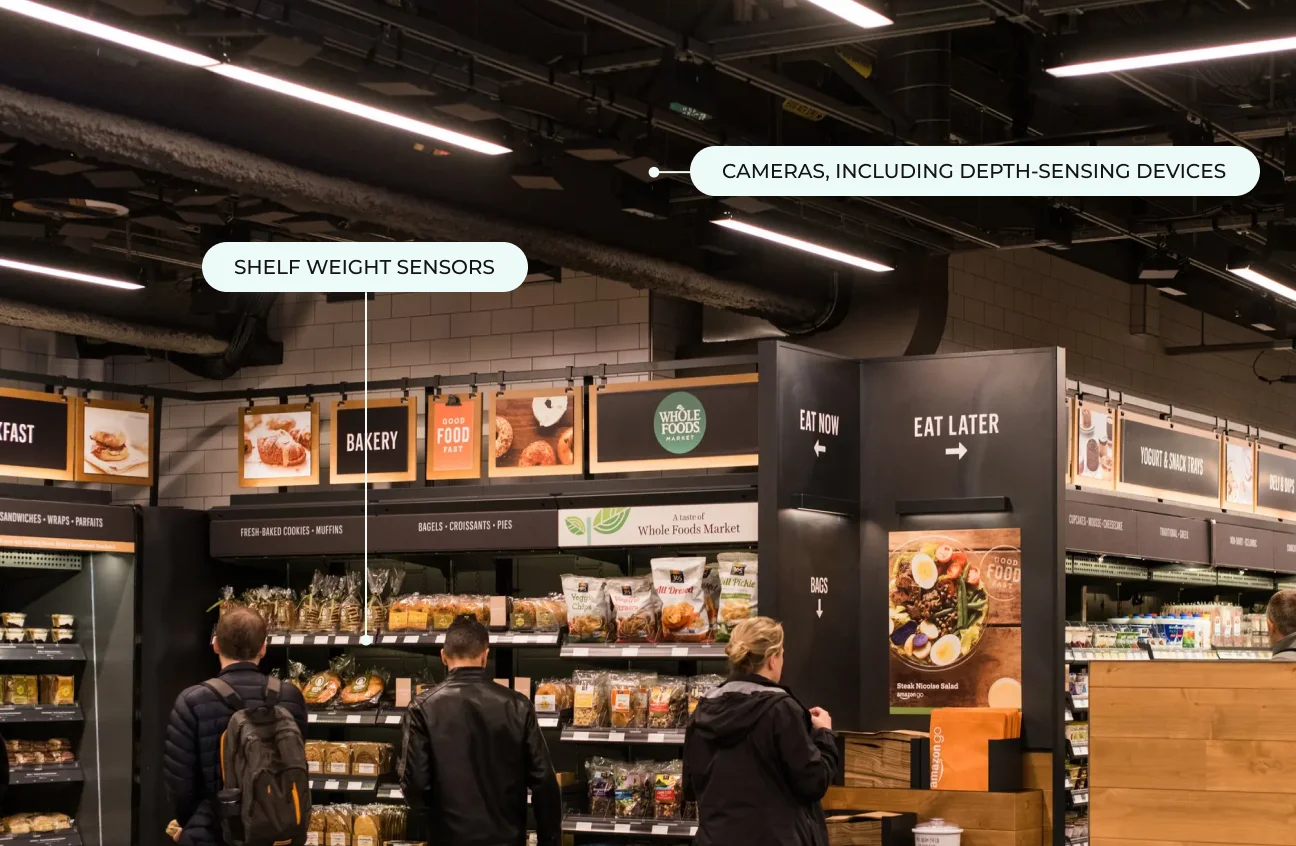
On the IoT end, we give the examples of shelf sensors and smart scales feeding into point-of-sale systems. Retailers integrate custom POS with smart IoT cameras, monitoring store traffic and reporting data to POS analytics (for conversion rate insights). Even things like electronic door counters or beacons that detect customer footfall can be tied into POS data to analyze how foot traffic converts to sales.
We’re also seeing POS integration guides from providers like OpenTable, which highlight the value of linking reservation systems to POS. Doing so can give valuable insights into guests’ spending, help status tables, and show revenue per diner.
8. Reservation Features
Particularly for hospitality (hotels, restaurants, salons), integrating reservations or appointment systems with POS is highly beneficial. 44% of diners say they find a restaurant less appealing and get frustrated if it’s difficult to make a reservation.
A restaurant automatically connects its table reservation software with its POS and assigns dining bills to reservations, providing details like turn times, no-shows, and average spend per reservation.
40% of restaurant owners in 2022 cited menu and recipe costing as the feature they want but their POS doesn’t have. In 2025, the majority of modern restaurant POS systems (like Toast and Square for Restaurants) feature table management or include integrations with reservation providers like OpenTable or Resy. That is increasingly the norm: if there's no native reservation capability, integration is necessary.
The payoff is improved guest service, with staff knowledgeable about who's visiting and whose birthday it might be (if a VIP), as well as operational efficiency (e.g., automatically freeing up a table in the system when the check is paid).
9. Self-Service POS Solutions
Self-service POS systems are self-checkout stations in supermarkets, self-ordering kiosks in restaurants, scan-and-go apps on a smartphone where the customer scans items and pays through their phone, etc. The driving forces behind this POS technology trend are convenience and speed for customers and efficiency and labor savings for businesses. In retail, self-checkouts have exploded in prevalence. You’d be hard-pressed to find a large grocery or big-box store that doesn’t offer some self-checkout stations.
Modern self-checkout POS systems are getting more and more advanced, with:
- Better computer vision to determine if there is an item scan issue;
- Weight sensors to combat shrinkage (the machine senses if the item was not packaged);
- AI to detect potential theft or mis-scans.
In fact, the North American self-checkout point-of-sale software market will double from $2.3B in 2024 to over $5B in a few years.
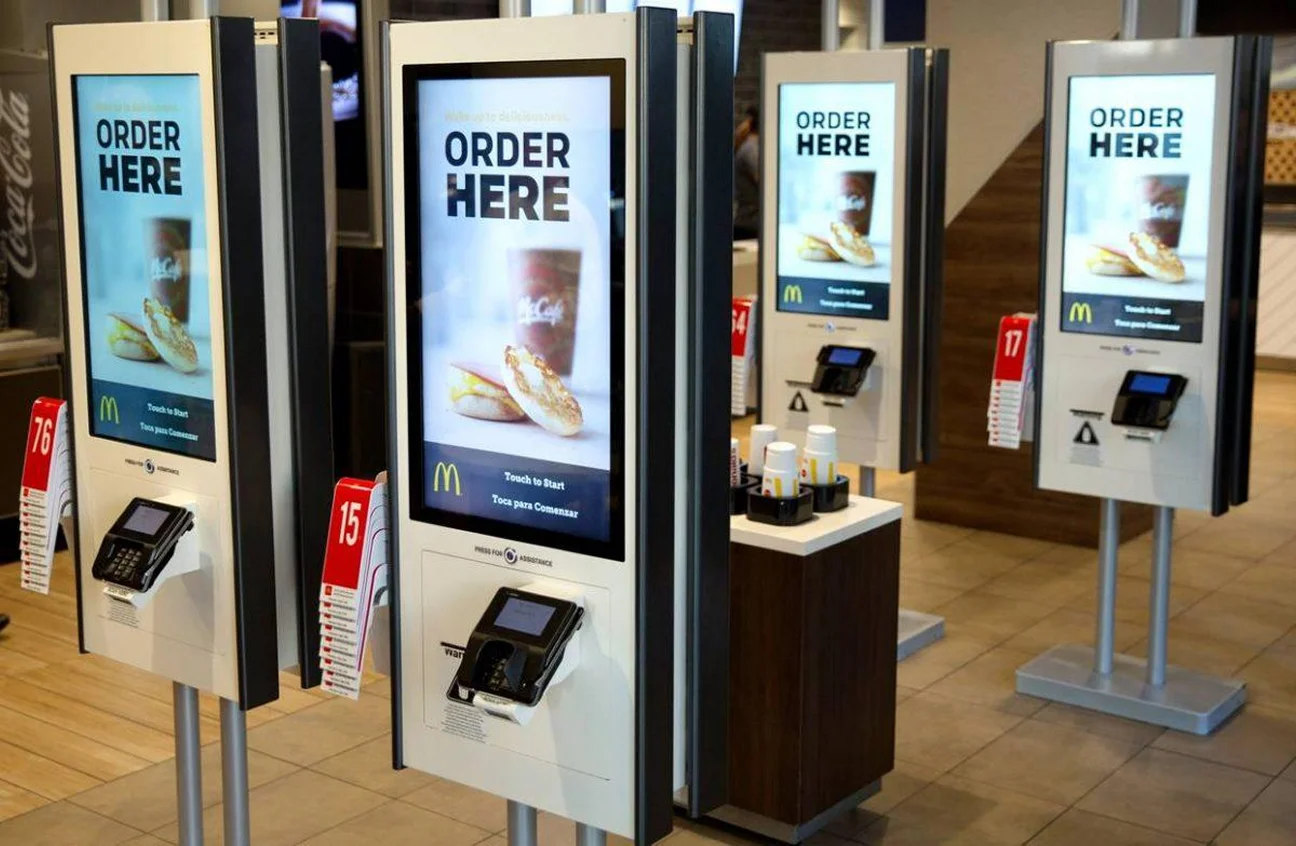
In hospitality and foodservice, self-service kiosks are becoming an industry norm, especially at fast-food and fast-casual restaurants. McDonald's, for example, introduced kiosks worldwide in 2018. Customers like customizing their orders on the touchscreens at their own pace.
Such kiosks have a tendency to ring up higher average order values, in part because consumers browse through the menu and add-ons without the constraint of time pressure. The kiosk is smart enough to upsell (“Add fries for $1?”). There are indications that such POS innovations boost sales and reduce wait times in busy locations.
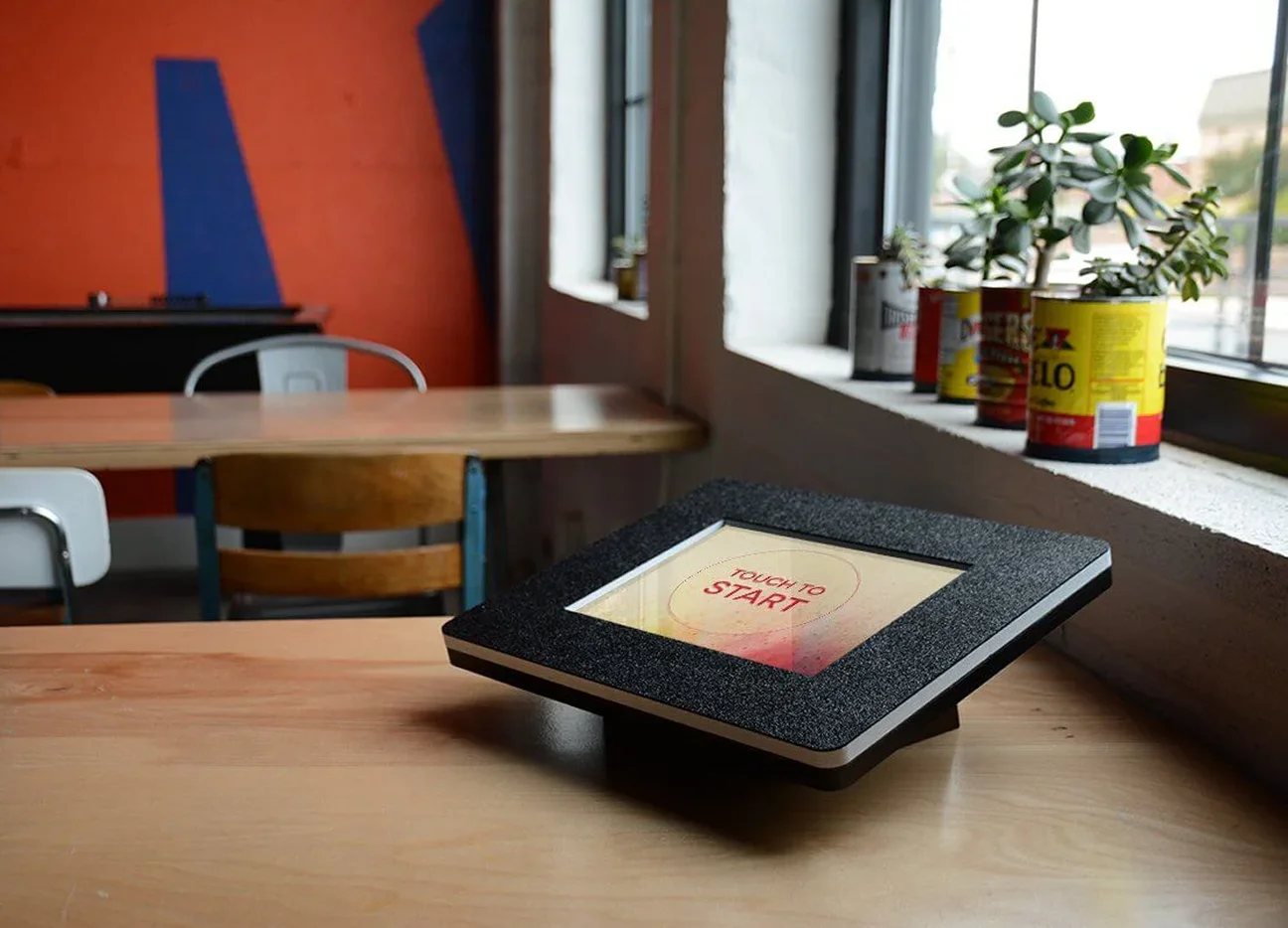
Even full-service restaurants are experimenting with tabletop self-service: tablet menus at your table where you can order a second drink or dessert without waiting for the server. This hybrid configuration still has servers for the main service but adds on-demand ordering and even payments at the table.
Mobile self-checkout is another form of self-service. Stores like Sam's Club and Walmart also offer “scan & go” in their apps. Customers scan items on their phone while they are shopping, pay with their phone, and simply show a QR code to a greeter on the way out. It pretty much makes customers' phones into POS devices. It's a win-win: customers save time, and stores reduce lines at checkout.
84% of U.S. consumers now prefer self-service kiosks, with 66% of them choosing these options over traditional staffed checkouts. While Generation Z (84%) and millennials (76%) lead in embracing these point-of-sale technologies, a significant number of Gen Xers and nearly half of baby boomers also favor self-service for its convenience and efficiency.
10. Inventory Management
In the past, tracking inventory was a separate function, traditionally done through manual counts, spreadsheets, or stand-alone software. These days, innovative point-of-sale systems are increasingly coming with built-in inventory management modules or open-style integrations that keep inventory in lockstep with sales in real time. This is a blessing for reducing stockouts, overstocks, and inventory management overhead labor.
Real-time inventory time-syncing between online and offline channels is particularly critical for omnichannel retailing. SapientPro's own Magento 2 POS solution gives real-time inventory synchronization top priority to prevent overselling and stockouts on online and store sites. This is a competitive edge – Target and Best Buy are ahead by enabling customers to see in-store inventory online and pre-reserve, backed by robust POS-inventory synchronizations.
AI is also coming into inventory management (analytics section). AI-driven algorithms forecast demand for specific products. Some grocery stores use AI with POS sales information to predict and reduce perishable waste. If the system predicts that not all milk will be sold before the expiration date, it can cause a discount or donation.
11. Returns and Exchange Management
Total merchandise returns amounted to $743 billion in 2023. Easy returns are demanded by consumers, compelling point-of-sale technologies to change. Next-generation POS now includes integrated returns management that makes the process easy for customers and employees, converting issues into loyalty-building opportunities. One of the largest retail POS trends is omnichannel returns, where items are purchased in one channel but returned in a different one.
Another retail POS trend involves using the POS to exchange returns for new sales or exchanges by asking, “Would the customer like to exchange?” and using return credit as credit toward a new purchase in a single transaction. Certain merchants reward POS transactions with bonuses (like a $5 bonus credit on immediate exchanges) if set up properly. It saves the sale.
If a sweater is returned for size, an associate who is well-trained and has a good POS instantly locates the correct size or substitutes and makes the exchange, which will make the customer happy. POS-based return management updates stock in real-time, putting merchandise back into sellable inventory if it's in usable condition. Some systems track reasons for returns, allowing the management to report, for example, quality issues due to defective products.
12. Subscription and Usage-Based Pricing
Buying a POS system was once a large upfront expense: you'd buy hardware, pay for software licenses, and perhaps even have an on-premise server. The point-of-sale software market has moved towards subscription and usage-based pricing.
This retail POS trend mirrors the software industry's shift to SaaS and indicates the demand for flexible solutions. With a subscription model, businesses pay a monthly fee per site or register to use POS software with or without support and updates, significantly reducing upfront cost.
A restaurant that might have spent over $15k on a POS install a few years ago now gets started with iPads and a few hundred dollars a month. New figures put the initial POS costs at an average of $9,300, down from $13,000 in 2017, while monthly fees are rising. Restaurants raised their POS monthly fees from $140 to $380 from 2017 to 2022.
The OPEX approach simplifies budgeting and tweaking. Need an extra register for the holidays? Get a temporary subscription instead of buying an additional license. There are tiered plans offered by innovative point-of-sale systems where small businesses can begin with fewer features and upgrade later.
Usage-based pricing takes it a step further. A few vendors, such as Square, offer POS software for free and take a percentage of each transaction or higher processing fees. Here, POS costs increase with sales volume, serving as a transaction model. Small businesses like this since there is no monthly charge; you merely “pay” in sales in the form of transaction fees.
For example, Square's basic POS charges 2.6% + 15¢ per credit card sale, which is an example of usage-based pricing for payment processing. It carries a low monthly charge and a low fee per transaction, with the cost tracking usage—low for slow months, high for peak months.
Pure usage pricing is less prevalent in businesses. There are hybrid models, with some large POS software charging by transactions or by stores. Businesses with numerous integrations or API calls to their POS have vendor charges depending on API use.
This relates to flexibility and customization. Subscription models supply flexibility, so businesses aren't locked into aged software from one purchase. With SaaS POS, they receive ongoing updates and can switch systems more easily.
Get SapientPro’s POS for Magento 2 Today
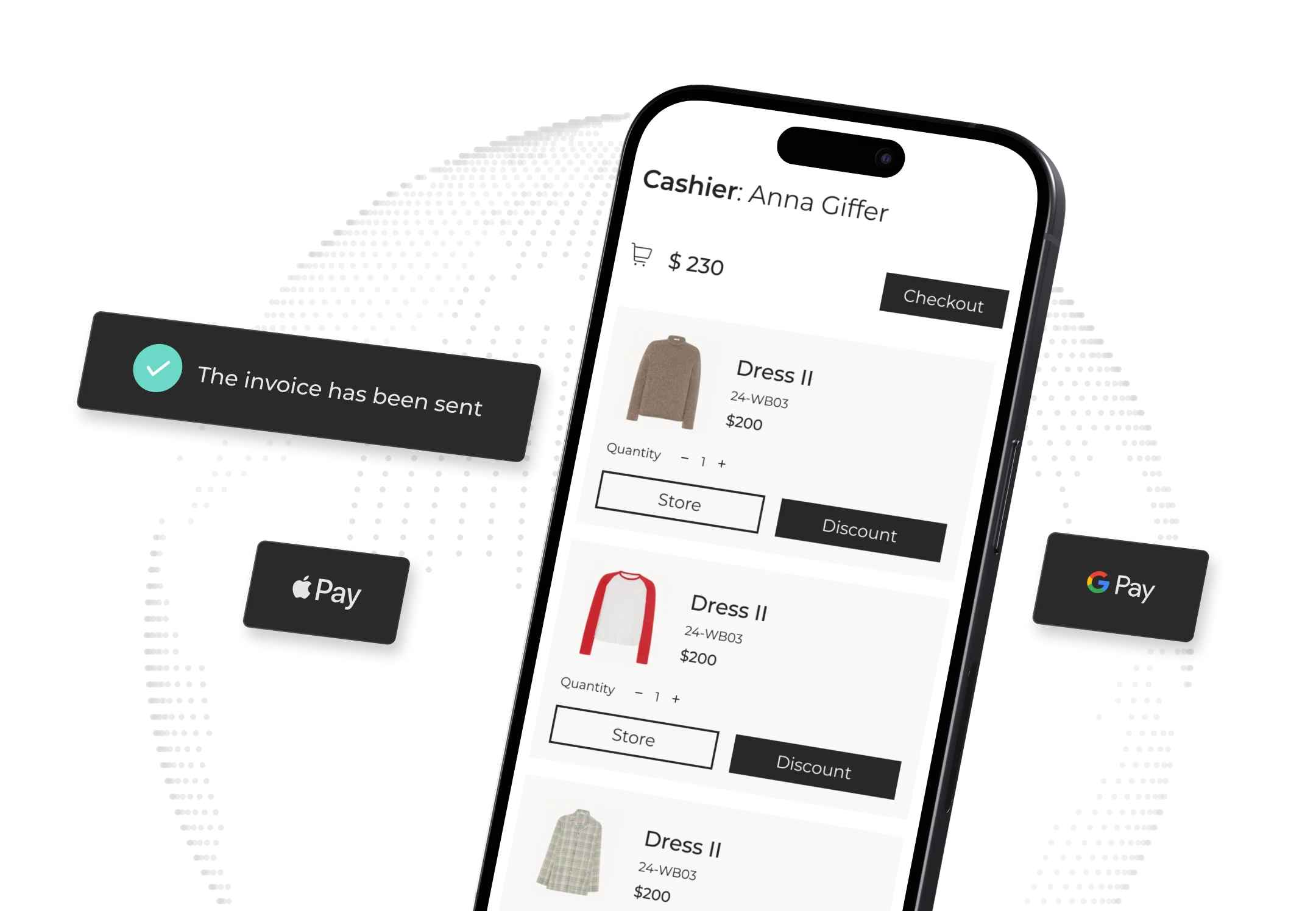
SapientPro Magento 2 POS Terminal is an all-in-one, secure retail POS solution designed with the latest best practices in mind. If you’re running an eCommerce store on Magento 2 (Adobe Commerce) and have brick-and-mortar or pop-up shops, our POS smoothly connects your online and offline sales.
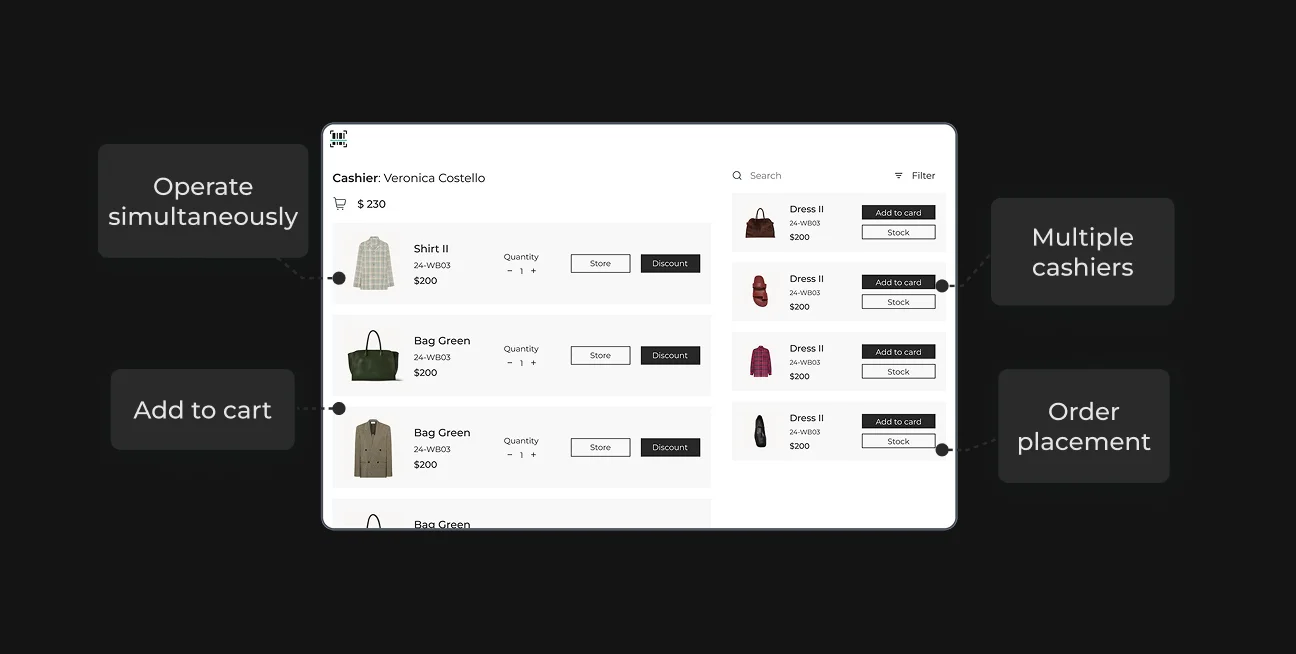
Our POS terminal system is fully PCI DSS compliant and employs end-to-end encryption for payment data. We implement role-based access controls and separate cashier accounts to ensure only authorized staff can perform sensitive actions.
Data transmission between the POS and your Magento back-end is encrypted over SSL, and no card data is stored on the POS device after the transaction. It’s securely routed to your payment gateway.
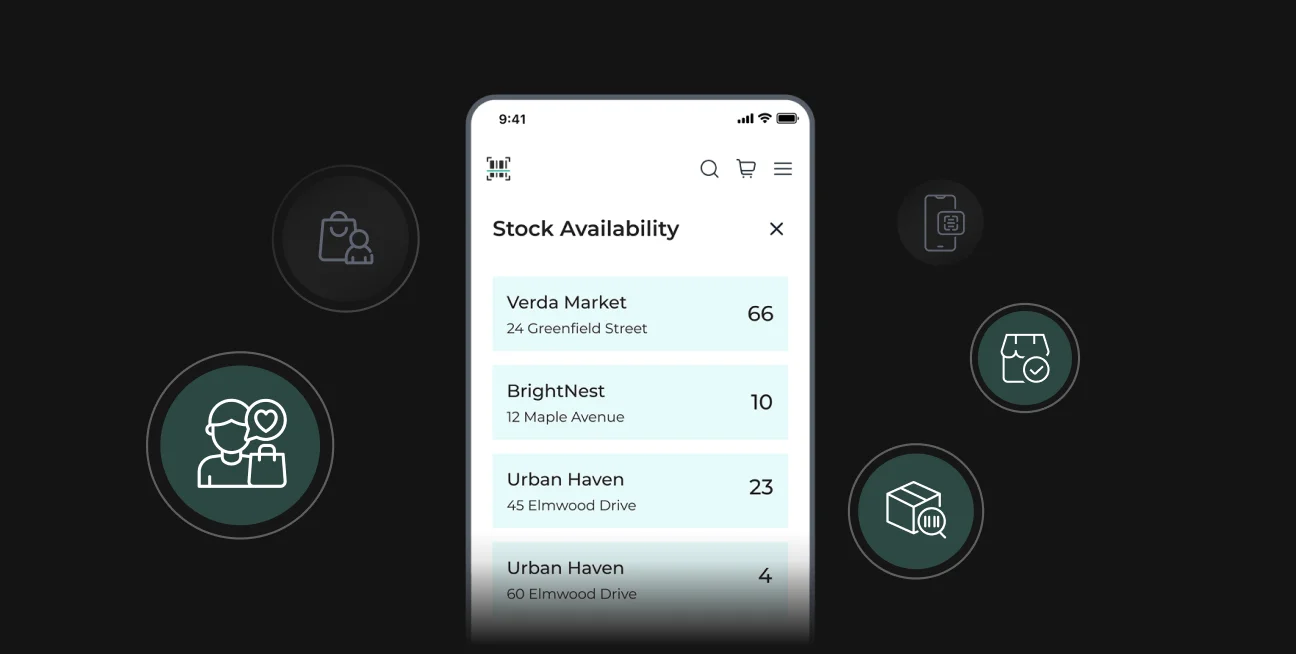
Our POS directly integrates with Magento 2, eliminating clunky third-party connectors and reducing potential security gaps. Your inventory syncs in real-time between your website and physical stores, preventing overselling and allowing accurate stock visibility across channels.
A unified customer database means that whether a client buys online or in-store, their profile, purchase history, loyalty points, and rewards are consistent.
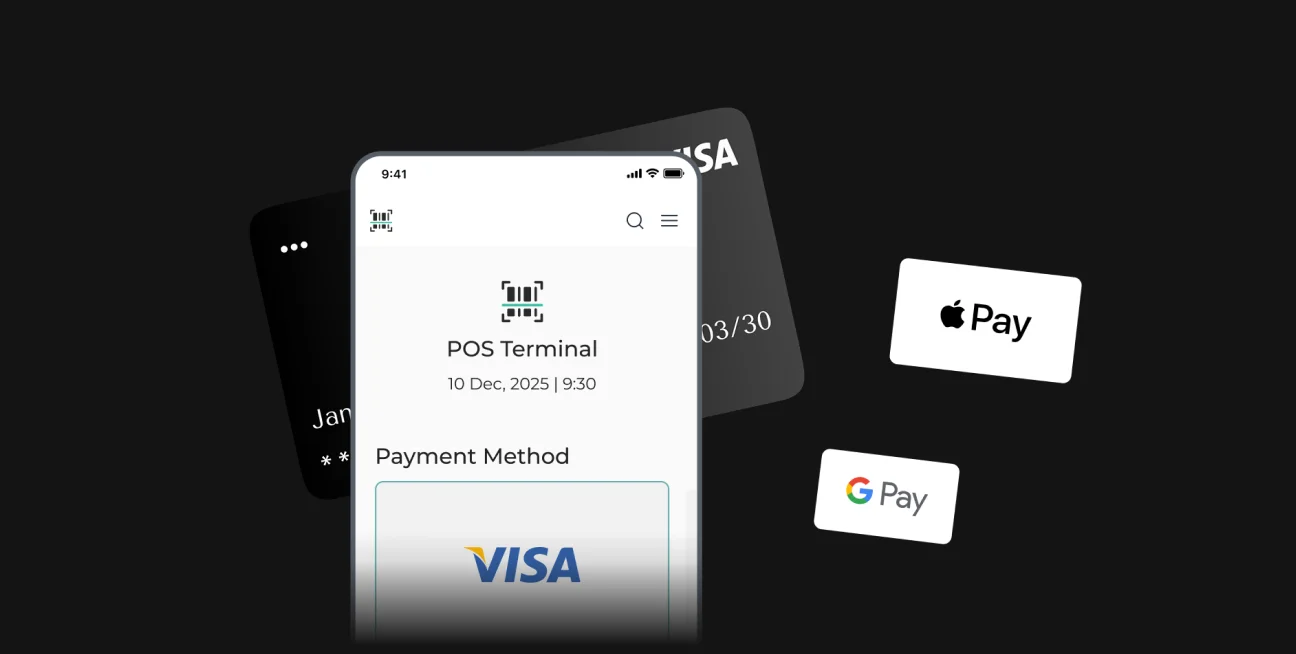
Support for chip & PIN, contactless, mobile wallets, and traditional swipe – all in one system. You can take cash, credit/debit, gift cards, or even custom payment types.
Transactions are processed quickly, and sensitive payment info is handled securely via your chosen payment processor (we work with various PCI-compliant gateways).
If you’re running a Magento storefront or planning to launch one, SapientPro Magento 2 POS Terminal eliminates the need for third-party POS systems by offering a full native POS integration.
To see it in action and discuss how it can be customized to your business, contact SapientPro for a free demo and consultation.
Get SapientPro's Magento 2 POS System Now