All AI Video Generator Tech Stack: APIs, Platforms, and Models to Use in 2026
March 27, 202620 min read


You must have come across those many AI-generated videos on your social media feed. From impressive product presentations to useful tutorials, everyone seems to get this AI video opportunity.
The global market for AI video generator software was worth $255 million in 2025. In 2034, it will probably jump to $21.61 billion, growing at a pace of 46% per year.
If your business has not yet used this technology, you may risk falling behind the game. The online world is already as competitive as it gets, so you need to employ tools that will make your content faster, smarter, and more engaging. In that light, an AI video maker is a smart choice.
In this article, we will explore the world of AI video creation software. We cover available types, models, and what infrastructure lies behind such technologies.
What is an AI Video Generator?
AI video generators make creating videos easy by using sophisticated algorithms as opposed to the classic way of shooting, cutting, and pasting.
You literally just give the tool something — a script, a bunch of images, or even just an idea — and it spits out a video that looks polished. The video can also include animations, voiceovers, subtitles, transitions, and special effects – all of which can be created without any manual labour.
Basically, AI video generation tools are software that help generate, edit, and enhance video content. Often, they come with simple interfaces allowing users to create professional animations without requiring any other video editing skills.
Then, there are AI tools for turning images into videos or text into videos. AI image-to-video generators apply motion, transitions, and other effects to images to create animated videos.
A text-to-video AI maker is an emerging technology that can turn anything written into a moving visual by processing the input content to understand its meaning.
The typical AI video creation workflow looks like this:
- The whole process starts when the user enters a text prompt, resizes the image, or mixes these two methods. This input can vary in complexity, which helps guide the AI as to what basic theme and content of video is expected;
- Multiple complex AI generation models process the submitted text. These models analyze the input details and context to determine how best to encode the content visually or auditorily;
- AI models then synthesize video frames, animations, graphics, and transitions based on the processed input. For example, they can discover visual horizons in nature that align with the topic and message;
- AI also adds layers of audio composition, either sound effects or synthesized voiceovers. Motion graphics are added to the final project, and then everything is rendered like a complete video clip.
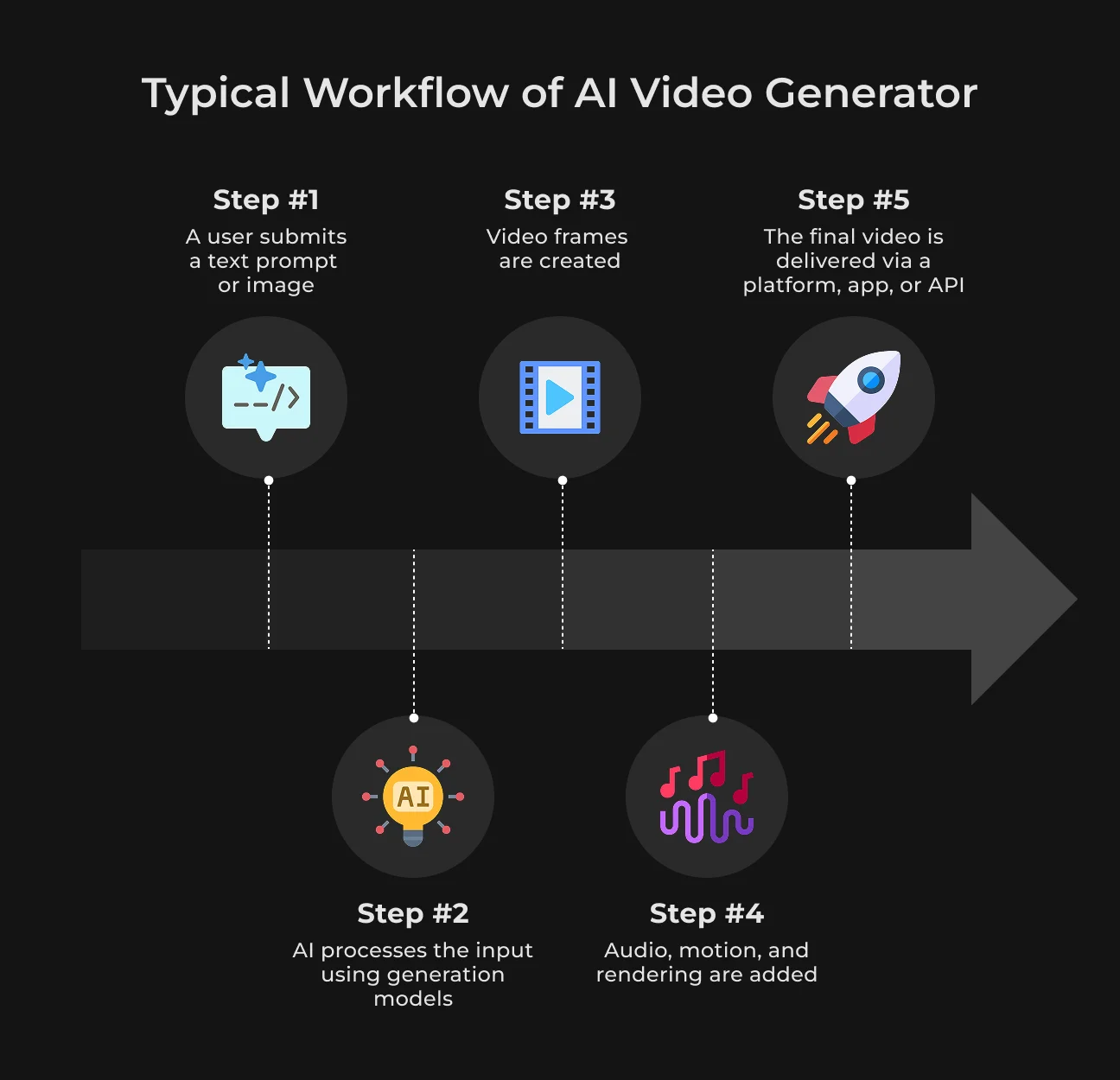
Users get final videos through a platform, downloadable app, or API, and then can use them for their own marketing or professional purposes.
Types of AI video generators
By harnessing AI, your productivity can go up fourfold, and so does 56% increase in compensation. In AI-impacted industries, revenue per employee increases threefold faster (27% vs just 9% in less affected sectors).
Investing in video solutions that leverage both traditional and generative AI early will put your company ahead of the curve
Understanding what types of AI video generators are available and how to use them also prepares a foundation for adopting the right platforms and features.
Text-to-Video Generators
An AI video generator from text is powered by natural language processing and machine learning. Each company does things differently. For example, some use autoregressive transformers to learn patterns by predicting them in images, while others (including Google’s Imagen Video) learn from existing media with textual descriptions.
This is a big field, though, and Meta — the former Facebook — is in it. They recently released video clips using an algorithm called Make-A-Video. Unlike many of the other AI video generation software, theirs is not based on video datasets and uses an autoregressive transformer.
Google is also developing its AI movie maker, Imagen Video. It can generate videos of 5.3 seconds in length with a resolution of 1280x768 at 24 frames per second.
Another project called CogVideo aims to generate videos from text with AI. Using an autoregressive model like DALL-E 2, it converts still images into video.
Image-to-Video Generators
AI video generators from image have revolutionized the landscape of content creation by making seamless transformation from photos to footage. The AI video processing model uses advanced techniques like convolutional neural networks (CNNs) and generative adversarial networks (GANs).
With the introduction of diffusion models, these tools can also produce higher-quality video as they build up and convert pictures to video step by step.
This progress enables creators, businesses, and marketers to create professional videos without any special video editing skills.
Runway's Gen-4.5 AI image to video generator can be a good choice for individual creators and artists. It can convert any static image into a dynamic video, real or generated, sketched or illustrated.
Avatar-Based AI Video Creation Platforms
An AI avatar platform shakes up video production with realistic avatars that can be created from text. There's actually no need to film an actual on-screen presenter for different scripts, languages, and audiences.
We create AI avatar videos using state-of-the-art artificial intelligence techniques. These include text-to-speech, neural facial animation, video rendering systems, and computer vision that convert a script or other written materials into an animated avatar that speaks the content.
Synthesia is one of the forerunners in this field with its AI avatars that are both expressive and speak fluently in over 160 languages. HeyGen is another one, supporting voice cloning for over 175 spoken languages and dialects.
AI Video Ad Generators
AI-based video generators have become essential marketing tools, with 95% of marketers now using them at least once a month and roughly a third doing so daily.
They also ensure that the ads themselves work — both through brand assets and how they contribute to campaign goals. ChatGPT was the most commonly used AI tool amongst marketers surveyed, with 88% of respondents saying they use it.
AI ad generators offer features like:
- Template-guided ad creation;
- Auto-branding with logos, fonts, and colors;
- Hooks and calls to action optimization.
Such platforms accelerate content creation, so teams can quickly create and test variations of ads.
Video Generators for Social Media
Social media is a great channel to put yourself in direct contact with your audience. But that approach requires an investment of time and resources most brands lack. That typically means they’re focused on a couple of platforms, but not on all of them.
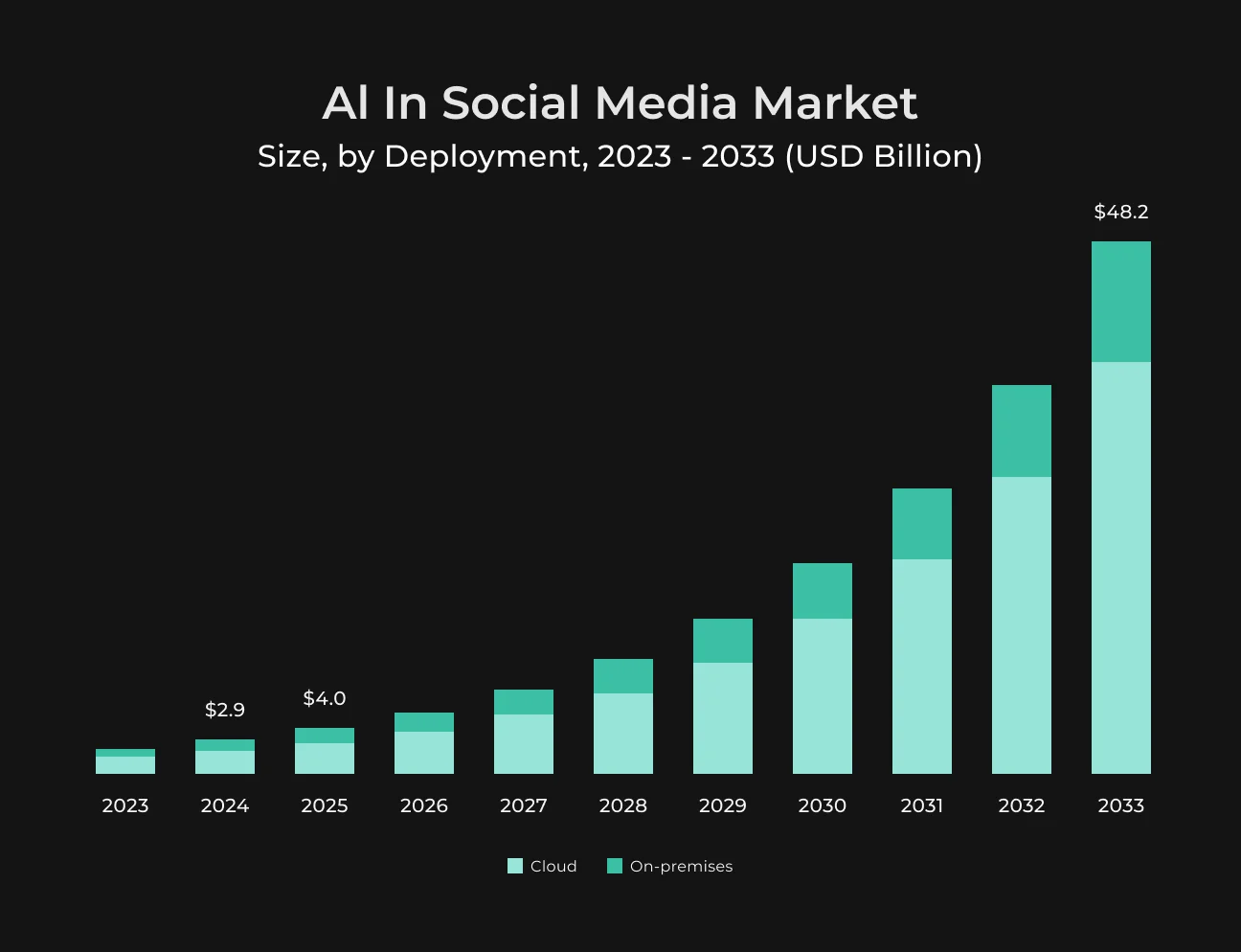
These tools work with different platforms and formats, for example:
- Facebook. AI generators for Facebook produce square and horizontal ads, in-feed videos, and retargeting content. They automatically add in captions and create multi-frame video ads for quick testing of different versions that your audience likes best;
- Instagram. AI video generators can create stories, reels, or carousel videos on Instagram. These tools ensure that videos meet Instagram’s requirements to be seen on feeds;
- TikTok. TikTok creators are all about short, punchy content that invites engagement. Such tools offer time-honored editing features, enabling you to quickly change the video’s sound, look, or mood;
- YouTube. YouTube AI video generators can handle long videos and Shorts. They also assist in generating types of ad styles. AI helps manage script writing, thumbnail creation, visual storyboarding, and auto-resizing for Shorts.
Other tools even let you upload directly to YouTube to streamline the process.
Core Components of the AI Video Generation Tech Stack
Generative video isn’t magic — it's basically a network of models, services, and infrastructure working in tandem. There are several steps involved in this process, like taking a prompt to motion creation, through rendering, and down to output.
Each of which has its own set of technical intricacies. And, of course, these models will need to work properly, so it's important to select the right GPU provider in your region.
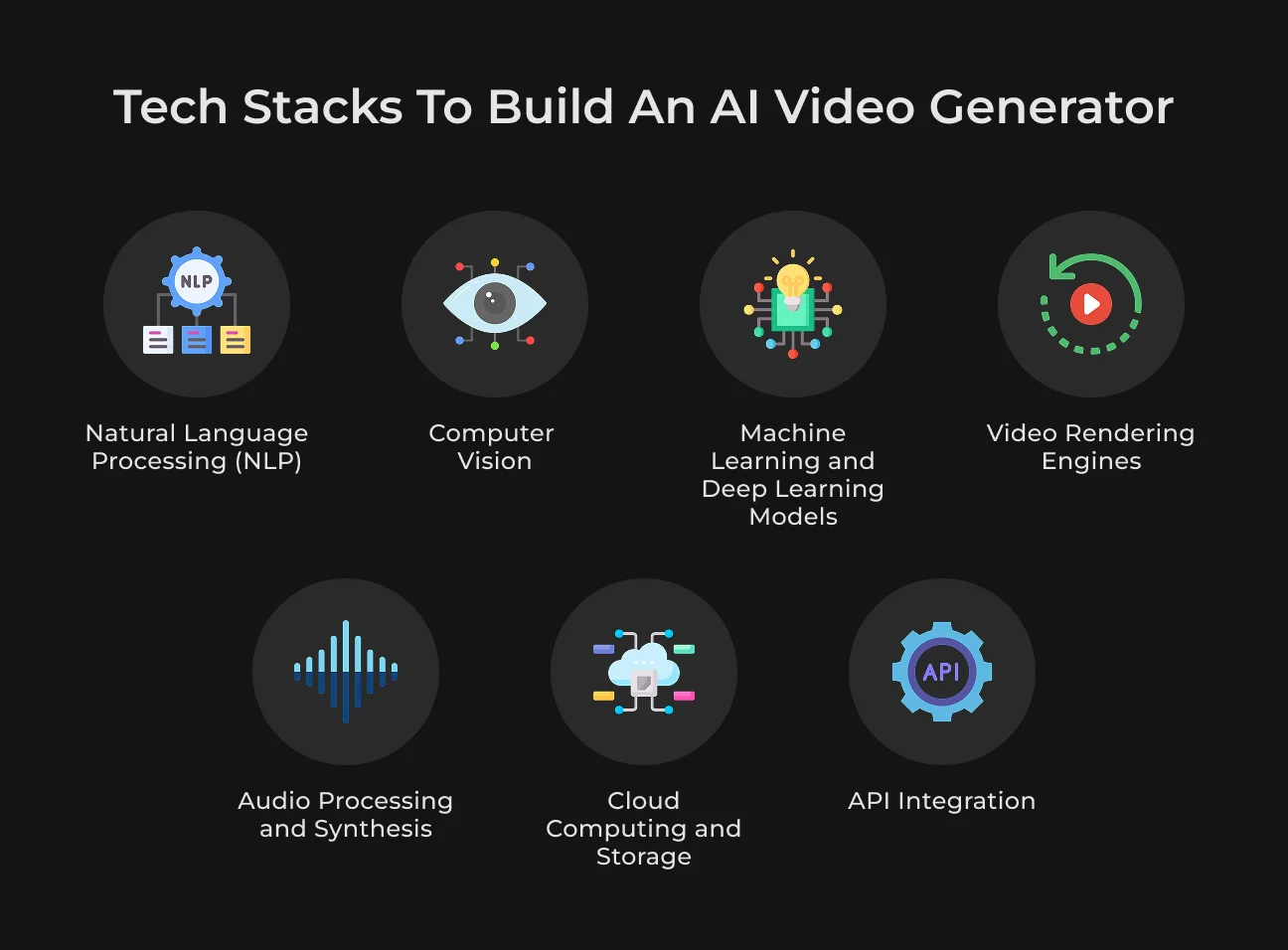
Here’s a look at the key components that enable this process.
Core AI Models and Algorithms
The intelligence of the platform arises from merging multiple sub-disciplines of AI. For example,
- Natural language processing (NLP) organizes a user's prompt, script, or documents scene-wise and identifies critical visual components to understand the elements of your pitch;
- Generative models like diffusion transformers are responsible for producing visuals. They are employed in advanced models like OpenAI’s Sora to track complex scenarios across multiple frames;
- Generative adversarial networks (GANs) synthesize photorealistic still images and synthetic videos;
- Variational autoencoders (VAEs) reduce the video input on spatial and temporal axes, delivering more efficient compression ratios and better quality;
- TTS (text-to-speech) converts scripts into humanlike speech through neural networks predicting and reproducing a suitable tone of voice as well as speed;
- Computer vision helps analyze visuals for coherence and uses Guise to let users choose stock footage that matches their script.
Infrastructure and Computing
AI-generated video requires a huge amount of computing power.
- GPUs. These are needed for larger calculations. Some recommended options are the NVIDIA A100, H100, or RTX 4090 (16GB–24GB VRAM);
- Cloud computing. Platforms based on SaaS are rendered over servers like AWS or Google Cloud;
- Storage and delivery. We require relatively fast NVMe SSDs for local processing, but keep user data and final video files in cloud services (Amazon S3 or Google Cloud Store);
Building Blocks That Make Everything Work Smoothly
There are a number of them down in the basics that come together within a quality AI video generator. These blocks basically help turn raw outputs into video experiences ready for production.
- AI avatars. Certain platforms like Synthesia build authentic characters with lip-syncing using deep learning;
- Asset libraries. Royalty-free picture, video, and music libraries for when you need the content;
- Edit and customize. Resize, branding, and auto-generated captions;
- Localization. Translates and provides subtitles in many languages.
AI Video Generation Models
Explore some of the top AI video creation models and what makes each one unique.
Diffusion Models
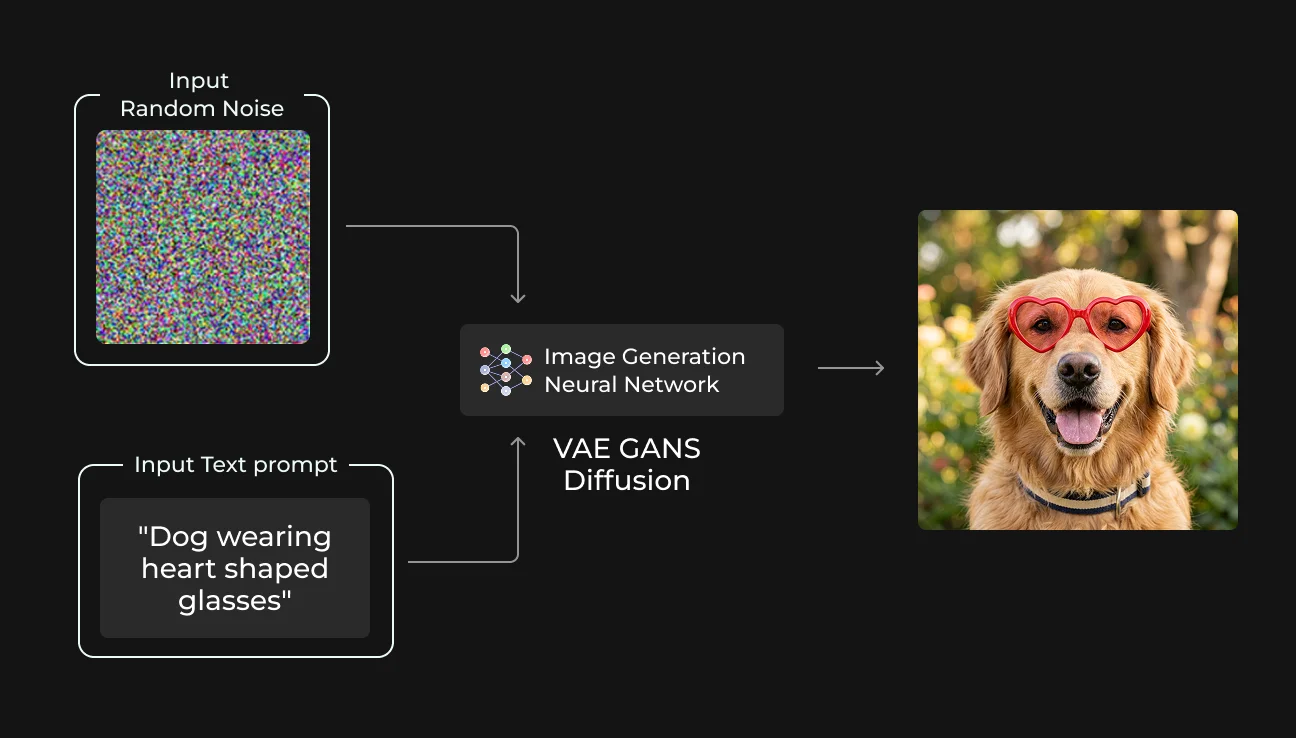
Diffusion-based video generation is a type of model that builds on image-focused techniques to create high-quality and time-consistent videos.
These models learn to reverse the process of adding noise to video data, allowing them to capture both the appearance and motion in the videos.
Like bringing order from chaos, this approach results in detailed visuals, ideal for applications that need realistic content.
Transformer-Based Models
The transformer architecture is ideal for video generation, as it can encapsulate details within an individual frame while also handling changes that occur between subsequent frames.
A model must know both the visual details and how changes develop in terms of time to create realistic videos. This capacity enables them to craft videos that are well-coordinated and contextually aware, something particularly valuable for making stories through video.
Multimodal Models
Multimodal AI takes video analysis to new heights by integrating various forms of data for processing, images (including audio and videos with subtitles), and sound itself along with sensor data. This method provides greater insights than techniques that analyze only video images.
By combining these different signals, multimodal models provide a more complete sense for analysis. If, for example, the model determines in a video that a person is driving, it listens for screams or alarms on an audio track as well, allowing for more precise emergency detection.
AI Video Generator APIs
AI video APIs integrate AI-powered functionalities into video content on the platforms. The majority of companies shouldn’t have to start from scratch, thanks to many existing tools and solutions already available. Something like Canva for visuals or any kind of software for voiceovers.
Many AI tools are task-based, like speaking a voice-over with text-to-speech, pairing a voice to an avatar, or storyboarding and turning photos into videos. These APIs are building blocks that allow platforms to connect various tools, eliminating the need to construct each tool from scratch.
Here are some examples of AI video generator APIs:
- Runway (Gen-3 and Gen-4).
Professional users might choose Runway, where Gen-4 represents a premium option for producing high-quality video with a spelling switch. It offers advanced editing tools, style transfer, and guidance for the motion and control of the camera;
- Pika Labs.
Pika Labs is accessible and allows iteration in minutes, which is perfect for prototyping and consumer-type work;
- Luma.
Luma is a 3D-aware video generation model with impressive spatial awareness and depth. It has robust 3D scene understanding, realistic camera movement, and support for 360-degree video;
- Hailuo AI.
Hailuo AI is suitable for speedy video generation and turnaround. Generation might take only 30-90 seconds.
Top AI video generator platforms like Runway, Colossyan, or Pika also bring advanced technology within reach of everyone. Here’s how these platforms inspire creativity:
- UI similarity and usage. The platforms with an intuitive but familiar web design interface make it easier for creators to find what they need without confusion or disorientation;
- Prompt editor. A core feature that allows users to input text descriptions and shape the narrative flow and visual components. It's perfect for creating scripts for avatars, outlining animation storyboards, and turning creative ideas into tasks that AI can act on;
- Template library. Numerous templates expedite the creative process. Users can choose from pre-made templates designed for marketing videos, training courses, or social media posts. These templates act as a foundation that users can customize depending on their individual projects;
- Asset storage. Users may upload and organize images, audio, and video clips in such a way that they are easy to incorporate into new creations;
- Video export. Once a video is compiled, people can easily export and share their work in diverse formats and resolutions across sites (including social media).
Leverage the Power of AI
SapientPro will help you implement AI into your core business processes.
Infrastructure Behind AI Video Generation
Actual limitation so far is that the quality of models is largely bound by how much GPU compute you have and how well you make use of it. The limiting factor, however, isn’t imagination anymore — it’s the infrastructure.
GPU Compute Power
Standard central processing units (CPUs) are useful for general work, but they simply cannot handle a heavy workload efficiently. On the other hand, GPUs are optimized for parallelism with thousands of execution paths at once.
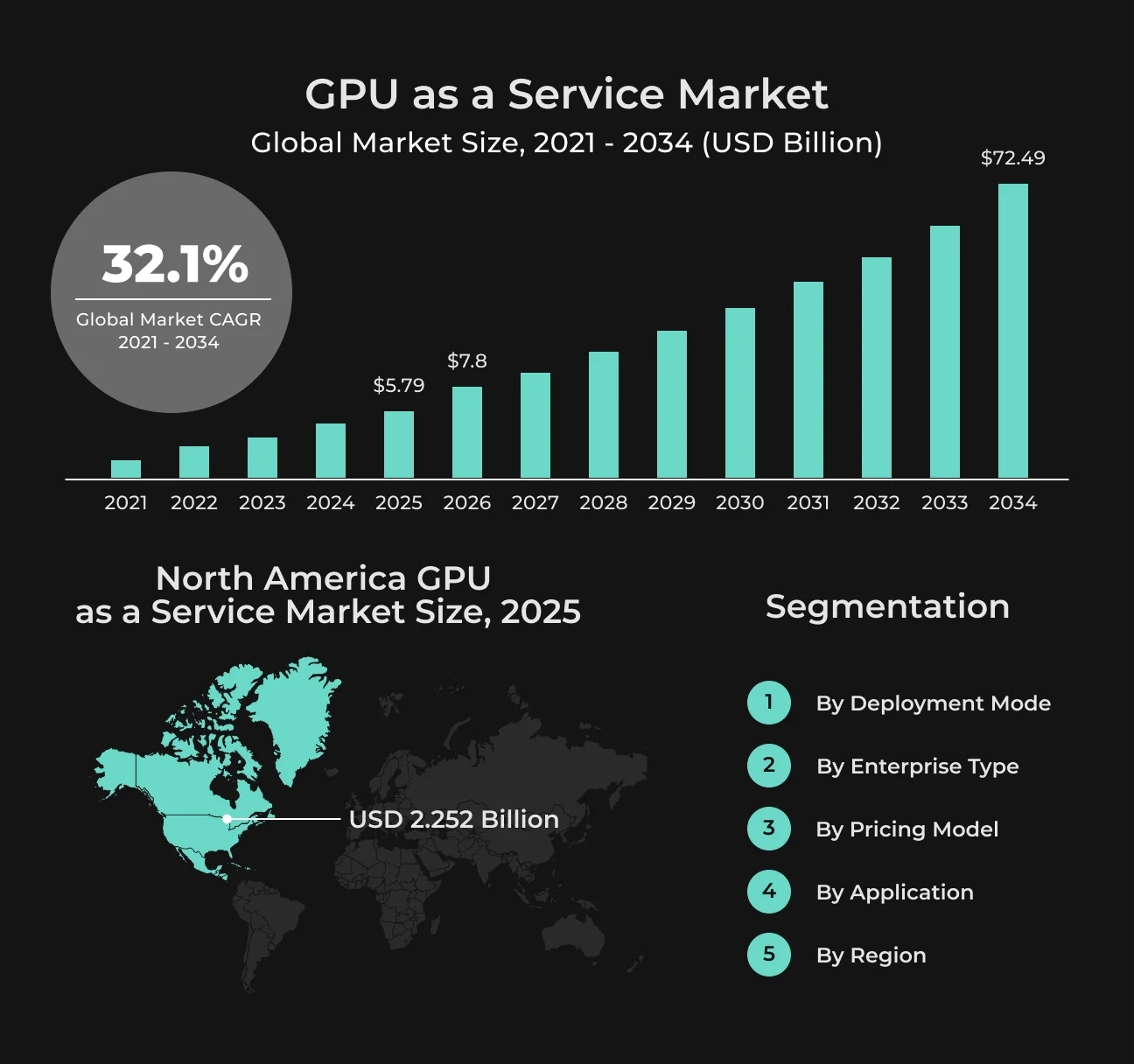
Fortunately, you don’t have to purchase GPUs for all your work. Cloud GPU instances deliver the same power without the upfront costs.
Such offerings provide access to high-performance, purpose-built GPUs. For instance, NVIDIA A100 and NVIDIA H100 with tensor cores designed for AI workloads.
Storage Solutions
Storing too much video training data on flash memory can soon become costly.
The most effective approach is a tiered storage strategy. Cloud-enabled systems can sense data that is in active training use — and retain it on NVMe fast-access drives Other data, such as current projects or files, can reside on lower-cost SATA SSDs.
An AI-native system moves files based on their relevance, not based on how long they’ve existed.
Video Pipelines
Traditional video production approaches a single video as its own project — including brainstorming content ideas, writing a script, sending it off to get graphics and captions, etc. This does not work for hundreds of videos at once, though.
Pipeline thinking simplifies this process by collecting related tasks, so videos can flow seamlessly through the stages.
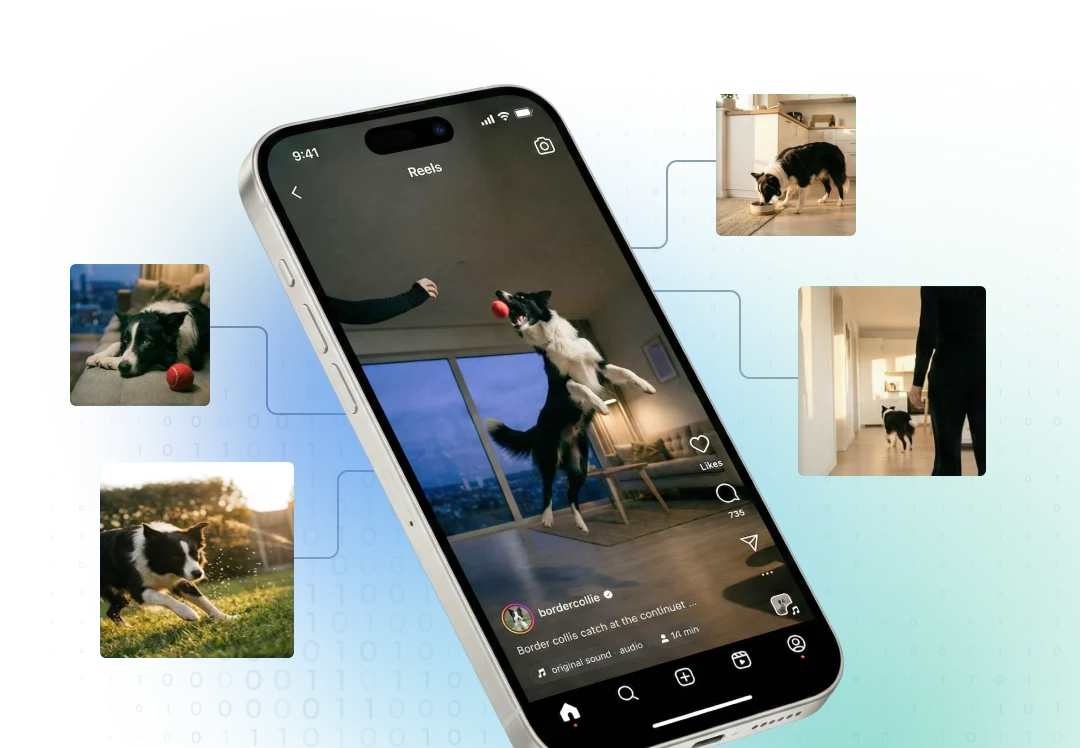
There are multiple stages of the AI video production pipeline where artificial intelligence is deployed to help move things along faster. AI helps in storyboarding, analyzing existing video content on platforms like Instagram, pre-visualization, and so on.
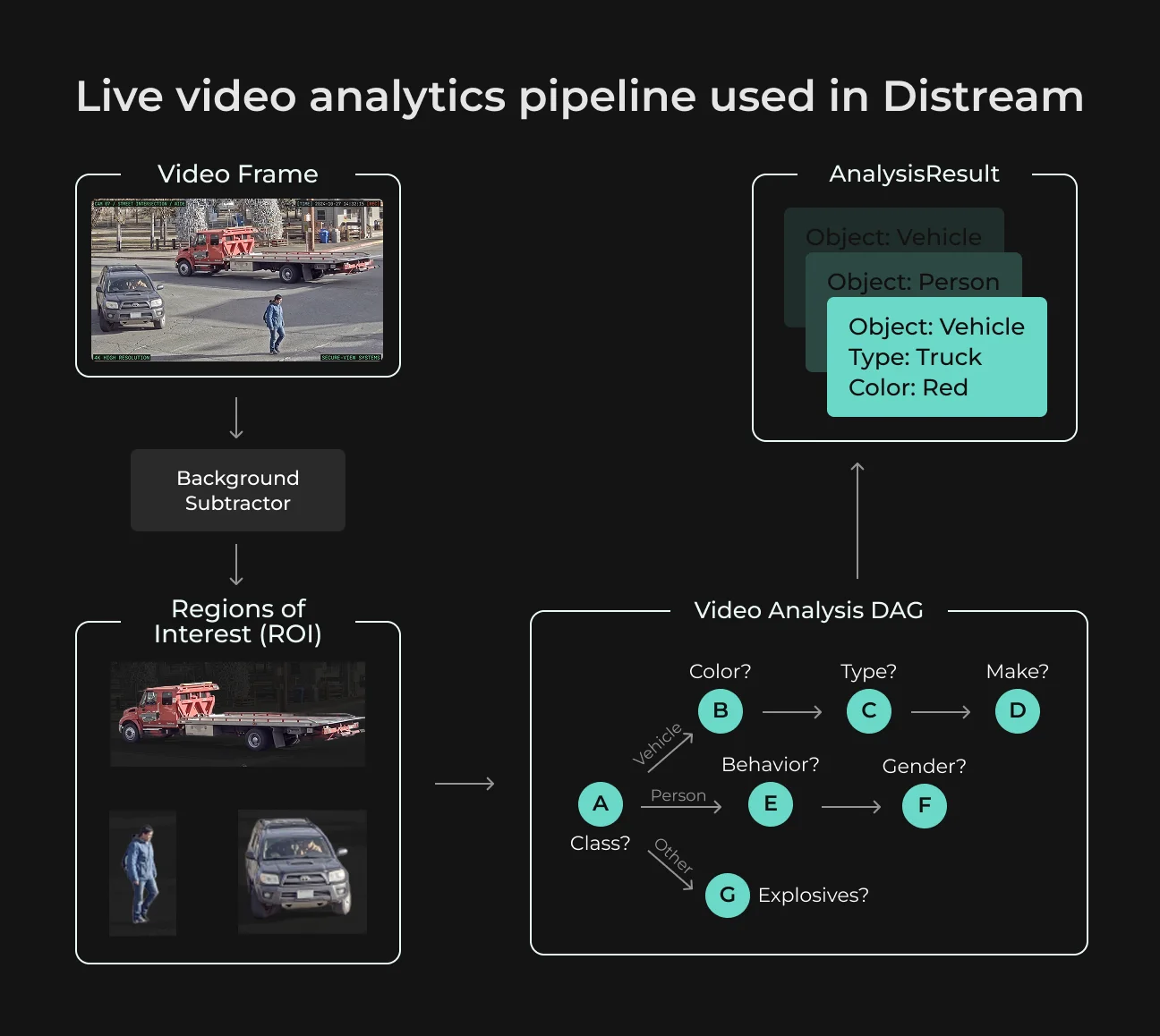
In the process of post-production, AI-enabled editing software pieces together scenes after adjusting pacing, transitions, and effects with current trends.
Key challenges in AI video generation
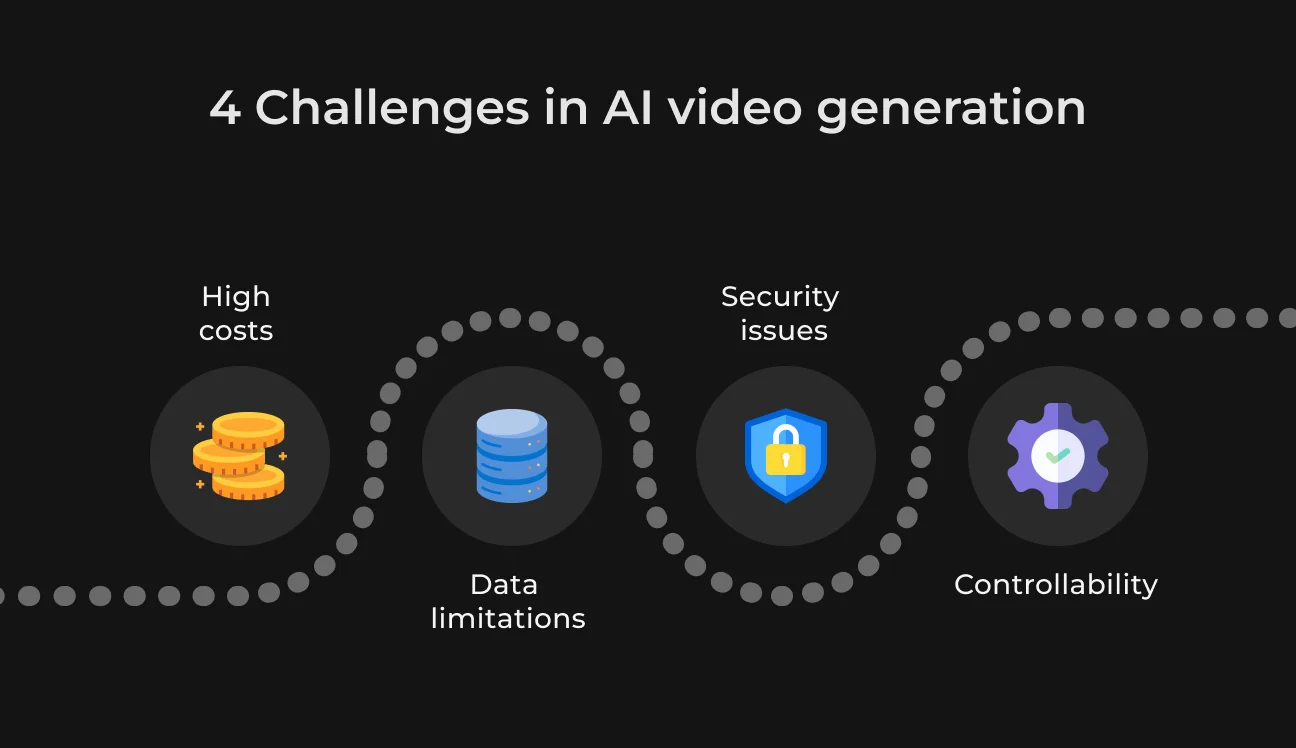
The potential of AI video generation is promising. But it still remains a difficult task to create realistic, easy-to-control videos. Here are some key points.
Rising Costs and Environmental Effects
To develop an AI video generator, massive computing power and costly hardware are needed (which means an increase in energy consumption and a larger environmental carbon footprint). There’s also the cost of running and maintaining the AI systems.
Security Concerns
Investing in security is crucial. Your AI video generator platform can be hacked if there are any flaws in it. And that can put your users' data and the whole system at risk.
Limitations of Data
Data that is sparse and/or lacks diversity can lead to biased outputs. Videos typically have nuanced features like facial expressions, emotions, or body language that AI algorithms otherwise may fail to recreate.
Plus, deepfake technology raises ethical dilemmas. In fact, there are a minimum of seven deepfake attacks per day. But only 13% of companies have tactics to counter those deepfakes.
Ability to Control
One of the issues is that we can't control video parameters specifically, like what kind of camera angle you want or how the surrounding elements are positioned around your main object.
Many users want to have full control of the final output, but achieving that takes a little more science and advanced techniques.
AI Video Generator Pricing
AI video generators are designed with every user in mind, featuring different pricing options. Understanding these subscription models helps users get all the right features for the best price.
Many modern AI video tools like Synthesia, Pictory, and Animoto offer monthly and annual plans.
Entry-level plans cost between $8 and $30 per month and include limited features like basic generation minutes and exports with watermarks. For example, Synthesia’s plan starts at $18 per month.
Mid-tier plans run in the range of $30 to $100 per month and supply more generation time, commercial use, and no watermarks. The Pro plan from Pika, for example, is priced at $35/month.
Higher-tier plans ($100–$200 per month) add unlimited features, advanced options, prioritized generation, and more. For example, Runway’s Unlimited plan includes all pro benefits and unlimited video creation.
Enterprise plans are custom for your needs, with pricing based on volume, features, and support.
Real-World Use Cases of AI Video Generator Platforms
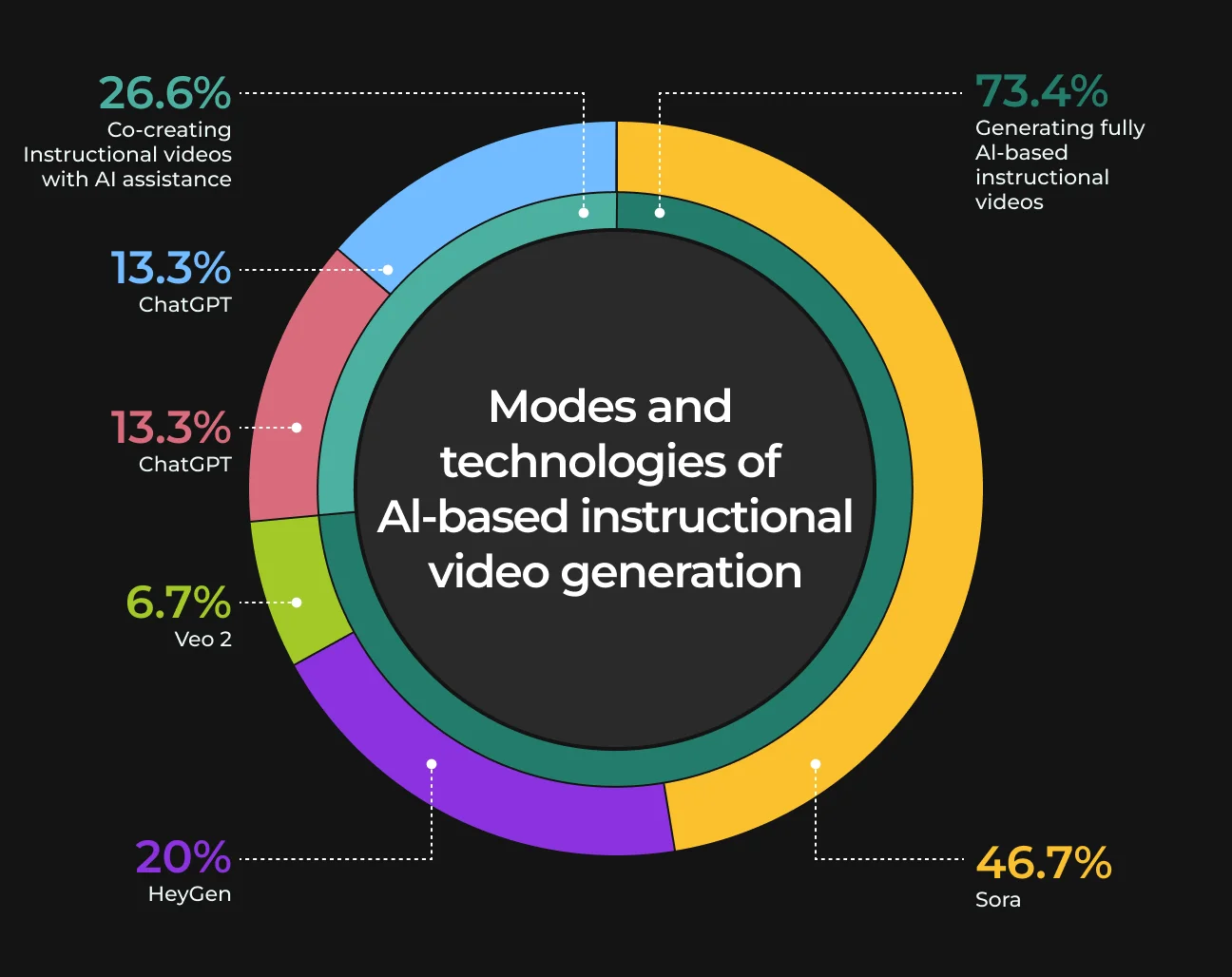
Fully AI-generated videos make up 73.4% of all videos. Among the technologies analyzed, Sora was the most used at 46.7%, followed by HeyGen at 20.0%, and both DALL·E 2 and ChatGPT at 13.3%.
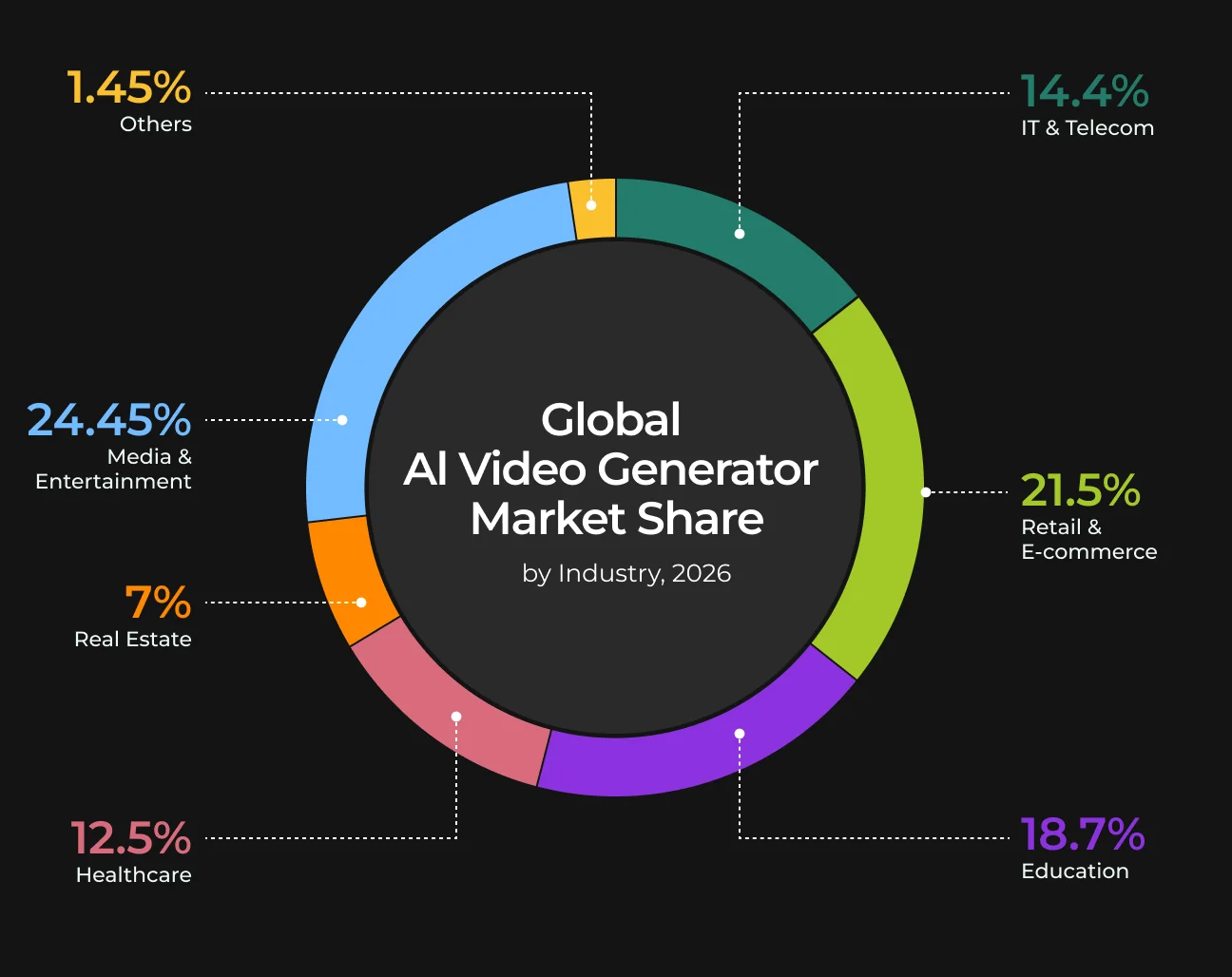
AI video generators have rooted in many industries and changed how the content is created and consumed. Here are some key market verticals where these tools make a difference.
Ads and Marketing
Doing advertising used to take weeks and involved art directors, editors, and designers. An AI video generator streamlines this process. Users just upload an image, input a product description, and get back a completed video in minutes.
The system builds an understanding of words, images, and tone in order to duplicate professional editing decisions. For example, Hello Santuy fonts are appropriate for Instagram campaigns, but a smooth-flowing cinematic flow is the best fit for YouTube short ads.
Real Estate Property Tours
Today's buyers love visuals. They scroll through listings in seconds, looking for interactivity. Interactive content gets 2 to 3 times the engagement compared to static content.
AI-generated videos of the real estate listings turn the listing photos into guided video tours that narrate a story instead of just showing photos.
E-learning and Corporate Training
Firms are employing AI video tools for company training and in-house communications content. That ensures material is uniform and scalable — the latter especially important in a world with an increasingly globalized way of working.
Some statistics show that microlearning enhances knowledge retention by 50% compared to traditional techniques. Video-based microlearning is increasing in adoption, with 85% of organizations using videos for lessons.
AI video courses are also cost-effective, with development costs 50% cheaper than traditional course development expenses. This makes it a budget-friendly option for corporate training.
Future of AI in Video Generation
Indeed, video is the most memorable type of content, according to 82% of people, and 86% prefer to learn about brands through video. So it comes as no big surprise that 83% of consumers have bought a product after watching a brand’s video.
Just a few years ago, there used to be a need for proper cameras, computers, and a big team to make professional videos, but in 2026, it only requires an idea.
Brands and creators can harness artificial intelligence to edit their videos fast for different audiences. They will create distinctive, individualized video advertisements that speak directly to the feelings of every audience.
Just like video was one of the first powerful mediums to give voice and meaning to audiences, AI videos will become that real instrument that can communicate emotions, tell stories, and drive creativity.
Partner with SapientPro to Build Your AI Agent
Partnering with SapientPro is the right way to build modern AI video generation solutions.
Working with us, you’ll get:
- Modern AI video generation solutions: specialized systems designed to automate and enhance video production through artificial intelligence.
- Tailored AI systems & models: custom-built artificial intelligence frameworks designed to meet your business requirements.
- Custom APIs: integration tools that allow different software systems to communicate and utilize AI functionalities.
- NLP tools: systems trained to understand human language for various applications.
- Image recognition systems: models capable of identifying and processing visual data from images.
- AI chatbots: automated conversational agents for customer interaction and support.
- Call center optimization tools: AI solutions designed to streamline operations and improve efficiency in call center environments.
- AI agents: autonomous and semi-autonomous digital entities built to perform specific tasks.
Our solutions already help businesses optimize their workflows by 87.5% and automate over 320 hours of work each month with minimum costs. You can get these benefits too.
Let's work together to make the next big thing in AI.
Build Your AI Video Generator
SapientPro's engineers will bring your ideas to life.