All AI and Blockchain Integration Guide: Use Cases, Industries, Benefits
Updated:April 29, 202610 min read


Artificial intelligence and blockchain together seem like a perfect match, even though each has its own challenges. Blockchain is secure and transparent but often has issues with scalability and adaptability. AI helps industries with its predictive abilities, but might lack trust due to data privacy concerns.
We're sure these technologies could empower each other when used in a pair. AI could make blockchain networks more efficient and scalable, while blockchain could provide transparency and accountability for AI apps through its reliable records. The US and China, for example, dominate with 80% of yearly investments in these technologies, while the European Union contributes 7%.
In this article, SapientPro's experts share the potential, uses, and future impact of AI and blockchain combination.
Key Takeaways
- The integration of AI and blockchain improves data security and transparency through decentralized networks;
- Blockchain's main features, like unchangeable digital records and decentralized data storage, can provide useful insights into the often centralized world of AI;
- AI-powered smart contracts automate tasks, which makes processes faster and less expansive;
- AI helps detect fraud on the blockchain. When used together, AI and blockchain technology can automate and scale up transaction checks.
How Do AI and Blockchain Work Together
Artificial intelligence can mimic human thinking and quickly analyze large amounts of data. Yet, because AI can be complex and hard to understand, it's sometimes called a black box. Blockchain technology could help with this by providing clear and unchangeable records, which can boost trust, privacy, and accountability in AI systems.
Here’s a more detailed look at how blockchain can help AI systems:
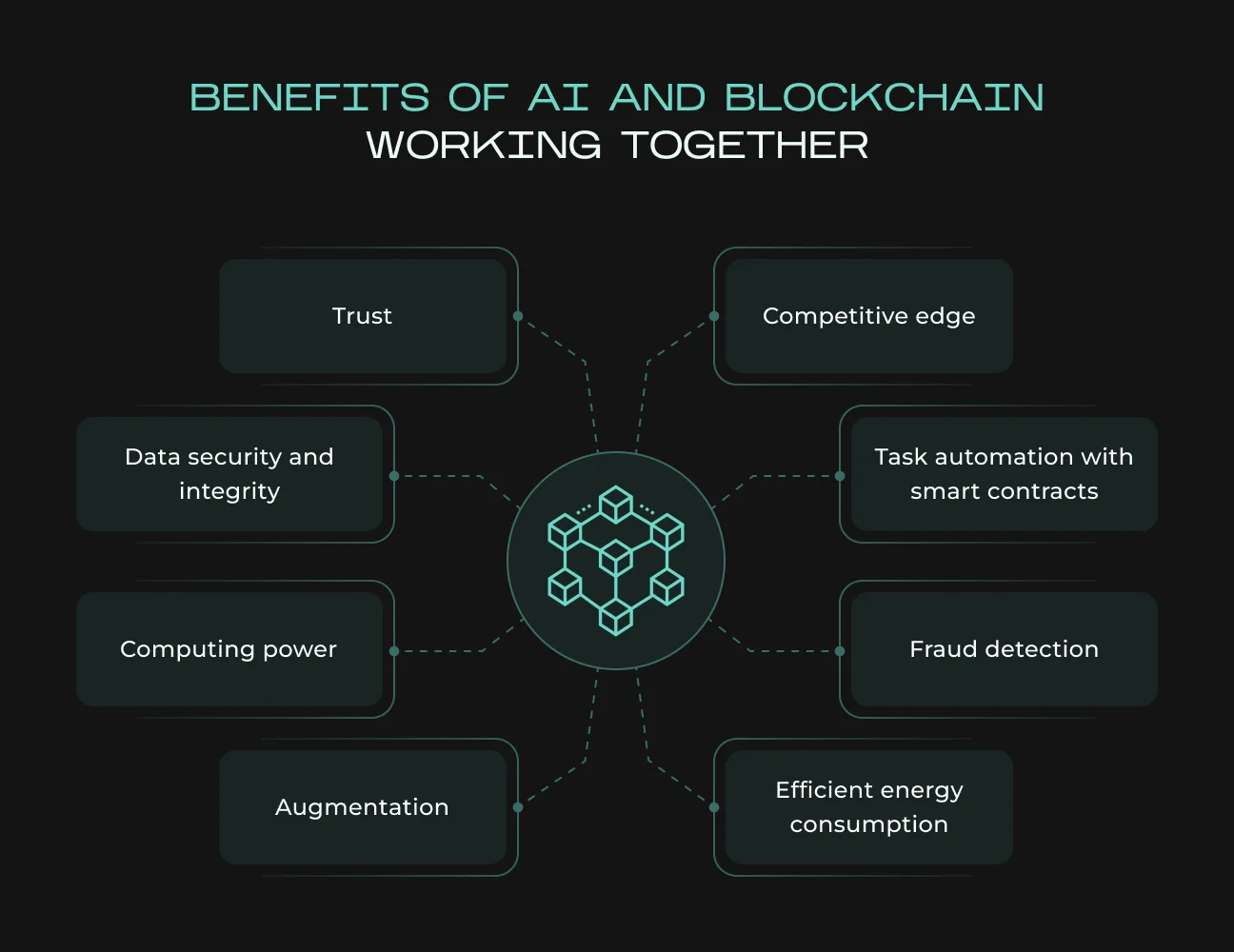
- Trust. Blockchain's unchangeable records can show where AI sources its data and how it works. This helps explain the actions of AI and build confidence in its decisions;
- Data security and integrity. Blockchain has decentralized data storage to create an audit trail. Users can see how companies use their data;
- Computing power. AI requires a lot of computing power. Blockchain's distributed systems can help by using the power of many computers around the world;
- Augmentation. Blockchain can give AI access to more data sources, improving data management. It can also create a more open and transparent data market.
Here's what AI adds to blockchain tech:
- Competitive edge. AI improves blockchain systems by analyzing data, which gives businesses valuable insights and a competitive advantage;
- Task automation with smart contracts. AI improves smart contracts by giving them decision-making capabilities. These contracts, which use blockchain technology, follow set rules. With AI, they can automatically approve payments or evaluate insurance claims, which speeds up processes and reduces human errors;
- Fraud detection. AI also helps detect fraud on the blockchain. When combined with blockchain technology, it can automate and expand the process of checking transactions;
- Efficient energy consumption. Blockchain systems (like those using PoW) often waste energy and are inefficient. AI can solve this by predicting when more energy is needed and adjusting usage. This helps reduce waste and improve performance.
Benefits of Integrating AI and Blockchain
Let's look at the top benefits of combining AI and blockchain, like improved security, transparency, and automated compliance.
Enhanced Data Security and Privacy
Blockchain uses cryptography to protect data, which keeps personal information safe. For example, healthcare systems can use blockchain to make accurate diagnoses while protecting patient data.
As we use various services, they collect our personal data, and companies need to invest in security to protect it. Despite these efforts, data breaches that expose personal information are still quite common.
In blockchain systems, data is encrypted, so you just need to secure the private keys to protect everything. AI is essential for enhancing this security. New AI algorithms can work with data without decrypting it, which keeps data safe.
Improved Transparency and Traceability
AI decisions can sometimes be confusing because they analyze many factors separately and learn which ones matter most. AI is often used to detect fake financial transactions and decide whether to block them or investigate them more. However, humans still need to double-check these decisions to ensure they're correct.
Using blockchain to record decisions ensures the records remain unchanged, which simplifies audits. AI works best when there's public trust. Without it, AI's benefits are limited. Documenting AI decisions on blockchain increases transparency and builds public confidence in AI technology.
Decentralized Blockchain and Machine Learning
Decentralized machine learning allows AI models to use data from multiple locations without a central authority. This improves privacy by keeping personal data in its original place and increases reliability by eliminating a single point of failure.
It also promotes collaboration and innovation across various fields while ensuring information is secure.
Automated Compliance and Audit Trails
Blockchain provides a lasting and unchangeable record of transactions, which makes it perfect for audits. When combined with AI, which can monitor and detect compliance issues instantly, organizations can meet regulations more accurately and quickly.
This helps them avoid expensive mistakes and improves their reputation.
Reduced Fraud Through Immutable Records
Using immutable records to reduce fraud is valuable because blockchain's transparency and permanent nature make it hard to change transaction data.
This security feature helps stop fraud and builds trust in digital settings. By making every transaction verifiable and traceable, organizations can reassure stakeholders about the authenticity of their operations.
Interoperability Across Ecosystems
When AI and blockchain work together, they let different systems connect and work seamlessly. AI can analyze and link data across platforms, while blockchain helps with decentralized coordination.
This partnership helps systems communicate and collaborate, breaking down barriers and creating more integrated digital spaces.
Industries That Benefit from AI and Blockchain Integration
AI and blockchain are a powerful duo that is changing industries by making their processes more efficient, transparent, and user-friendly. Here are some examples of how they're used in various fields.
Healthcare
Governments and businesses around the globe are using AI and blockchain in healthcare to improve medical research and patient care. Their aim is to develop user-friendly systems and leverage data for better outcomes.
AI, for example, can target which patients to monitor for drug development, making the process faster. It also analyzes health trends by collecting information from multiple sources, even from unstructured data.
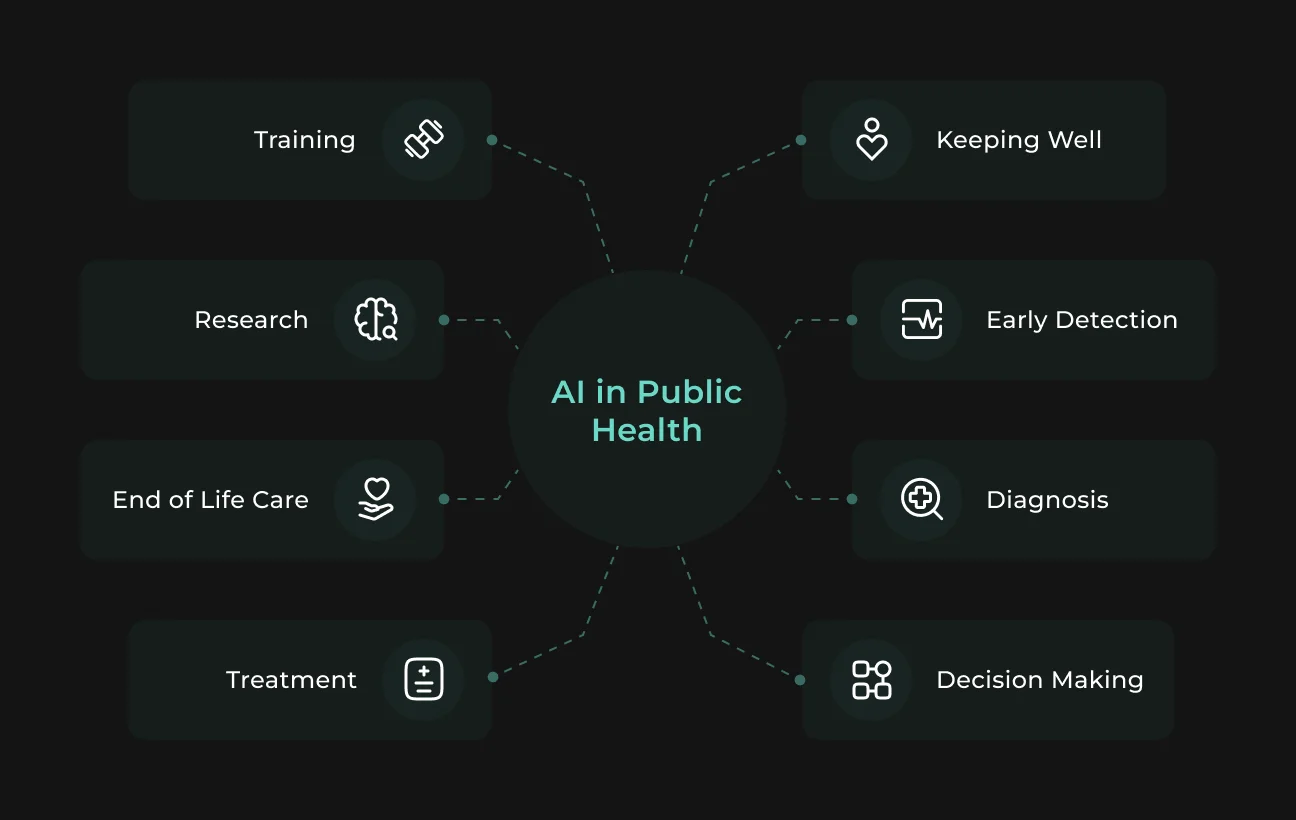
Blockchain makes data management safe and keeps health information accurate and easy to access, which benefits everyone from healthcare providers to insurers.
For example, MediLedger is a popular blockchain platform that helps companies in the prescription drug supply chain verify the authenticity and expiration of medicines.
Also, blockchain simplifies the process of checking medical staff credentials using cryptographic protocols. Trusted medical institutions can record these credentials and streamline the hiring process. For example, ProCredEx uses the R3 Corda blockchain protocol for verifying medical credentials.
Supply Chain Management
With supply chains getting more complicated, technologies like AI and blockchain can help solve common issues in logistics and procurement. AI improves the supply chain by analyzing big data, which improves scheduling, inventory management, and delivery route planning.
Blockchain can securely track every transaction and improve supply chains. It provides a tamper-proof record of each step, from sourcing materials to delivering products, ensuring transparency and traceability. This is especially important for industries like pharmaceuticals, food, and electronics that value safety and authenticity.
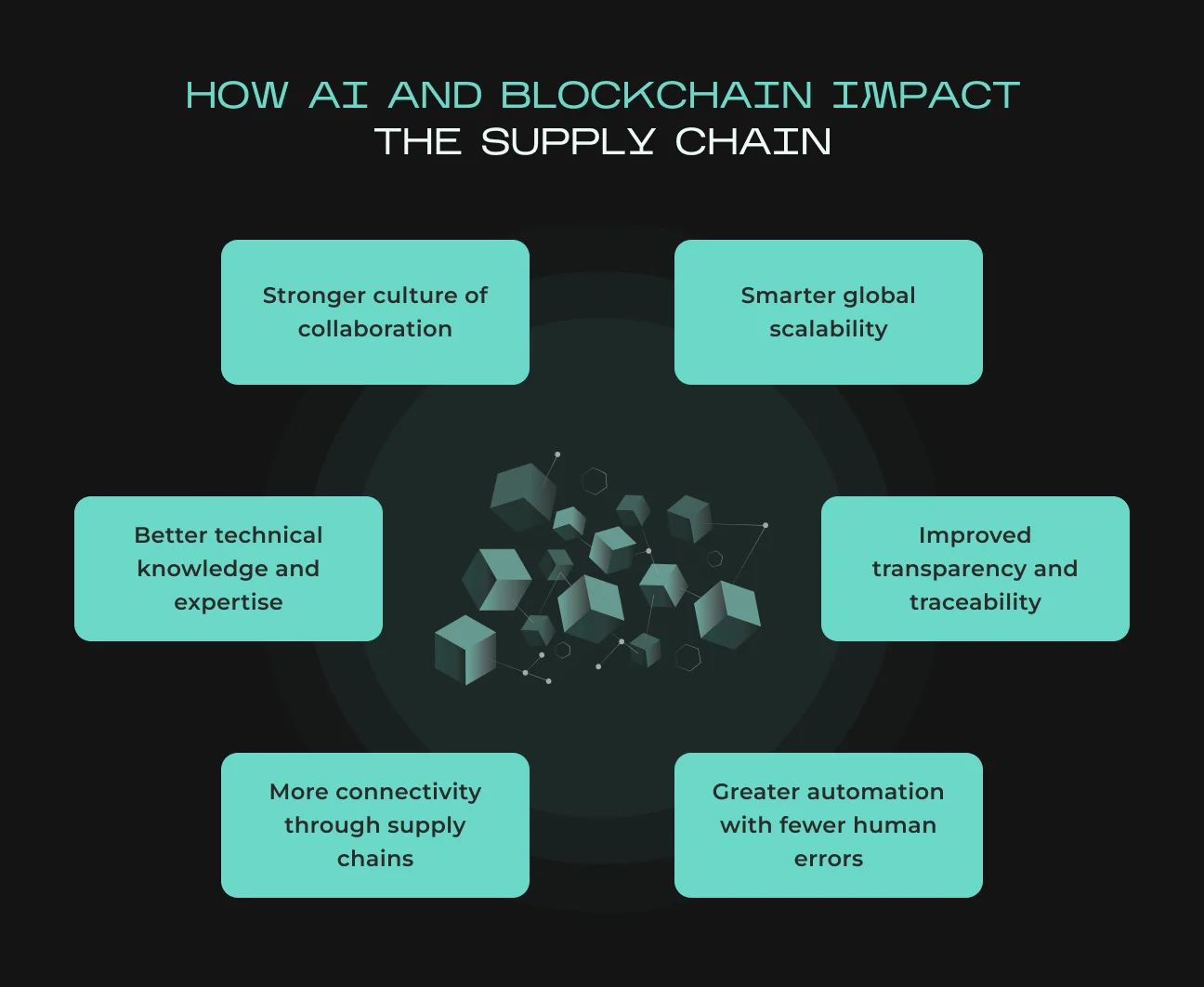
Combination of AI with blockchain makes supply chains more reliable and smarter. AI can analyze data to make predictions, while blockchain ensures data is secure. This integration helps manage risks, improves relationships with suppliers, and ensures materials are ethically sourced.
For example, AI can forecast the weather or political events, while blockchain can instantly verify new suppliers.
Finance and Banking
Blockchain and artificial intelligence boost security, transparency, and efficiency in finance. Together, they solve current challenges and promote innovation and growth. AI can predict and detect security threats in blockchain by analyzing transaction patterns.
It prevents fraud and unauthorized access, all while ensuring transparency and legitimacy in operations. This is crucial since financial institutions reported over $485 billion in fraud losses in 2023.
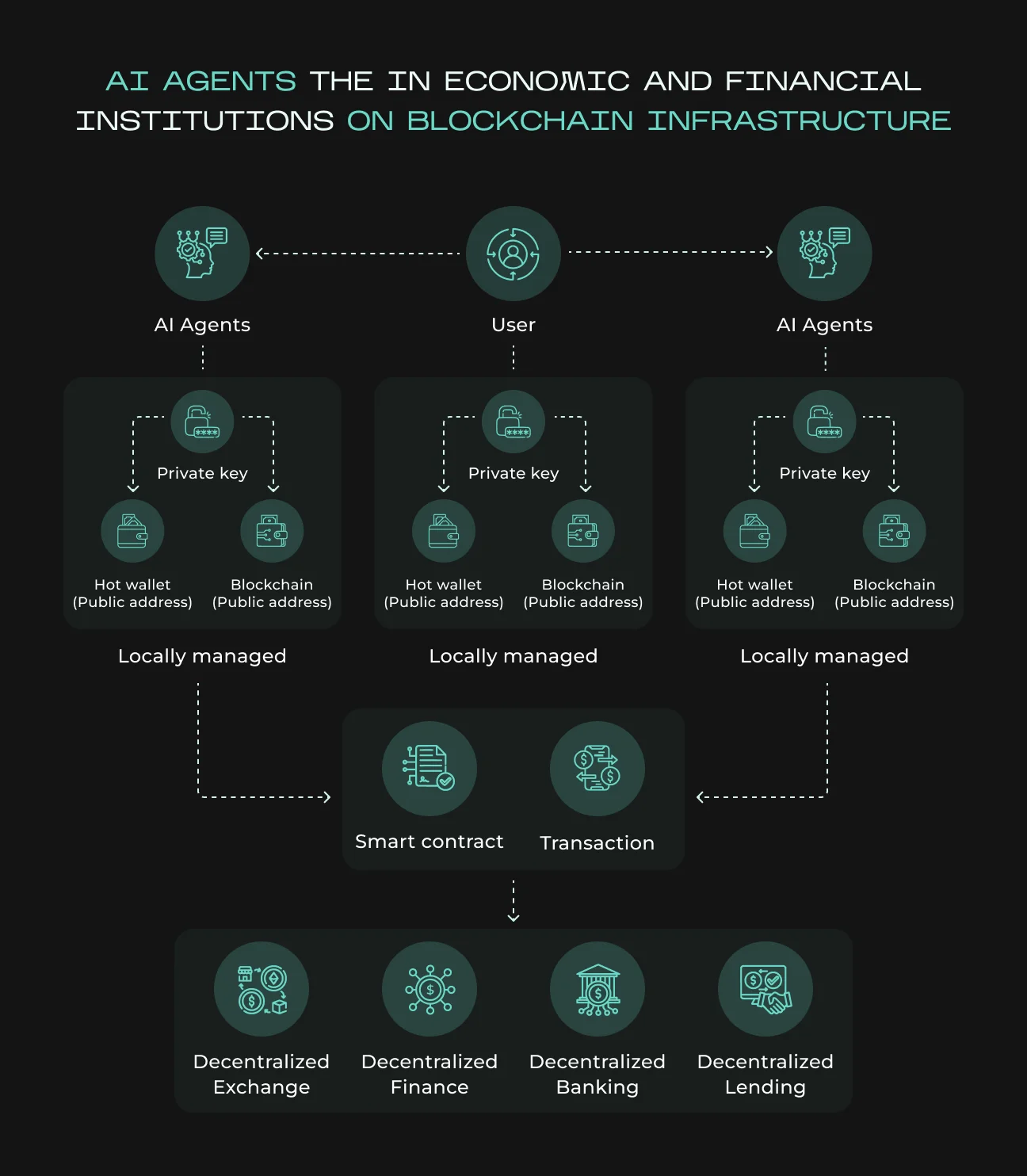
For example, JPMorgan Chase introduced "NeuroShield," a sophisticated AI system that reduced fraudulent transactions by 40% in its first test phase. It uses behavioral biometrics and real-time anomaly detection, which set a new benchmark for banking security.
Manufacturing and Industry 4.0
AI and blockchain play a key role in protecting data from IoT devices in Industry 4.0. Blockchain ensures this data remains secure and unchanged, while AI analyzes it to generate insights.
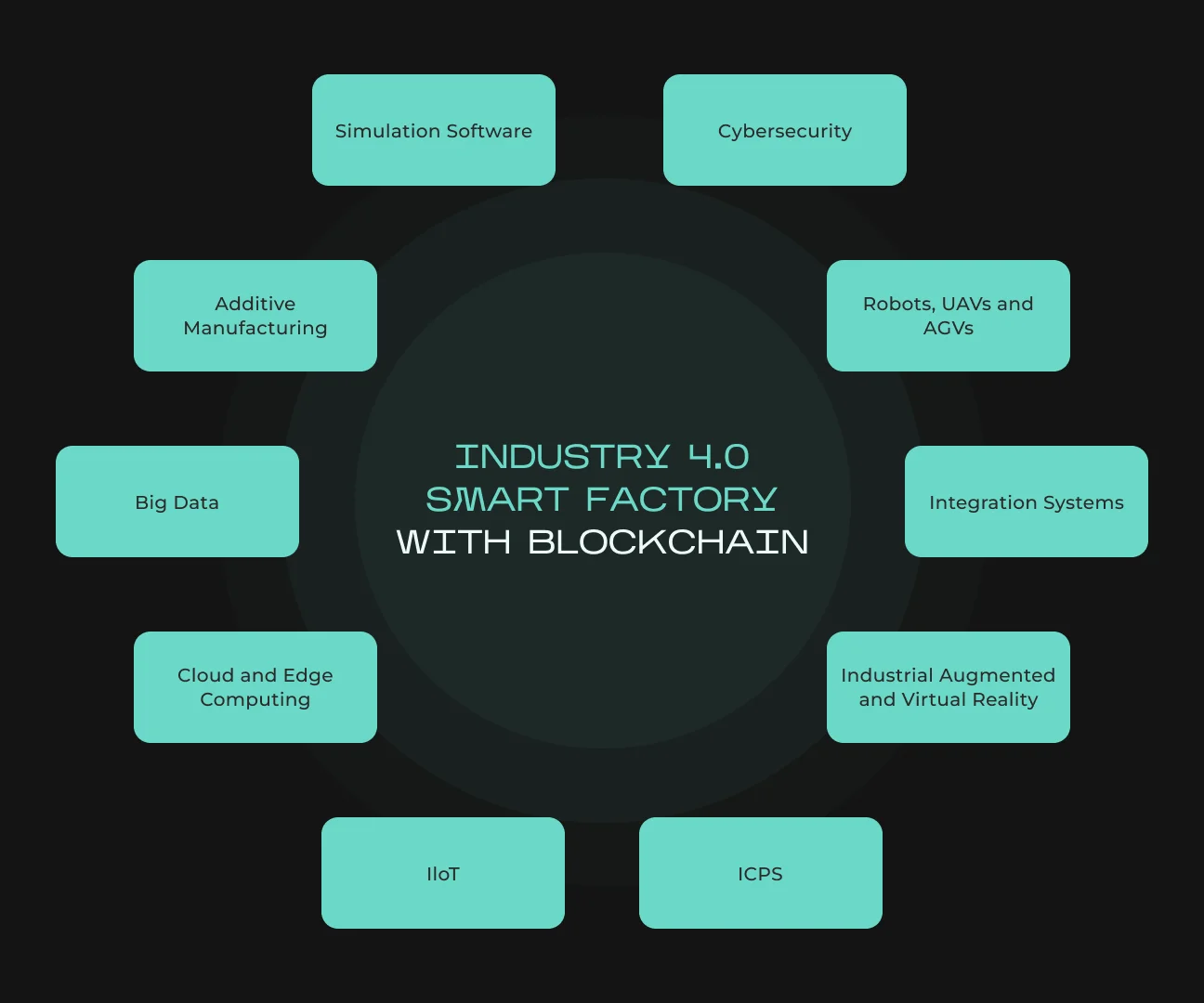
AI can predict machinery failures, so maintenance can be done on time. Storing these predictions on a blockchain makes maintenance records unchangeable, which improves equipment reliability and reduces downtime. Machine learning (often using Python for simulations) is a key AI technique, used around 41% of the time in Industry 4.0.
AI also improves smart contracts by automatically managing detailed conditions. This simplifies transactions and reduces the need for middlemen.
Retail and E-Commerce
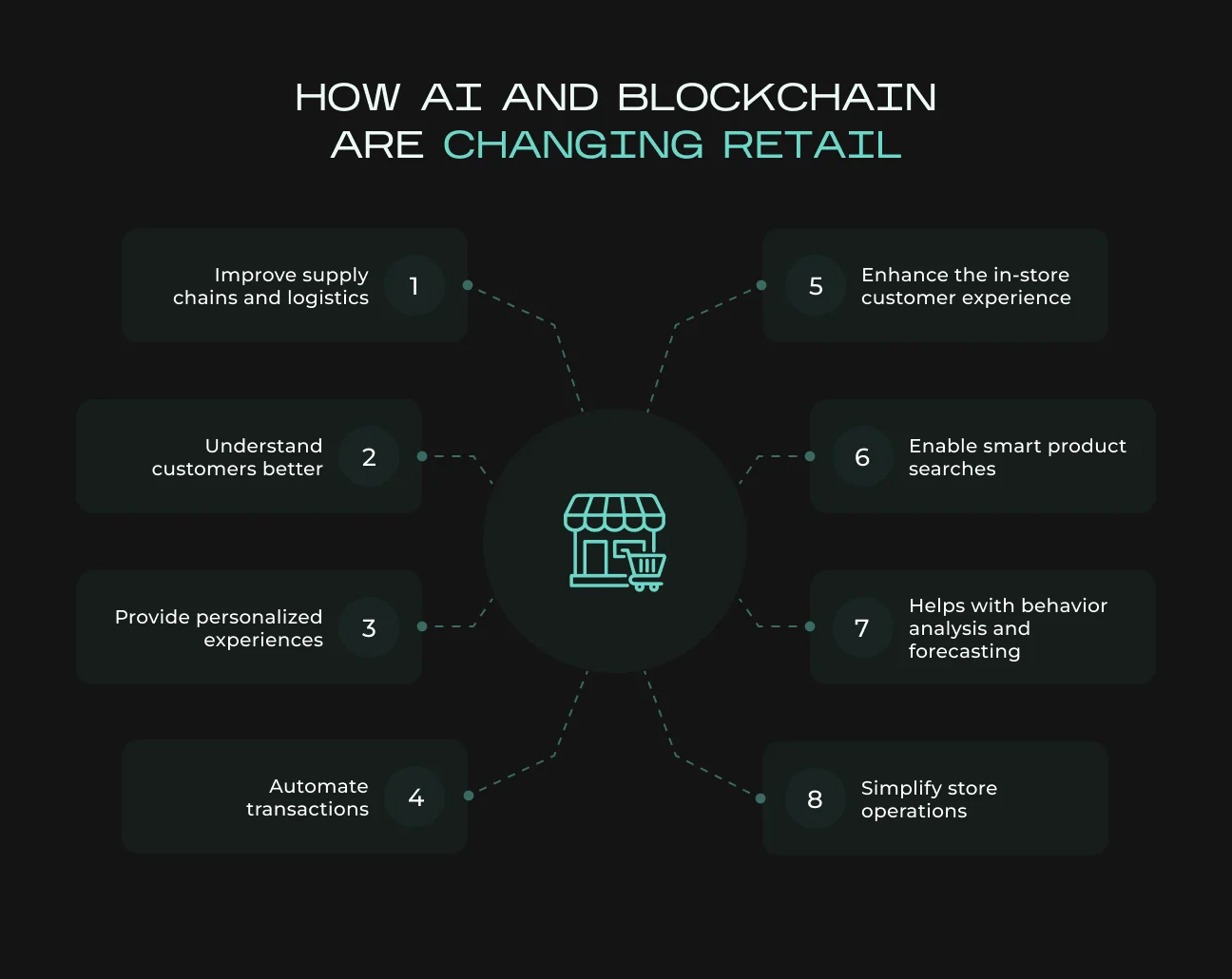
AI and blockchain are actively changing data management in retail and ecommerce. Blockchain machine learning lets retailers understand customers' behavior, creating more personalized marketing. This means better product recommendations, smarter pricing, and improved customer interactions, which all help increase sales. By the end of 2025, 80% of retail leaders expect their companies to use AI automation.
In e-commerce, blockchain improves security and transparency by making transaction records safe and verifiable. It builds customer trust by showing clear supply chain details, allowing customers to track product origins. Plus, it streamlines data sharing, improving efficiency and security in global payments and inventory management.
Energy and Utilities
Most energy systems typically use centralized power grids controlled by utility companies. Blockchain makes these systems more decentralized by allowing people to trade energy directly with each other. Consumers gain more control over their energy use and depend less on large power companies.
Smart contracts also let people with solar or wind energy sell extra electricity to others. This strengthens the energy network, lowers costs, increases the use of renewable energy, which helps reduce the need for fossil fuels. Blockchain technology can cut transaction fees in energy trading by 30% to 50%, making it attractive for more use.
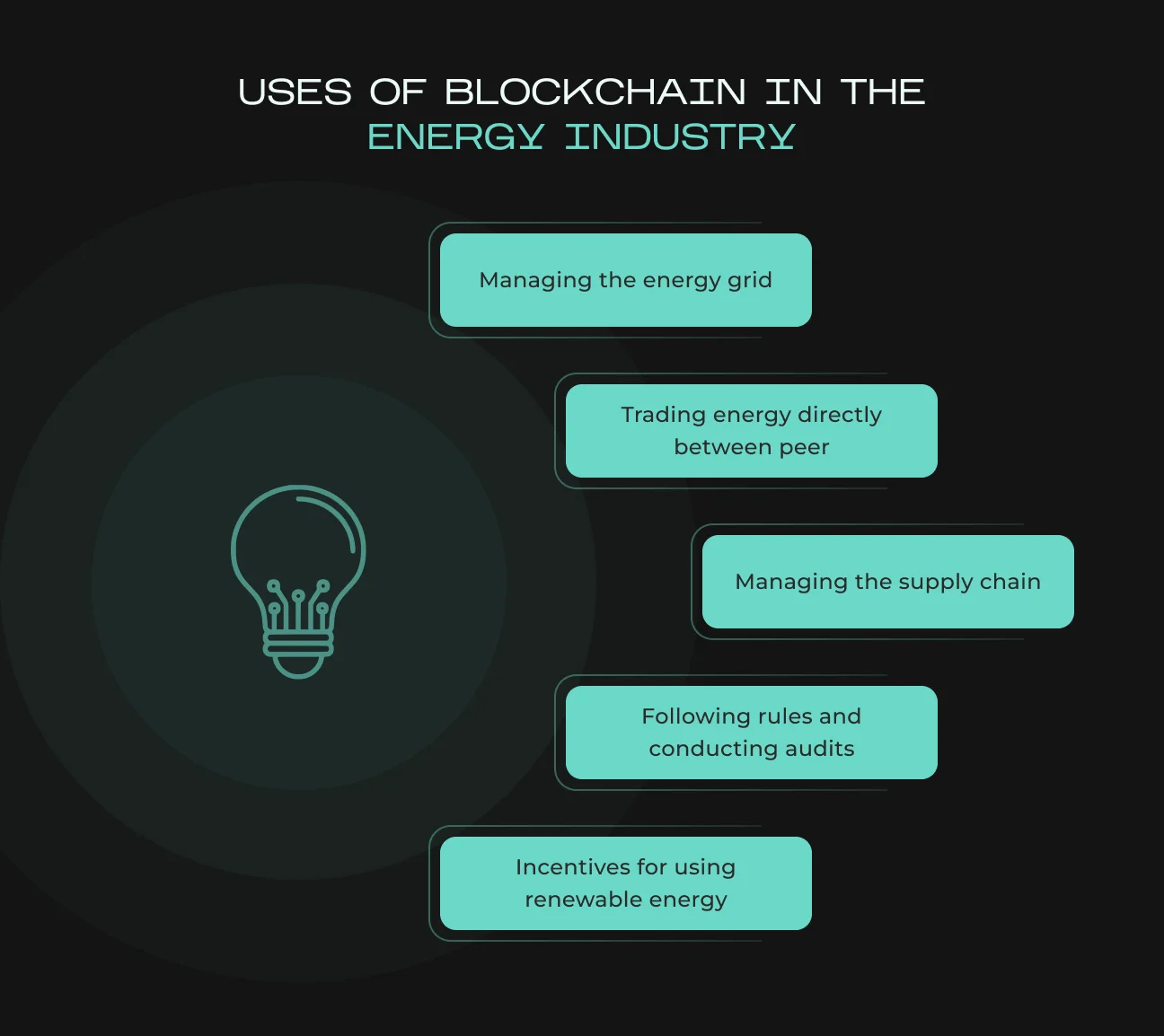
AI provides real-time data to improve energy management. This helps minimize waste and grid losses. Both technologies help solve issues like energy theft, data security, and inefficient power use. Ultimately, this reduces costs and supports the move toward cleaner, more sustainable energy.
Insurance and Insurtech
Blockchain and AI have a great effect on the insurance industry. Smart contracts can automate claims by setting specific business rules, and blockchain ledgers can digitally track every physical asset. Through a decentralized network, asset tracking becomes easier as owners log their assets on the blockchain, where each node records permanent ownership details.
When ownership changes, the network records it, so each new owner can view the asset's full history. This makes asset tracking in insurance easier and offers clear proof of ownership. By 2030, the blockchain market in insurance could grow to $26 billion.
AI in insurance helps automate the underwriting process, which is how companies assess risks when insuring people and their belongings. This process includes checking client information and reviewing extra details from sources like social media. Around 70% of insurers plan to use AI with real-time data for predictions in the following years.
Government and Public Services
AI and blockchain are used in e-government systems to improve efficiency. AI tools like Optical Character Recognition (OCR) can automatically process documents, reducing time and mistakes from manual work. In Australia, for example, the Digital Transformation Agency uses AI to speed up and accurately manage passport applications.
AI simplifies policy-making by analyzing large amounts of data to find patterns and trends. In the UK, the Office for National Statistics uses AI to predict labor market needs, which allows the government to plan education and vocational programs.
Blockchain and distributed ledger technologies are great for securely managing and sharing information. Estonia set an example with its e-Estonia project by using blockchain to protect systems and data while ensuring privacy.
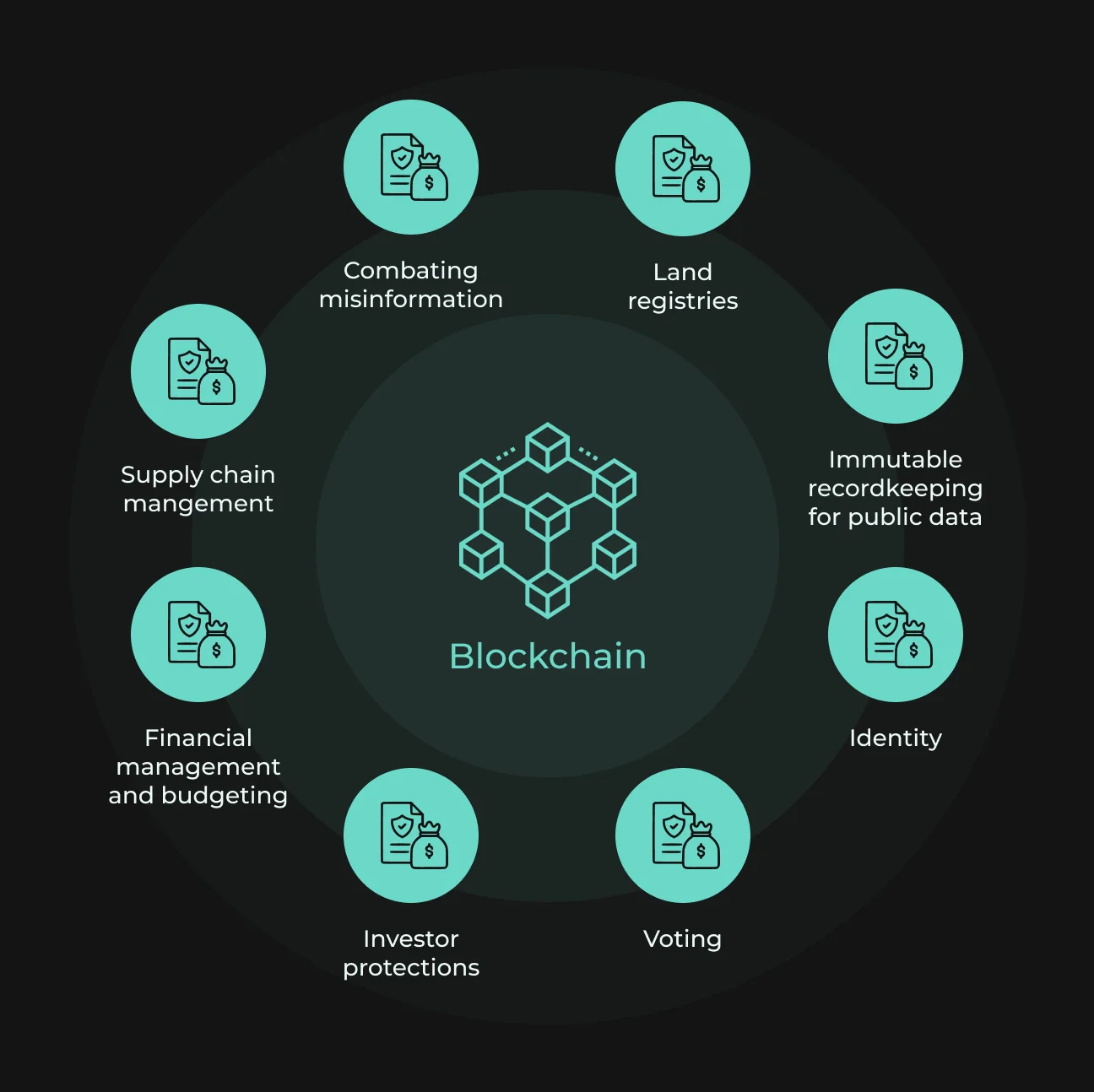
Blockchain also protects digital identities, which is especially important when physical documents might be lost, like in refugee crises. It allows governments to improve public services and gives people more control over their own data.
How SapientPro Used Blockchain to Trace Steel Supply Chain
Blockchain is often associated with bitcoins, but it can do much more than just cryptocurrencies. This technology can greatly influence areas like retail, healthcare, banking, and manufacturing. During our work on the SteelTrace project, we found how blockchain can effectively manage smart contracts.
So, we wanted to speed up the process of gathering official signatures and certificate data, which usually slows down the supply chain.
Traditional digital methods can't always stop unauthorized document changes or copying. Our goal was to create a new system that merges quality management with advanced tech, using blockchain, platform technologies, mobile devices, and standardization.
This digital system, called SteelTrace, is designed to efficiently monitor the steel supply chain for the chemical and petrochemical industries. We developed both mobile and web apps for this project using React Native, React.js, and Google Cloud Platform.
SapientPro has created an application with nearly 100% uptime that can:
- Collect and check product data with set rules;
- Assign a unique digital ID to each product;
- Use cryptographic signatures to ensure data authenticity;
- Store certificates securely for easy searching and tracking;
- Provide fast access to certificate details.
The platform has already attracted three top European companies from the chemical and petrochemical sectors and gained more investments to support its growth. Reach out to us if you want to build a successful application.
Partner with SapientPro to Build Your AI & Blockchain Solution
SapientPro is the perfect tech partner for integrating AI and blockchain into your product. We create AI solutions that meet business needs, make tasks easier, boost team productivity, and offer lasting value.
Let's work together to develop a collaborative & decentralized project that will transform your industry and improve customer service.
Integrate AI Solutions Into Your Products with Sapientpro