All How to Create a Multilingual AI Voice Assistant: Architecture, Tools, and Tips
October 19, 202610 min read


Let's be honest, we’re not all multilingual people who can change accents or translate in a second. Even if we speak another language, it takes some time to analyze everything and give a correct answer. But technology can do all that.
Multilingual voice agents can handle a great number of languages and adapt on the fly to different accents, contexts, and even dialects. Language barriers became just a thing of the past for sales or service.
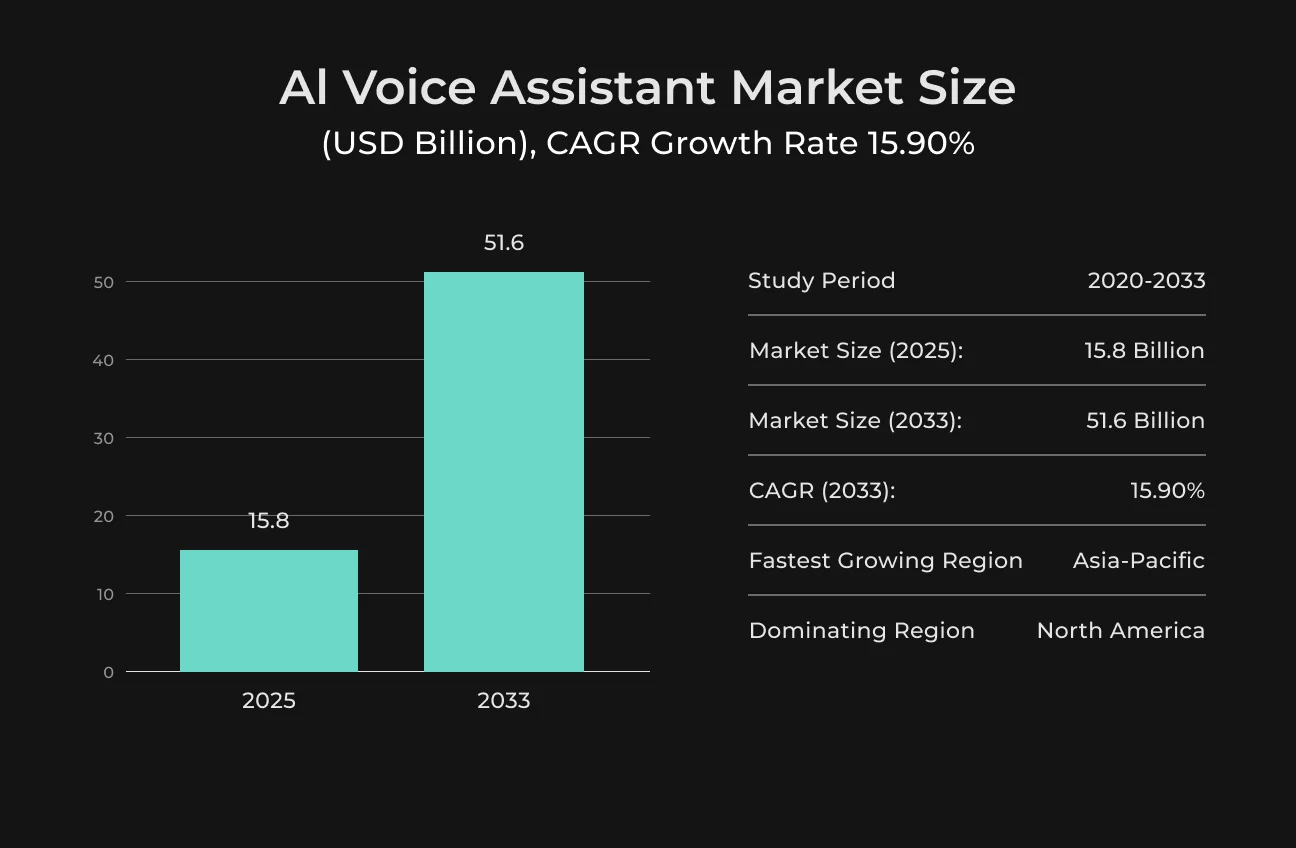
The AI voice assistant market is booming, with predictions of a 15.90% annual growth rate. About 75% of online shoppers are more likely to buy products if the info is in their native language. Some clients will even pay extra just to read the label in their own tongue.
But not all AI agents are equally useful. This article from SapientPro offers a practical guide to creating voice agents that can communicate seamlessly with customers in any language.
Key Takeaways
- Multilingual voice agents can use many languages and adapt to different accents, contexts, and dialects;
- Multilingual AI voice assistants work based on some core technologies, like speech recognition and natural language processing (NLP);
- AI is a key mechanism of quality customer service — 97% of businesses in retail, finance, healthcare, and tech want to use AI to help clients.
What Is AI Voice Assistant and How It Works
An AI-based voice assistant is software that can listen to you, understand what you say, and speak back. It also learns new tricks over time by interacting with you and works through either the internet or nearby devices.
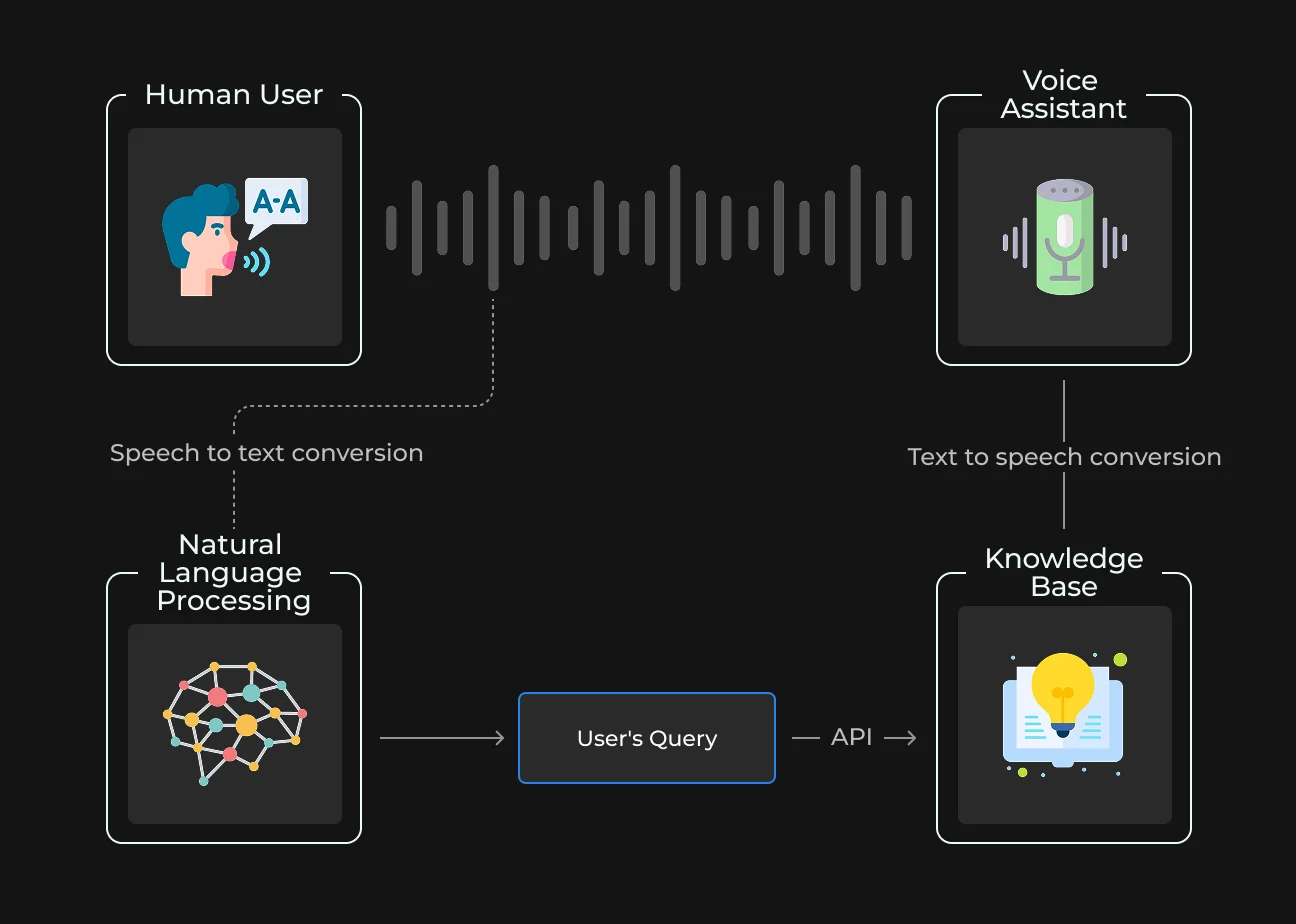
Here’s how a voice assistant actually does its job:
- Detects starting words. You likely start a conversation with an assistant using phrases like “Hey Alexa” or “Hey Siri” to wake it up;
- Recognizes speech. When it's on, it listens to you and turns your talk into text;
- Uses natural language processing. A voice assistant figures out what you need, like setting an alarm or finding a recipe. And then it grabs the important signals, like times and names;
- Starts backend processing. Multilingual voice technology taps into the necessary services to get everything done. If you want to find music, it heads straight for your music app. If you ask about the weather, an AI assistant checks with a weather service;
- Generates a response. It creates a custom response, like telling you it's raining in New York or playing your favorite songs;
- Turns texts into spoken words. An assistant uses text-to-speech (TTS) to reverse its reply back to speech, making sure you hear it clearly.
Core Technologies in AI Voice Assistants
Here's a quick explanation of each core technology that a multilingual AI voice assistant works based on.
Automatic Speech Recognition (ASR)
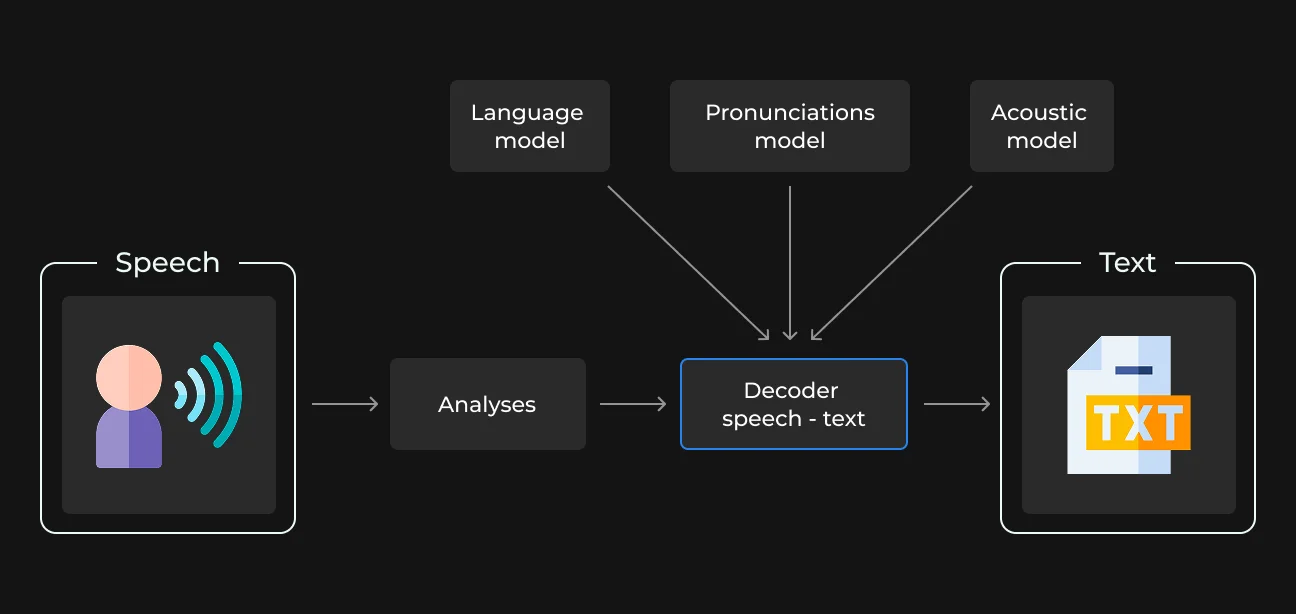
Automatic speech recognition (ASR) technology uses machine learning and AI to convert spoken words into text. Unlike natural language processing (NLP), which focuses on understanding and imitating human writing, ASR is designed to capture and transcribe what you say.
It all connects to an acoustic model that connects sounds to word parts. Then, language and pronunciation models join, sorting out which sounds make up actual words and sentences.
Natural Language Processing (NLP)
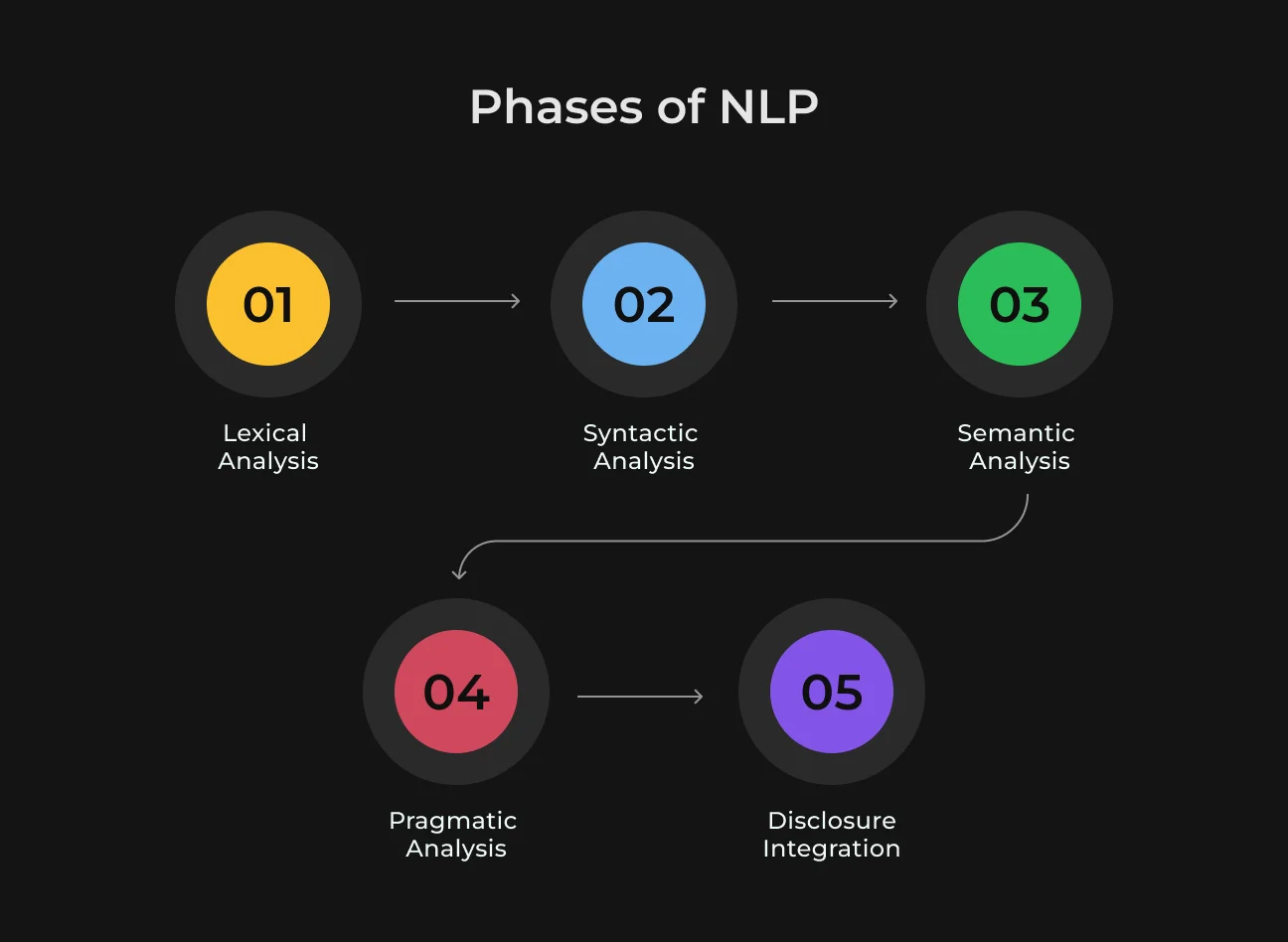
Natural language processing integrates computer science and language studies to design technology that can understand and use written and spoken language.
NLP has two main parts. The first one is to understand what text means, which is natural language understanding (NLU). And the second part is natural language generation (NLG) — getting machines to make text. It's different from speech recognition, which changes speech into text and vice versa, but they often work in parallel.
Text-to-Speech (TTS)
Text-to-speech technology takes written words and turns them into spoken audio with an AI voice. These systems rely on advanced voice models. They can create voices that speak naturally in multiple languages, accents, and tones.
Difference Between a Voice Chatbot and a Conversational Assistant
First, let's figure out what a voice chatbot and conversational AI are, and then we'll check out how they're different.
Chatbots
A voice bot is a smart AI-based assistant that uses a speech-to-text system and quickly converts your words into text and back to speech. In business, voice bots are often used for scheduling appointments, taking orders, or answering common client questions.
Conversational AI
Conversational AI is like an upgraded voice chatbot. It uses machine learning and natural language processing to chat like a human, and understand words, context, or even your mood.
Companies use conversational AI programs for sales and customer service to go beyond just answering common questions. They can learn and adapt as they interact with customers.
What’s The Difference?
Voice Chatbot | Conversational AI |
A voice chatbot mostly gives basic responses and sticks to text. |
Conversational AI chats like a human expert and learns from every dialogue.
|
Use Cases of a Multilingual AI Voice Assistant
AI voice assistants that speak one language are certainly of great value to businesses. But they become much better with multilingual skills. Check out these real-life examples of what a multilingual AI voice assistant can do in various fields.
Customer Support Across Borders
Many businesses are serving customers on a global scale. A multilingual AI voice assistant is a perfect addition to this shift, since it allows companies to talk to clients in any language.
For example, when a customer who doesn’t speak your language asks for more product details, a human assistant might struggle to find the right words quickly.
A multilingual assistant can do that quickly, which means less waiting, happier customers, and more loyal clients. Plus, it makes customers feel special—and that's always a win.
International Travelling
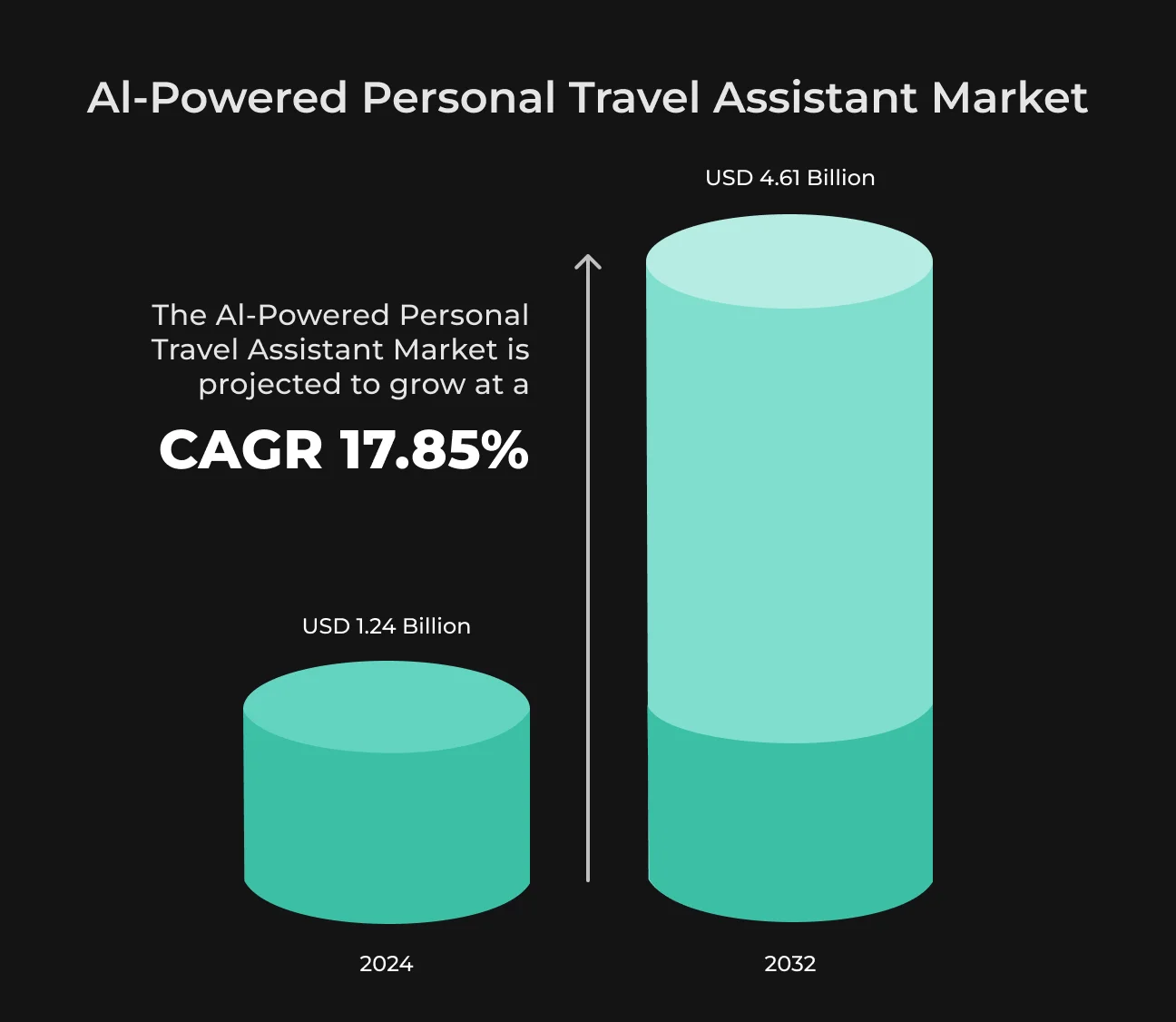
Visiting a country where you don’t speak the language can be frustrating. A multilingual AI voice assistant is like hiring your personal translator, who helps you easily communicate. Travelers can confidently order food, ask for directions, or chat with locals.
Healthcare Support
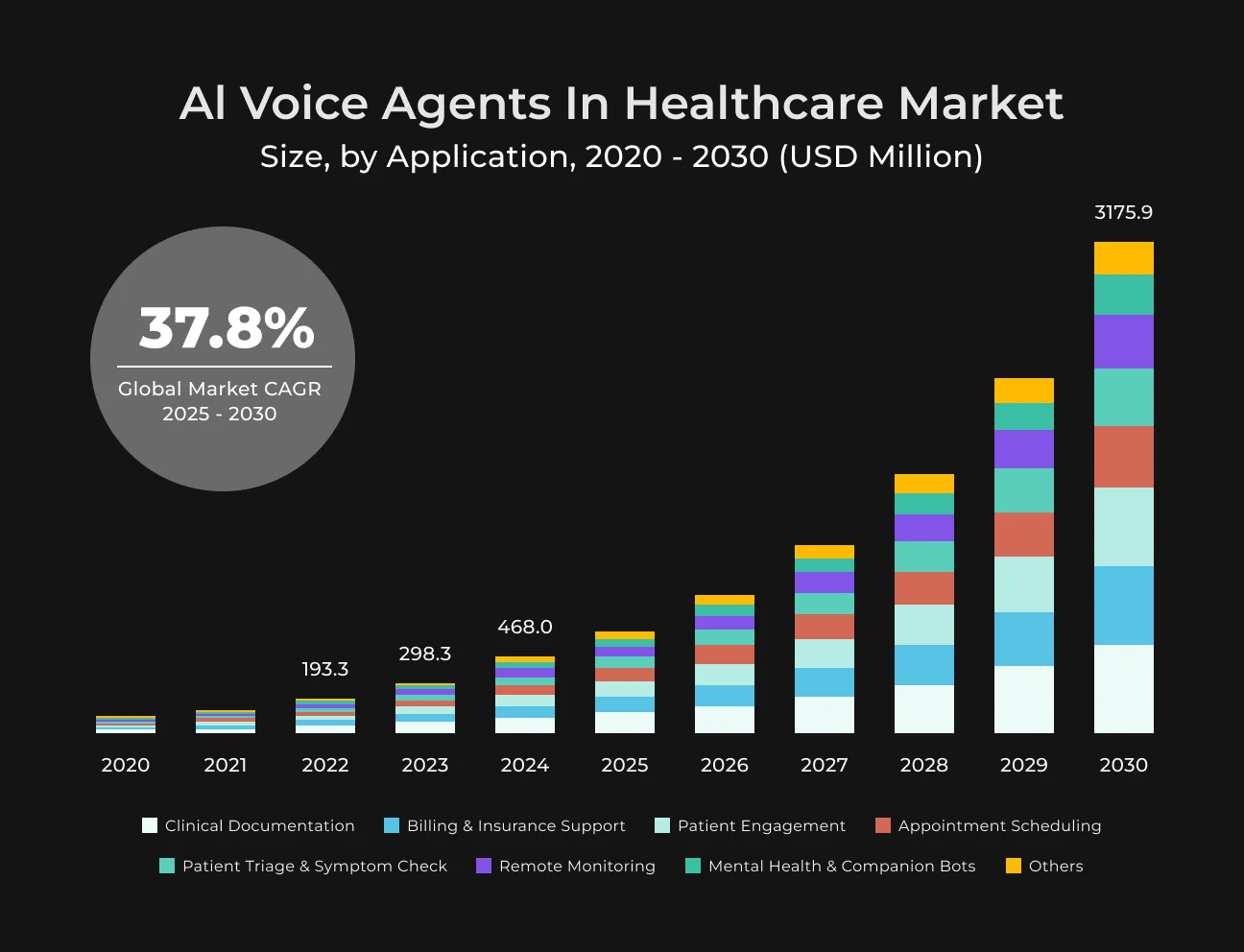
A multilingual AI voice assistant is a major advantage for healthcare facilities. It closes language gaps, ensuring patients understand their medical information and treatment plans.
It helps doctors and nurses turn confusing medical words into simpler terms for patients. This tool fosters care quality and results, making healthcare more accessible to everyone.
Smart Home Interactions
You can now use your smart home devices in any language you want like set reminders, control gadgets, ask questions, etc. This improves communication and makes it more natural. Now, 79% of smart home gadgets are equipped with AI-powered voice assistants.
Finance and Banking
Banking literacy can be tough even when you communicate with a human expert in your native language. But it gets especially tough if English, for example, isn't your first language. For example, in India, where multiple languages are spoken, one-language banking services aren't actually useful.
That's where the multilingual voice assistant steps in. It helps customers check account details, fill out credit forms, get fraud alerts, etc., in their chosen language.
A report shows chatbots and virtual assistants are the most popular AI tools in banking, and are used by 87% of people.
Key Components of a Multilingual AI Voice System
Multilingual AI voice software creation needs a few key components that help it run, comprehend, and speak different languages. Let's check these components out.
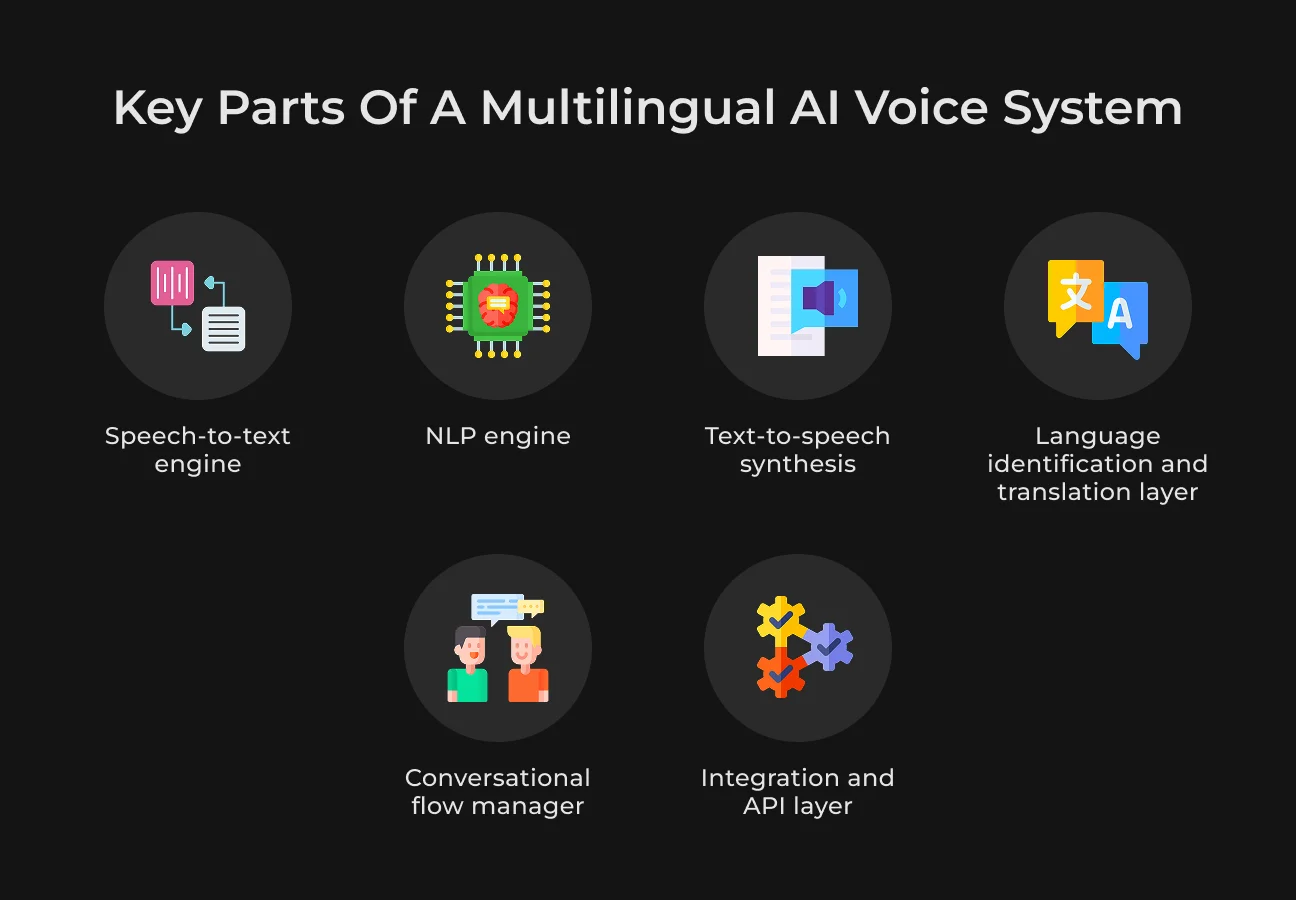
Speech-to-Text Engine (ASR)
Artificial intelligence speech-to-text systems can understand different languages and accents. They depend on big, varied datasets and inclusive models to perform.
Examples are Google Cloud and Microsoft Azure, which provide services that transcribe and translate many languages. They use technology like encoder-decoder transformers, which means you don't need a different model for each language.
Language Identification and Translation
Real-time voice translation makes talking in different languages super easy. It works with these three main tech:
- Automatic speech recognition (ASR) — converts spoken words into text;
- Neural machine translation (NMT) — changes that text into another language;
- Text-to-speech (TTS) — turns the translated text back into speech.
These systems often miss emotional cues like tone or emphasis. So, conversations end up flat and robotic, losing the emotional impact and feeling less human.
In a multilingual AI voice system, the language identification and translation layer are key players. This layer uses algorithms to quickly figure out what language is being spoken without user hints.
Once the system identifies the language, it can switch to translation mode and turn spoken words into its preferred language or any language you select. Besides, an AI voice assistant keeps the meaning, uses idioms correctly, and makes sure translations fit the culture.
NLP Engine
The NLP engine acts like a brain, figuring out and organizing what people say. In a multilingual system, it sorts out various languages and cultural quirks.
This system decodes user intentions, like table reservation or checking the weather, using sophisticated models to interpret how people express themselves, even in different languages.
Not only does the NLP engine detect your requests. The system gets important details like names, dates, or places. It works with different languages and situations to make sure it captures everything crucial.
Conversational Flow Manager
The conversational flow manager keeps the chat between the user and the AI voice system, making sure everything makes sense and stays on topic. It basically organizes how the conversation unfolds.
For example, the flow manager organizes replies, keeps track of conversations, and adapts to what people say.
In a multilingual voice setting, this manager has to run cultural and language differences as well.
Text-to-Speech Synthesis (TTS)
Text-to-speech (TTS) technology uses AI to turn written words into speech, giving computers a human-like voice. It uses advanced voice models to speak naturally in various languages and styles.
Basically, TTS works in four main steps:
- The system grabs the text;
- Gives it a grammar and structure makeover;
- Adds rhythm, pitch, and intonation to make it sound more natural.
- Finally, your text becomes a digital voice performance.
Modern text-to-speech systems can now produce voices that are more expressive and can even laugh, whisper, or sound sad.
Integration and API Layer
The integration and API layer connects the AI voice system to other apps, devices, or services, letting it perform all sorts of functions.
This layer is like a voice system’s matchmaker, connecting it with external resources like data storage, third-party services, or smart gadgets. It helps the system share information, control IoT gadgets, and solve complex tasks.
You can add new languages or AI voice assistant features without causing chaos, keeping the system up to date.
How to Make a Multilingual AI Voice Assistant in 7 Steps
If you want to build an assistant that talks fluently in multiple languages and navigates all kinds of conversations, just follow these seven steps.
1. Choose Your Tech Stack
Your technology choices influence how easily you can build, expand, and manage everything. Choose programming languages and frameworks that are strong, flexible, and fit for AI tasks. As your choice will shape your whole project journey.
You can check out our practical article on top languages for machine learning to help you decide.
2. Set Up ASR and TTS Libraries
Teach your assistant to listen and speak. You need to use automatic speech recognition (ASR) and text-to-speech (TTS) tools.
ASR helps by converting speech into text, which allows your assistant to hear you. Choose ASR tools that excel at handling different languages, accents, and slang.
For TTS, go for options that create smooth, natural voices and can switch languages effortlessly. Your assistant would sound smart, not like a robot.
3. Integrate NLP for Understanding
To make AI seem friendly and easy to use, it all begins with grasping human language. With advanced natural language processing, your assistant can figure out what users want and extract key details from their chats.
- Generative AI voice assistants. They use AI to make replies sound as natural and personal as talking to a friend;
- Use of LLMs (like GPT models). Large language models help the assistant understand and adapt to different conversation styles;
- Personalization. With user profiles and emotion sensing, your assistant becomes a personal helper that knows your preferences and feelings.
4. Add Multilingual Support
Teach your assistant different languages, including their peculiarities, to make it multilingual. Also, add language detection so it can switch languages automatically.
To take requests like weather updates in Hindi or sports scores in French, create language pipelines in your code. Ensure the assistant grasps cultural nuances to engage in true conversation, not just word translation.
5. Train and Fine-Tune Models
Train your AI in a way that it learns words like a local and picks up on the little quirks and sayings that make talk real. Begin with diverse datasets that cover lots of different styles and situations to help your model understand various scenarios.
Also, let your assistant learn from user feedback and quickly adjust to fresh conversations.
6. Test with Different Accents and Dialects
The world is full of unique voices, so try to test your assistant with various accents and dialects. This helps your AI understand the distinct sound of each speaker.
You can either gather a group of testers or use datasets with real-life language examples. This will reveal what your assistant is good at and highlight its weaknesses.
7. Deploy the Multilingual AI Assistant
The time has come for deployment. Build a robust infrastructure for ongoing learning and updates. This will allow your AI to grow just as language evolves.
Collect their feedback, and keep improving everything. Remember, deployment is just the beginning — then starts ongoing engagement and innovation.
Challenges in Building Multilingual Voice Assistants
AI technology can be complex, especially when working with a multilingual AI voice assistant. There are some pitfalls to be aware of before starting your own project.
Managing Code-Switching and Dialect Differences
When people talk, they may often mix languages. This process is known as code-switching, and it really complicates life for voice assistants (not to mention different dialogues).
To make an assistant that can balance it, you need advanced language models that can quickly leap between languages. There should also be high-quality data to train AI voice models on.
Real-Time Translation Lag
Imagine asking a question and waiting forever for an answer, annoying, right? That's what happens when translations lag. Multilingual voice assistants have to manipulate speech processing, translating, and putting it all back together instantly. Any delay messes up the smooth experience we want.
Accent Bias in Datasets
Accents liven up our speech and show off our cultural flair. But they can trip up multilingual voice assistants if left out. Also, since these assistants might be trained with biased data, they sometimes prefer certain accents.
Try to use varied training data to equally represent all accents.
Data Privacy and Regulatory Compliance (GDPR, HIPAA)
With all these data breaches happening online, following rules like GDPR in Europe or HIPAA in healthcare is a must.
Safeguard data with encryption, maintain it anonymously, and be transparent about its use. People just want to be sure their personal information is safe.
Tools and Frameworks for Voice Assistant Development
This table shows different tools and frameworks for developing AI voice assistants.
Function | Popular Tools | Additional Insights |
| Speech recognition | Google Speech-to-Text, Microsoft Azure Speech, IBM Watson Speech to Text | Converts spoken language into text |
| NLP | Dialogflow, IBM Watson Assistant | Helps understand and process natural language |
| TTS | Google Text-to-Speech, Amazon Polly, Microsoft Azure Text-to-Speech | Generates natural-sounding speech |
| Dialogue management | Microsoft Bot Framework, OpenAI GPT Model | Handles the flow and context of conversations
|
| Backend development | Django, Node.js, Flask (Python) | Manages logic and data.
|
| Cloud platforms | AWS Lambda, Google Cloud Functions, Microsoft Azure Functions | Offers serverless functions for running scalable tasks |
| Voice interface design | Figma, Adobe XD, Voiceflow | Designs and creates prototypes for voice interactions
|
| Audio processing | Audacity, FFmpeg | Great for editing audio files to customize voice recordings.
|
| Testing | Docker, Postman, Jenkins | Helps test APIs and CI/CD pipelines for reliable distribution. |
How SapientPro Built a Dialect-Sensitive AI-Based Voice Assistant
Our client wanted a specific application that could identify Arabic dialects in the first few words of a phone call. To pull this off, we dug deep into existing models and tech.
We pieced together a solution using a mix of pre-existing models to both spot dialects and keep the conversation smooth. Once it figures out the dialect, the AI takes over and chats in that dialect.
Key features we included:
- Real-time dialect detection;
- AI that switches to native dialect;
- Combo of hybrid models.
We built a model to distinguish dialects, gender, and tone, so it can respond in ways that fit the culture and region. We also created a TTS engine that talks just like a local, with the right timing, accents, and emphasis.
Future of Conversational AI Voice Bots
Conversational AI is becoming a key mechanism of quality customer service. This technology offers instant help, personalized conversations, and top-notch security. Just see these promising numbers:
- 97% of businesses across retail, finance, healthcare, and technology want to use AI for customer service; 63% are focusing on AI voice assistants, and 43% on chatbots;
- AI voice recognition now achieves over 95% accuracy, even in noisy environments. This makes it especially useful for tasks like medical dictation, real-time translation, or running industrial machines;
- AI will run 10% of customer service chats by 2026;
- By 2029, AI is expected to take on 80% of routine customer service matters, cutting costs by 30%.
Partner with SapientPro to Create Your AI Voice Assistant
Working with SapientPro to build your AI voice assistant means teaming up with experts who are all about innovation. We have professionals in AI, machine learning, and natural language processing, so we create voice assistants that totally understand you.
SapientPro's conversational AI technology will help you stay ahead of the digital world. Reach out to us for a professional consultation, and let's get started.
Connect Voice AI to Your Business
Let callers book appointments and check orders through your existing systems. All automated with minimum manual intervention.