All How Are AI Agents Used in Finance: Applications and Benefits in 2025
Updated:April 29, 202615 min read


AI agents are smart systems that take over complex tasks that used to need a lot of human effort. They can manage daily tasks, detect fraud, and accurately predict market changes. With generative AI in finance, 39% of work is fully automated in capital markets, insurance, and banking.
This has led to a surge in AI investments in the financial sector.
AI agents can sift through massive amounts of data to find patterns humans often overlook, which helps make the right decisions about investments, loans, and other financial matters.
It also helps companies detect fraud by monitoring numerous transactions at once, quickly spotting any suspicious behavior to protect funds and prevent crime.
This article is based on SapientPro’s experience in developing AI agents for different niches. You’ll learn the most common AI applications in finance and how to solve the key challenges.
Key Takeaways
- AI agents make the work of financial institutions more efficient by running routine tasks, improving data accuracy, and speeding up decision-making;
- AI agents analyze customer data to offer personalized financial advice and customized recommendations for wealth management;
- They play an important role in detecting fraud in real-time and automating compliance with regulations. This keeps transactions secure and ensures industry standards are met.
What are AI Agents in Finance?
AI agents are advanced AI applications that can learn to manage complex tasks with minimal human help. This is the exact reason why they're getting a lot of attention in business technology.
Unlike traditional AI chatbots that could, for example, suggest trip plans or vacation places, AI agents do much more. They can plan your entire trip, purchase tickets, and find nearby restaurants.
They also learn to interact with different systems independently. While current AI chatbots need an API to connect with other systems, AI agents use computer vision to figure this out themselves.
AI agents in finance can now act as independent analysts and investment advisors. They can quickly assess risks, market trends, and strategies for the best opportunities. What makes them special is their ability to optimize financial returns, constantly adjusting strategies as better options arise.
Agentic AI also outperforms traditional AI in tasks like risk assessment and credit scoring. They quickly identify the best financial or behavioral data sources and can detect new risks and threats without being specifically programmed for them.
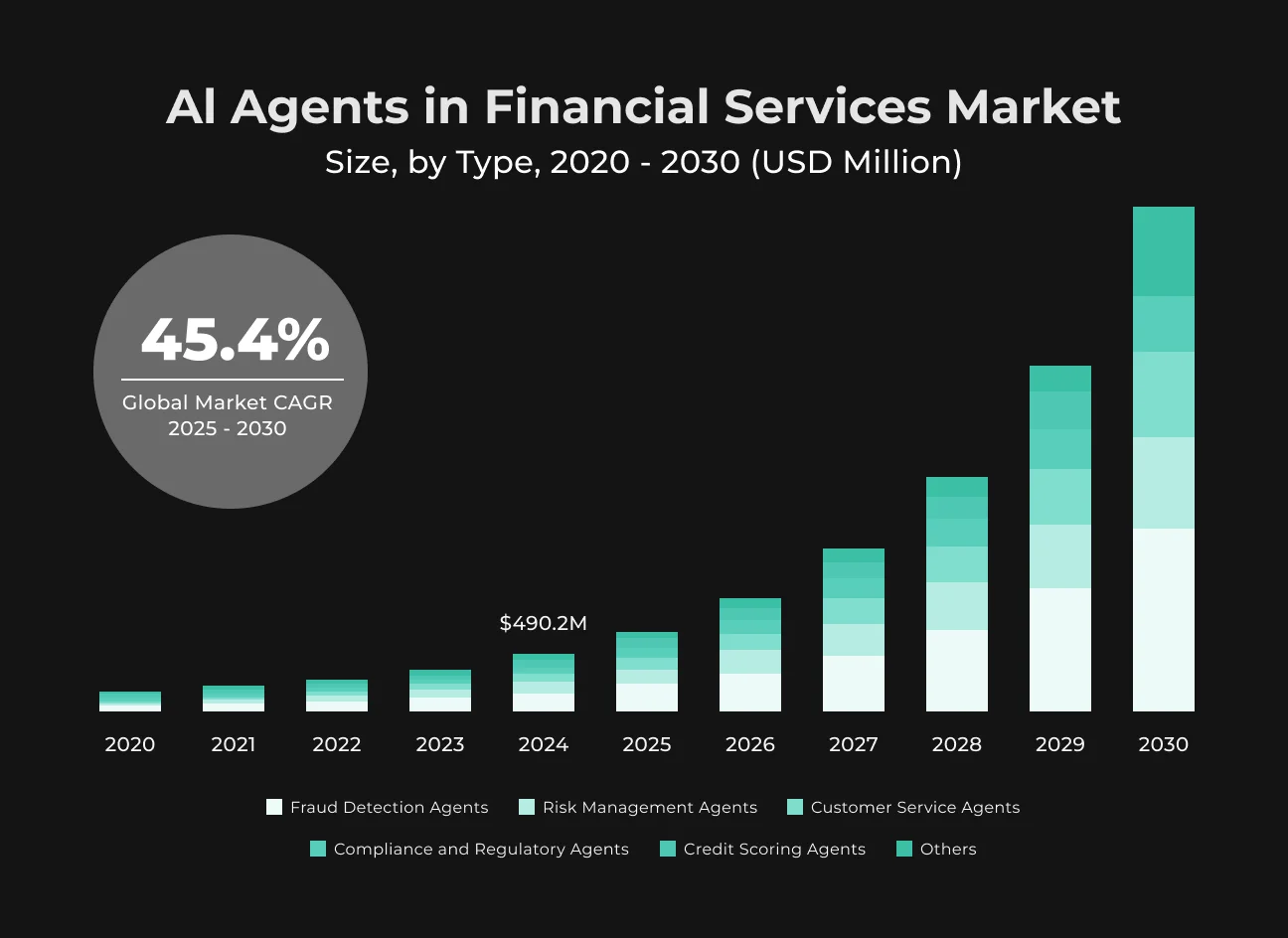
Let's explore the main parts of AI agents to help you understand what principles guide them.
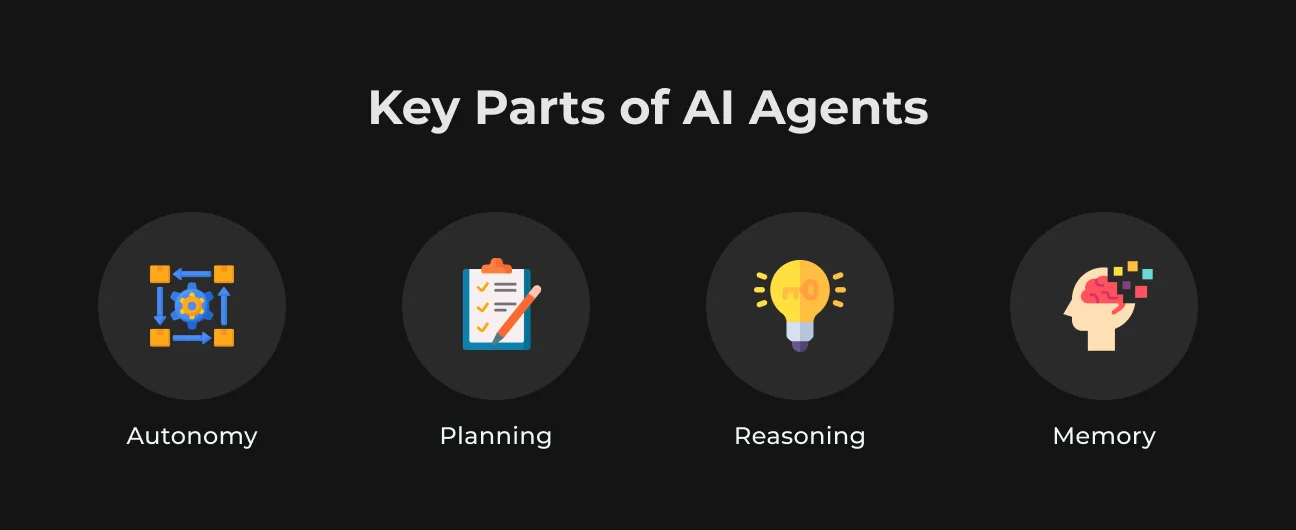
Autonomy
Agentic AI is a type of artificial intelligence that operates on its own to reach certain goals. It can understand user needs and situations, and then make decisions and take actions using machine learning.
For example, AI-driven chatbots can manage up to 80% of routine customer service inquiries, which allows human agents to concentrate on more complicated matters.
Planning
Reactive agents just respond to immediate inputs, while planning agents can think ahead and decide their actions in advance. This especially helps when you need to manage schedules or optimize logistics.
The AI collects information, breaks down complex issues, plans task sequences, and notes dependencies. They use logic, machine learning, or set guidelines to find the best strategy.
Reasoning
Chatbots typically rely on simple rules for decision-making, while advanced agentic AI can evaluate options, measure their effectiveness, and improve over time. This reasoning module is crucial, as it helps AI decide what to do by analyzing factors and applying logic or learned methods.
Memory
Memory allows AI to store and access information, learn from experiences, and maintain context. It involves short-term memory for recent information and long-term memory for organized knowledge and past data.
Effective memory management is a significant part of customer service bots, recommendation systems, and virtual assistants. Without it, AI would forget past interactions, forcing users to repeat themselves. In systems with multiple agents, memory helps them update and share information.
Importance of AI in Finance
Imagine an AI agent that can independently analyze market data, understand trading signals, update strategies, follow trends, and manage risks in real-time. That's actually the goal of agentic AI, which uses advanced tools like sensors, APIs, and complex reasoning.
It's designed to quickly adapt to new information and automate financial tasks more effectively than current AI technologies. What else to know about AI in accounting and finance?
- Banking operations become faster as AI agents automate most of the processes;
- They adjust to new regulations automatically, helping reduce the risk of non-compliance and penalties;
- AI agents offer personalized financial advice, help with budgeting, and provide custom financial solutions based on individual goals and life situations;
- Agentic AI also helps assess credit for microloans and manage flexible asset strategies for underbanked communities.
AI Agents in Finance Use Cases
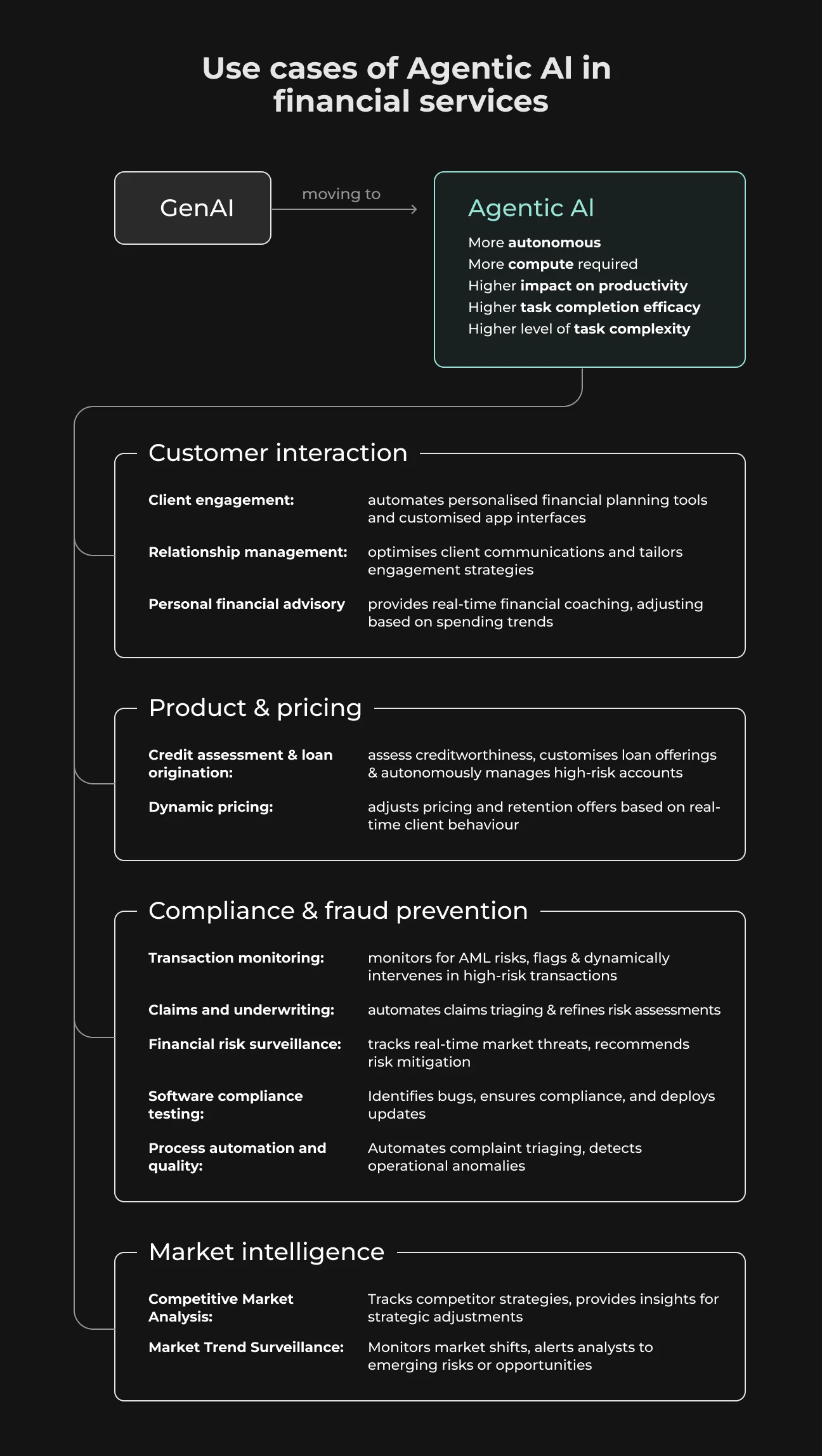
Agentic AI can significantly benefit your business by automating a variety of process streams. Look at some practical AI use cases in finance below.
1. Real-Time Market Trading & Autonomous Execution
In the past, traders mostly relied on news, expert opinions, or historical data to make decisions. But now, with vast datasets and global events affecting the market, manual tracking is tough and nearly impossible. AI systems have changed this approach to trading by quickly processing large amounts of financial data and identifying patterns.
This means trading has shifted from using fragmented information to real-time data analysis.
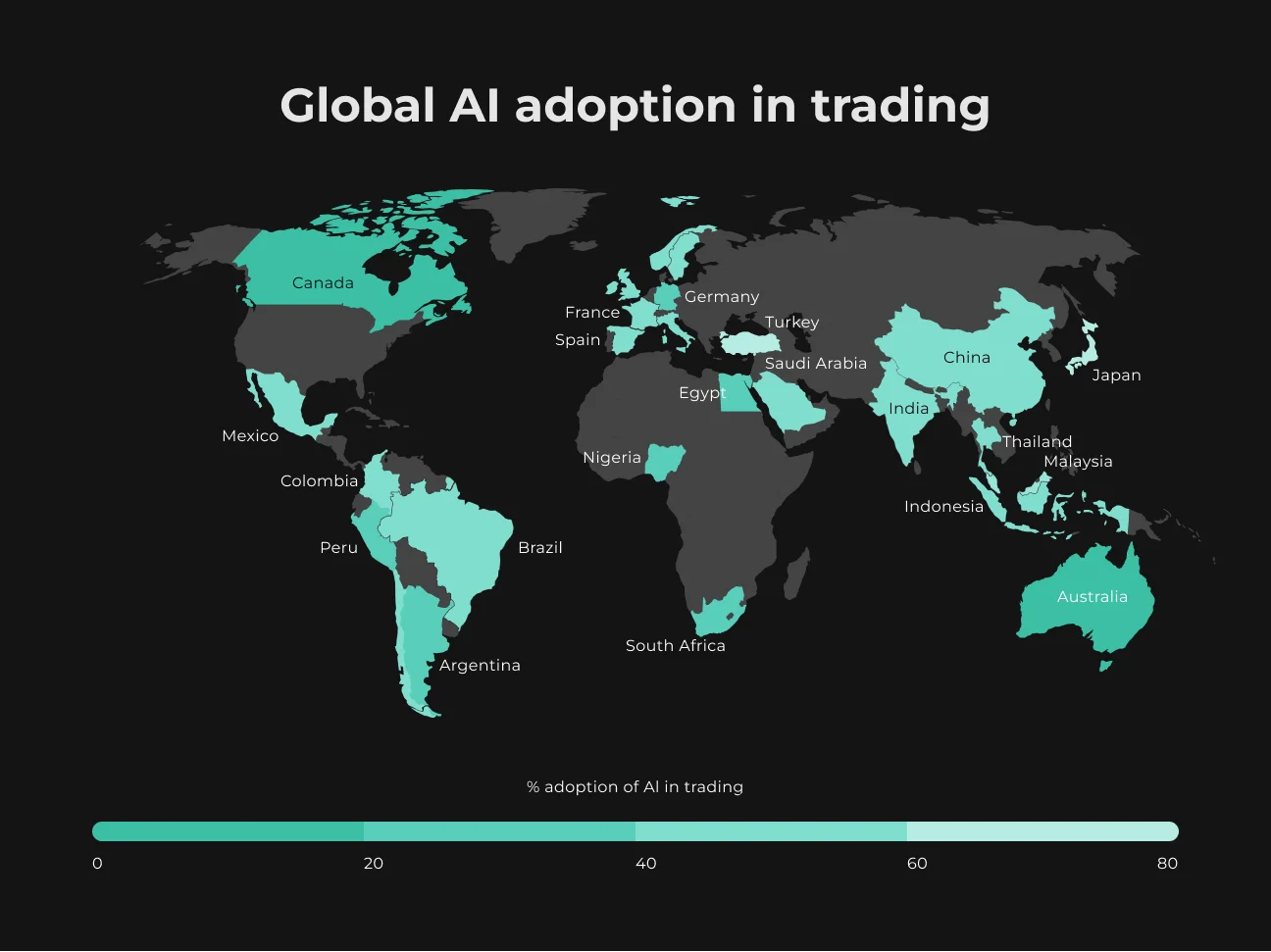
AI agents do more than just help traders, they can analyze trends and make trades. In 2025, it's expected that AI will manage nearly 89% of global trading, impacting everything from quick equity trades to decentralized crypto markets. The AI trading market is expected to reach $35 billion by 2030, driven by the need for data-driven insights and efficient trading.
2. Risk Modeling & Stress-Testing Automation
Stress testing that is based on AI uses machine learning and big data to see patterns and create various possible scenarios. Unlike older models, AI uses methods like neural networks, deep learning, and decision trees. This allows for scenarios that adjust to new information and offer better insights into potential risks.
AI agents help banks conduct tests more efficiently by examining many scenarios. This makes them better prepared for any financial crises and tough times. AI learns from past data, just like humans, and gets better at making accurate predictions for the future.
3. Regulatory Reporting & Disclosure Generation
AI agents stand out from traditional automation tools because they work autonomously. They can watch, learn, and decide on their own. In financial reporting, this allows them to:
- Manage messy data;
- Find errors;
- Solve errors with minimal human help.
Organizations usually collect data from different sources, correct any mistakes, and enter it manually. This process can often lead to errors and delays. AI agents learn to recognize accounting patterns, apply rules, and create journal entries automatically.
They get better each time by learning from their own mistakes with new data.
Financial statements need to be clear to stakeholders. AI designed for narrative reporting helps analyze data on revenue trends or profitability ratios and translate them into structured narratives. This saves accountants time on writing reports as well as ensures a consistent tone.
4. Finance Data Ingestion & Reconciliation
The transaction reconciliation process was a daunting job with lots of human mistakes, mainly because of its manual nature. The advent of AI agents, of course, has transformed this process.
Agentic AI tools can quickly and accurately analyze large datasets, find discrepancies, and notify staff of any mismatches. They proficiently match transactions, detect patterns, and anticipate potential issues before they occur.
For example, an AI agent can automatically extract relevant information when processing an invoice, match it with purchase orders, and start the payment process.
5. Audit Procedure Orchestration
Agentic AI can oversee complete financial processes from start to end, not just take on single tasks. It can recognize issues in financial data, analyze these issues, evaluate their impact, propose solutions, and even take action independently.
For example, a controller might use an AI agent to close the books at the end of the month. Instead of doing it manually, the AI finds missing entries, communicates with the right people, and resolves everything on its own, making the whole process much faster.
By continuously monitoring data and transactions, the AI generates real-time audit trails. It automatically flags potential compliance issues and helps teams get ready for audits in advance.
6. KYC/AML Screening & Due-Diligence Workflows
A key issue during KYC and customer due diligence (CDD) is sorting through false alerts. This task can cause real risks to be missed and delay attention to high-risk customers because of limited resources.
Basically, manual processes pose a real challenge for banks, and 94% admit they are a major operational issue. Also, 80% of banks believe technology needs the most funding for AML/KYC compliance.
AI systems can reduce this load by automating many due diligence tasks that are typically slowed down when done manually. For example, these systems can run initial customer screenings against critical risk data like sanctions or adverse media, and notify staff about any matches.
AI also continuously monitors risks and updates customer profiles, allowing a move from occasional to continuous KYC practices.
7. Fraud & Anomaly Detection in Transactions
Traditional fraud detection systems are still effective, but they might miss new types of fraud. AI-driven systems, on the other hand, improve their accuracy by learning from actual fraud cases as well as legitimate transactions.
Machine learning-based systems can detect fraudulent transactions with 85-95% accuracy, whereas traditional methods only reach 60-70%. Plus, transaction monitoring systems with built-in anomaly detection can identify up to 50% more suspicious activities compared to traditional AML monitoring solutions.
AI is not only fast, it understands those new patterns. It spots unusual activities by learning a person's common habits. For instance, if someone typically makes small purchases and then suddenly tries to make a large transfer, AI can flag this as suspicious.
8. Personalized Robo-Advisor & Wealth Planning
Robo-advisors are AI-based online solutions that use algorithms to create investment strategies based on your goals, risk preferences, and timelines, minimizing the need for human involvement. They function like expert systems to replicate the decision-making of skilled professionals.
This allows financial institutions to reduce expenses by using virtual tools for routine inquiries, while human advisors can run more complex tasks.
Modern robo-advisors typically employ passive indexing strategies enhanced by modern portfolio theory (MPT). They also offer niche options like socially responsible investing, halal portfolios, and hedge fund-like strategies. These services come with advanced features like tax-loss harvesting, investment selection, and retirement planning assistance.
9. Credit Underwriting & Loan Servicing Automation
To get a loan in the past, a person needed to go through every detail manually, which was really time-consuming. This old method often caused inconsistencies because the result always depended on who reviewed the application. Thanks to automated AI agents, this process became faster and reliable.
Artificial intelligence can quickly review a loan applicant's past repayment history to predict their ability to repay in the future. This enables banks to give loans to individuals who are likely to repay them.
Over half of the surveyed banks plan to invest at least $100,000 in machine learning credit models over the next three years, with 12% planning to invest $500,000 or more.
Artificial intelligence also cuts down loan processing costs. By automating most tasks and reducing the need for manual work and specialized staff, financial institutions save money on loan processing and customer service.
11. Customer Service Chatbots & Voicebots
Finance chatbots are more advanced than typical chatbots. They can understand financial terminology, navigate industry regulations, and safeguard your financial details. They also answer basic questions, assist with account management, facilitate transactions, provide tailored financial advice, and guide users on loans and investments.
With the increasing digitization of the financial sector, chatbots are now crucial for customer interaction, delivering immediate, 24/7 support that human teams can't consistently provide.
Chatbots like ChatGPT streamline banking by helping customers with financial tasks via voice or text. Users can easily check their balance, view their transaction history, and learn about banking services.
12. Treasury Cash-Forecasting & Liquidity Management
Traditional forecasting methods often fail, particularly in unpredictable situations, because they rely on outdated indicators and infrequent updates. AI-powered forecasting uses real-time data from sources like ERP systems, bank records, and economic signals to identify patterns that manual analysis might miss. This gives companies using AI a 20-30% boost in forecasting accuracy and helps them make quicker decisions.
AI agents also manage tasks like data collection, anomaly detection, and model refinement. This minimizes human error and frees up teams to concentrate on strategic analysis instead of merely compiling forecasts.
For stress-testing liquidity, traditional methods can also be outdated since they use fixed scenarios that don't adapt well to change. AI, though, can generate diverse scenarios and highlight key factors, which allows treasury teams to be proactive in planning rather than just reacting to changes.
I see AI agents as game changers for finance. They bring autonomy, speed, and precision to critical processes like trading, fraud detection, and compliance. AI empowers financial institutions to innovate faster while reducing risks and boosting customer trust.

Ion Hrytsku
Benefits of AI Agents in the Financial Market
Let’s look through the key benefits of AI in finance:
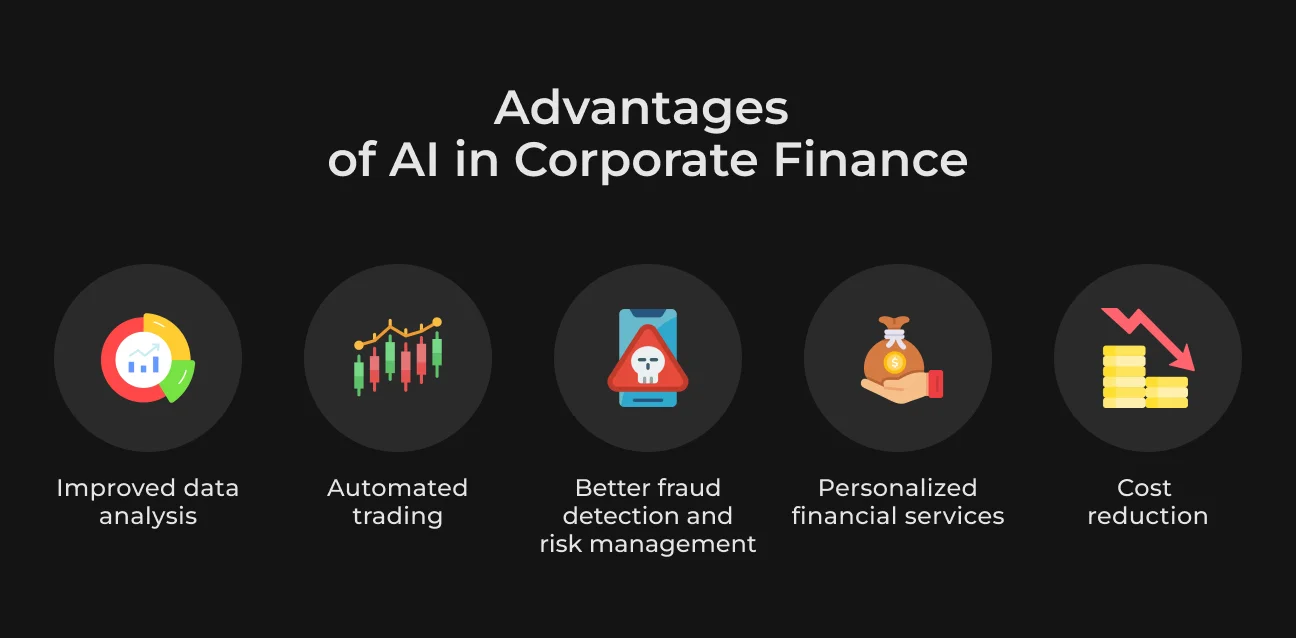
- Improved data analysis. AI agents can rapidly analyze complex datasets. This ability helps financial analysts see trends and patterns that might otherwise go unnoticed;
- Better fraud detection and risk management. Since AI agents monitor transactions in real time, they can identify unusual patterns that could suggest fraud. This boosts security and trust in financial transactions;
- Automated trading. AI agents perform trades based on predefined criteria more quickly than traditional methods, which boosts trading efficiency and speed. This automation ensures timely market entries and exits as well as maximizes profits;
- Personalized financial services. With the help of AI, financial institutions can offer personalized advice and services to each individual;
- Cost reduction. By automating routine and repetitive tasks, AI agents reduce the need for human input. This helps reduce operational costs and boost profitability.
Challenges & Risks of Agentic AI in Finance Industry
AI agents have a clear advantage over traditional AI systems because they can act independently. But this independence comes with new risks. For example, if an AI makes its own decisions, who takes responsibility for them? That's one issue, but let's look at other risks.
Regulatory Compliance & Evolving Standards
Banks have to follow strict rules for lending, trading, and data protection. In the past, people would review important decisions to make sure rules were followed. Yet, with AI's ability to make quick decisions, this old way is less effective and presents new risks for compliance. Basically, regulators deal with challenges like:
- Understanding how AI makes decisions;
- Monitoring for AI-driven market manipulation;
- Ensuring that consumer protection laws are followed.
Solution: Adaptive Governance Frameworks
Implementation of adaptive AI-governance frameworks can help financial institutions manage this risk. Connecting agent workflows with model-risk-management guidelines ensures that AI operations comply with regulatory standards.
Regular compliance audits are also important because they identify potential issues early. This allows institutions to make necessary changes to stay legally compliant while continuing to innovate.
Data Privacy & Cybersecurity Breaches
AI systems can't work correctly without access to sensitive data like customer financial records, transaction histories, and personal details. This raises important privacy questions, like how long they should keep customer data and who can access it. It also raises questions about what happens if these systems get hacked.
Since they hold valuable information, hackers often target these systems. A security breach might reveal the financial details of many customers.
Solution: Robust Security Protocols
Financial organizations should encrypt data both when it's being used and when it's being transferred. Security can be improved by using a zero-trust model, which limits access and requires continuous authentication and verification.
Also, companies should regularly perform red-team penetration tests to check the effectiveness of security measures. This proactive strategy helps find and fix weaknesses with every new agent release. It's a must-have for sensitive industries like finance and healthcare that work with user data.
See more
SapientPro's experts explain how AI supports cybersecurity and influences future trends
Read MoreBias, Fairness & Discriminatory Outcomes
AI systems use historical data to learn. In case that data contains biases, there's a chance the AI could also develop those biases. For example, if an AI is trained on past loan data where certain communities were often denied, it might make similar biased decisions. This could mean denying qualified borrowers just based on factors like zip code or name.
Solution: Bias Detection and Mitigation
It's important to use varied and representative training datasets. Implementing bias-detection tools helps find and fix biases in AI models before they go live.
Sharing detailed audits with steps to reduce bias can also improve transparency and trust, letting stakeholders know that fairness is a key focus.
Systemic Market Volatility From Synchronized Agents
When several AI systems function within the same market, their interactions can be unpredictable. If they all react to the same market signals, it can make the market more unstable.
This raises concerns like the difficulty of predicting AI interactions, a decrease in market diversity as AI systems start acting similarly, and the risk of AI systems coordinating in ways that resemble market manipulation.
Solution: Implementing Volatility Controls
Financial institutions can use circuit breakers to pause trading when there's too much volatility, which gives markets time to stabilize.
Scenario-stress tests can help simulate extreme market conditions to see how AI might manage them. Plus, position-limit throttles restrict how many trades AI can make, preventing any single strategy from having too much impact on the market.
Human Oversight & Accountability Erosion
If an AI trading platform follows its rules but still causes big financial losses during a market crash, who is responsible: the bank, the developer, or the AI? Current laws usually focus on human decision-makers, which makes it difficult to regulate autonomous AI. This leads to difficulties in:
- Deciding who is responsible when AI systems interact;
- Assigning accountability for unexpected AI behaviors;
- Setting standards for monitoring AI systems.
Solution: Enhancing Human-In-The-Loop Dynamic
Companies should have “human-above-the-loop” policies where human judgment takes priority over AI decisions. Real-time dashboards can help provide transparency into AI operations and let people monitor actions and their effects.
Plus, setting clear guidelines for managing issues and making decisions ensures quick and effective human participation.
Fraud, Adversarial Attacks & Spoofing
AI systems in finance are quite vulnerable to fraud and attacks, which can lead to financial issues. People with bad intentions might exploit flaws in AI algorithms to turn results in their favor, much like a clever chess player tricking a computer with unexpected moves.
Solution: Fortifying AI Defenses
A strong defense strategy can protect against threats. Anomaly-detection tools work like an early warning system, spotting unusual behavior that could signal fraud.
Organizations should also regularly change credentials and API keys to monitor unauthorized users and make it tougher for attackers to find weaknesses.
How SapientPro Uses AI to Help Business
SapientPro teamed up with a client in Switzerland to develop a platform for chemical safety compliance management. Because of challenges like outdated documentation, accessibility barriers, and language differences, they wanted a multilingual product to efficiently handle Safety Data Sheets (SDS).
We created a platform with easy-to-use features like organized SDS storage, automated data extraction, multilingual support, and role-based access control.
It helps hospitals and companies use advanced search tools, email integration, and SDS version tracking, all while complying with both global and local safety regulations.
Here are the solutions we provided to the client's challenges:
- Created a system to extract, classify, and consistently organize SDS data, covering chemical compositions, hazards, and safety guidelines;
- Improved the compatibility of SDS across different languages and formats to ensure global accuracy and fill documentation gaps;
- Introduced filtering options by ingredient, keyword, and regulatory criteria to allow faster searches for safety data;
- Enabled SDS retrieval using metadata and product descriptions, which helps locate older or externally sourced products.
Since its launch, SapientPro’s SDS Automation Solution has become the heart of a flexible safety-data platform. We tailor everything from data extraction and multilingual alignment to compliance modules to meet each client's unique needs in each project.
Trends of AI Agents in Banking and Finance
In 2023, financial services firms spent $35 billion on AI, with the investment expected to grow to $97 billion by 2027. This growth affects banking, insurance, capital markets, and payment services. Being a key investor in AI, the financial sector continues to use automation and machine learning to streamline processes, reduce expenses, and enhance accuracy.
Financial institutions now mostly use AI to improve customer service, strengthen anti-money laundering efforts, and automate tasks in both customer-facing and internal operations. But, as technology progresses, AI will definitely take on a larger role, managing tasks like guiding investment strategies almost on its own.
Eventually, AI won’t be just a standalone tool. It will be integral to company strategies and operations, and will easily integrate with other automation technologies across the organization.
Partner with SapientPro to Build Your Agentic AI Solution
For over 8 years, SapientPro's experts have been delivering advanced AI solutions for documents, images, and voice. We build scalable AI software tailored for both startups and large companies.
Our technology solutions will help your business automate repetitive tasks, boost team productivity, and add lasting value. Contact us to see how we can help you create an AI agent for your industry.
Create an AI Agent with SapientPro
You'll get an advanced solution that will automate multiple tasks in your industry.