All How to Create an AI Voice Model with Text-to-Speech and Speech-to-Text for Your Business in 2026
Updated:September 22, 202610 min read


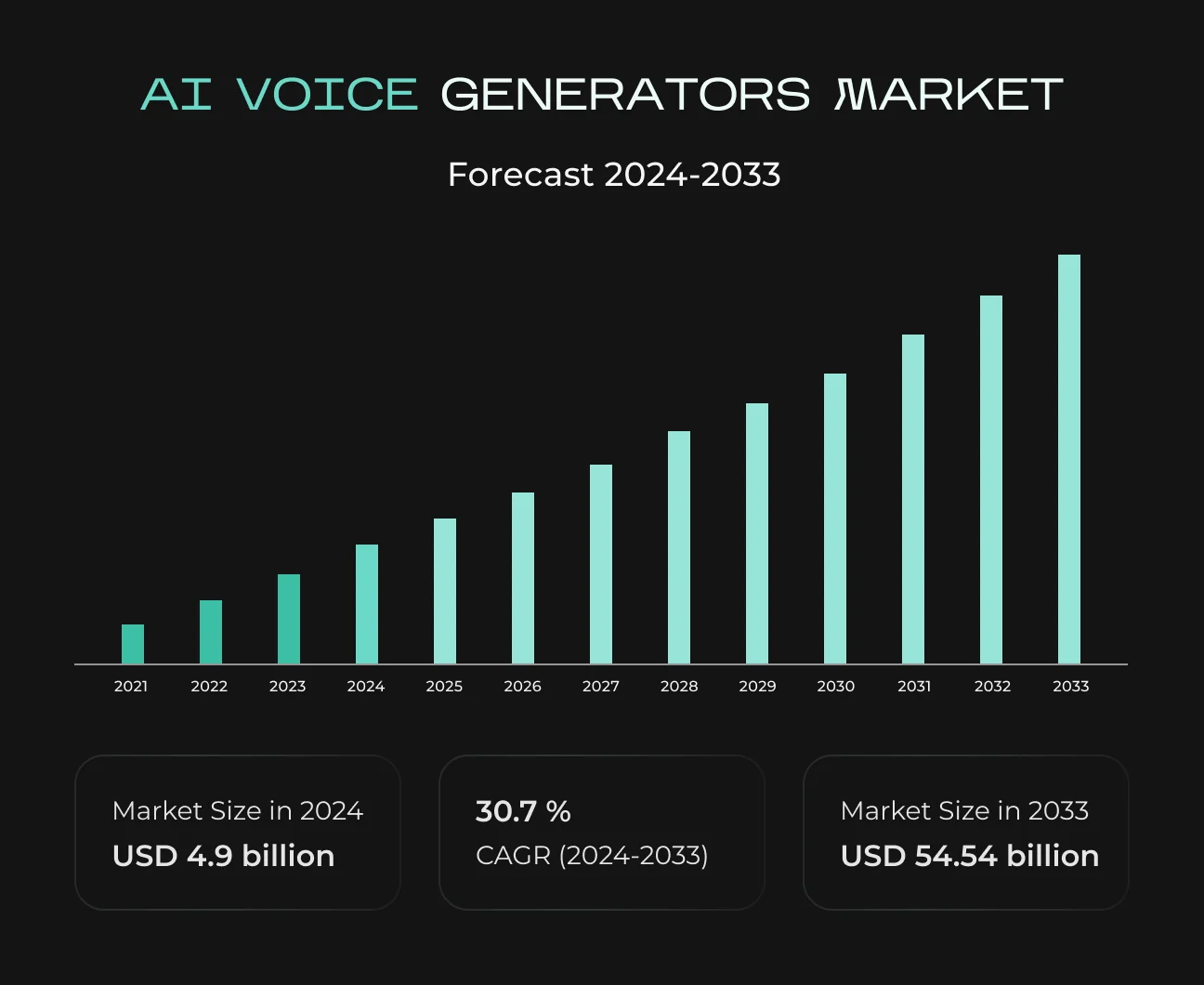
AI voices are changing how we use technology by offering a more natural way to talk to devices. These models mimic human speech and understand the context well. In fact, 89% of customers prefer brands that use voice AI, and half of consumers have already used voice assistants for customer support.
AI voice technology is becoming important in entertainment, education, and customer service, so knowing how to make an AI voice model is a useful skill. You’ll learn about the development process step by step from SapientPro’s engineers with 8+ years of experience in the industry.
What is AI Voice Generation?
AI voice technology uses artificial intelligence to generate speech that sounds human. It captures tone, rhythm, and pitch with advanced algorithms. This tech is often used in virtual assistants, phone systems, audiobooks, and automated narrations.
The goal is to make AI voices sound as natural and clear as possible, improving the realism of interactions. Unlike older text-to-speech systems with basic voices, AI voice technology uses machine learning to produce more lifelike sounds. Due to improvements in AI, speech synthesis, and natural language processing, AI voices are now more advanced and customizable than ever.
Key Components of AI Voice Technology
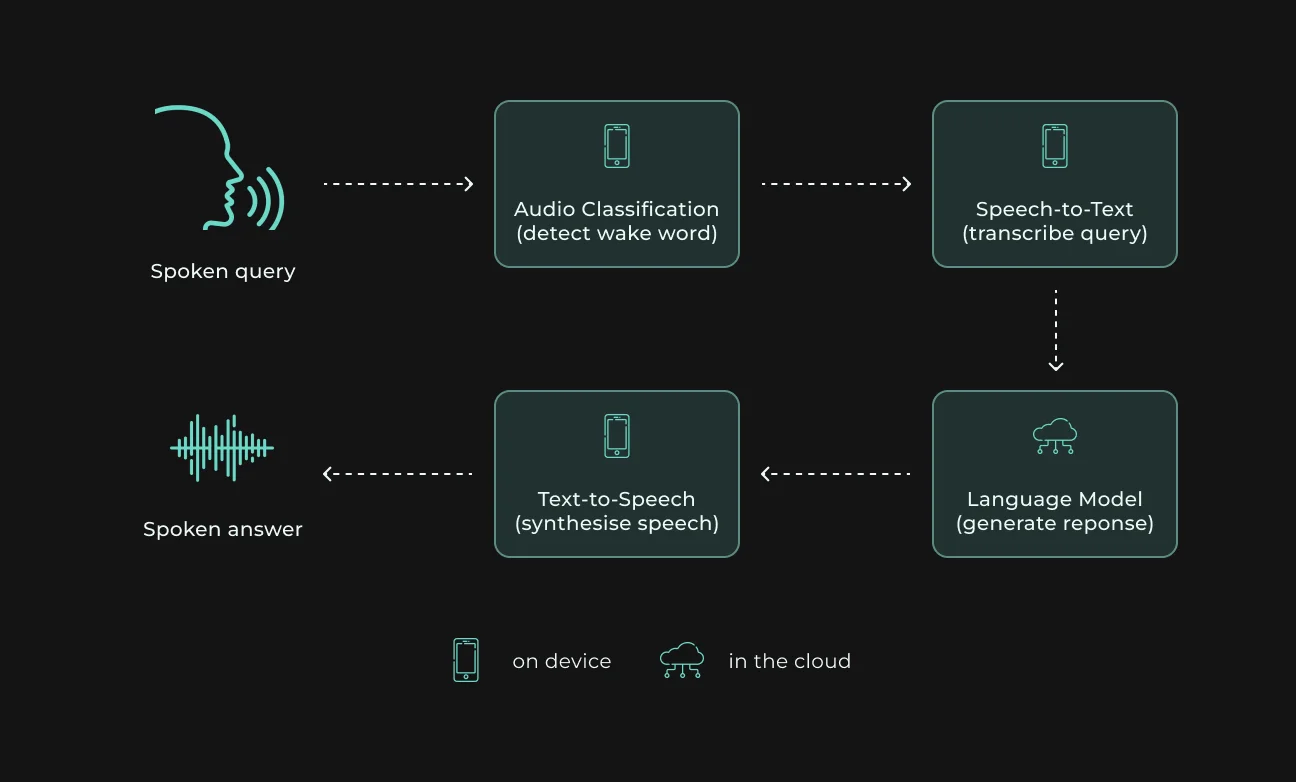
To understand how AI voice works, you need to know its main parts like text-to-speech, automatic speech recognition, and NLP. Let’s break these down to make them easier to understand.
Text to Speech
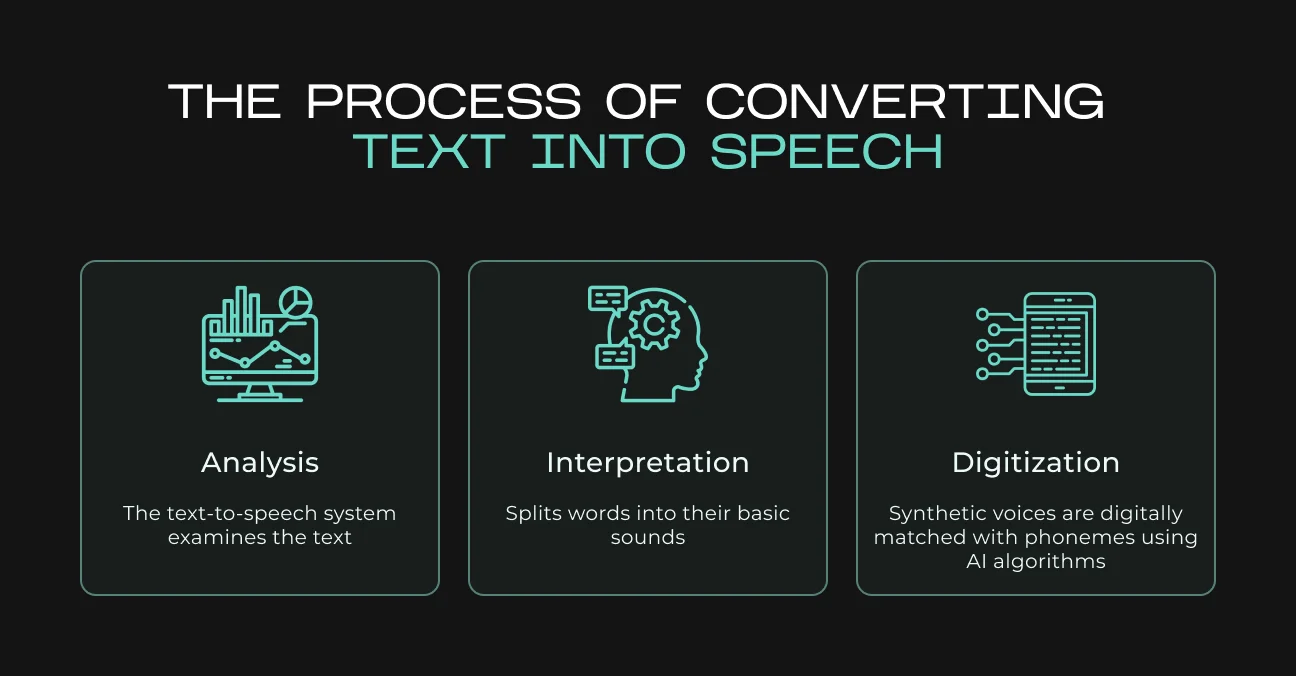
Text-to-speech technology turns written text into speech. This technology allows people to listen to content on digital platforms like emails, social media, blogs, and websites.
Speech to Text
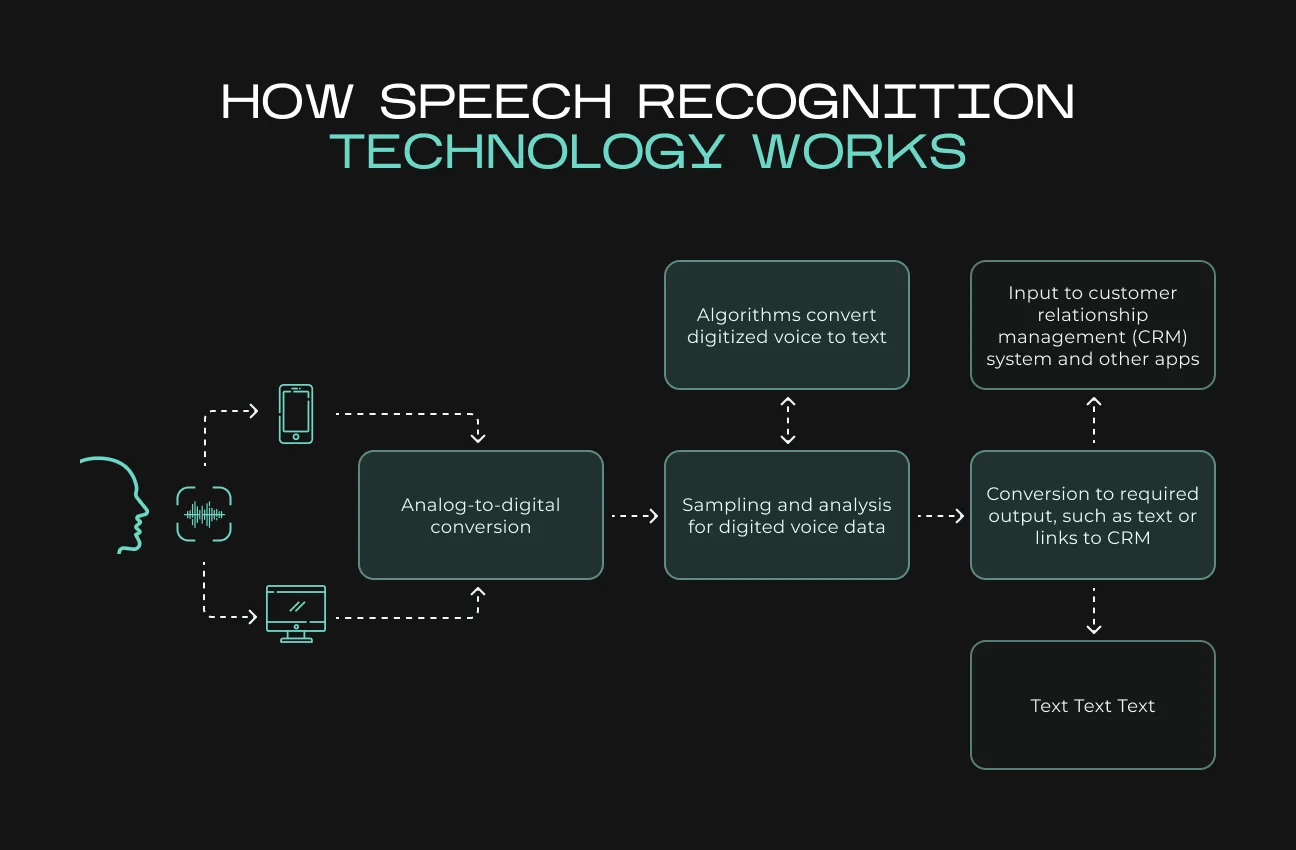
Speech-to-text technology converts spoken words into written text using speech recognition. A good example is Microsoft Word's Dictate feature, which allows users to speak their words instead of typing them.
Natural Language Processing
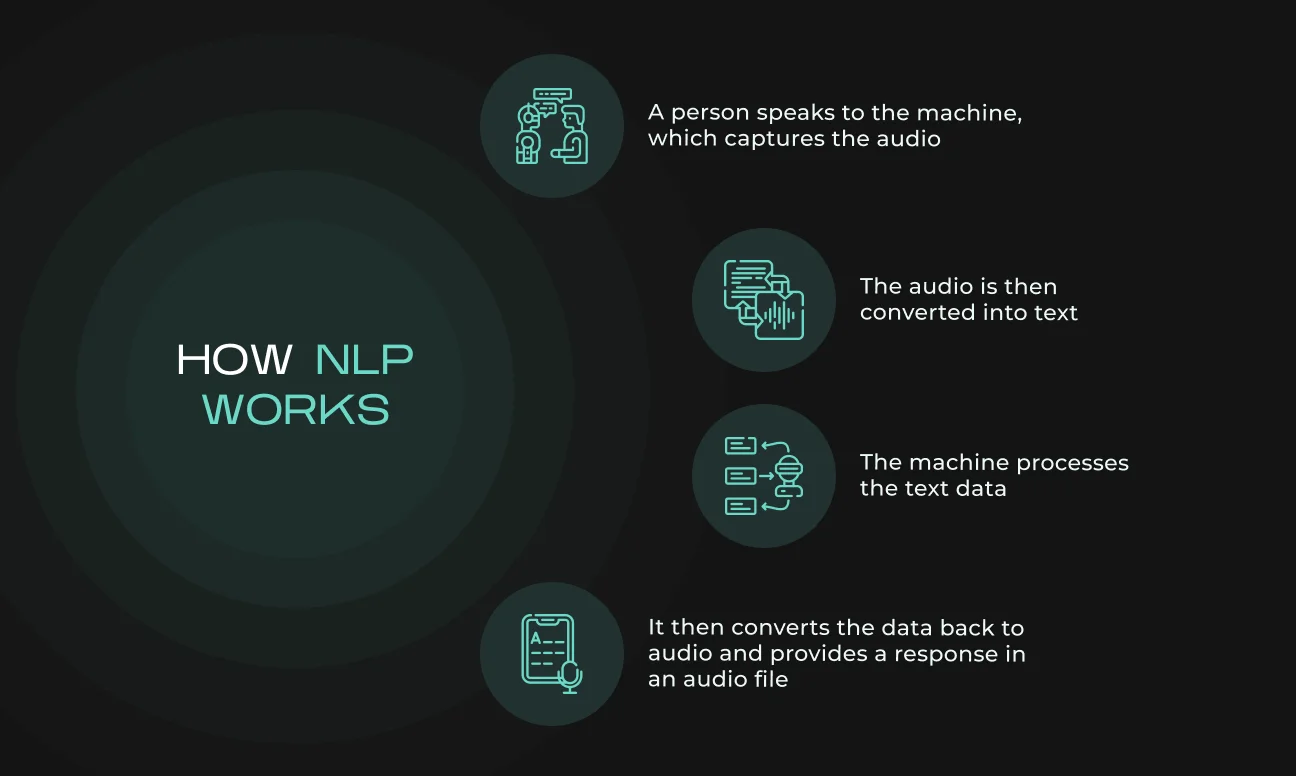
Natural language processing helps AI better understand and interpret human language. It allows AI to grasp word meanings in context, analyze sentence structure, and recognize emotions and attitudes, which ensures more appropriate responses.
Voice Biometrics
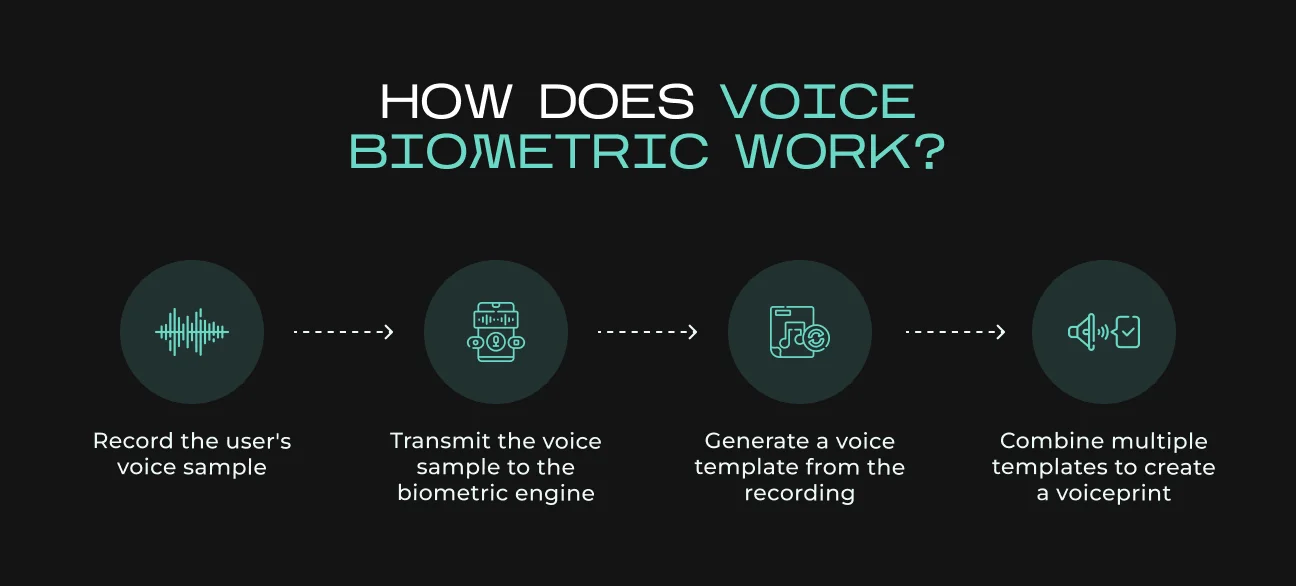
Voice biometrics technology identifies and verifies people using their unique voice patterns. Since everyone has a distinct voice, the technology records a voice sample and analyzes factors like rhythm, pitch, timber, and frequency to recognize the speaker.
Voice Cloning and Speech Synthesis Markup Language
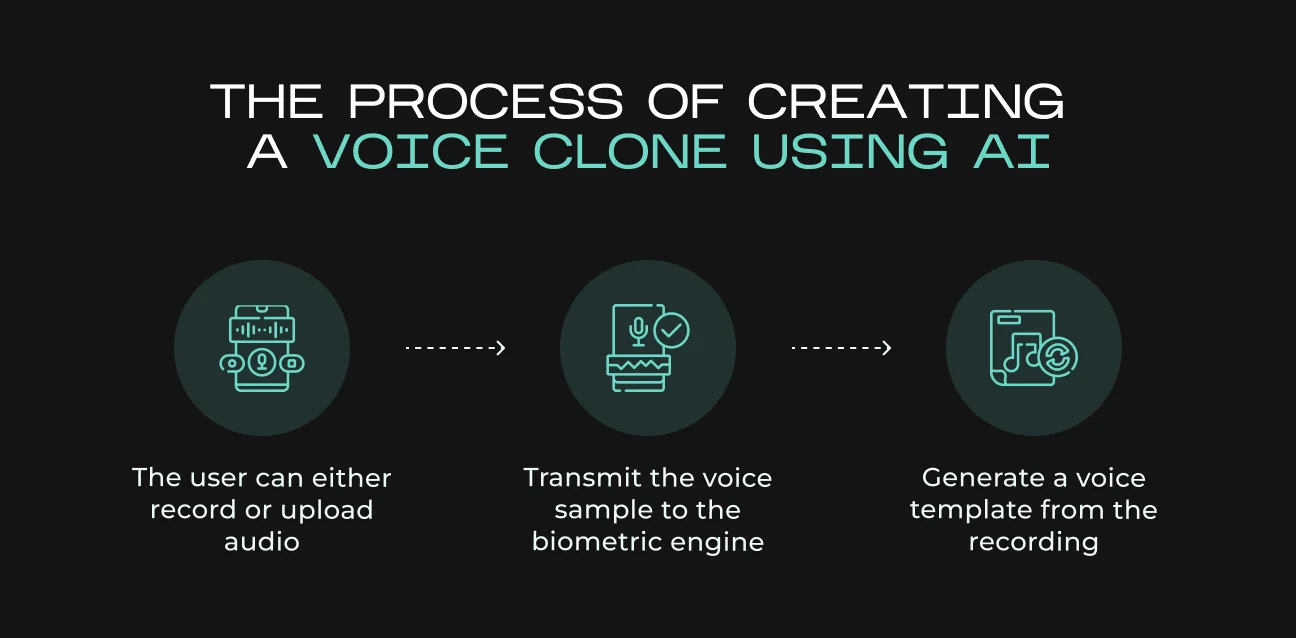
Voice cloning uses advanced deep learning to copy and recreate someone's unique voice. It analyzes the tone, pitch, and vocal patterns to make a highly personal synthetic version of their voice.
Data Processing & Feature Extraction
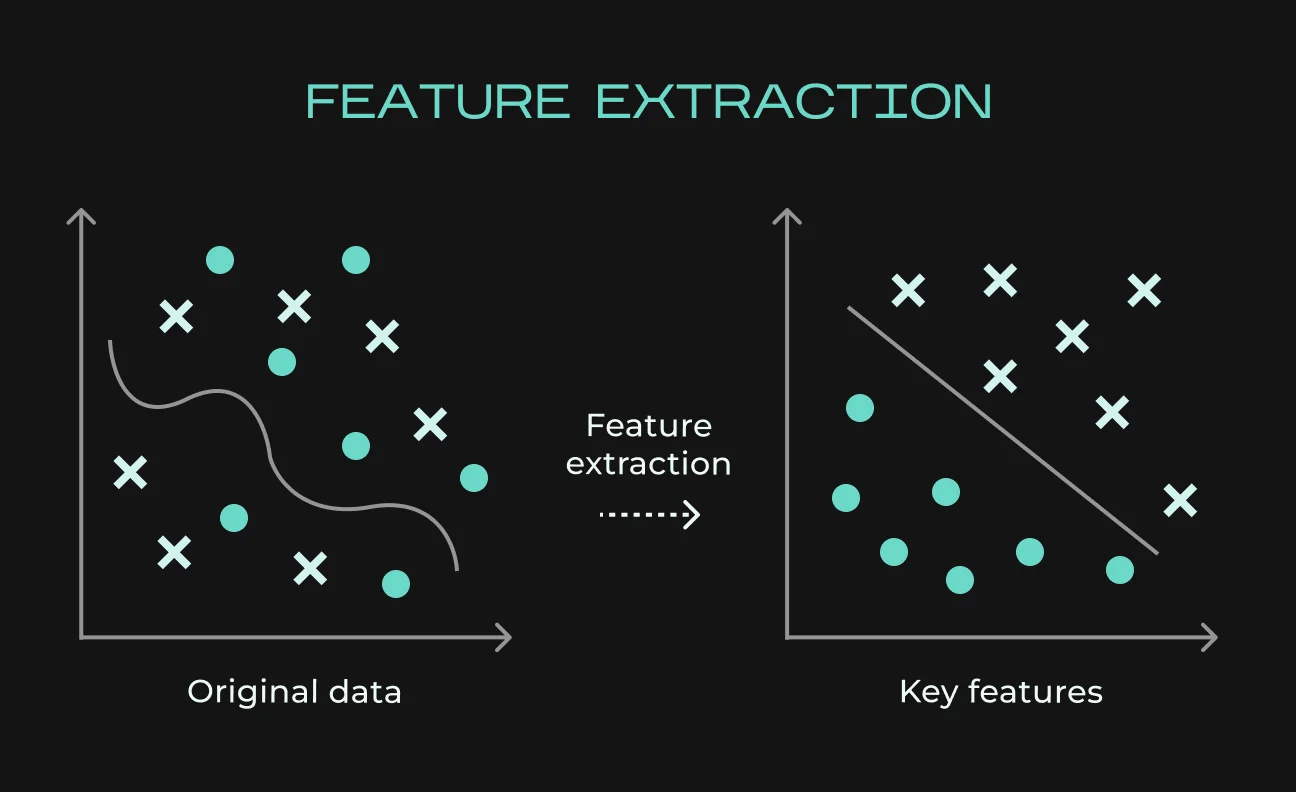
To analyze audio data, it's important to pull out essential features from the raw audio signal. This process, called audio feature extraction, finds details like pitch, frequency, and tempo. These features are used in machine learning models to classify or predict different results.
Neural Network Architectures & Frameworks
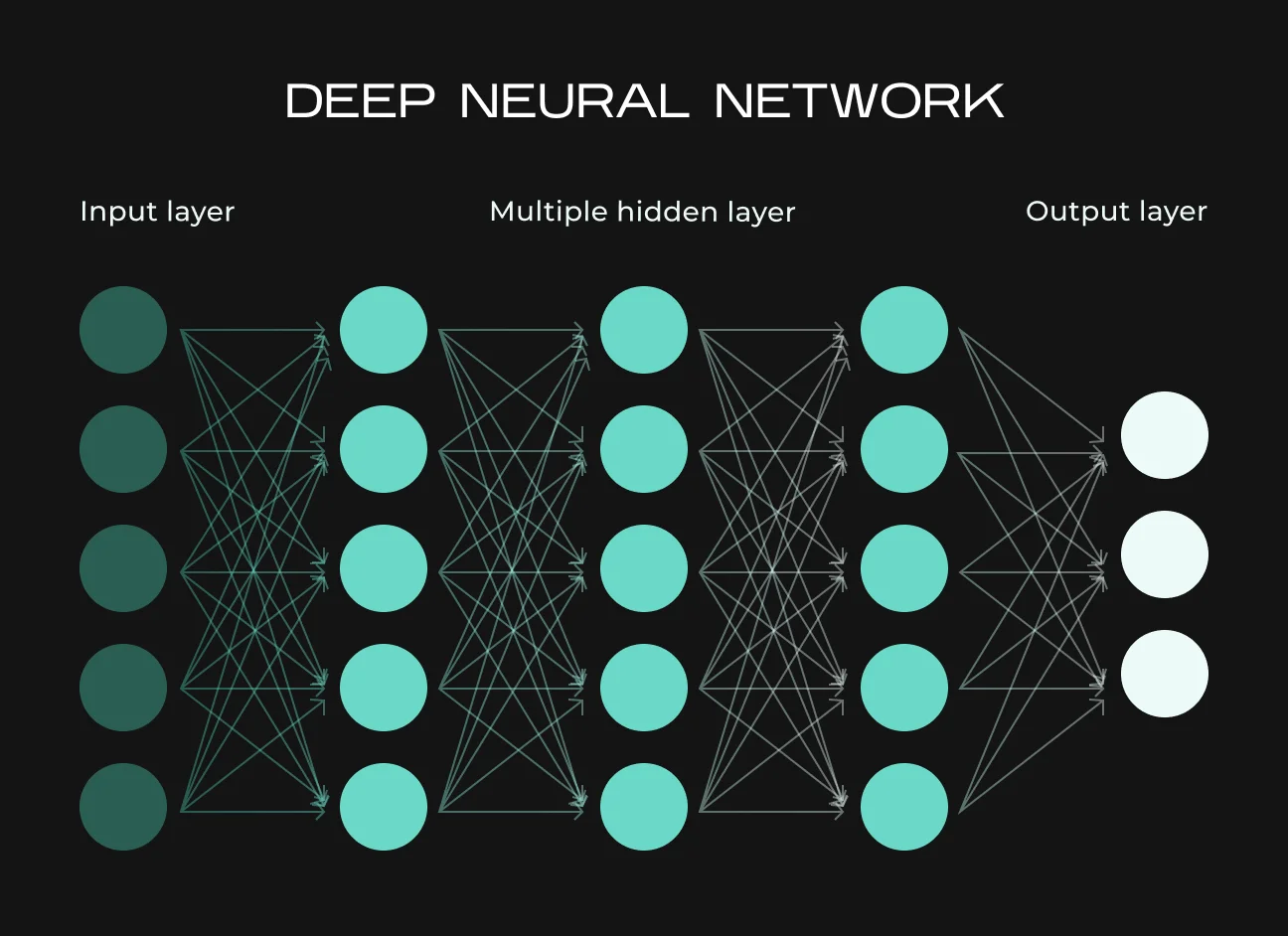
Neural network architectures power deep learning. They enable computers to learn from data and manage complex tasks, like language understanding. By recognizing detailed patterns in speech, they make voice production more accurate and human-like.
APIs and Integration Layers
APIs and integration layers let voice technology connect with other software. They help developers easily add AI voice features to their apps without building the complicated tech themselves.
Use Cases for AI Voice Software
AI voice offers practical solutions for communication, automation, and user engagement in many industries. Let's look at some key examples.
Customer Service and Call Centers
AI voice systems are becoming more popular in customer support as they automate conversations and offer self-service options. By 2029, it's expected that AI will manage 80% of standard customer service tasks, cutting down operational costs by 30%.
They effectively address common questions and solve basic issues. Since they can manage several inquiries at once, these systems deliver quick and precise responses that sound human-like. This allows customer service agents to focus on more complex matters.
Virtual Assistants and Chatbots
A virtual assistant, like Google Assistant, Amazon Alexa, or Apple Siri, is AI software that understands speech to help with tasks. It can take notes, read messages, find contacts, schedule and make calls, and send reminders, just like a human assistant used to do.
E-Learning and Training Platforms
AI voice technology simplifies audio content creation, making e-learning projects easier to produce and reach large, diverse audiences. With AI, instructional designers can create voiceovers in various languages and dialects, which makes courses accessible worldwide. These AI voices keep a consistent tone and style, giving learners a uniform listening experience.
AI voice models also improve accessibility for those with visual impairments or reading difficulties by providing high-quality audio narration. This helps everyone access and understand the course material better.
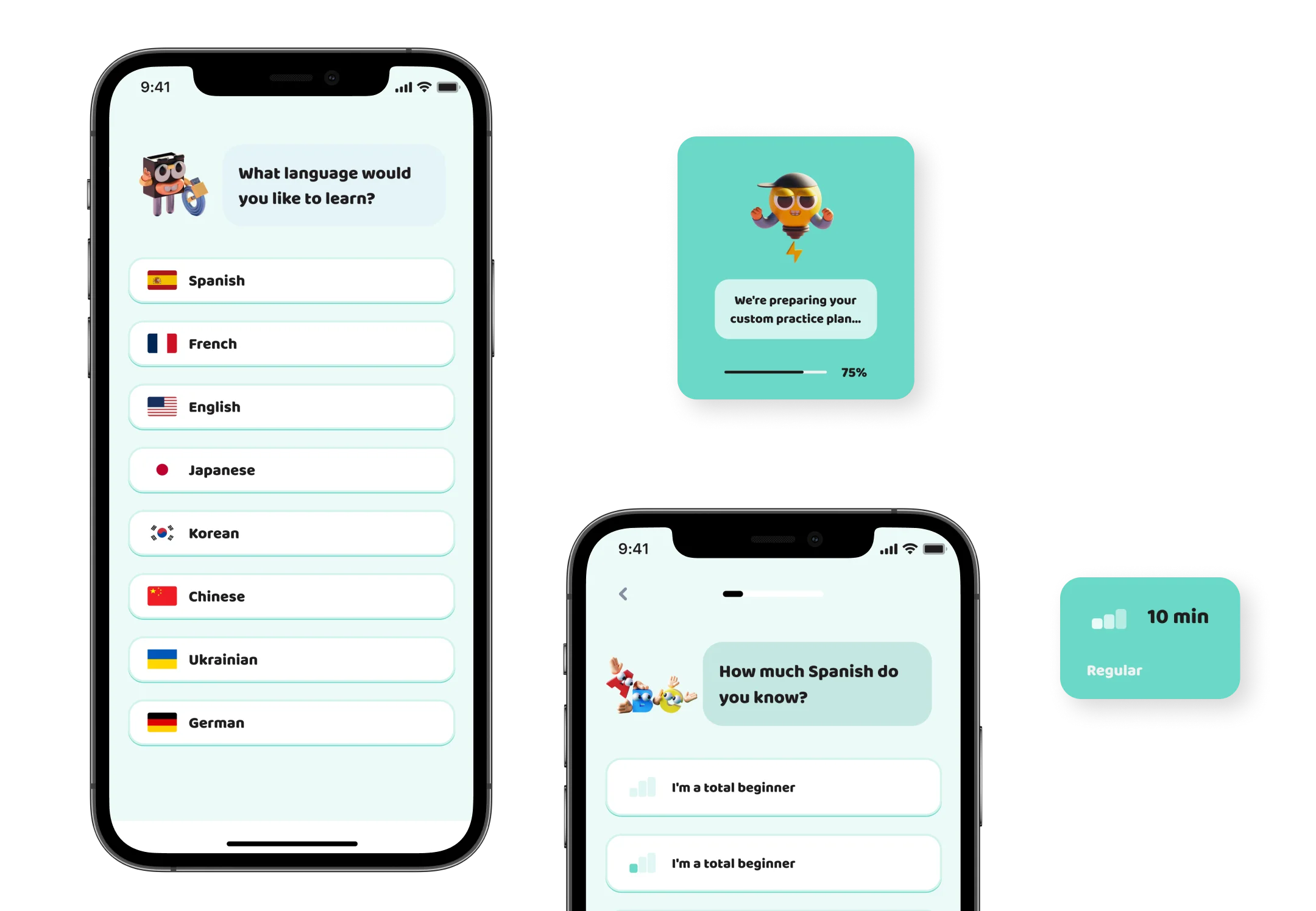
See how SapientPro Created an AI-Powered Language Tutor
Media and Entertainment
Just imagine easily delivering content in multiple languages to a global audience without hiring production teams. Today, 44% of marketers use AI for creating content, and 82% think AI-generated content is just as good as or even better than content made by people.
AI voiceovers now play an important role in audio advertising. They offer high-quality, natural-sounding speech without needing professional voice actors. Brands can customize these voices to suit their style or audience, making production simpler and more cost-effective.
Ready-made options make this even faster for smaller teams: AI voice generator tools turn a script into natural-sounding voiceovers in minutes, with no recording setup or voice actors needed.
Smart Home and IoT Devices
Voice assistants like Amazon Alexa, Google Assistant, and Apple Siri have become a key part of smart homes. By 2024, they led the market with over 30.7% market share.
They use AI to recognize your voice and do commands, like setting reminders or adjusting the lights. They also learn your preferences to offer useful suggestions.
For example, your voice assistant might notice that you like the lights covered for workouts or that you want your coffee ready by 9:00 a.m. Then, it can suggest these things or do them automatically for you.
How to Create an AI Voice Model from Scratch
Creating a custom AI voice from scratch is a detailed process. While pre-made models like Google Cloud Text-to-Speech or Amazon Polly are quick to use, they often don't offer much customization, control, or data privacy. Developing your custom voice gives you more flexibility, unique branding, and better security. Let's look into the steps to build an AI voice from scratch.
1. Determine Use Cases & Voice Identity
Start by figuring out the purpose of your AI voice. Will it be used for customer service, assistive technology, e-learning, or something else? Next, decide on the tone, pitch, speed, and accent that best represent your brand and attract your audience.
Such clear use cases and a defined voice identity help guide development, ensuring the model meets user expectations and integrates into your products.
2. Gather High-Quality Data
High-quality audio is crucial for the performance of your AI voice model. Use professional recording spaces and collect a range of voice samples with different situations and vocabulary. This variety helps the model better understand different speaking styles and contexts.
3. Prepare Data for Processing
After collecting data, it needs to be prepared for machine learning. This involves:
- Cleaning audio files to remove noise, errors, and any unnecessary parts;
- Ensuring that files are in the same format and have consistent sampling rates.
Proper data preparation helps the model learn efficiently without being slowed down by poor-quality inputs.
4. Annotation and Labeling
Annotated data is crucial for AI voice model training using supervised learning. This process involves tasks like transcribing audio into text and adding labels for phonetic features, emotions, and speaker identity when necessary. Accurate labeling allows the model to better match sounds with their meanings, which improves its performance.
5. Build Your Model Architecture
Design your AI model's architecture by considering the technical needs and how complex the final product should be. Use deep learning tools like TensorFlow or PyTorch.
You can combine layers from different types of neural networks like CNNs, RNNs, or transformers. Remember that the architecture you choose will affect both the quality of the speech and the model’s speed and scalability.
6. Train AI Voice Model
Train your AI voice model on a powerful computing platform using labeled data. Implement parallel processing and distributed training when you can, and regularly adjust the parameters to prevent overfitting.
Also, monitor the process to ensure the model learns effectively without just memorizing the data, as training is resource-intensive.
7. Model Evaluation and Validation
This step ensures the AI voice model accurately and naturally meets quality standards before use. When checking the AI voice model, pay attention to these key performance measures:
- Word error rate (WER): this measures the mistakes in transcriptions. The ratings are:
- Bad: over 20%;
- Average: 10% to 20%;
- Good: 10% or less.
- Phoneme accuracy: this checks how well the model produces correct sounds. Higher accuracy means better sound reproduction.
- Naturalness score: this evaluates how natural the voice sounds, using user feedback or automated tools. A higher score means the voice is more like human speech.
Evaluating the model carefully ensures it is high-quality and offers an excellent user experience.
8. Fine-Tuning and Iteration
To improve the AI voice model and ensure it performs well in various situations, try these approaches:
- Adjust settings like learning rates, batch sizes, and dropout rates to make learning more efficient;
- Use data augmentation to create variations, helping the model adapt to diverse inputs;
- Implement transfer learning with pre-trained models to boost learning speed and initial accuracy.
Consistently monitor the model's performance after any adjustments. This continuous process helps the model get better and overcome past challenges.
9. Deployment and Integration
The next step is to efficiently and securely integrate the AI voice model into your target application. Choose between deploying it in the cloud for scalability or on edge devices for quick response times. Moreover, ensure easy access to the model’s features through RESTful APIs or SDKs.
Make sure your system can manage peak times and user demands. Test the model carefully to see if it works well, and use monitoring tools to track its usage and performance. A successful deployment should focus on maximizing uptime and user satisfaction while reducing any disruptions.
10. Other Elements to Consider
To keep the system safe and legal, focus on security, compliance, and consistent monitoring throughout development.
Security
Security is essential for protecting sensitive information and maintaining user trust, especially since these models manage personal data. To ensure security:
- Encrypt data during transfer and storage using methods like AES and TLS;
- Use strict access controls with multifactor authentication and role-based permissions;
- Perform regular security audits and tests to quickly find and fix vulnerabilities.
Compliance
To legally and ethically manage data, it's important to follow data protection laws. To remain compliant:
- Following regulations like GDPR, CCPA, and COPPA;
- Providing clear privacy policies to inform users about data collection, storage, and usage.
Monitoring
Consistent monitoring ensures the AI performs well and adapts to user needs and technology changes. So, make sure to:
- Set up alerts for unusual activity or performance changes to quickly address issues;
- Track key performance indicators like response time and error rates to assess system health.
Also, remember about regular updates. They ensure the AI voice model stays accurate, efficient, and secure by using the latest data and technology.
Benefits of Developing a Custom AI Voice
AI voice models are now very human-like and offer numerous advantages to different industries. Some of these benefits include:
Boosted Efficiency
Using AI voices instead of human agents can help businesses save money and reduce errors, especially for routine tasks like answering calls. This approach lets companies expand their services without the need for more resources or staff.
More Personalization
AI voice technology can match a company's or individual's style and branding, which keeps user experiences consistent across different platforms.
Improved User Experience
AI voices, like those in virtual assistants or service chatbots, make interactions easier and more intuitive. They can quickly help with customer concerns and are available 24/7.
Scalability
AI voice systems can manage many interactions at the same time, which human workers can't do because they have limits on their time and availability. This is helpful for big customer service teams or situations that need quick communication.
Adaptability in Language and Accent
AI voice systems can learn various languages and accents, which makes them globally accessible. This helps businesses connect with different customer groups and meet regional needs.
Challenges in Developing AI Voice Software
AI voice technology brings many benefits, yet it also has hidden challenges. Users might not always notice the security risks or the threat of deep fakes. Let's take a closer look at these issues.
Privacy and Security Matters
A big challenge for voice models is protecting user privacy. AI systems can sometimes accidentally record private conversations, making users uncomfortable and worried about their privacy.
Regulatory Challenges
AI voice assistants are becoming more common, which makes it harder to navigate regulations. Developers must carefully follow data protection laws like GDPR and CCPA to build user trust and avoid legal issues.
Ethical Concerns
People should know when they're interacting with an AI voice instead of a human. Being open about AI voices helps build trust, especially when users might think they're talking to a real person.
Misuse and the Risks of Deepfakes
AI voice technology can be exploited to change audio, which could lead to misinformation, fraud, or harm. Tools like audio verification can help ensure the technology is used responsibly and ethically.
Accelerated Inspection by 87.5%
See how SapientPro's solution uses voice commands for faster quality inspection.

How Much Does it Cost to Develop a Custom AI Voice?
Creating a custom AI voice model includes several stages that impact the cost. Prices vary depending on the model's complexity, data quality, and technology used.
Based on SapientPro's experience in developing custom voice models and industry standards, here's an estimated cost breakdown.
Type of Service
| Estimated Cost |
| Data collection | $10,000 – $100,000 |
| Data annotation and labeling | $5,000 – $50,000 |
| Machine learning infrastructure | $20,000 – $100,000 |
| Model development | $50,000 – $200,000 |
| Testing and evaluation | $10,000 – $30,000 |
| Deployment and integration | $20,000 – $80,000 |
| Maintenance and updates | $10,000 – $50,000 annually |
| Compliance and security measures | $5,000 – $30,000 annually |
Making a custom AI voice model in the first year can cost between $130,000 and $640,000. This includes development and initial setup.
Yet, these are just average costs based on industry data and our experience. The final price may change depending on your project's specific needs, location, and any new technologies used. SapientPro’s team can help you by providing a detailed estimate.
How SapientPro Made an AI-Powered Voice Assistant for Arabic Markets
SapientPro developed an advanced AI voice assistant tailored for Arabic-speaking markets, where linguistic diversity and cultural nuance play a critical role in user experience.
The solution was designed to recognize dialects, detect tone and intent in real time, and seamlessly adapt conversations to feel natural and context-aware.
One of the core challenges was handling the complexity of Arabic dialects combined with frequent code-switching between Arabic, French, and English. The system also needed to deliver emotionally accurate responses with minimal latency while maintaining high-quality, human-like speech output – a demanding task from both NLP and audio processing perspectives.
As a result, the client received a highly responsive and scalable voice solution capable of significantly improving user engagement. With strong dialect recognition accuracy and contextual understanding, the assistant enables more personalized interactions, reduces communication friction, and enhances overall customer experience in multilingual environments.
Partner with SapientPro to Build Your AI Voice Software from Scratch
SapientPro is your reliable tech partner to create a high-quality & custom AI voice model tailored to your industry. With over 8 years of experience in AI-powered solutions, we have the tools and expertise to deliver an effective AI voice generator for you.
Contact us for a professional consultation and a detailed project estimate.