
All Artificial Intelligence in Gaming: Impact, Application, and Use Cases in 2025
May 5, 202515 min read


Did you know that AI has played a key role in gaming since the 1950s? One of the earliest examples is the 1951 game Nim, where the computer frequently beat human players by removing objects from piles. AI amplifies games by creating responsive, adaptive, and challenging experiences. It’s also essential for developing smart characters and dynamic storylines.
With generative AI, video games are entering a new era, offering limitless worlds, unique content, autonomous characters, and faster development. Check out our guide to learn more about the impact, applications, and future of AI in the gaming industry for 2025.
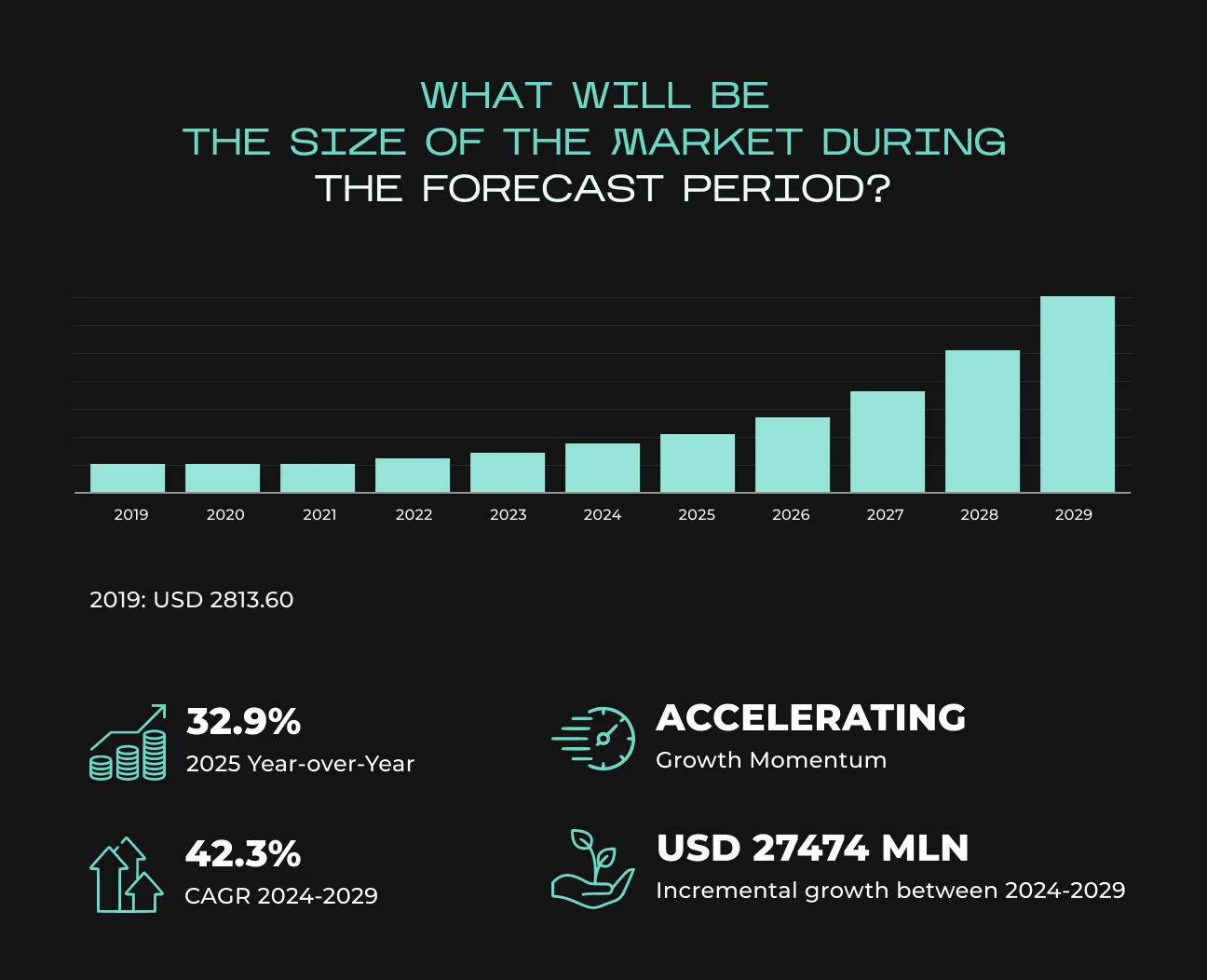
What is AI in the Gaming Industry?
AI improves video games by making characters act smarter and more adaptable, which results in a more realistic experience. A common application is managing non-player characters (NPCs), who might serve as companions, allies, or enemies. These NPCs can adjust their actions according to how players interact with them, learning and evolving to offer dynamic conversations and actions.
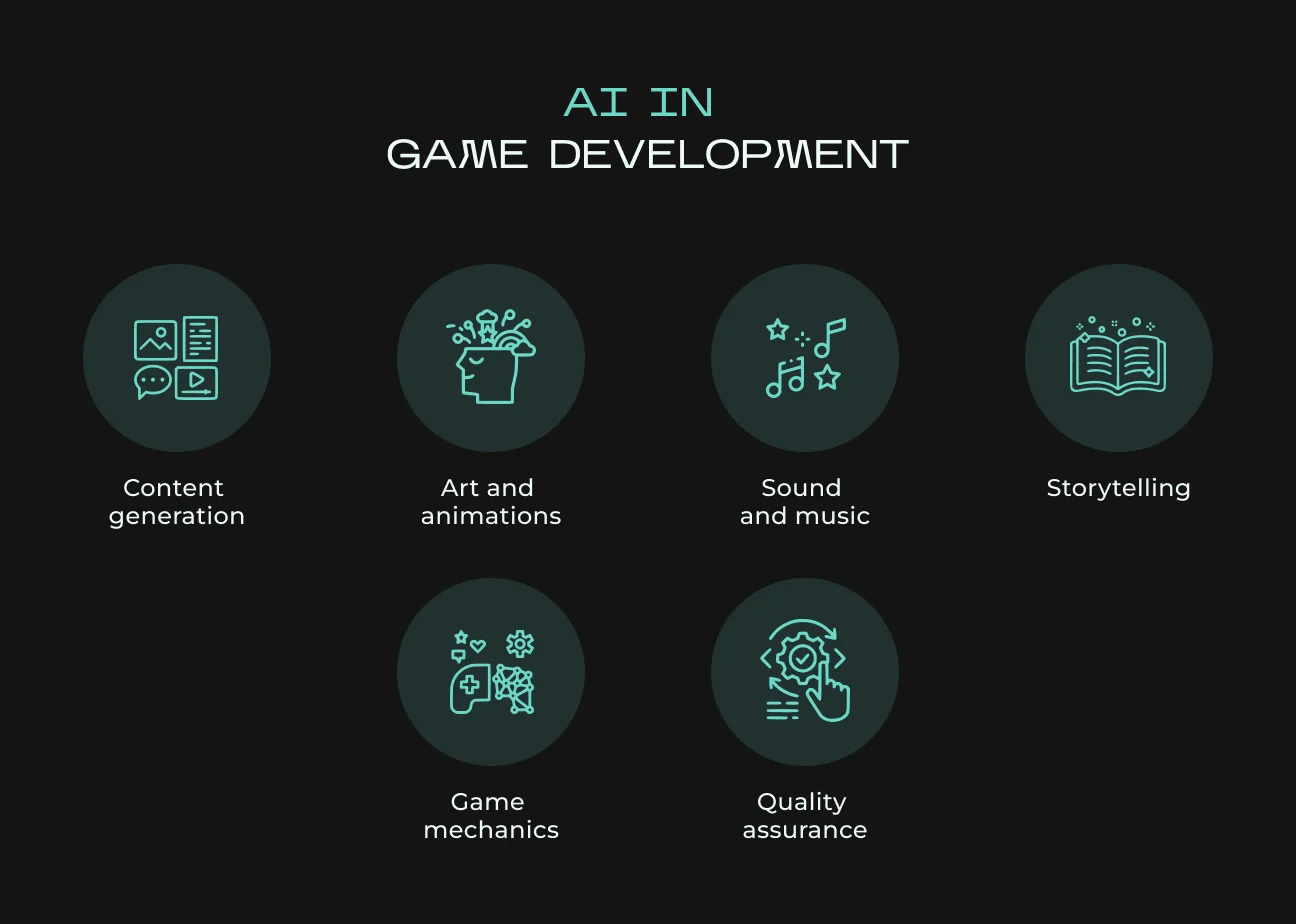
AI can also shape game environments by adapting the landscape based on what players do. This creates a more immersive gaming experience with detailed worlds, flexible stories, and lifelike characters.
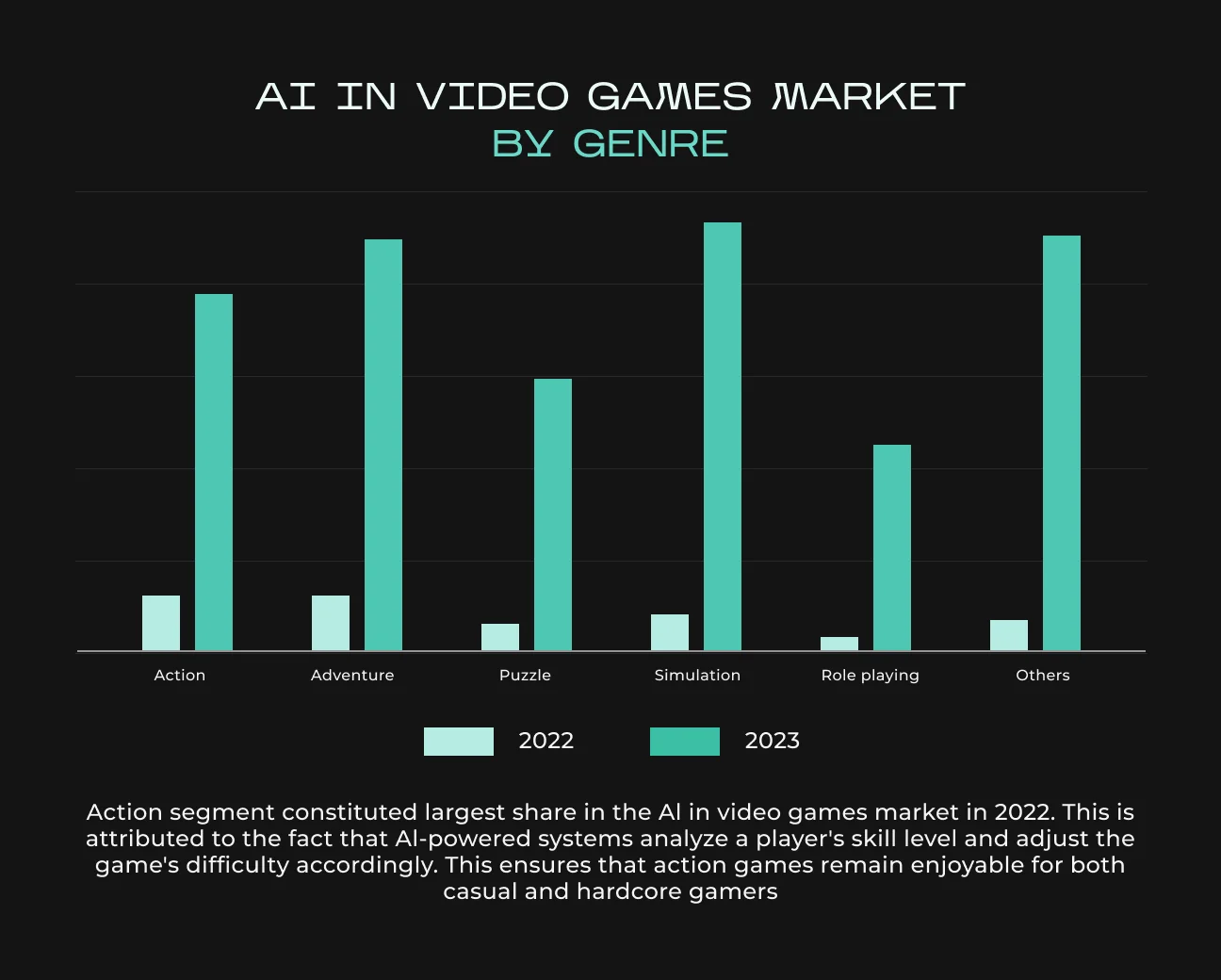
Why is AI Important in Gaming?
AI completely changes the way we play games. Developers use AI to bring gaming to all kinds of devices, from smartphones to VR headsets. Now, players can enjoy high-quality and immersive games anywhere, not just on computers or consoles. This makes their favorite games more accessible than ever.
Key Takeaways
- Generative AI unlocks limitless open worlds, personalized quests, and lifelike autonomous NPCs;
- Machine learning enables real‑time difficulty tuning, robust cheating detection, and data‑driven player‑retention insights;
- AI‑powered tools accelerate content creation, dialogue writing, and environment design, cutting development time and cost;
- Emerging trends like cloud, blockchain, VR, and high‑end mobile will broaden access to AI‑enhanced gaming and deepen immersion;
Best Use Cases of AI in Gaming
If you love gaming as much as you love new tech, you might wonder how AI is used in today's games. Let's explore some of the top ways AI is making an impact in gaming.
1. Developing Realistic Non-Player Characters (NPCs)
Generative AI, capable of creating text, images, and audio from prompts, is about to change a major aspect of video games: non-playable characters (NPCs). Typically, NPCs have shown predictable behaviors and somewhat awkward speech and actions.
Ubisoft's R&D team, La Forge, has created Ghostwriter, an AI tool that helps writers develop more original dialogue for NPCs. In 2022, they also tested technology to make NPC gestures more lifelike and fit the mood of their speech.
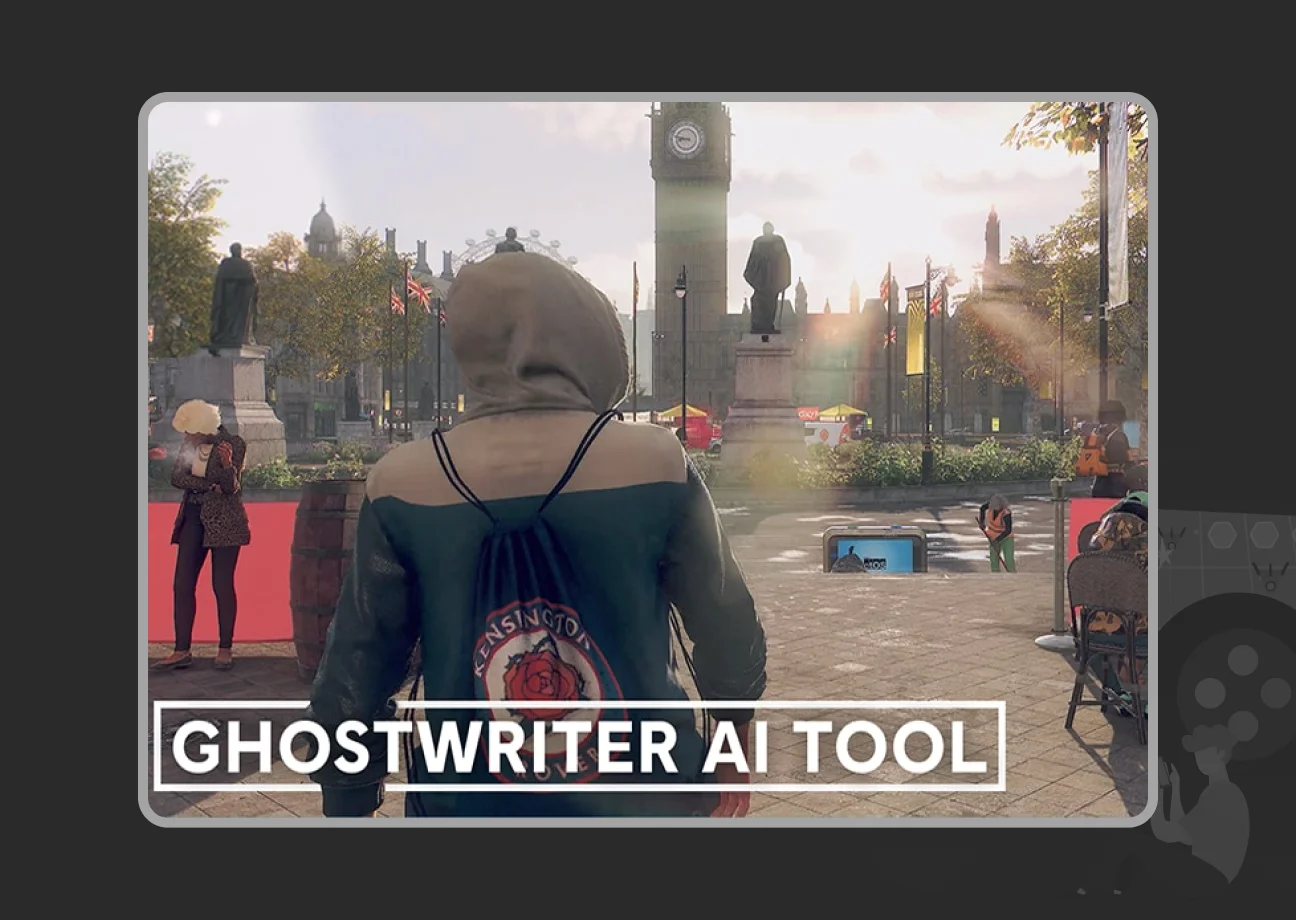
This new approach uses speech to create matching gestures, letting NPCs talk unscripted and move naturally, all generated from their spoken words.
2. Constructing Expansive Open Worlds
Games like “Mad Max,” “Skyrim,” and “Deadly Premonition” offer open-world adventures with customizable quests and stories. Here, AI algorithms can create personalized storylines and quests that match player skill levels, analyzing their past gameplay.
Takehiko Hoshino from Rikkyo University created an AI tool that designs mazes and dungeons on its own, learning from its past creations. The concept of almost infinite open worlds is becoming a reality. For example, “No Man's Sky” uses procedurally generated content to offer endless adventures with unique planets, offering 18 quintillion variations.
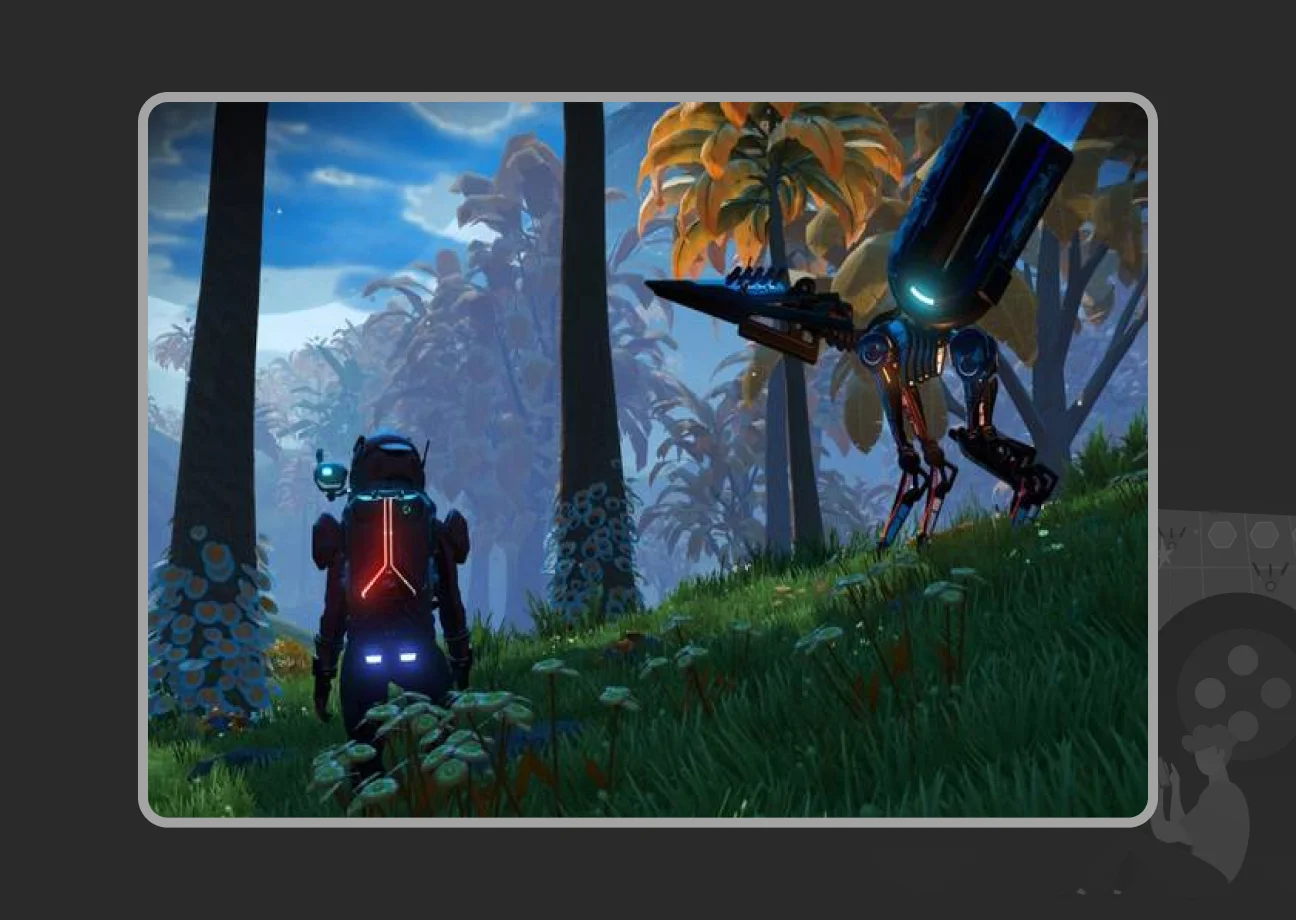
Procedural generation uses algorithms to create content based on certain settings, which gives developers control over the results. Generative AI can mimic realistic behaviors and make decisions in response to player actions. “The Sims” is a great example, where AI decides how characters interact with their surroundings and each other.
3. Ensuring Game Balance
AI is a perfect tool that makes multiplayer games fair and enjoyable for every player. It helps developers test lots of game scenarios quickly, find hidden bugs, and improve game mechanics.
AI can evaluate a player's skills and mood and adjust the game's difficulty in real time to match the player's abilities. AI might also understand what the player wants to do, adding more personalization to the game.
4. Tracking Game Analytics
The gaming industry, with over two billion players, generates around 50 terabytes of data daily. Artificial intelligence and machine learning help transform this massive data into valuable insights quickly. Gaming companies can understand how players behave, what they like, and the latest trends. These technologies also show why players might leave or return, which helps improve player retention and develop strategies based on such insights.
5. Amplifying Game Design
AI makes game designers' jobs easier by simulating player behavior. It predicts how players might use features, which helps designers create effective game mechanics. AI algorithms also generate ever-changing landscapes and structures that respond to player actions.
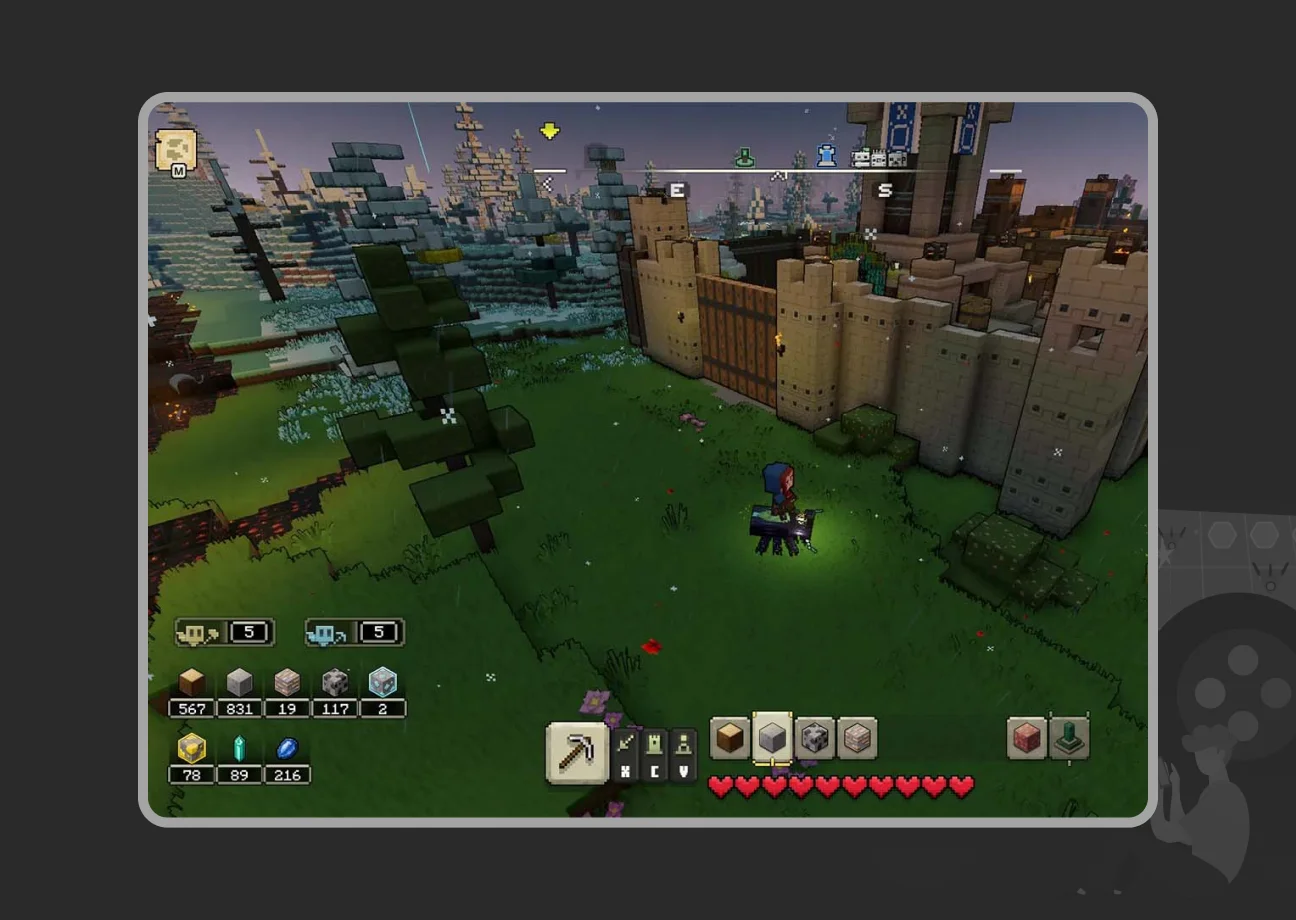
In Minecraft, for example, AI creates large landscapes with cube-shaped elements like mountains, caves, villages, and forests. This ensures each new game world offers a unique adventure to explore.
6. Improving Image Quality and Resolution
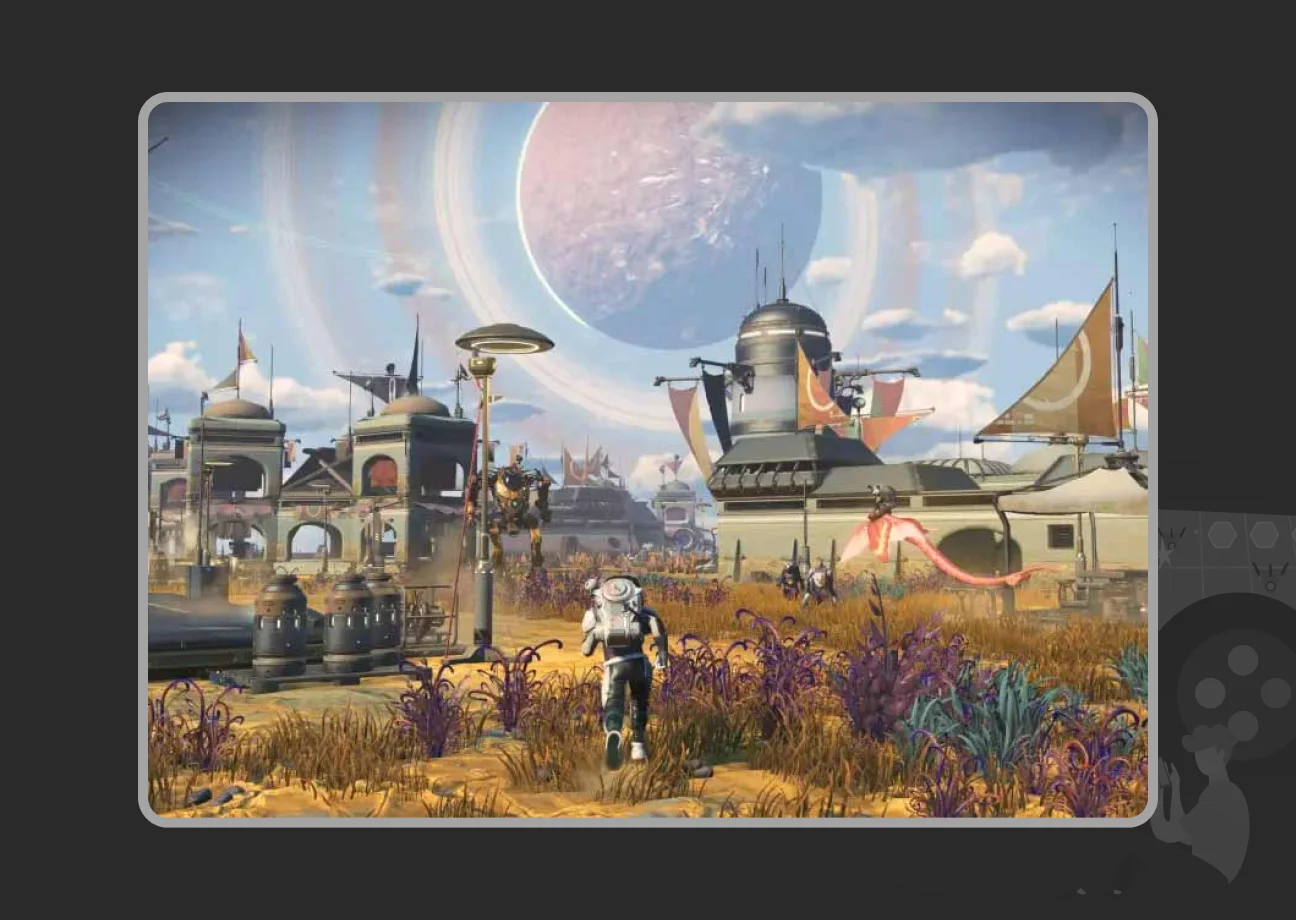
Game developers can now use AI to create stunning and realistic game environments. With tools like real-time ray tracing and advanced rendering, AI improves visuals by adding detailed textures and designs, reflections, and lifelike lighting. This technology can also update older games with high-definition graphics.
7. Detecting Cheating
Cheating in online games, especially fast-paced first-person shooters, can be really frustrating and cause mistrust among gamers. Games like Minecraft, Sims 4, and GTA 5 are some of the most affected by this issue.
That's why many games use artificial intelligence to detect and prevent cheating. AI systems analyze player behavior to find unusual patterns and spot cheats like unauthorized modifications, aimbots, and wall hacks. They easily identify when someone uses unfair tricks, which helps maintain games fair.
See more
Did you know that AI is also used for language learning?
Learn how to build an AI Language Learning AppWhat Are the Types of AI in Gaming?
There are different types of AI in gaming, from simple systems that follow basic rules to advanced models that use machine learning to create opponents that can adapt. Here's a look at some common AI techniques used in games:
Rule-based AI
Rule-based AI uses a set of predefined rules to determine how non-player characters (NPCs) act in a game. Developers create these rules to outline how NPCs should react in various situations. For example, in stealth games, if a player is spotted by an NPC, the NPC's AI might activate an alarm to warn nearby guards.
Pathfinding AI
Pathfinding AI is key to making moves in games. It helps NPCs find the best routes using algorithms like A* to figure out the shortest path to their destination and avoid obstacles. This makes NPCs move smartly and realistically through the game world.
Finite State Machines
A Finite State Machine (FSM) is a tool used to create algorithms. It consists of a limited number of states, transitions between them, and actions triggered by these changes.
FSMs help make NPCs in games more responsive and adaptable. In many role-playing games (RPGs), FSMs control NPC interactions, allowing them to react differently based on player actions or changes in the environment.
Machine Learning AI
Machine learning AI helps non-player characters become smarter and more adaptable. NPCs can learn from past experiences and player interactions, which allows them to make better decisions. They can evolve and improve based on how you play.
For example, in a racing game, an AI opponent can learn to be more competitive, taking shorter turns and choosing the best racing lines as you play.
Reinforcement learning
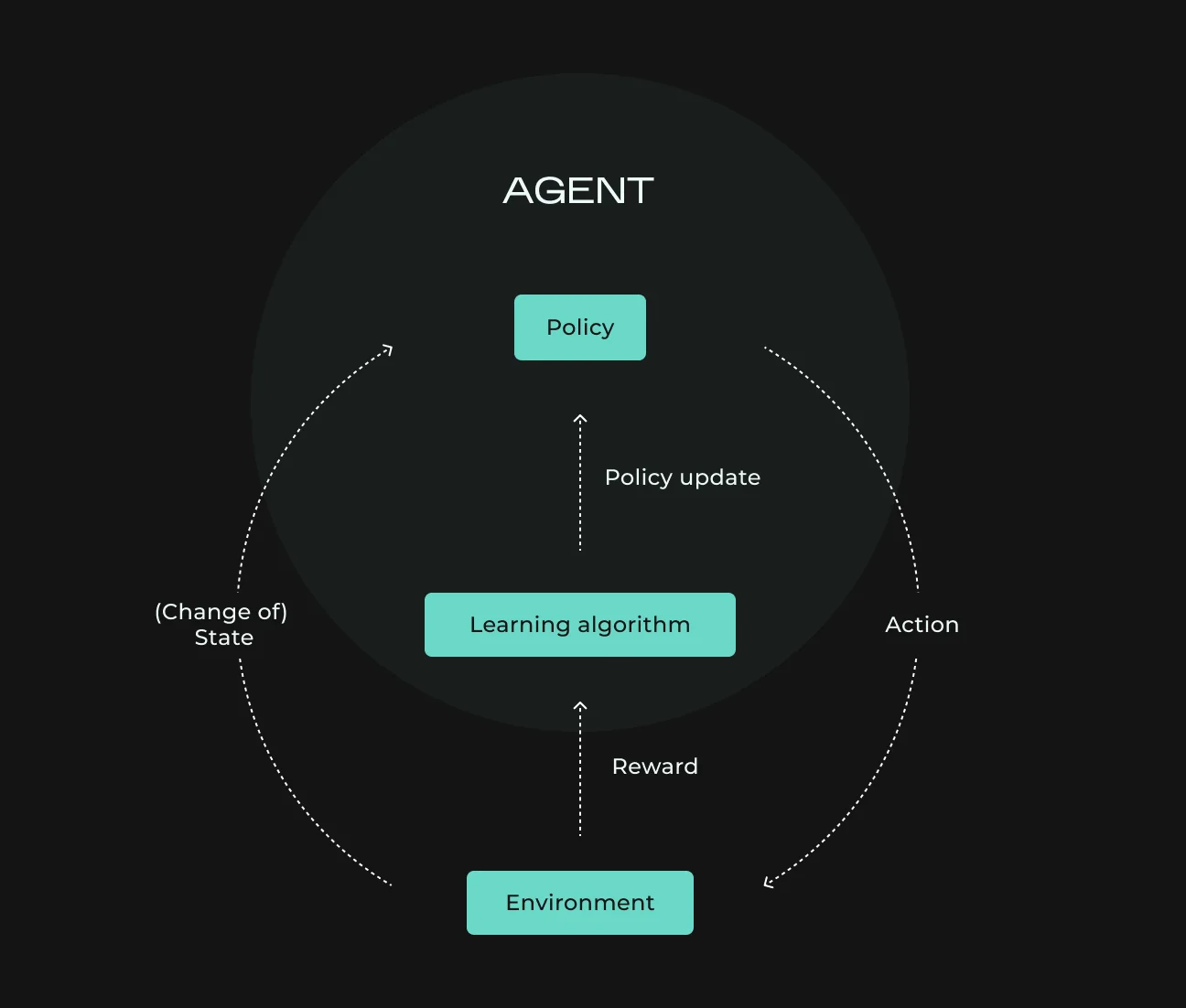
In reinforcement learning, NPCs get feedback through rewards or penalties depending on how they interact with the game or player actions. This feedback helps them get better at their tasks to earn more rewards and avoid penalties.
For example, in Dota 2, OpenAI created a system called OpenAI Five that used reinforcement learning to compete with humans. The NPCs improved their strategies and teamwork by playing multiple matches.
Behavior Trees
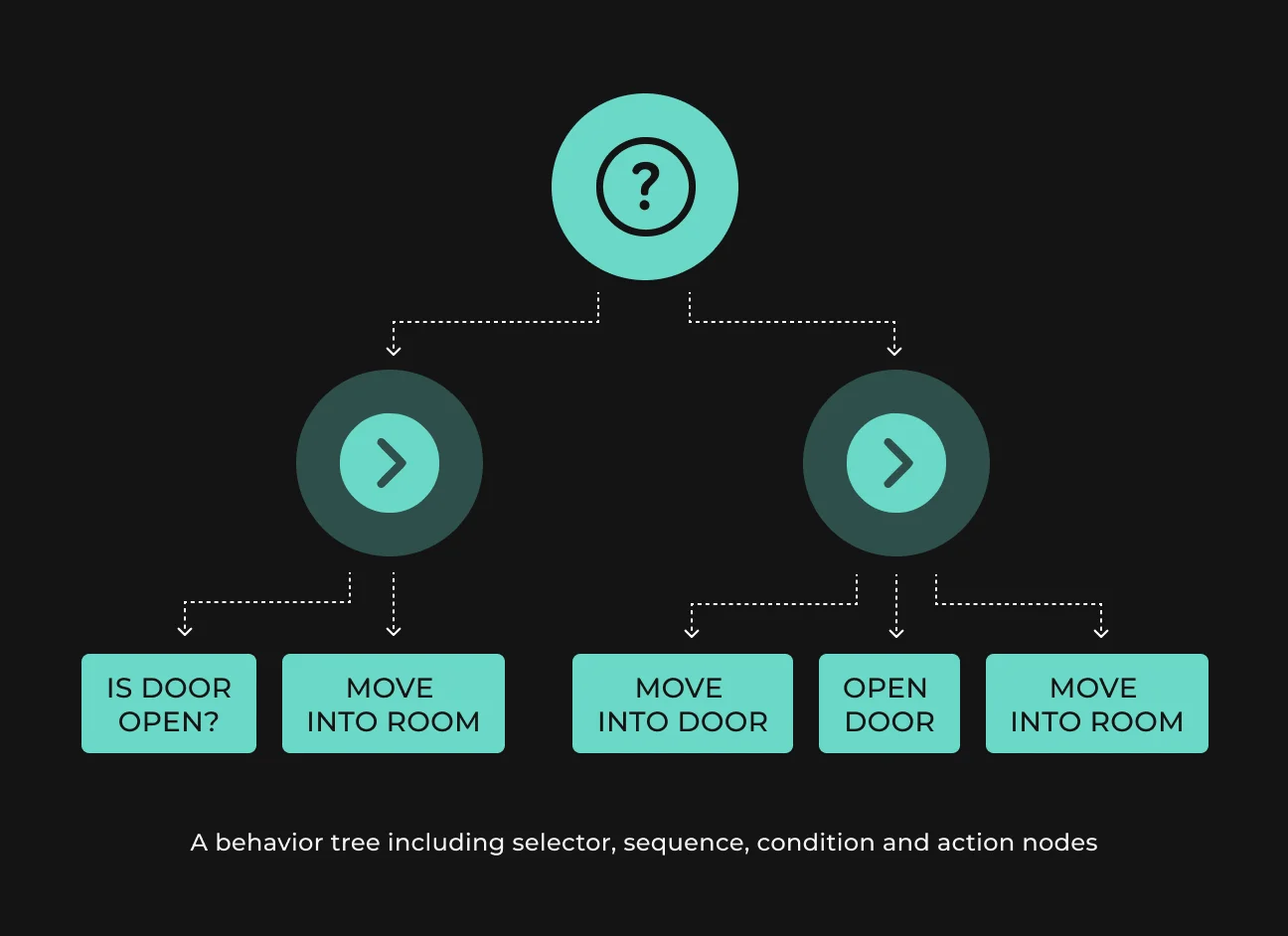
Behavior trees are a flexible tool for organizing AI behavior. They are made up of nodes arranged in a hierarchy, with each node representing an action, condition, or state. These nodes form a tree that maps out an NPC's possible behaviors, enabling them to make complex decisions and adapt quickly to different situations.
Future of AI in Gaming: Best Trends for 2025 and Beyond
Let's now explore the potential trends AI might bring to gaming in 2025 and in the future:
Cloud-Based Gaming
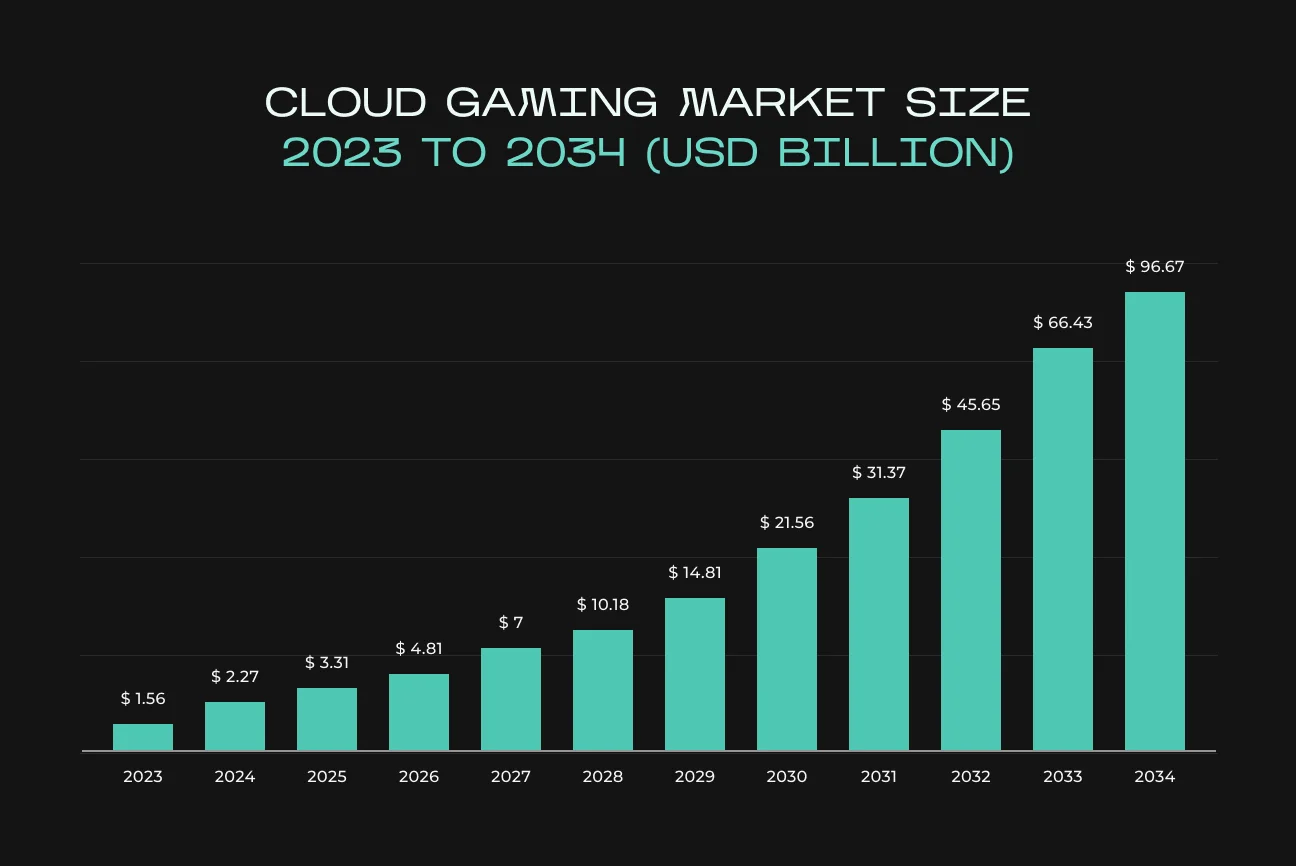
Cloud gaming is changing how we play by allowing gamers to stream games online without any pricey equipment. This means you can access a huge variety of games on your smartphone, tablet, or smart TV anytime you want. The cloud gaming industry is expected to expand significantly, possibly reaching around $96.67 billion by 2034.
Blockchain Gaming
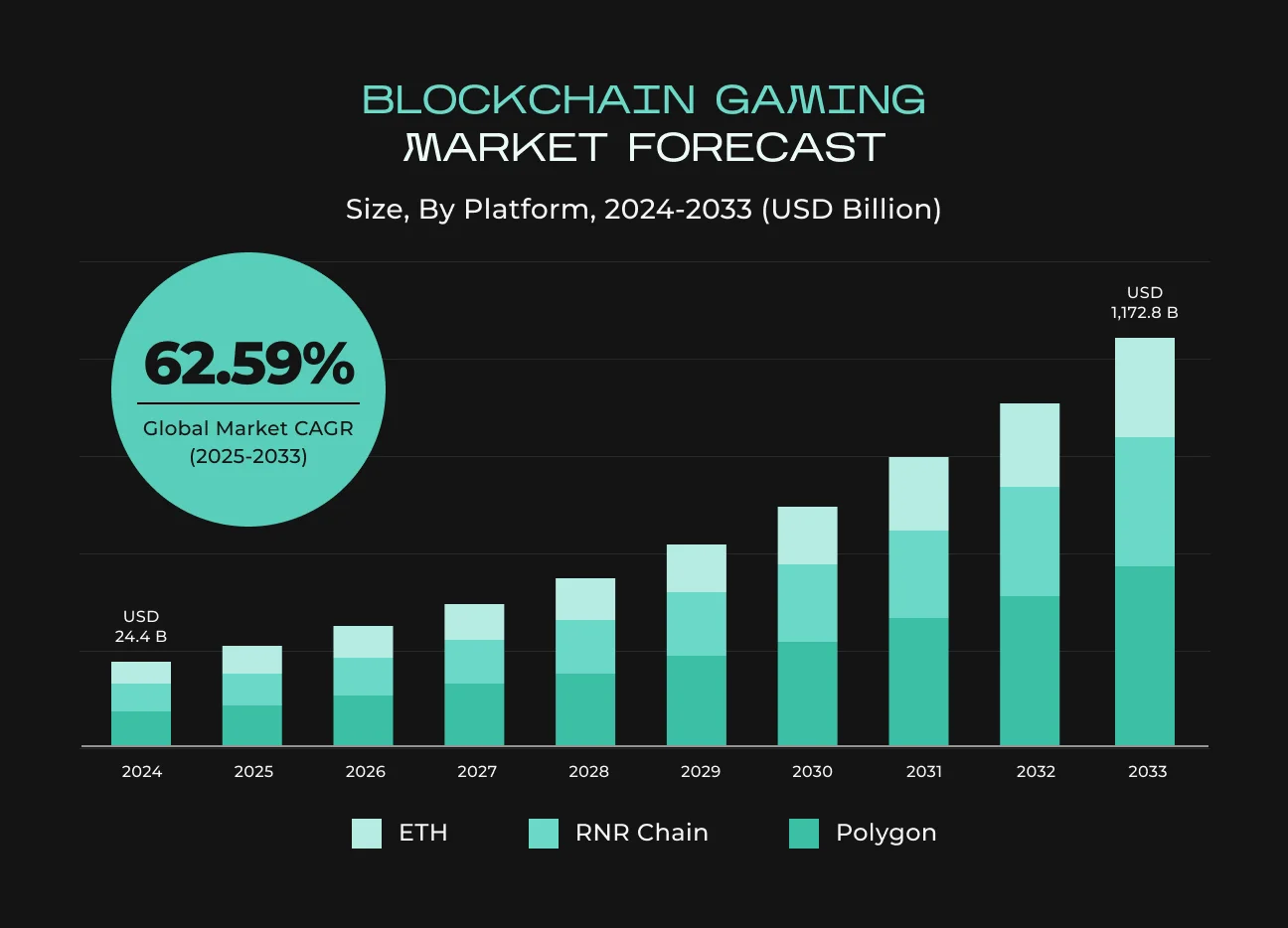
Blockchain games integrate blockchain technology into gaming, turning in-game items into NFTs that players can collect, trade, and sell.
A great thing about blockchain games is that players truly own the items they earn. Unlike traditional games where server issues might cause items to vanish, blockchain games store items securely. Even if the game's server has issues, your items remain safe in your wallet as NFTs.
VR Gaming
Wearables are an innovation that bridges the gap between games and players. They add experiences beyond just seeing and hearing. VR gaming creates a 3D world that makes users feel like they're actually in the game using devices like mice and touch screens.
Various VR technologies, like headsets, wrap-around screens, VR rooms, and sensory gadgets, let gamers interact with and explore the game world. Over 64% of active VR users think that gaming will be the biggest beneficiary of advancements in VR technology.
Other Upcoming AI Trends in Gaming
Check out some other AI trends that are revolutionizing the way we play and interact with games.
- Advancements in mobile game technology: 2025 is set to be a big year for mobile game developers. Thanks to powerful new devices, like the latest from Apple and AAA games arriving on mobile, the gaming experience is becoming more advanced and immersive. By 2029, there are expected to be 2.4 billion mobile gamers globally.
- More complex non-player characters: giving NPCs unique personalities and emotions adds a human touch that makes gaming more lifelike. Now, about 76% of gamers want NPCs to be more aware of their surroundings, and 68% want deeper conversations with them. So, the future of NPCs looks promising with the use of advanced technologies like language understanding, text-to-speech, and machine vision.
- AI-generated games: generative AI in gaming is already used to design buildings, create forests, and speed up level completion. Tools like Ghostwriter and ZooBuilder help designers by taking care of repetitive tasks. ZooBuilder, for example, can animate four-legged animals from videos. About 36% of game developers globally report that their teams are using generative AI tools. AI could one day create entire games, offering players stunningly detailed, AI-made worlds.
The future of gaming focuses on giving players more realistic and enjoyable experiences. AI will only enhance these experiences and make games more accessible for everyone.
Best and Most Popular AI-Powered Games
Here are some of the best games with impressive AI that drive innovation in gaming.
Red Dead Redemption 2
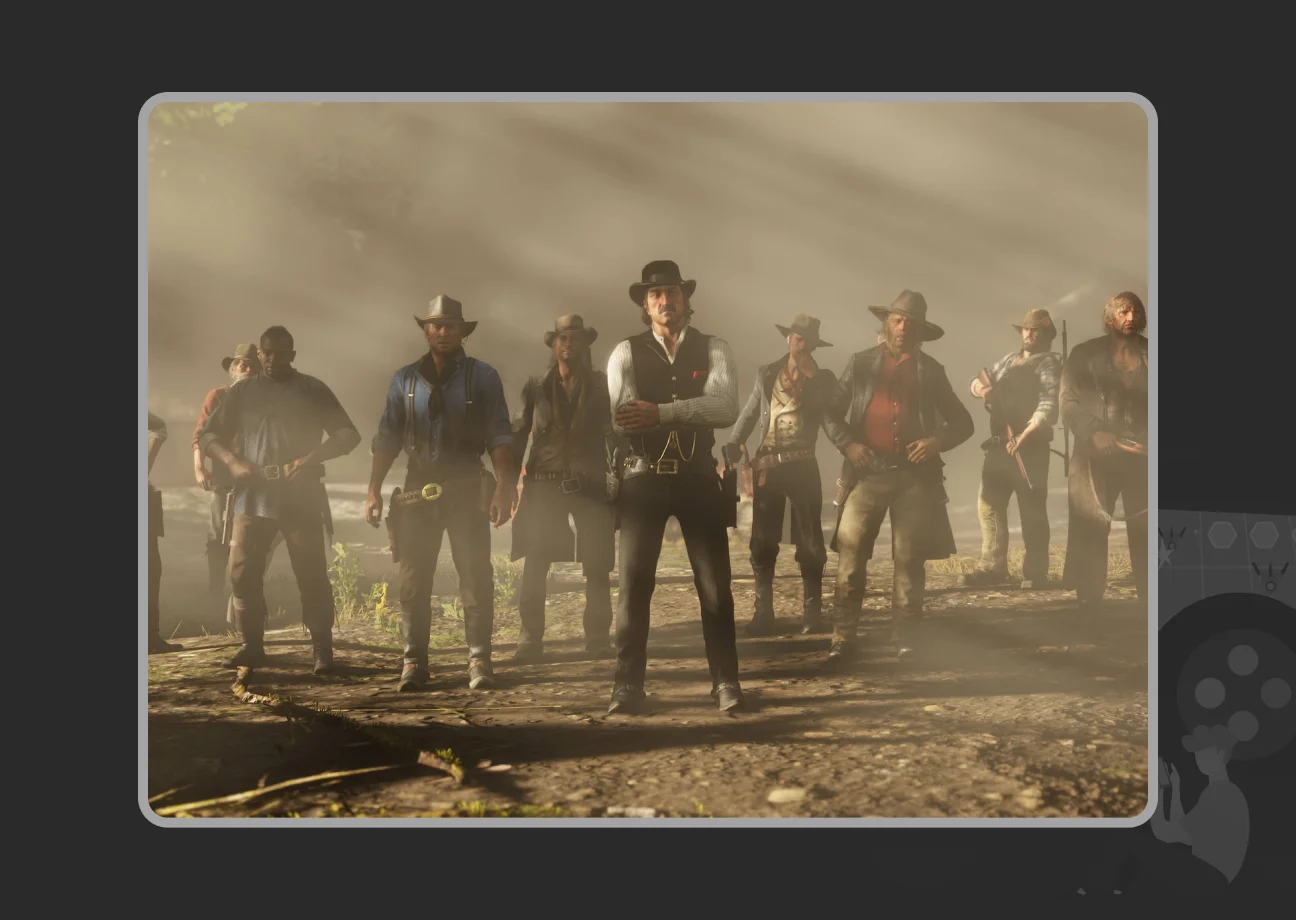
This is Rockstar’s incredible open-world game. Here, the Wild West feels alive with realistic characters who go about their daily lives and react to your every action.
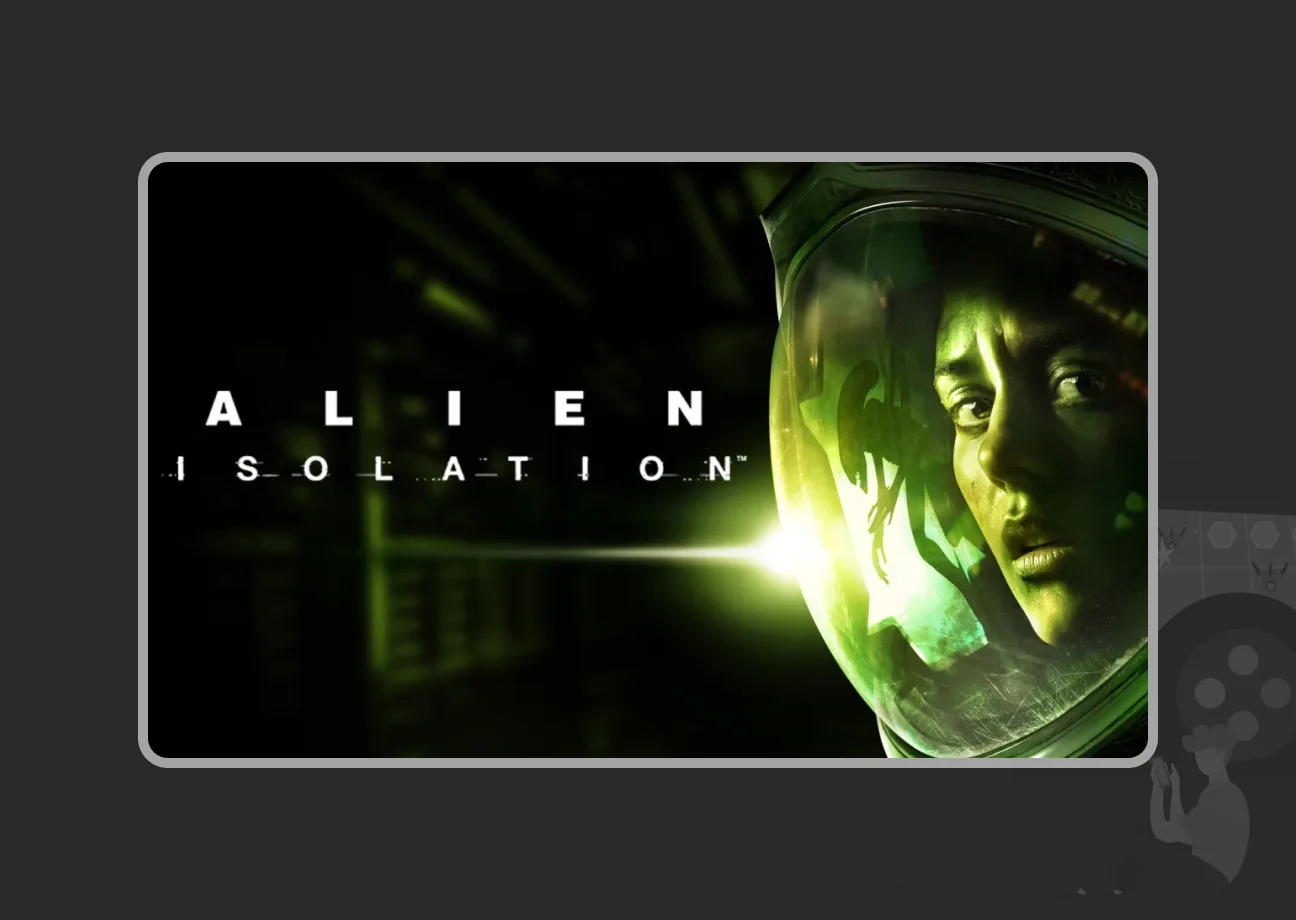
Alien: Isolation
In this game, you'll feel intense suspense. The clever Xenomorph can adapt to your actions, which makes every encounter much more fun and challenging.
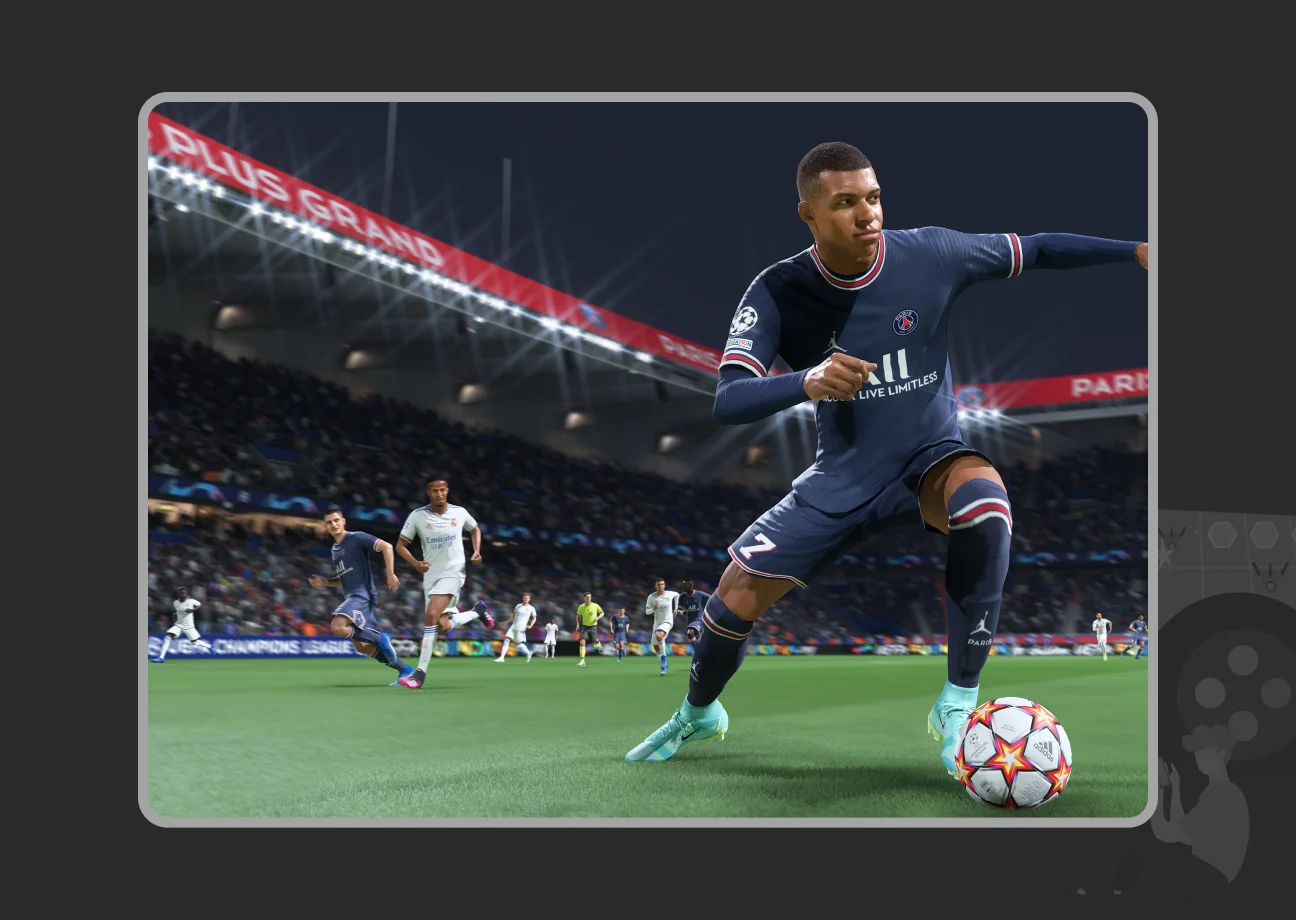
FIFA 22
EA Sports' FIFA 22 uses machine learning and AI to make player-controlled characters and NPCs look more realistic. This technology creates lifelike movements and lets gamers change how their player strides.
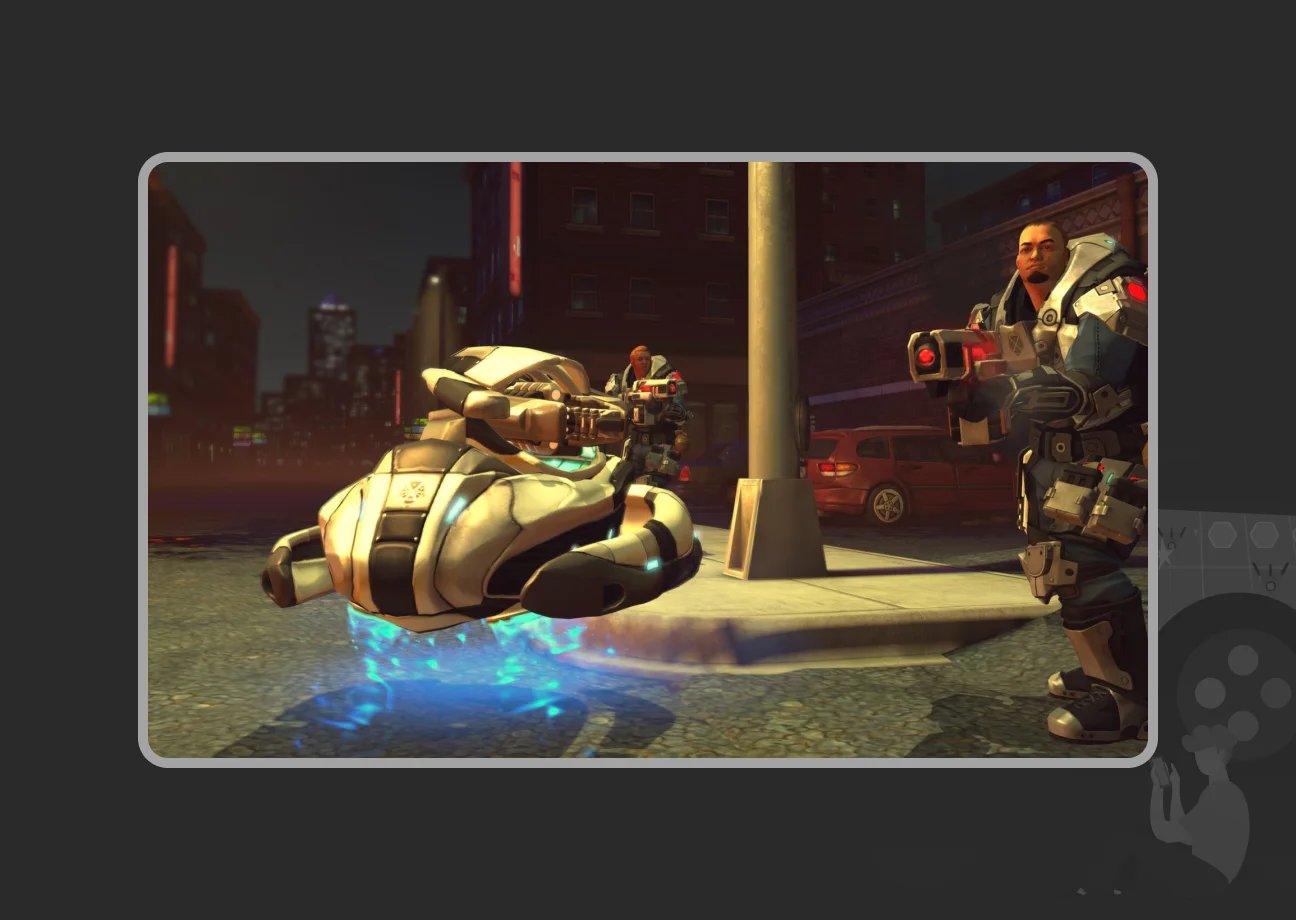
XCOM: Enemy Unknown
In XCOM: Enemy Unknown, there are different enemy groups with unique powers and skills. During battles, the game’s AI assesses these abilities, which allows enemies to adapt their tactics and use their strengths effectively.
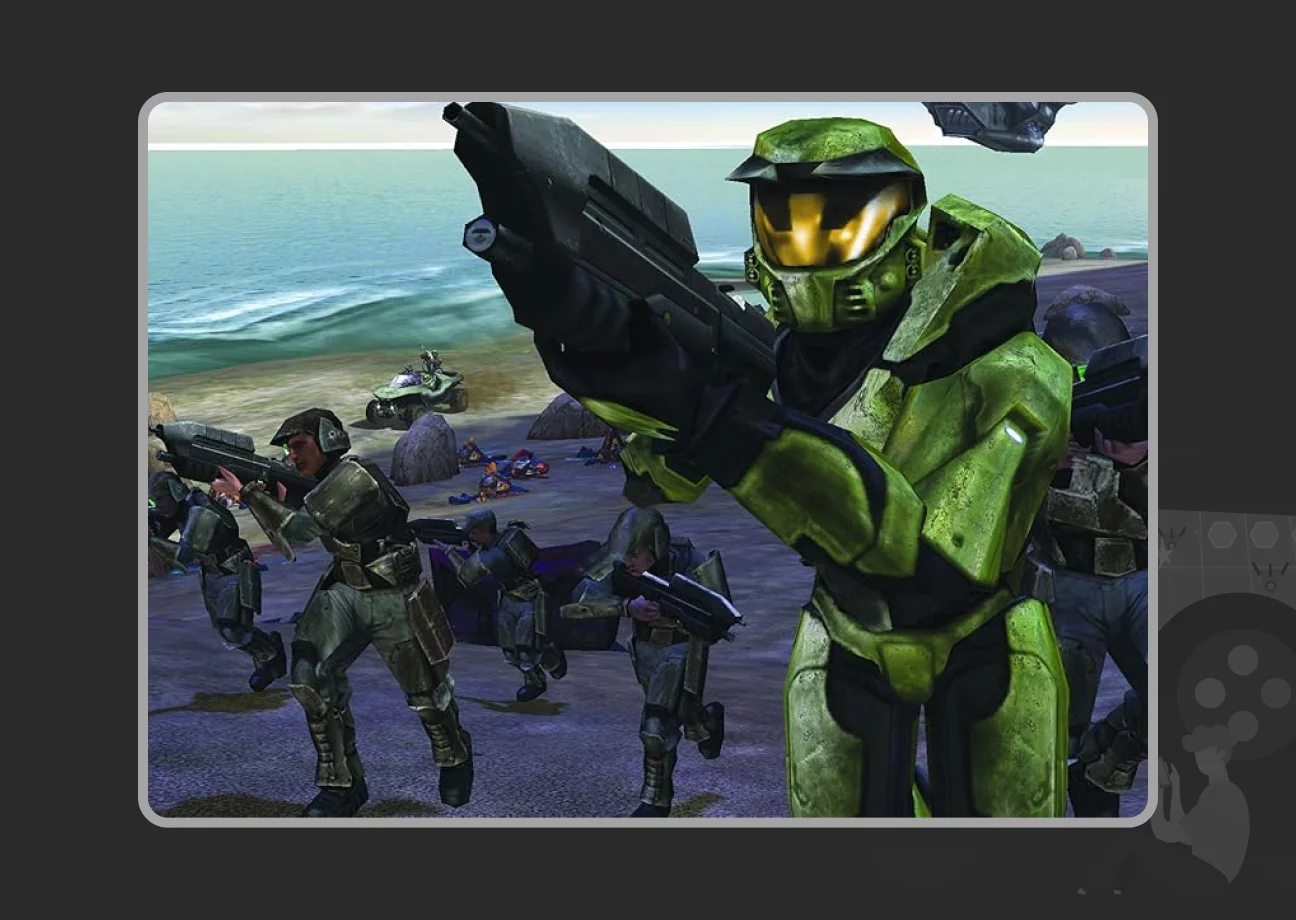
Halo: Combat Evolved
Halo: Combat Evolved revolutionized FPS games with its innovative AI. Enemies like the Covenant cooperate and adapt their tactics depending on what the player does, which makes the game challenging and impressive even now.
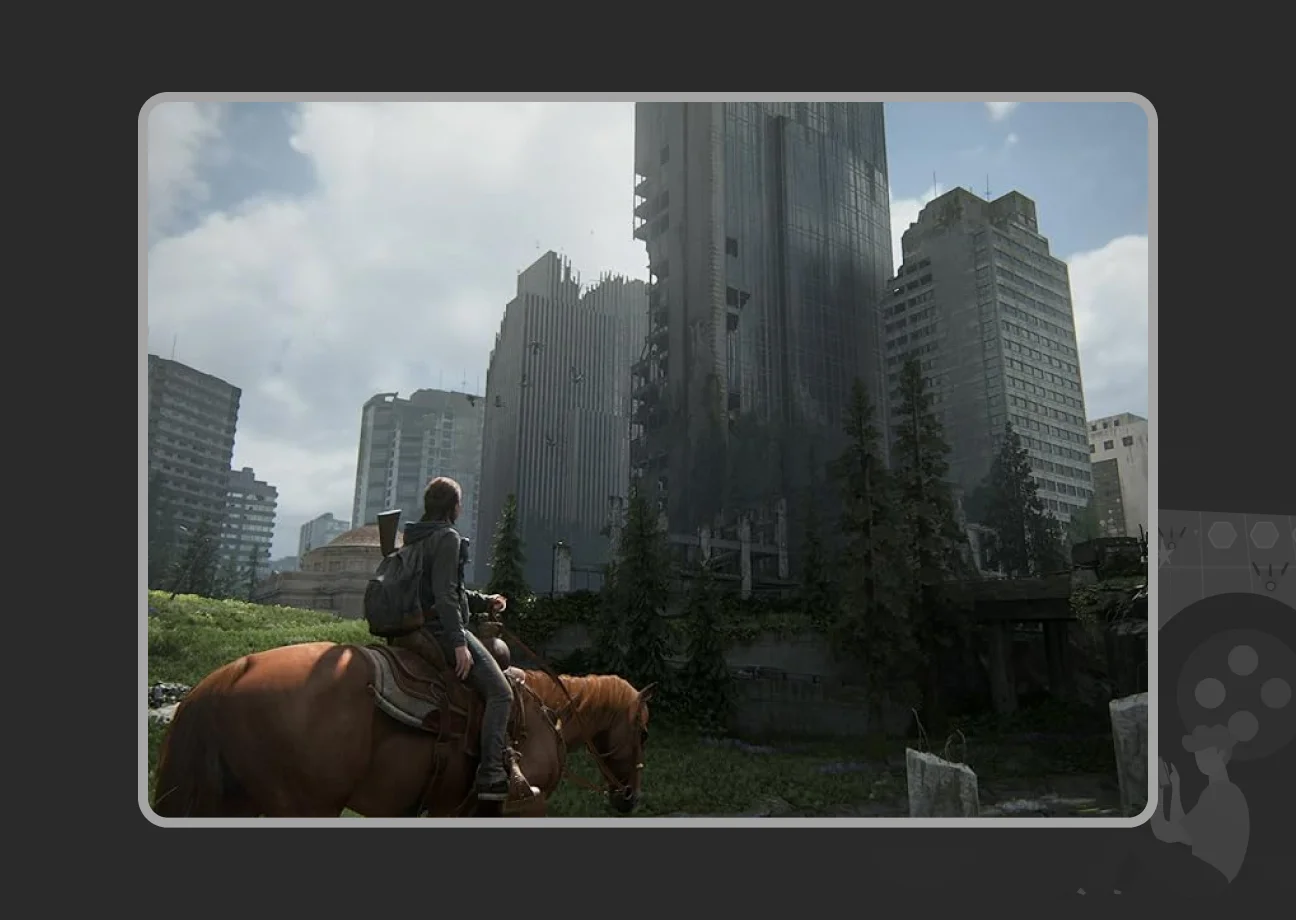
The Last of Us Part II
The Last of Us Part II has AI that makes enemies act realistically. Opponents can communicate, plan, and adjust to the player's tactics. These AI characters react emotionally to what players do, which makes the game world feel vibrant and real.
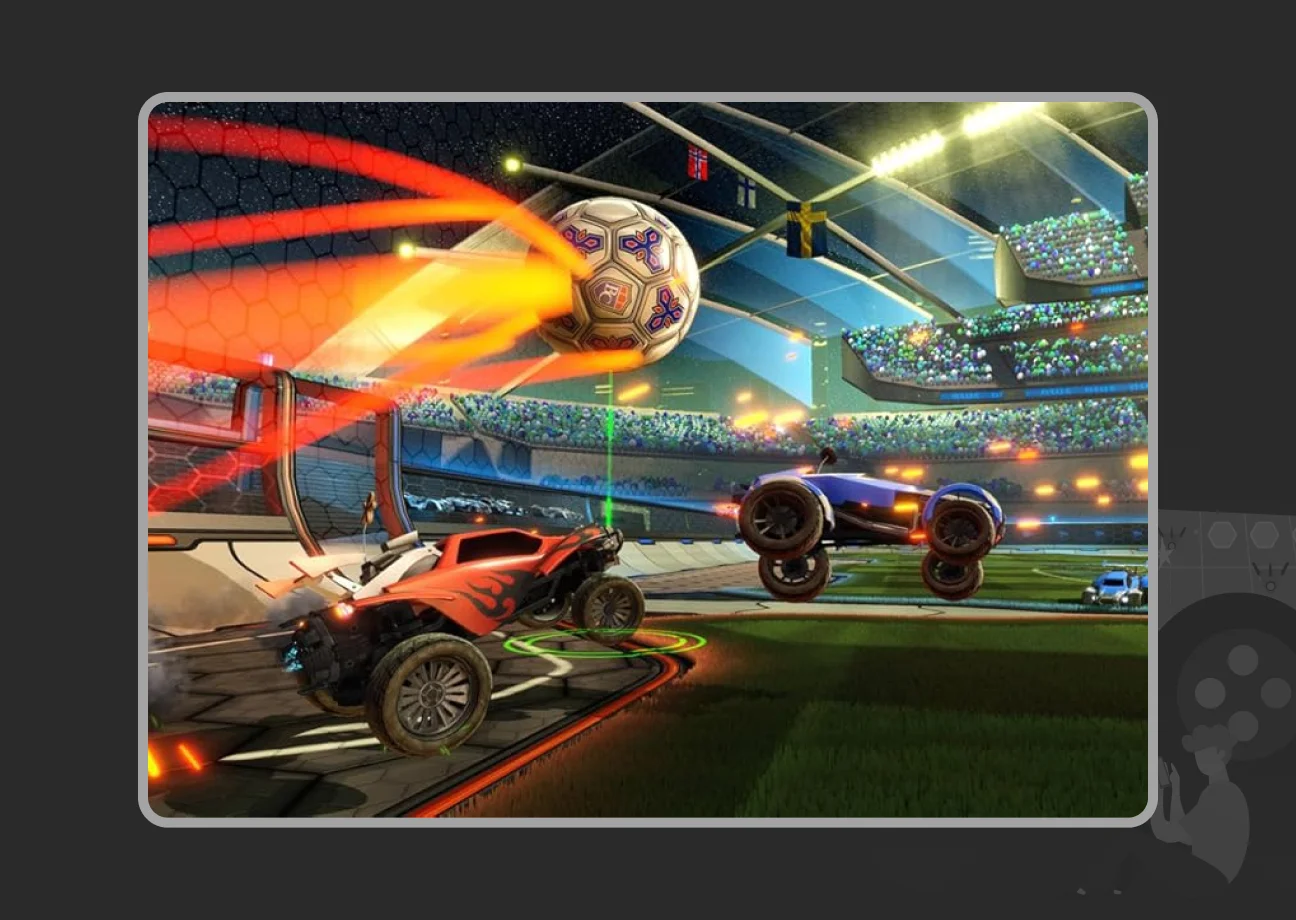
Rocket League
Rocket League is a game that mixes soccer with car racing. Teams often have AI bots that are trained to play super fast in competitive matches using reinforcement learning.
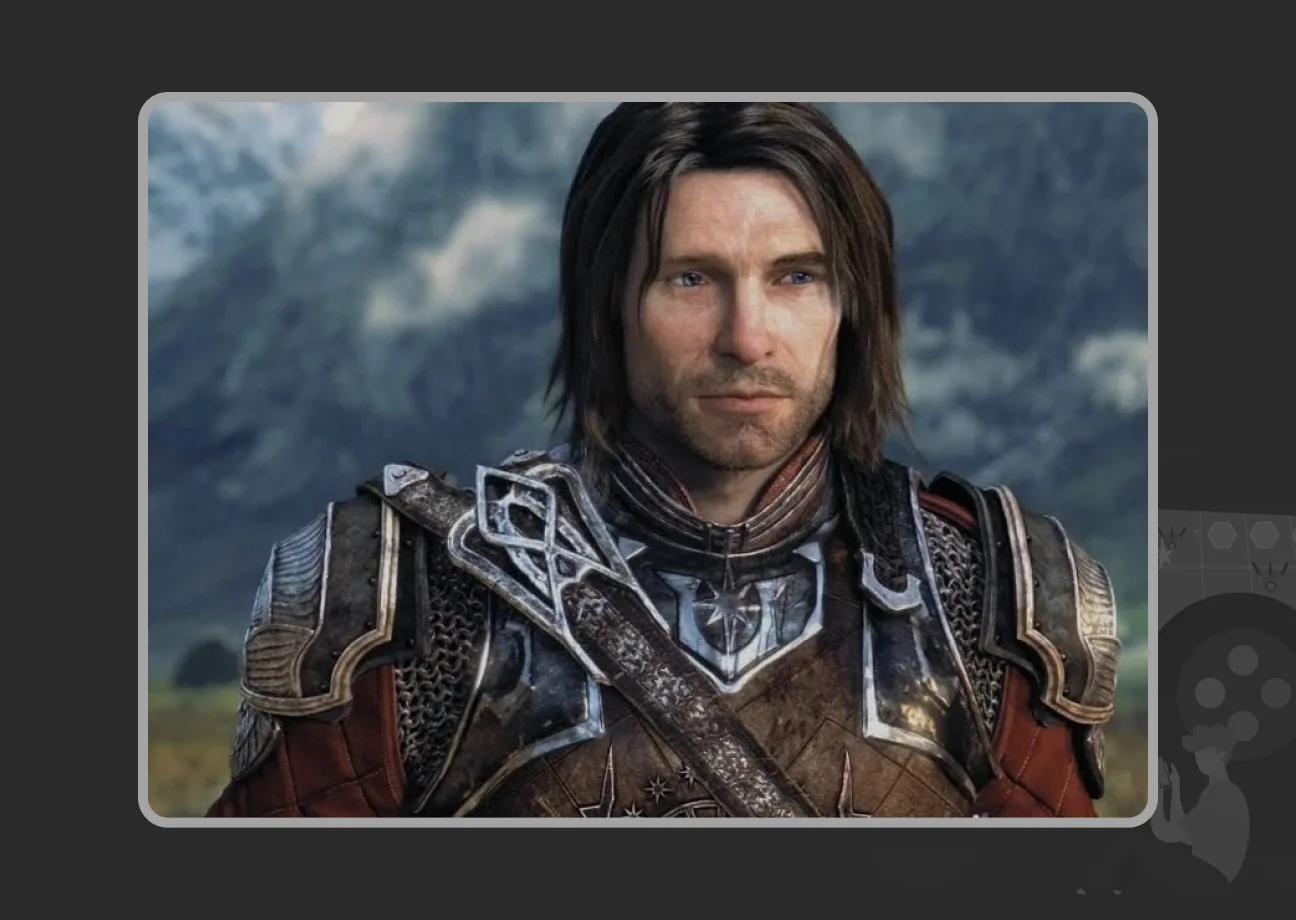
Middle-earth: Shadow of Mordor
In Middle-earth: Shadow of Mordor, the Nemesis system makes your adventure unique by letting enemies remember past encounters with you. Depending on how you interact with them, they can change and even become stronger.
As AI rapidly progresses, we can expect more AI-driven games to arrive in the market. These games will offer even more advanced technology, richer worlds, and well-developed characters, providing an unmatched gaming experience.
Partner with SapientPro to Build Your AI-Powered Gaming Application
SapientPro is your reliable partner for creating high-quality and custom AI gaming solutions. Our skilled developers use their expertise in both AI and gaming to help you succeed in the entertainment industry. Contact us for a professional consultation and an in-depth project estimate.

