All How to Develop a Web3 Application?
Updated:July 27, 202620 min read


Data analytics improves business performance by using data to find the most optimal solutions. It helps companies evaluate their operations, services, and products to improve and make better decisions.
With Web2, we got access to lots of data, which helps us better understand how to retain and engage customers, and track traffic. But this also led to privacy issues because user info like location and device details is often collected and sold without consent.
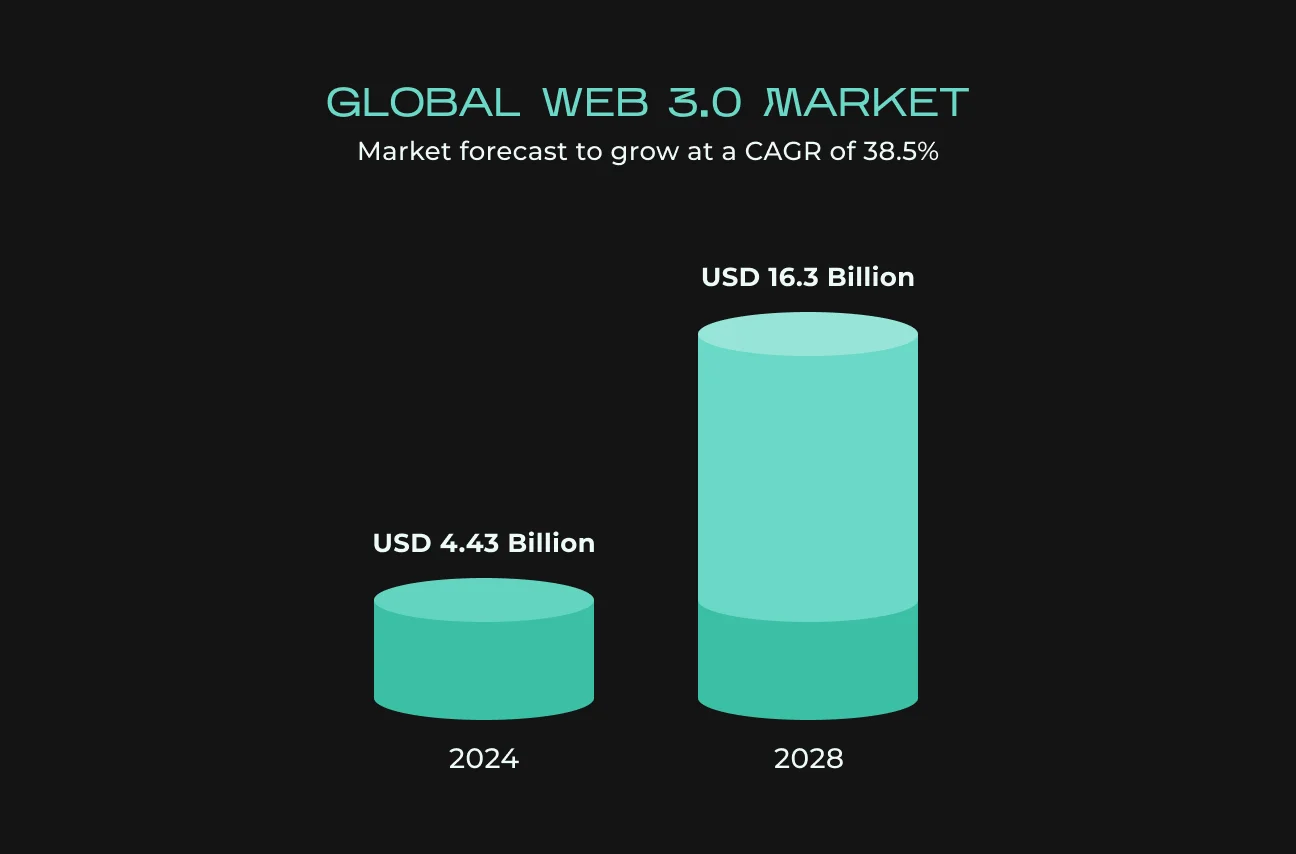
Web3 is changing this. It gives users more control over their personal data and keeps it anonymous. By 2030, the global Web3 market is expected to be worth $5.5 billion. Web3 is now searched more often online than Bitcoin.
No matter what field you're in — healthcare, real estate, education, or any other — now is just the right time to make a web3 app. This guide will give you a detailed look at how to build a Web3 app and maximize its value based on SapientPro’s experience.
What Is a Web3 Website?
What's the difference between web2 and web3? In Web2, central organizations manage user data and applications. In Web3, on the other hand, communities take charge. Web3 makes the internet more accessible, open, and reliable moving from centralized to decentralized systems.
This shift allows users to control their data, set prices, support development, and guide projects. Automated technologies just make it possible to manage interactions without the need for a central authority.
4 Main Features of Web 3.0
To better understand what the world of Web3.0 is all about, look through its 4 key concepts:
Decentralization
Web 3.0 includes decentralized web apps that store data across various networks owned by different organizations. Users can pay for storage directly and choose where to keep their data.
Semantic Web
The Semantic web helps apps manage complex tasks by understanding the content and context of online data. Web 3.0 uses metadata and artificial intelligence to give meaning to user-created data. This includes technologies we currently see on the web, like search engines, that provide more accurate and relevant results.
Interoperability
Web 3.0 links various technologies, so data can flow easily between platforms without intermediaries. This lets users change services and keep the same settings and profiles.
Trustlessness
In traditional web apps, there’s a central authority that manages user data and transactions. This authority can change the system's rules, which might lead to security risks or data misuse. With web3, users can interact and make transactions with no need to trust any third party.
What Are the Benefits of Web3 Applications?
Web3 is a quickly growing technology with great potential. Although its full impact may take some time to show up, we can already see its unique benefits:
Security
Web3 helps businesses overcome the flaws of centralized systems. With blockchain's transparency, data remains reliable. It protects sensitive information and reduces the risk of fraud.
Collaboration Opportunities
Web3 uses a DAO, which is a Decentralized Autonomous Organization. Unlike traditional companies with managers and executives, DAOs are governed by software rules, allowing many people to take part.
Cutting Costs
Web3 changes how businesses work by removing intermediaries. This approach reduces overhead costs and allows for direct transactions. Automation increases efficiency and helps organizations save money.
Project Ownership
Web3 uses blockchain technology and decentralization to give more control to content creators by removing middlemen. Web3 allows users to earn tokens for being active in their communities. These tokens have monetary value and give people ownership of their projects.
Tokenization and Opportunities for Raising Funds
Web3 offers new ways to raise funds using tokenization. Tools such as Initial Coin Offerings (ICOs) and Initial Token Offerings (ITOs) let businesses connect with investors worldwide. Decentralized Finance (DeFi) allows companies to raise money without relying on traditional centralized methods.
How Does Web3 Work? Key Features Required to Develop A Web3 App
Building a web3 app requires a solid base. Let's discover the key elements for creating a web3 app:
- Decentralized architecture: it will help avoid single points of failure and make data more reliable;
- Transparency: users could verify transactions and data to protect their privacy;
- Tokenization: digital tokens will make transactions easier, increase liquidity, and open new investment opportunities;
- Open source: you can share your project's code with everyone to get feedback and build trust;
- Interoperability: web3 app can work with other dApps and blockchains to improve user experience and functionality.
Here are some of the best web3 security practices:
- User authentication: secure user accounts using strong methods such as multi-factor authentication or hardware crypto wallets;
- Data encryption: encrypt sensitive data while sent and at rest to prevent unauthorized access;
- Smart contract audits: regularly check your contracts for weaknesses and fix them to prevent exploitation;
- Frequent updates: keep your application up to date with the latest security measures to prevent threats.
Challenges and Solutions in Web3 App Development
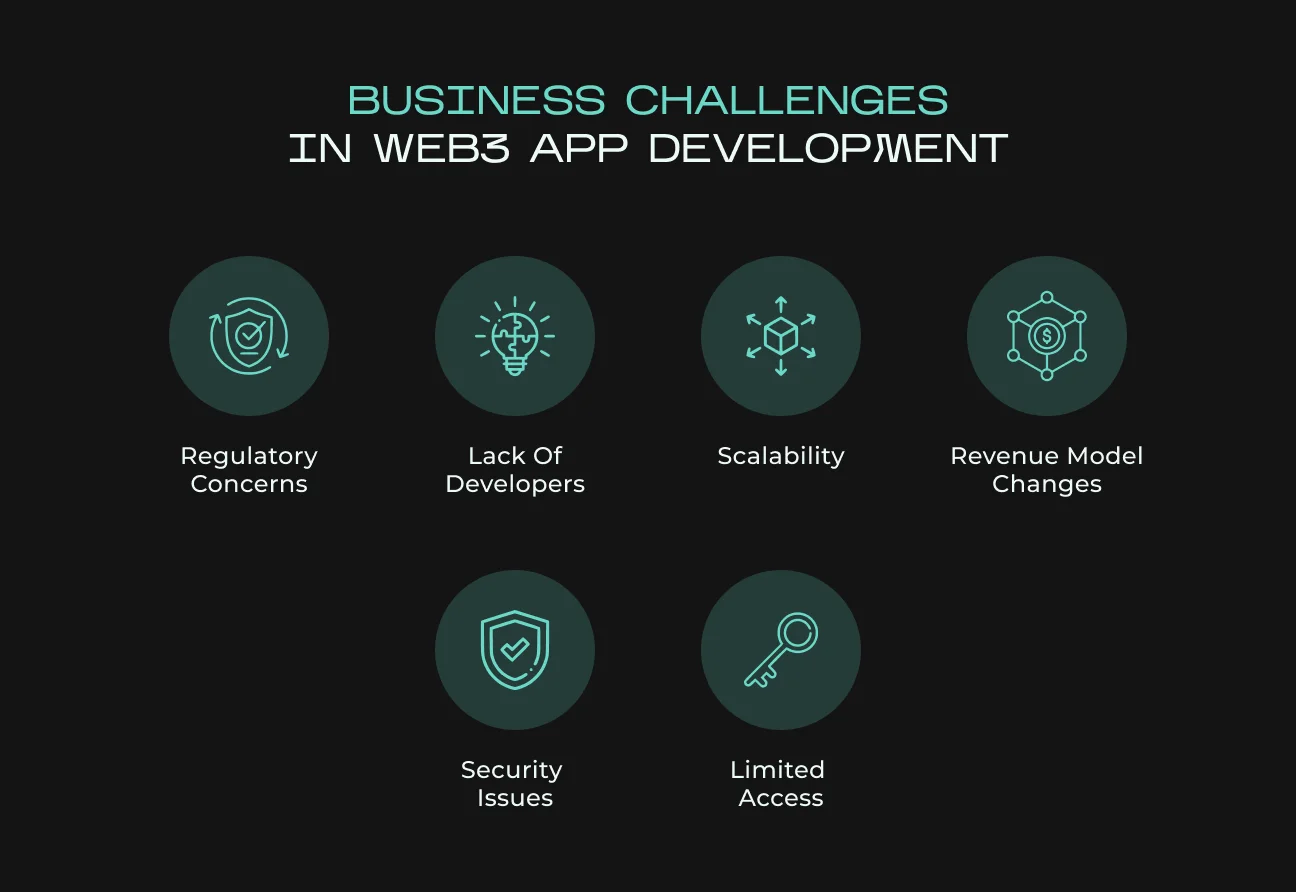
Developing a Web3 site can take a while because you should integrate new technology with existing systems. Here are some key challenges you might face on this way:
Regulatory Concerns
Governments and regulators find it hard to set rules for a decentralized web. As a result, businesses and individuals might hesitate to adopt Web3 because of unclear regulations or potential taxes.
Lack of Developers
Web3 mobile app development involves complex concepts like blockchain, cryptography, and smart contracts. This might be challenging for developers used to traditional web development.
Revenue Model Changes
Deloitte’s 2023 Global Human Capital Trends Report emphasizes a new workplace trend focused on a “co-create relationship.” This means companies and employees collaborate for shared benefits. Yes, web3 can improve customer relationships by giving them a voice and a share in revenue through token ownership. But businesses must be aware of possible taxes and potential issues with securities laws.
Scalability
Scalability is a major challenge for blockchain. Now, it struggles to manage large amounts of data and transactions needed for a decentralized global internet. This may lead to slower processing speeds and higher fees, which could slow down the use of Web3.
Security Issues
Many users may not know much about smart contract security or risks, which could result in scams. Security concerns can cause trust issues with web3, and make new users hesitant to join.
Limited Access
Complex interfaces and a lack of easy-to-use tools can make it difficult to understand how to use Web3. This could mean that only technology-competent people can access it, which limits the chance for Web3 to become widely adopted.
Can these challenges become opportunities for Web3 growth?
Of course, and here's how:
- Setting clear regulations is necessary because they encourage innovation and protect users. By working together, governments, regulators, and the Web3 community can create a balanced plan that supports a responsible and sustainable future for Web3.
- Blockchain technologies often can't process a lot of transactions quickly. This means there's an opportunity to design solutions that can manage more data.
- Security weaknesses show the importance of developing strong security measures and educating users. This will lead to the development of more secure smart contracts and a safer Web3 ecosystem overall.
- As blockchains are often fragmented, there’s the need to create standards for better interoperability. These standards will help build a more connected Web3 ecosystem, allowing users and applications to operate across different blockchain platforms.
- The lack of Web3 developers is actually an opportunity to focus on education, develop standard tools, and build a supportive community. These actions will attract new talent and speed up progress in the Web3 field.
Use Cases of Web3 Applications by Industries
Web3 influences many industries, like finance, education, real estate, supply chain management, and healthcare. It improves transparency, security, and efficiency through different applications. Here are some common Web3 use cases.
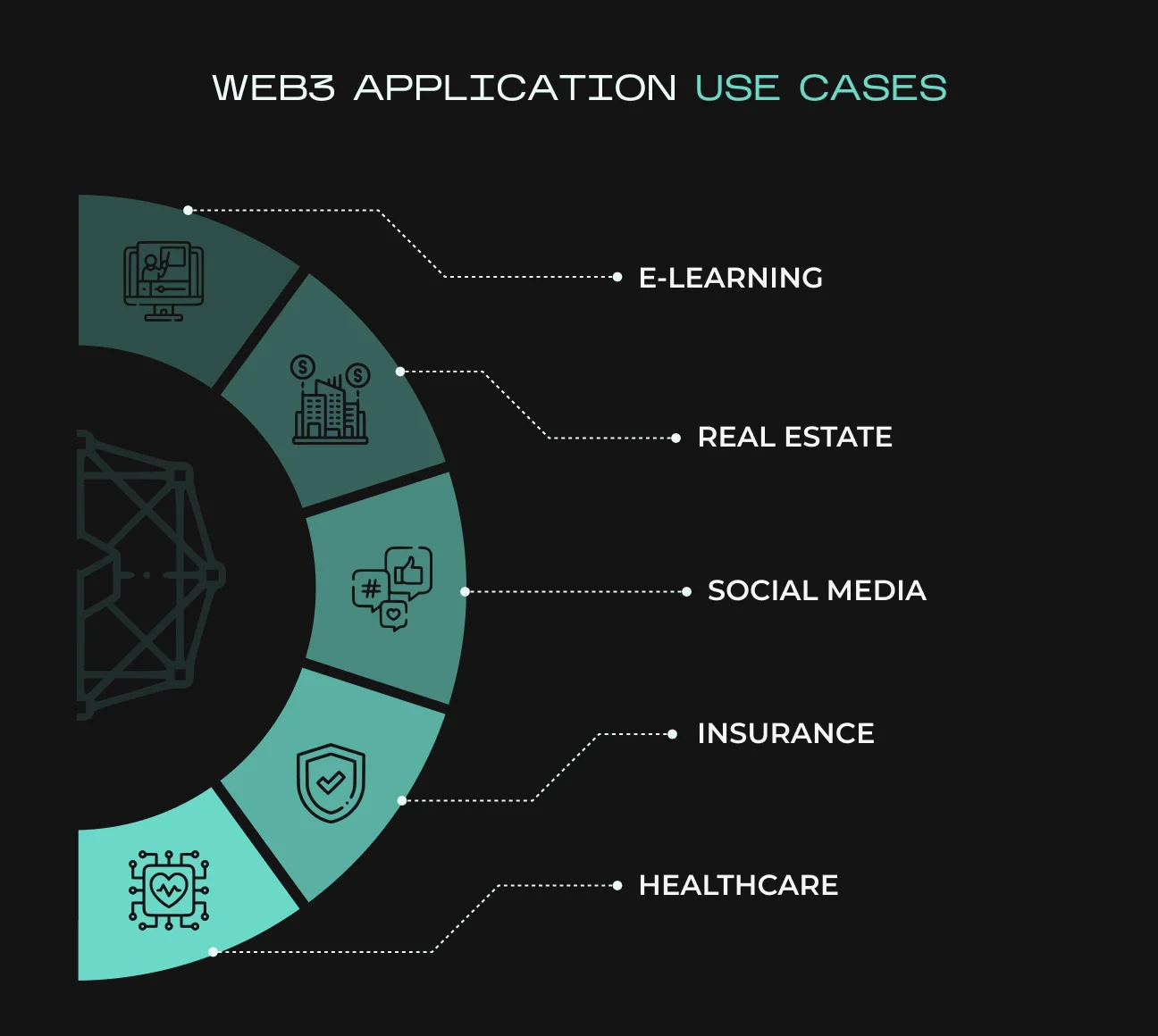
E-learning Web3 App Development
Web3 offers many benefits for education and e-learning. It provides valuable solutions in areas, such as:
- Personalized classes: web3 e-learning apps allow you to create personalized courses for each student and track their progress individually;
- Cooperative education: students can study more actively by joining digital forums and communities to discuss ideas;
- Digital libraries: because educational materials are stored digitally, everyone can easily access them in online libraries and repositories;
- Safer record keeping: blockchain technology converts paper information into secure, easily accessible digital formats.
Web3 Real Estate App Development
Web3 allows people to own and trade real estate through tokenization. This makes it easier to diversify investments, access cash, and explore markets that were previously difficult to reach.
Web3 could also change the real estate industry by using smart contracts. They help save time and money, improve transparency, and reduce the risk of fraud.
Web3 Social Media App Development
Web3 development platforms focus on user privacy, content ownership, and community control. Sites like Steemit, Minds, Lifetoken, and DiamondApp provide alternatives to centralized networks by rewarding users for their contributions.
For example, on Steemit, you can gain tokens just by being active on the platform. Actions like posting, sharing, or commenting may earn you rewards.
Web3 Insurance App Development
In the insurance industry, smart contracts are a common use of blockchain technology. These contracts automatically process payments, so there's no need for manual handling.
According to a report by Accenture, Jim Bramblet, Senior Managing Director and FS Midwest Lead, says: “Having a single source of information can greatly reduce friction in business processes. This can be achieved by using smart contracts to help manage and automate Distributed Ledger Technology (DLT) networks.”
Web3 Healthcare App Development
Web3 improves data management in healthcare by making it open and secure. This lets healthcare providers easily share patient information between each other, keeping it private.
Web3 gives patients control over their health data using smart contracts and cryptographic keys. This means patients can decide who sees their information. For example, Guardtime Health is a blockchain platform where patients can safely store and manage their medical records. It allows them to give healthcare providers access and check how they use medical data.
Web3 also improves medical training by using VR and AR platforms. These immersive tools allow students and professionals to practice surgeries and complex medical scenarios. For example, VirtaMed uses the metaverse to create VR simulations for medical training.
Latest Tech Stacks Required to Create A Web3 Website
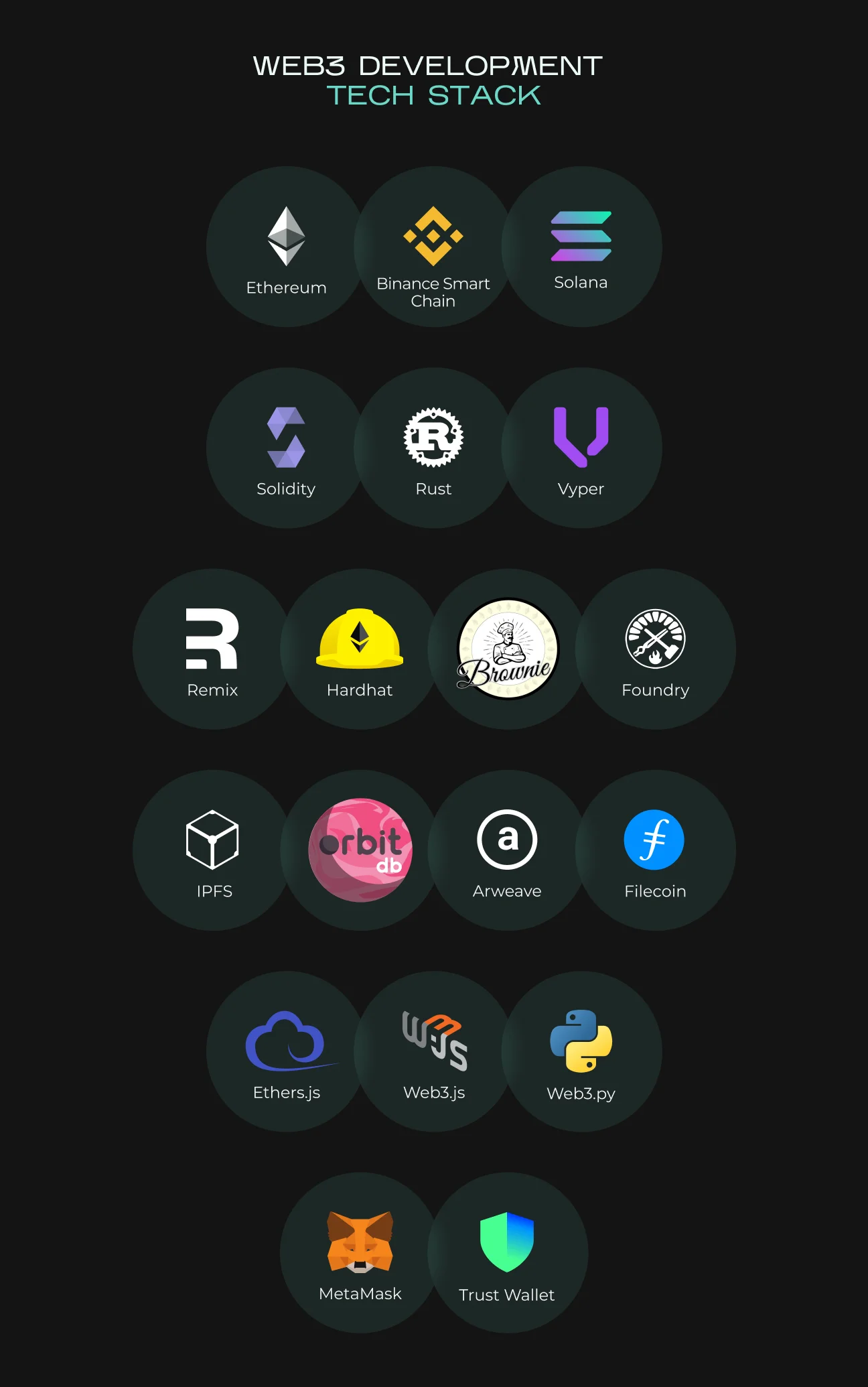
Building a Web3 application requires modern technologies to create decentralized apps that interact with blockchain networks. Here are some common tools and components used in Web3 development.
Blockchain Platforms
When you decide on which blockchain to use, you need to think about its level of decentralization, transaction capacity, the cost of fee, and compatibility with other systems. Let's explore a few popular blockchain platforms:
- Ethereum: it's perfect for launching smart contracts and dApps because of its strong developer support and ecosystem.
- Binance Smart Chain: it offers quicker transactions and lower fees than Ethereum, which makes it popular for DeFi and NFT projects.
- Solana: Solana is fast and has lower fees, making it ideal for apps with many transactions.
Development of Smart Contracts
Smart contracts run on blockchain networks and help support decentralized applications (dApps). There are three programming languages that are most common in web3 technology:
- Solidity is the main language for creating smart contracts on Ethereum. It's inspired by JavaScript and designed specifically for the Ethereum Virtual Machine (EVM).
- Rust is a fast and safe system programming language. It’s commonly used in high-performance blockchain platforms like Solana and Polkadot.
- Vyper is a Python-based language for making smart contracts on Ethereum. It prioritizes security and simplicity and helps create clear and easy-to-check code.
Development Frameworks
Once you've chosen a programming language, your next step is to select a smart contract development framework. These frameworks provide all the tools you need to develop, test, and launch your code. Here are a few frameworks for web3 development:
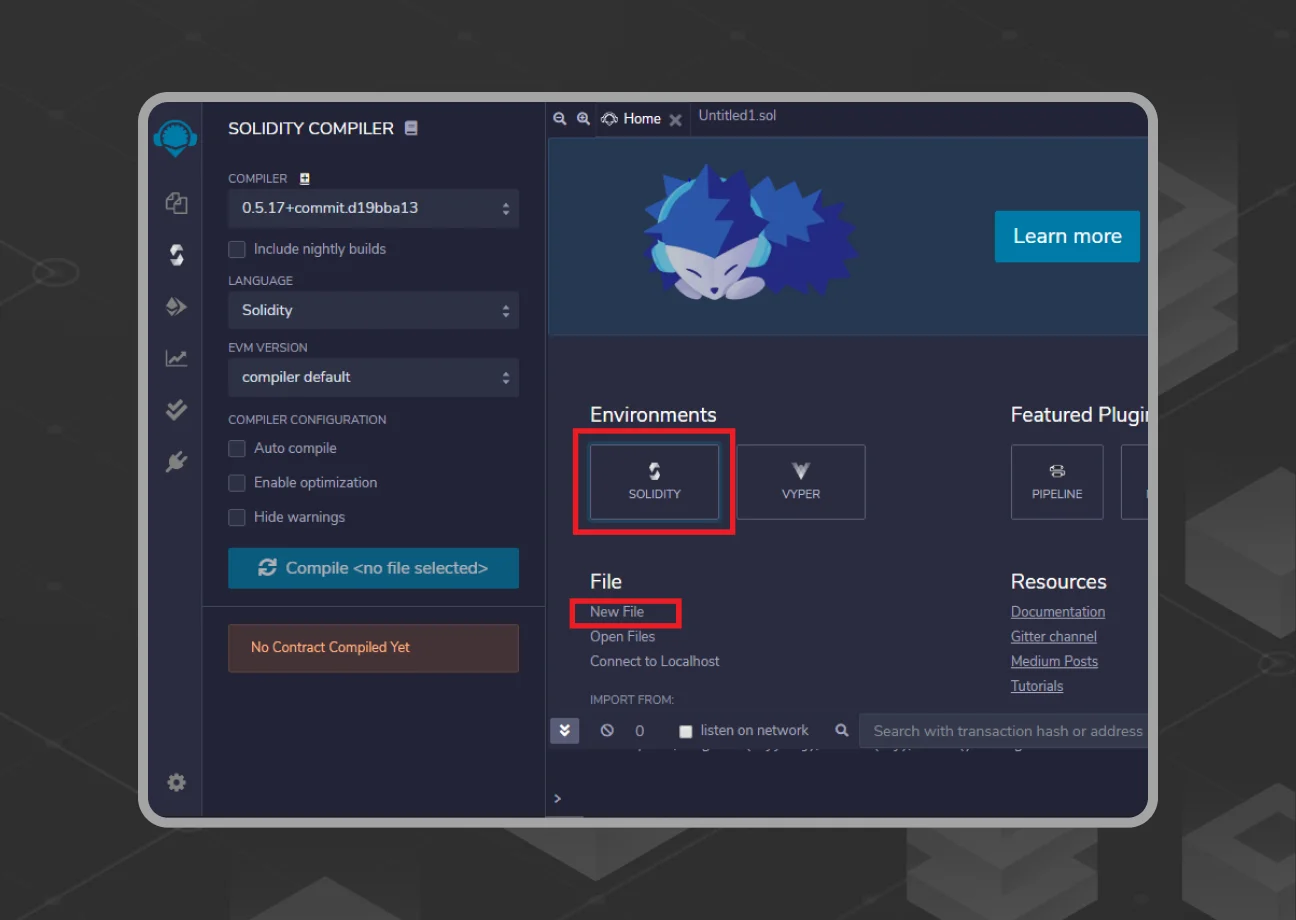
Remix
Remix is Ethereum's official development platform. It supports Solidity and Vyper and includes a file explorer, code editor, console, Solidity compiler, and debugger. All these make it suitable for developers of all skill levels.
Hardhat
Hardhat is another tool for Ethereum developers using JavaScript. It provides a local Ethereum node and simplifies testing and debugging. With Hardhat, you can deploy contracts locally, run tests, and debug your code.
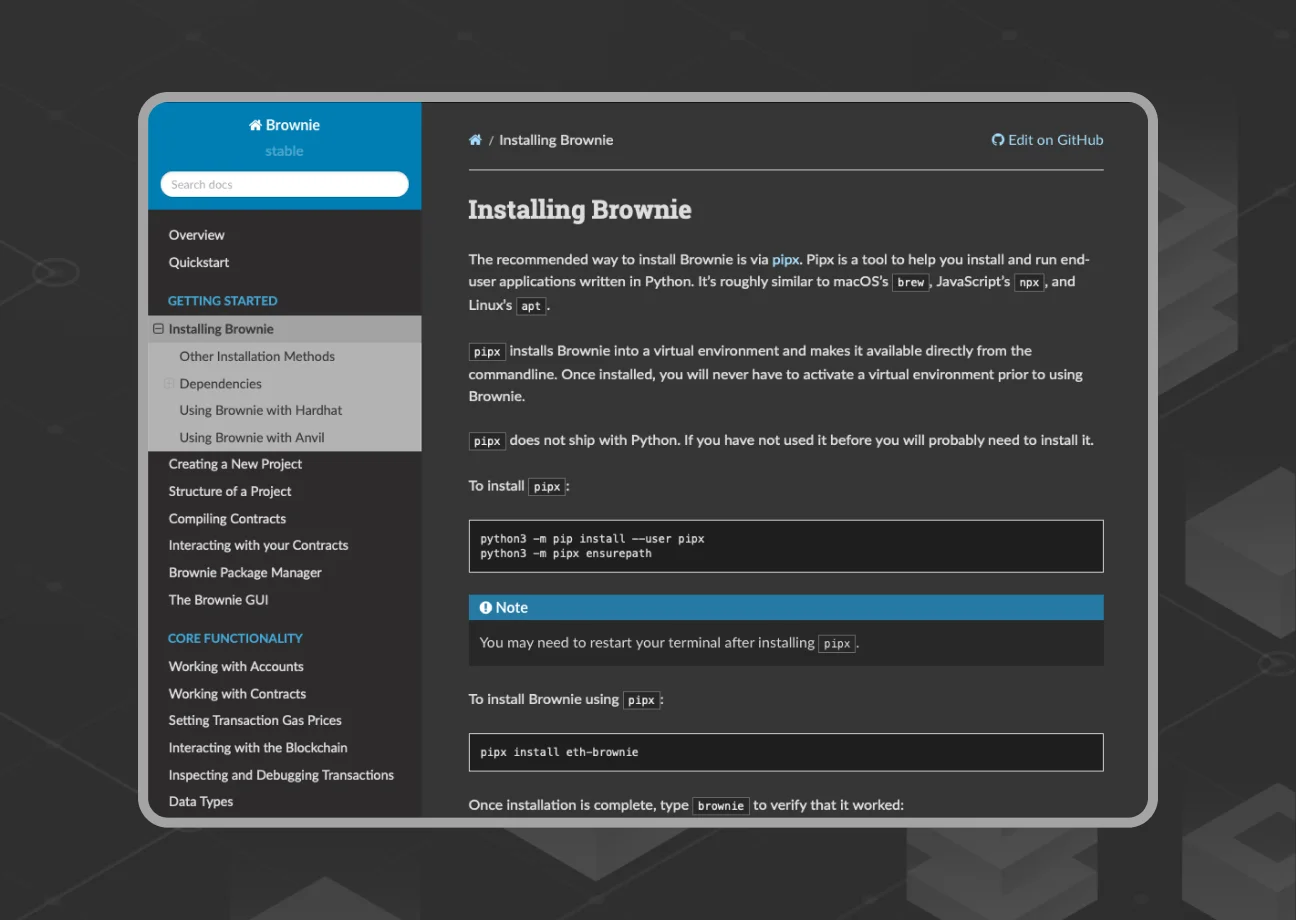
Brownie
If you want to create a web app with Python, Brownie is the right framework for you. It works with Solidity and Vyper languages and provides debugging tools like custom error messages. Plus, it has a built-in console that helps you easily manage projects.
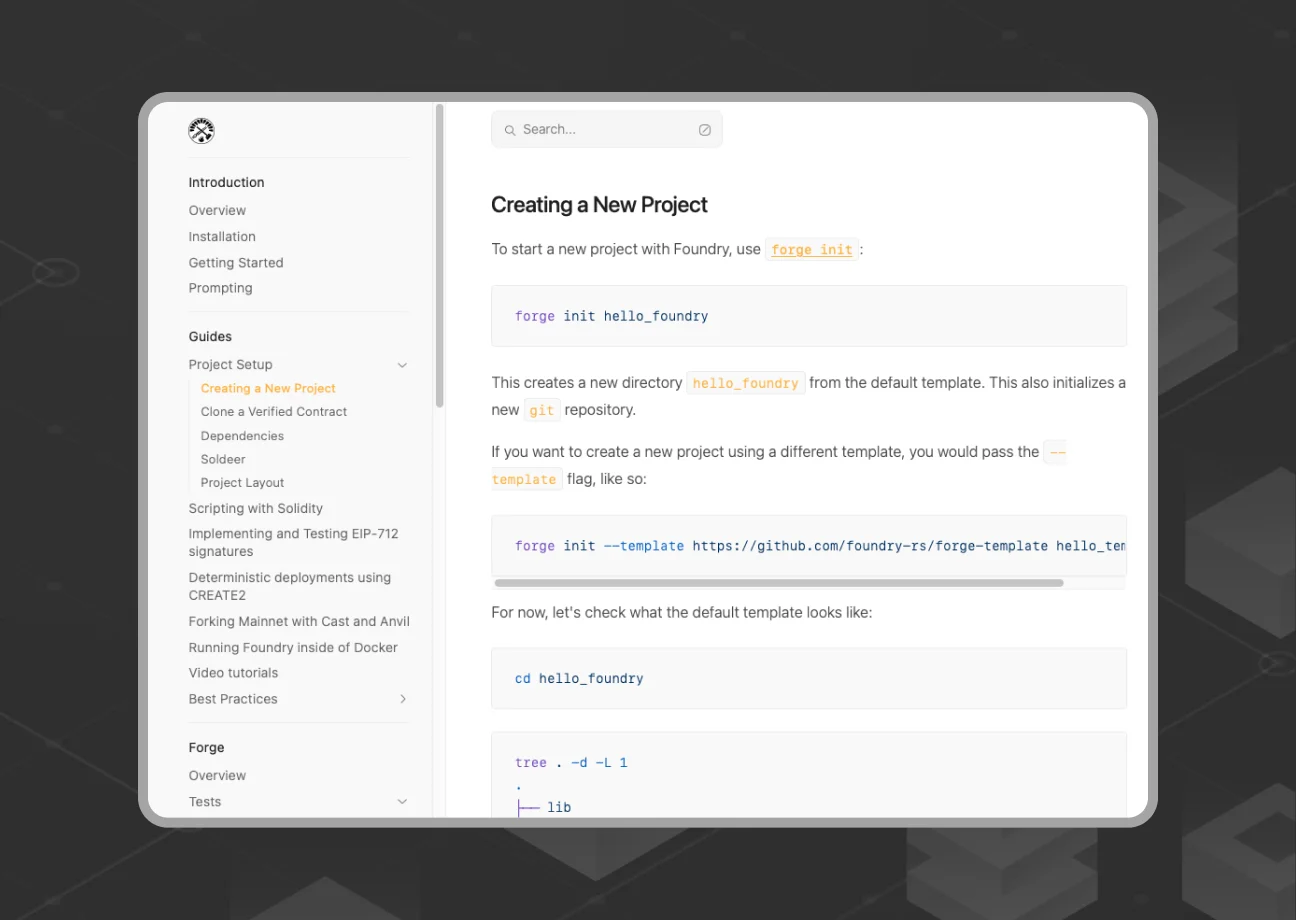
Foundry
Foundry is a development environment for Ethereum projects that uses Rust. It provides tools for testing, working with smart contracts, managing transactions, and debugging.
Decentralized Storage
Decentralized storage keeps files and large datasets off the main blockchain, which helps support the web3 environment. By spreading storage across nodes, it improves security, and redundancy, and helps resist censorship. Some examples include:
- IPFS is a web3 app that provides secure and permanent data storage;
- Arweave provides a decentralized storage system that permanently stores data on the blockchain;
- Orbit DB is a peer-to-peer database specifically for web3 applications;
- Filecoin is a decentralized network that focuses on permanent data storage.
Front-end Development Tools
Frontend developers create the parts of dApps that users interact with. They design easy-to-use layouts and ensure everything works without any issues. In Web3 space, they also use blockchain tools to add features like wallet integration and transaction management. Common tools for front-end development are:
- JavaScript frameworks and libraries: These tools, like React Native, React.js, and Next.js, help build user interfaces and improve user experiences.
- CSS frameworks and libraries: These ones help design attractive user interfaces. Among choices are TailwindCSS, Bootstrap, and FontAwesome.
- Web3.js: These libraries let you connect to an Ethereum node using IPC, HTTP, or WebSocket.
- Ether.js: You can use this library to build decentralized applications and wallets.
- Viem: This TypeScript tool helps web3 app developers work with the Ethereum blockchain, managing smart contracts and wallets.
Web3 Python and JavaScript Libraries
These libraries, available in languages like JavaScript and Python, can help with tasks like sending transactions and accessing blockchain data. Here are three popular libraries in these languages:
Ethers.js
Ethers.js is a popular open-source JavaScript library that offers a simple and practical way to manage Ethereum tasks.
Web3.js
Web3.js is the official JavaScript API for Ethereum. It provides libraries to connect with Ethereum nodes locally or remotely using HTTP or WebSockets. It makes it easier to send transactions, check balances, and deploy smart contracts.
Web3.py
Web3.py is like the Python version of web3.js. It offers tools for Ethereum development, simplifying the process of writing, deploying, and interacting with smart contracts on Python.
Wallet Integration Toolkit
Wallets are essential for dApps because they manage users' private keys, and allow them to sign transactions and interact with the blockchain. Some of such tools are:
- MetaMask: MetaMask lets you store and manage your account keys, make transactions, and send or receive Ethereum-based cryptocurrencies and tokens;
- Trust Wallet: Trust Wallet is a secure cryptocurrency wallet that lets you access many Web3 decentralized apps. It's a multichain wallet, which means you have control over your own funds.
How to Build a Web3 Application
Building a web3 mobile app requires more than just coding. It's all about having an innovative team that understands blockchain technology. Many companies close that gap by engaging Web3 application development services, where blockchain architects and front-end engineers already work as one unit. Here are eight steps to help you plan and develop your web3 application:
1. Describe Web3 App Ideas
Your idea should not only inspire you but also benefit your target users. At this stage, you need to make some important decisions:
- Choose a blockchain protocol that matches your app's requirements for speed, security, and cost;
- Decide which existing decentralized apps your solution will connect to;
- Choose the right technology stack for the crypto features and design.
2. Engage More Users
Start marketing your product to understand the reaction of your audience once you have some basics, such as:
- A detailed white paper that explains your product’s value, technology, and impact;
- A website to track interest;
- Social media to build a community and interact with potential users.
3. Make a Web3 App Prototype
Web3 apps need a simple and easy user interface to be truly valuable for users. To achieve this,
- Design around ten key screens to show user experience and interface;
- Test these designs with your target audience;
- Adjust your designs based on feedback.
4. Write Code
Create an app and the front end using Web3 frameworks and your selected technology stack.
5. Test Your Product
Test your application on testnets to ensure its functionality and security. You can also use automated tools for front-end testing.
6. Perform Security Audits
Check your product for weaknesses and fix them if you find any.
7. Launch
Launch the app on the blockchain and configure the cloud environment.
8. Monitor and Update
Monitor and update your application regularly to improve performance and security. You also need to monitor usage metrics to fix any bugs on time.
Developing a web3.0 mobile app can be a great adventure, but it does require careful planning, masterful implementation, and constant interactions with users.
What Is the Cost to Create a Web3 Application?
The cost of creating a web app can differ based on many factors, such as the:
- Complexity of the app;
- Technologies used;
- Geography of the development team;
- Specific needs of your project.
For example, basic apps with fewer functions, like a simple token or wallet app, usually cost less. Apps with advanced features, such as NFT marketplaces or gaming apps, are more expensive because they require more expertise. The costs can also vary based on the blockchain platform and programming language, like Ethereum with Solidity or Solana with Rust.
Here are approximate cost estimates:
- Small to medium web3 app: $10,000 to $50,000;
- Medium to large web3 app: $50,000 to $150,000;
- Large or complex Web3 App: $150,000+.
These are just general estimates, and actual costs can vary a bit. The price of a web3 app includes not only development but also maintenance, updates, and adjustments as blockchain technologies change quickly. An experienced Web3 development companies can help you create a web3 website and give you accurate estimates based on your specific needs.
Future Trends in Web3 Development
In 2025, we expect significant changes in the Web3 space, such as improved artificial intelligence and new token-based systems. These and other advancements will make the internet easier to use and accessible to more people. Let's explore the top three Web3 trends for 2025 and beyond.
NFTs: From Simple Collectibles to Effective Tools
NFTs will act as smart wallets. Experts believe they will be used for identity verification, community memberships, and as collateral for loans in decentralized finance (DeFi). By 2025, the number of NFT users is predicted to become 11.64 million. NFTs will also help provide governance rights in DAOs, manage referral programs, and educational credentials.
Growth of ETFs and the Adoption of Digital Assets
The recent approval of Bitcoin ETFs by the SEC (Security and Exchange Commission) is a huge step for the crypto world. A Bitcoin ETF lets investors profit from Bitcoin's price changes without actually owning it. Reuters reported that U.S. Bitcoin ETFs had $4.6 billion in trading volume on their first day.
AI-Powered Web3 Applications
A current trend in Web3 is the growing impact of AI, with AI dApps now making up to 28% of the industry's activity. AI offers a more user-friendly online experience by adapting to individual preferences. It can solve problems automatically, learn from previous experiences, and perform complex tasks by imitating human behavior.
Conclusion
Web3 is indeed the future of the internet. It gives us greater control over personal data and online interactions. Decentralized, transparent, and secure features of web3 technology transform and improve businesses around the globe.
Although there are challenges like scalability and unclear regulations, the benefits of Web3 are still much greater. We're just beginning this journey, so more possibilities are to come.
Partner with SapientPro for Web3.0 Solution Development
SapientPro has a lot of successful web3.0 projects that have helped businesses succeed. Our team creates decentralized software with strong security, high performance, and easy-to-use interfaces, all customized for your business needs.
Reach out to SapientPro’s experts to get an estimate for your project and create a your web3 solution.
Start Your DAO Project Today
SapientPro's engineers will help you create a market-winning solution.