
All AI in Agriculture: Applications, Benefits, Use Cases for Farms & Business
July 29, 202515 min read


Climate change is squeezing farms with unpredictable weather, and as the global population is projected to reach 10 billion by 2060, agriculture faces massive pressure to innovate. The application of AI in agriculture is a strategic answer for sustainable farming.
According to Microsoft, farmers can raise agricultural productivity by as much as 30% with AI-powered precision methods that significantly reduce wastage and improve profitability. Recent research led by the World Economic Forum reports that embracing digital and AI technologies will minimize the use of water by as much as 40% and improve crop yield by up to 10%.
Imagine farms where drones patrol large tracts of land, identifying diseases in crops before any visible signs, or sensors in the ground do an accurate analysis of water and nutrient requirements.
AI-based agriculture is no longer in the future but is the current tool of the trade for farms to survive economically and sustainably.
Let’s take a closer look at the ways AI is changing agriculture with modern technologies. This article is created based on SapientPro’s 8+ years of experience in software engineering within the industry. Read on now!
Key Takeaways
- AI use in agriculture helps boost crop yields, reduce waste, and improve sustainability thanks to decisions backed by data;
- Applications include predictive analytics, soil monitoring, disease detection, automated irrigation, livestock health tracking, and harvest sorting;
- AI enables precise, targeted actions that lower input costs and minimize environmental impact;
- Automation and robotics reduce reliance on manual labor and increase operational efficiency;
- Farmers benefit from real-time insights and long-term planning using AI-powered tools;
- AI adoption supports more sustainable farming practices, helping meet climate and resource challenges;
- Key challenges include cost, connectivity, and workforce readiness, but expert partners like SapientPro can help overcome them.
What is AI in Agriculture?
The use of AI in agriculture suggests the application of smart technologies like:
- Machine learning;
- Predictive analytics;
- Computer vision.
Together, these technologies are enhancing farming practices.
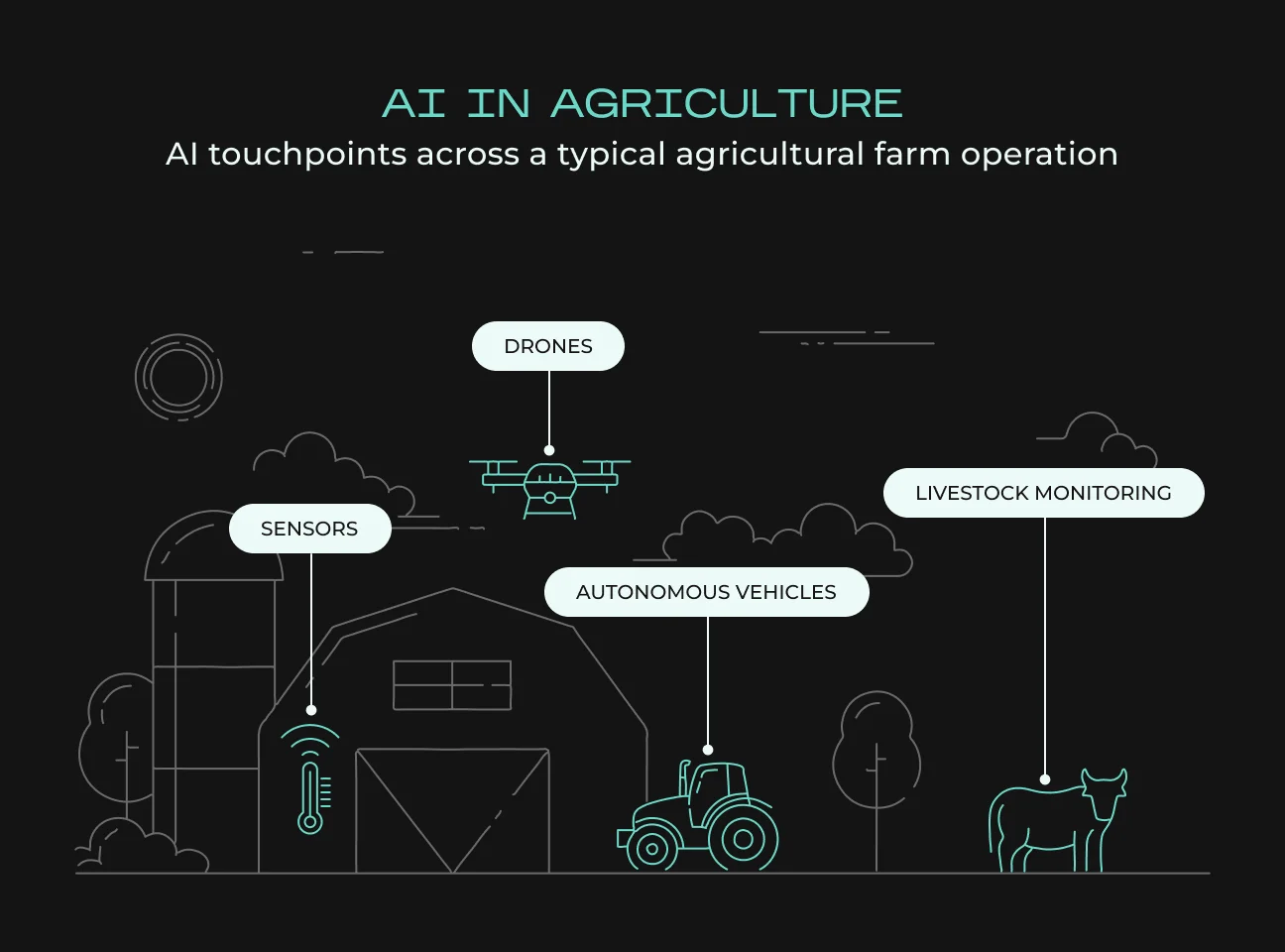
Applied AI solutions optimize processes such as:
- Disease detection;
- Soil and crop monitoring;
- Automated irrigation.
In short, AI increases farms' productivity and climate resilience. Some AI in agriculture examples are precision agricultural methods and AI-powered harvesting and sorting robots, able to tackle some of the main challenges, such as food security and climate change.
Applications of AI in Agriculture
The success of an agricultural company is based on making optimal decisions in the first place.
When to sow, how much irrigation to do, or where pests are hiding: each decision determines yield, sustainability, and profitability. AI is rapidly becoming indispensable, enhancing the quality and speed of these decisions with unmatched precision.
Let's see some of the most crucial AI applications in agriculture that make a real-world difference.
1. Predictive Analytics and Decision Support
One of the most impactful uses of AI in agriculture is predictive analytics. AI-powered analytics tools analyze historical and real-time data to forecast future outcomes. They predict crop yields, helping farmers plan harvest cycles accurately.
Yield mapping tools integrate data from sensors, weather forecasts, and soil analysis to produce detailed forecasts of expected harvest volumes across individual farm plots.
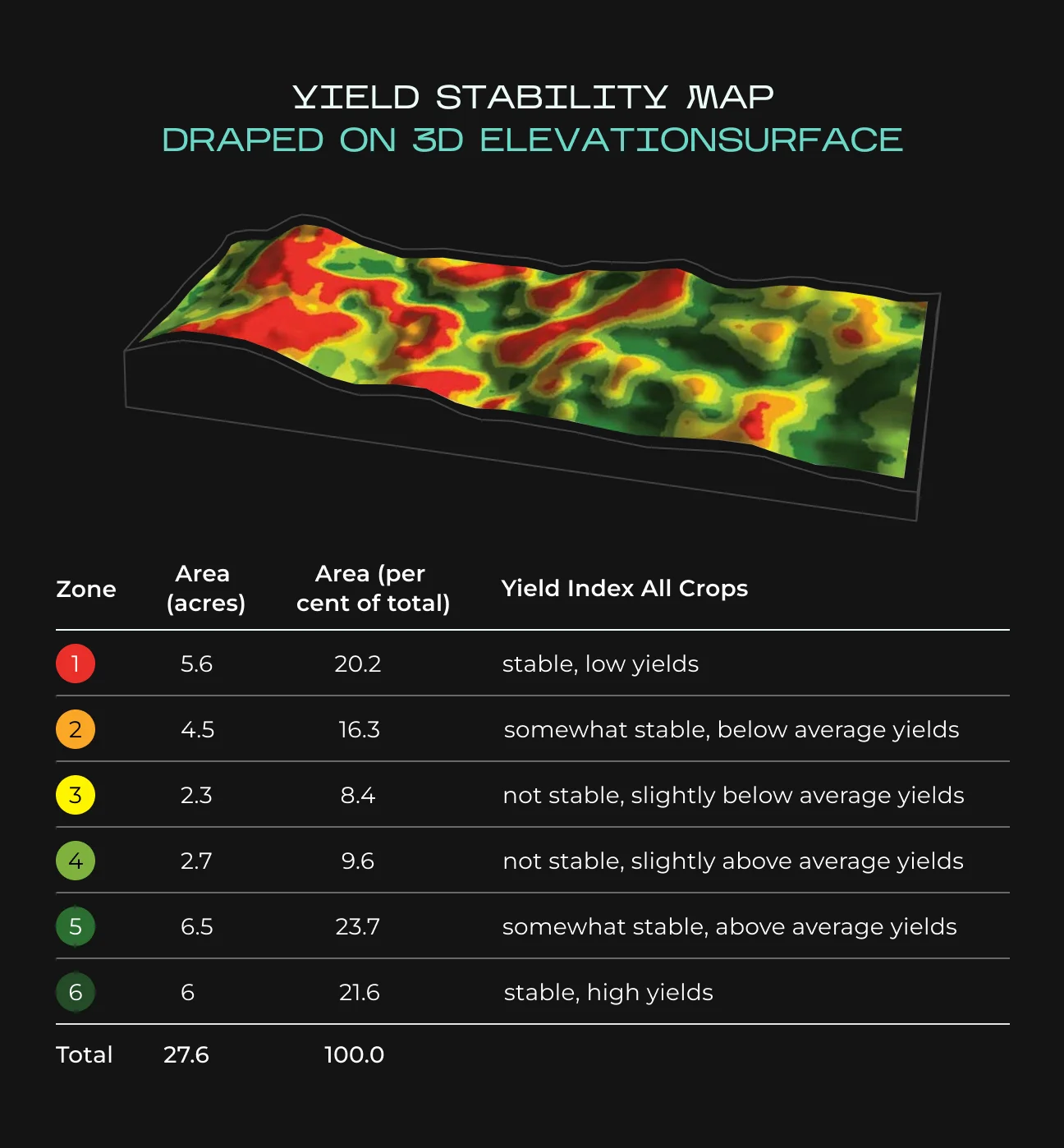
For instance, farmers leveraging AI-powered yield mapping achieve up to 10% higher crop yields compared to traditional methods, according to a World Economic Forum analysis. Such accurate yield forecasts assist in logistics, storage planning, and market timing, significantly increasing profitability.
2. Crop and Soil Monitoring
Healthy soil and strong crop growth form the backbone of productive agriculture. AI-based crop and soil monitoring systems employ drones, satellites, and IoT sensors to track field conditions continuously. These tools assess such parameters as:
- Crop health;
- Nutrient levels;
- Soil moisture;
- Temperature.
AI-powered platforms analyze this data to provide precise information, enabling targeted actions. If a nutrient deficiency arises or moisture levels drop below optimal ranges, farmers get immediate alerts.
According to a ResearchGate study, farms using these advanced monitoring systems see nutrient input reductions of up to 30% and water savings of around 25%, positively impacting their budgets and environmental footprint.
3. Prescriptive Agriculture
Moving beyond diagnostics, prescriptive agriculture uses AI to provide tailored recommendations for managing crops and combating pests.
Machine learning algorithms identify subtle signs of plant disease or pest infestations before humans notice them. Computer vision techniques scan thousands of plant images, accurately flagging abnormalities.
So how AI and ML are used in agriculture for disease detection? In reality, AI platforms can identify diseases, such as blight in the leaves or aphid infestations, days or weeks before visual confirmation. Early detection means farmers can apply treatments precisely and sparingly, saving money and protecting surrounding ecosystems from chemical overuse.
Forbes reported that farms adopting prescriptive AI significantly reduce pesticide usage, minimizing environmental impact.
4. Optimizing Automated Irrigation Systems
Automated irrigation systems driven by AI ensure crops receive optimal amounts of water precisely when needed. IoT sensors embedded in fields measure soil moisture in real time, adjusting irrigation schedules accordingly. AI analyzes weather forecasts, crop types, growth stages, and real-time conditions, refining irrigation decisions daily or even hourly.
AI detects leaks, malfunctions, or damaged equipment almost immediately, minimizing water wastage. The United Nations estimates that global agricultural water-use efficiency has increased by about 40% since 2015 and AI-driven irrigation systems are pushing the reduction even further. Optimized irrigation saves water and maximizes crop yield quality and productivity at the same time.
5. Monitoring Livestock Health
Ensuring livestock remains healthy is vital for agricultural profitability. AI-driven livestock monitoring systems use sensors and computer vision to continuously track such parameters as:
- Animal behavior;
- Body temperature;
- Feeding patterns
- Movements.
This constant monitoring helps identify health issues, such as infections or early signs of stress before visible symptoms appear.
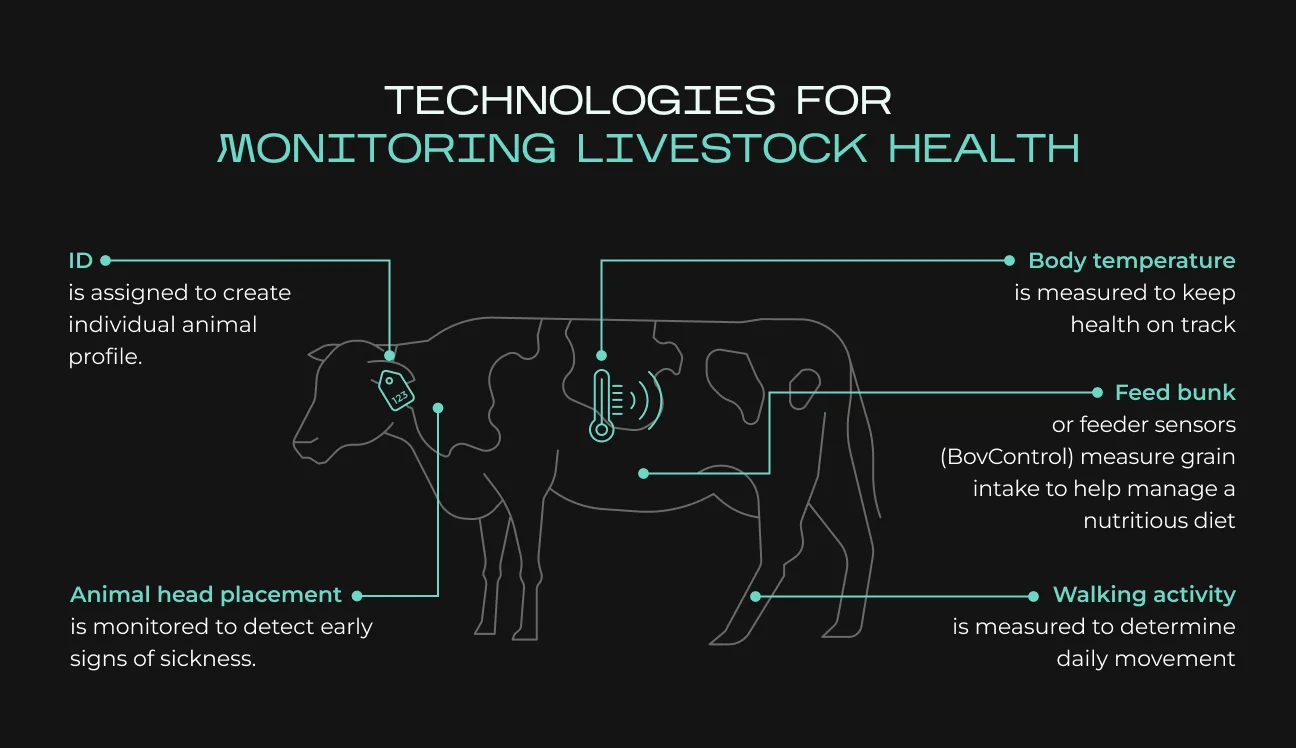
For example, wearable devices equipped with AI algorithms can detect abnormal activity or changes in cattle eating habits and alert farmers to potential illnesses. It's known that farms using AI-based livestock health monitoring have cut veterinary costs, significantly boosting their overall productivity.
With timely information from the system, farmers can swiftly intervene, ensuring animal welfare and reducing costly livestock losses.
6. Smart Pesticide Application
Excessive pesticide use impacts environmental health and farm profitability. AI solutions address this problem by providing smarter pesticide management. Drones and robotic sprayers powered by machine learning algorithms scan fields to precisely identify affected areas. They pinpoint pest-affected or disease-infected crops, spraying pesticides selectively rather than broadly across entire fields.
This targeted approach substantially reduces chemical use. Syngenta reports that farms adopting AI-powered pesticide application have decreased chemical inputs by up to 40%. Such precision reduces expenses and environmental damage, supporting sustainable and profitable farming practices.
7. Automatic Weeding and Harvesting
Labor shortages and rising costs have increased the demand for AI-powered automation. Robots equipped with computer vision and AI-driven guidance systems handle tasks like weeding and harvesting with exceptional accuracy and speed. These robots distinguish between crops and weeds, eliminating unwanted plants without damaging valuable produce.
Automated harvesting machines, guided by AI algorithms, carefully pick ripe produce without bruising or mishandling, maintaining the highest quality standards. Robotic harvesters are recognized for their potential to increase speed and efficiency, especially in large-scale farming, as they can operate without breaks and use AI to optimize movements, covering more ground quicker than human workers.
8. Sorting Harvested Produce
Sorting harvested produce traditionally requires extensive manual labor and can result in inconsistency. AI-driven computer vision systems automate and refine this process. Cameras capture images of harvested fruits or vegetables, and AI algorithms analyze size, shape, color, and quality at high speed.
These systems instantly sort produce into categories, ensuring only the highest-quality goods reach consumers. Faster and more precise sorting means more efficient workflows, lower labor costs, and higher customer satisfaction with consistently high-quality products.
Integrating these sophisticated AI applications into your agricultural processes provides substantial advantages. Your organization can enhance productivity, reduce costs, ensure environmental sustainability, and secure long-term competitive success.
Benefits of AI in Agriculture
Adopting AI in agriculture provides your farm or agribusiness with many long-term advantages. These advanced tools optimize operations, enhance accuracy, and create strategic advantages over competitors. Let's see how your organization can benefit significantly from integrating AI-driven solutions.
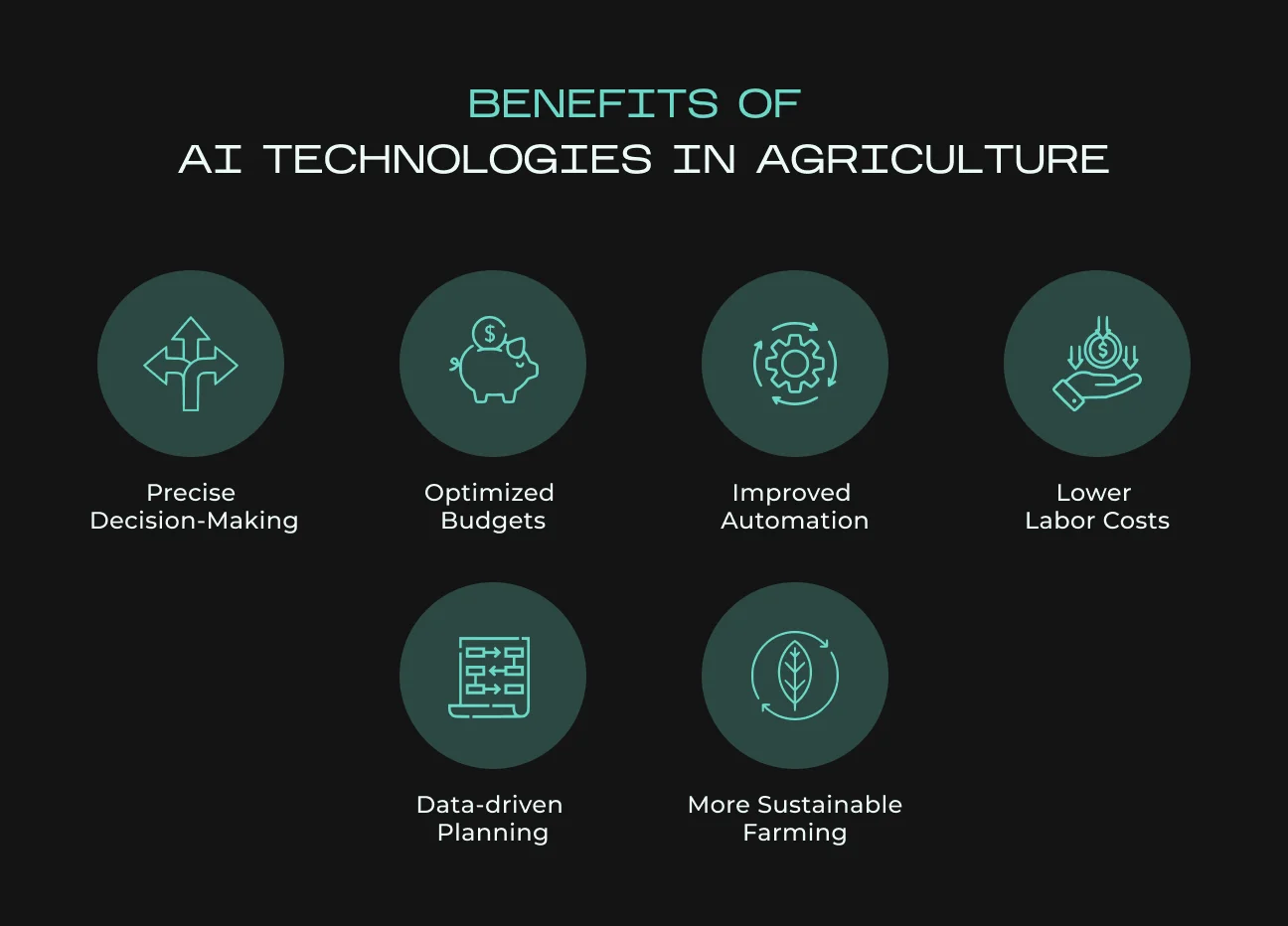
1. Precise Decision-Making
AI removes uncertainty from critical farming decisions. By analyzing large volumes of data, including historical patterns, soil composition, crop health, and weather forecasts, AI can generate accurate reports that enable precise actions. Farmers can determine the optimal timing for planting, fertilizing, irrigating, and harvesting, ensuring resources are efficiently allocated and outcomes maximized.
Instead of relying on intuition or traditional experience, your business gains valuable intelligence. Precise decision-making leads to higher crop yields, fewer resource-related errors, and improved resilience against unexpected disruptions.
2. Optimized Budgets
Farming operations face constant pressure to manage costs carefully. AI tools significantly enhance budgeting accuracy by predicting resource requirements and identifying wasteful practices. Intelligent analytics help allocate water, fertilizer, and pesticides more effectively, avoiding overspending on unnecessary inputs.
AI-driven monitoring systems can quickly identify inefficiencies such as irrigation leaks or nutrient deficiencies, helping reduce costly delays and prevent avoidable expenditures. Your business can deploy its budget more effectively, maximizing returns on each investment and enhancing overall financial health.
3. Improved Automation
Labor-intensive agricultural tasks are increasingly automated through AI-powered robotics and machinery. You can automate such processes as:
- Planting;
- Irrigation;
- Fertilizing;
- Weeding;
- Harvesting;
- Sorting produce.
Automation systems handle repetitive jobs with remarkable efficiency and consistency. AI algorithms ensure machinery operates with precision, significantly reducing human errors and increasing productivity.
Automated systems perform tasks day and night without fatigue, dramatically increasing operational output. Integrating automation into your farming practices frees your workforce for high-value-adding activities, providing substantial productivity gains and consistent product quality.
4. Lower Labor Costs
Agricultural labor expenses significantly impact your farm's profitability. AI-driven solutions directly tackle this by automating repetitive tasks. Robots and AI-guided machinery perform these activities faster and with greater consistency than manual labor, dramatically reducing dependence on human resources.
With fewer manual processes required, your operation saves on recruitment, training, wages, and labor management. These reduced labor costs enhance your business's financial stability, allowing reinvestment into growth areas or technology upgrades that further boost productivity and competitiveness.
5. Data-driven Planning
Successful agriculture increasingly depends on long-term planning based on data. AI tools analyze massive datasets gathered from weather forecasts, soil sensors, satellite imagery, and historical performance to generate a clear prognosis for your future farming needs. With accurate predictive models, your business can anticipate resource requirements, potential crop yields, and market fluctuations far in advance.
When you have accurate data, you can take preventive measures rather than react to critical situations all the time. You'll improve resource allocation, manage risks better, and consistently achieve productivity goals.
6. More Sustainable Farming
Sustainability is no longer optional; it's essential for modern agricultural businesses. AI solutions enhance your farm's sustainability by significantly reducing resource waste and environmental impacts.
AI-driven precision techniques optimize water usage, reduce chemical inputs, and limit environmental harm, ensuring your operations meet all environmental requirements and consumer expectations.
The adoption of sustainable AI-driven practices positions your business as a responsible market leader. You'll contribute positively to the environment and enhance brand reputation, attract eco-conscious consumers, and ensure the long-term viability and resilience of your agricultural enterprise.
AI in agriculture isn’t just some fancy upgrade. It’s a complete game changer. We’re talking about real-time insights, smarter decisions, and less waste. I believe AI is the key to building sustainable food systems that can stand up to climate shifts and supply chain shocks. It’s the future and we can help you build it.

Ihor Hamal
Future of AI in Agriculture
Artificial intelligence is already changing agriculture with modern technologies. According to Global Market Insights, the market size is projected to exceed $46 billion by 2034, driven by rising demand for high-efficiency farming practices.
Startups and enterprises of all sizes are investing in AI solutions for:
- Real-time decision-making;
- Reducing environmental impact;
- Improving food traceability.
AI food management is another key area that will soon grow. The technology helps:
- Predict harvest timing;
- Forecast storage needs;
- Monitor distribution in real time.
AI-driven predictive analytics help forecast food demand accurately, which reduces overbuying and food waste. For example, restaurants using AI solutions have reduced food waste by about 50%, demonstrating significant cost savings and environmental benefits.
We also expect more AI-driven interoperability across farm equipment, sensors, and management platforms. Connected IoT systems will help entire agricultural ecosystems run smarter and adapt in real time to weather, supply chain shocks, or labor shortages.
As AI becomes more affordable and accessible, farms of all sizes will be able to deploy smart systems tailored to their unique needs. For example, over 400,000 agricultural drones were already in use globally in 2024. This number will only grow, with governments and private companies providing more funding.
Businesses that act early and invest in tailored AI tools will be better prepared to thrive in a changing climate and market. Whether you're growing crops, raising livestock, or managing food distribution, adopting modern technologies will help you maintain your positions in the market.
Partner with SapientPro to Build Your AI Solution
Building the best AI system for your agriculture business requires understanding your farm’s unique needs and challenges. SapientPro doesn't offer off-the-shelf products or one-size-fits-all tools. Instead, we develop AI solutions custom-built to meet your needs precisely.
With over 8 years of real-world experience in AI development, our team creates all kinds of specialized agricultural solutions, including:
- Yield prediction systems;
- Crop disease detection tools
- Automated irrigation systems
- Livestock monitoring platforms.
If you're a startup aiming to change traditional agriculture or an established agribusiness looking to boost efficiency, our expertise will turn your AI concepts into practical reality.
When partnering with SapientPro, you gain a dedicated long-term technology partner.
We handle the entire development lifecycle:
- Idea validation;
- System architecture;
- Solution design;
- Model training and refinement;
- Thorough testing;
- Reliable scaling and deployment.
Ready to explore how AI can transform your agricultural business? Contact us today for a free consultation. We'll review your specific needs, recommend the optimal technology approach, and provide a transparent estimate with clear timelines and deliverables.
Get the Power of AI in Your Business
SapientPro's engineers will help you integrate artificial intelligence for all needs.
FAQ
1. How is AI used in agriculture?
AI in agriculture powers precise farming techniques, such as predicting crop yields, monitoring soil health, automating irrigation, detecting pests, and managing livestock health. AI solutions use drones, sensors, robotics, and computer vision to optimize farm operations, reduce costs, and improve sustainability.
2. What role does AI play in precision agriculture?
AI is central to precision agriculture, enabling farmers to make the right decisions. It analyzes detailed environmental and field data to optimize resource use, improve crop quality, minimize waste, and enhance overall farm productivity.
3. What are the main challenges of implementing ai in agriculture?
The key challenges include high initial investment costs, the need for skilled technical personnel, integrating AI with existing farm systems, managing data privacy and security, and ensuring reliable internet connectivity in rural areas. To mitigate these challenges, partner with a reliable tech company such as SapientPro.
4. Can AI help farms reduce their environmental impact?
Yes, AI significantly helps farms become more sustainable by precisely managing water, fertilizer, and pesticide use. This targeted approach lowers environmental impacts, reduces resource waste, and supports long-term ecological balance.
5. Does implementing AI require specialized training for farmers?
Initially, some basic training is necessary to manage AI-driven tools effectively. However, modern AI platforms are increasingly user-friendly. Many providers, like SapientPro, also offer ongoing support and training to ensure stable adoption.

