
All Artificial Intelligence in Sports: Applications, Use Cases, Trends in 2025
April 23, 202510 min read


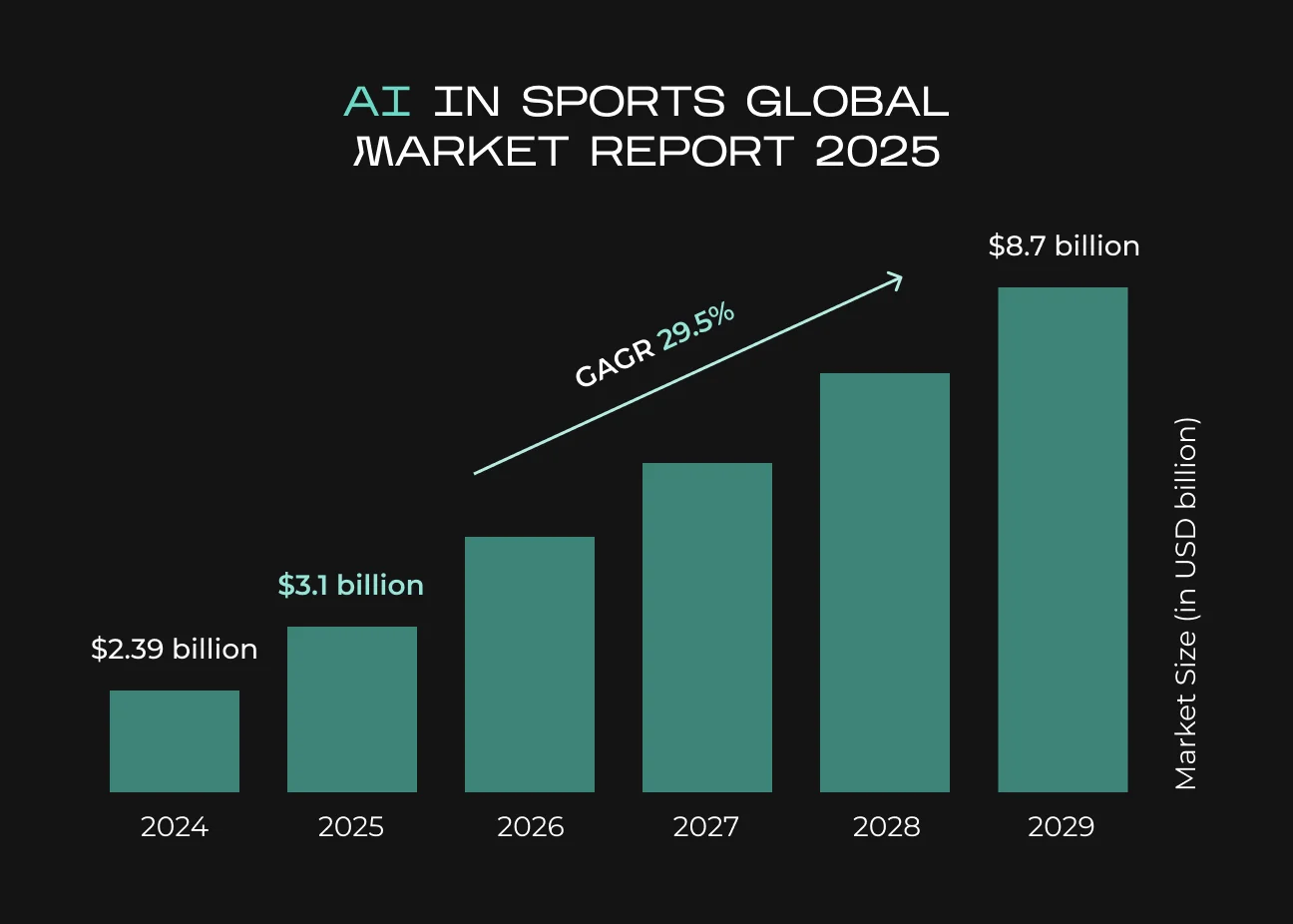
Artificial intelligence is rapidly changing the sports industry, similar to how 3D motion graphics or high-speed photography once did. The AI sports market is predicted to grow from $2.39 billion in 2024 to $3.1 billion in 2025, at 29.8% annually.
AI solutions are used in different sports areas to improve experiences for athletes, fans, coaches, and referees. It can quickly analyze large amounts of data, which boosts the competitiveness and efficiency of training sessions, as well as helps predict athletes' performances. This guide highlights the benefits of AI in sports, such as automation and digitalization, and includes real-life examples of its use in the industry.
What is AI in Sports?
Artificial Intelligence helps by imitating human tasks like reading, responding, and recognizing images or voices, which improves decision-making using data. In sports, AI is now a key part because it changes how teams do their work, get ready for games, and engage with fans. It's used to track player performance and suggest ways to prevent injuries, which helps keep players healthier. AI and machine learning also improve the sports industry by optimizing planning and organizing events.
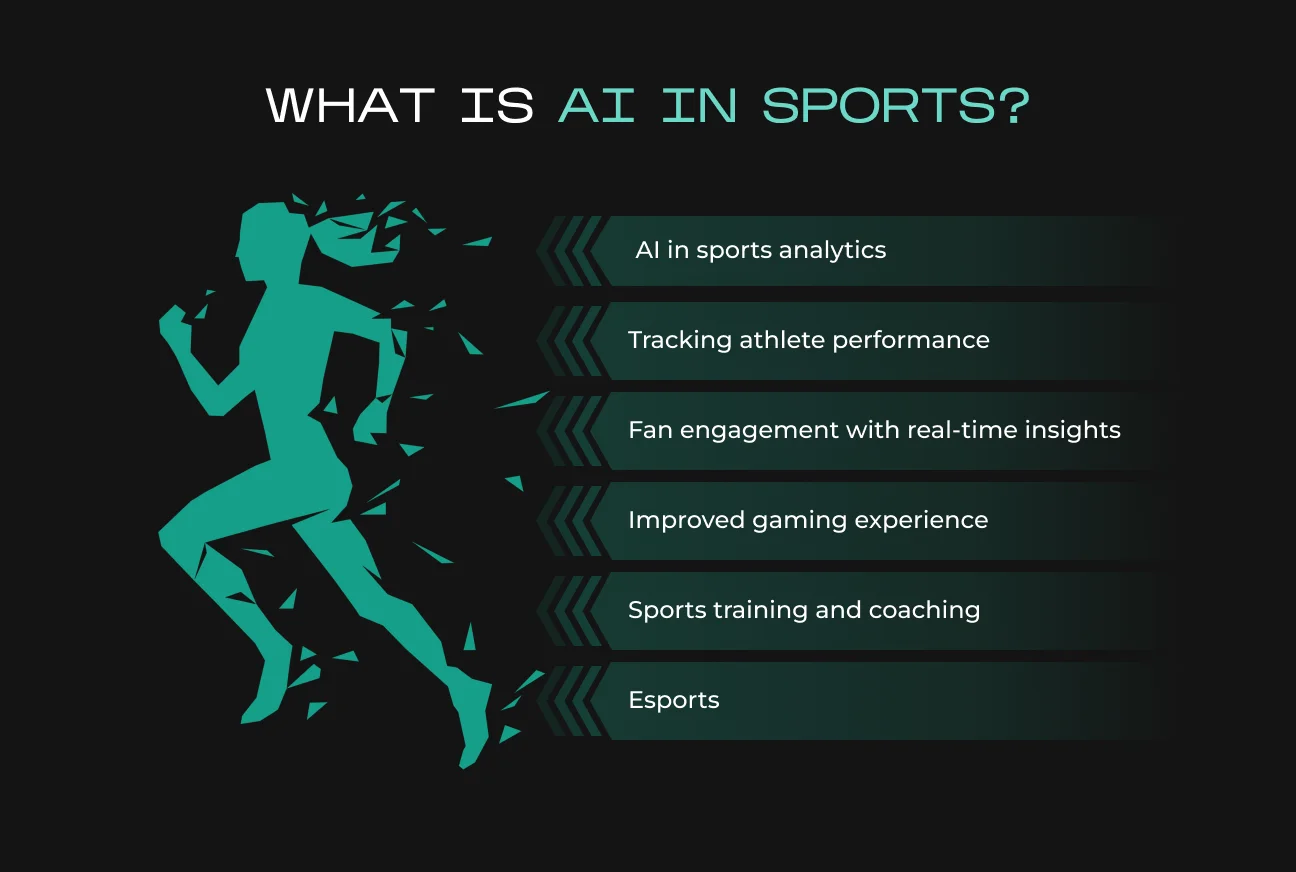
Because sports need quick actions, AI is great at processing real-time, complex data quickly, a task too challenging for human analysts. This is especially useful for making fast decisions that can impact game results.
Key Statistics of AI in the Sports Industry
Technological advancements are actually a major trend in AI for sports, which makes more sports AI companies adopt new tech to stay competitive. Let's check out some stats on how sports companies use AI:
- In October 2022, US company Epoxy AI launched Audience Cloud, an AI tool in sports technology. This tool gives gaming operators and sports media companies valuable insights into customer interactions as preferences shift and fan bases grow. Using custom AI, Audience Cloud continuously tracks sports fan behavior, improving analysis for sports gaming and media.
- World gymnastics organizations are using AI technology to improve judging and scoring. The Judging Support System (JSS), developed by Fujitsu with the International Gymnastics Federation (FIG), uses high-definition cameras to capture and analyze gymnasts' movements in 3D. This unbiased system provides human judges with precise scoring information. It tracks each gymnast's movements during their routine and compares them to a comprehensive database of gymnastics elements.
- Artificial intelligence also improves how we watch sports events. At the 2024 Paris Olympics, AI helped the Olympic Broadcasting Services make their processes more efficient, improve what viewers see, tell better stories, and explain sports events more clearly. Fans also enjoyed automatic AI-generated highlights of the games.
- AI tools are essential in team sports because they help evaluate the risk of injuries. Technologies like artificial neural networks, support vector machines, and decision tree classifiers are used in sports like basketball, soccer, handball, American football, and Australian football. Soccer, basketball, volleyball, and handball are where AI is used the most.
- Sports organizations worldwide are noticing the benefits of AI, with 35% saying it has already helped them commercialize their content. There's a lot of optimism about AI's future, especially in automating everyday tasks. The top expected benefits include automating content (67%), improving reporting analysis (60%), and personalizing experiences (39%).
How Does AI Impact the Sports Industry in 2025?
AI is everywhere these days, shaping industries like finance, healthcare, education, and many others. It's having a big impact on sports, too, helping athletes and coaches improve their skills and performance. Baseball, football, basketball, and other teams already use AI to gain a competitive advantage. It helps them with game strategies, player development, and quick analysis of game footage. Let's take a closer look at how AI is changing the sports scene.
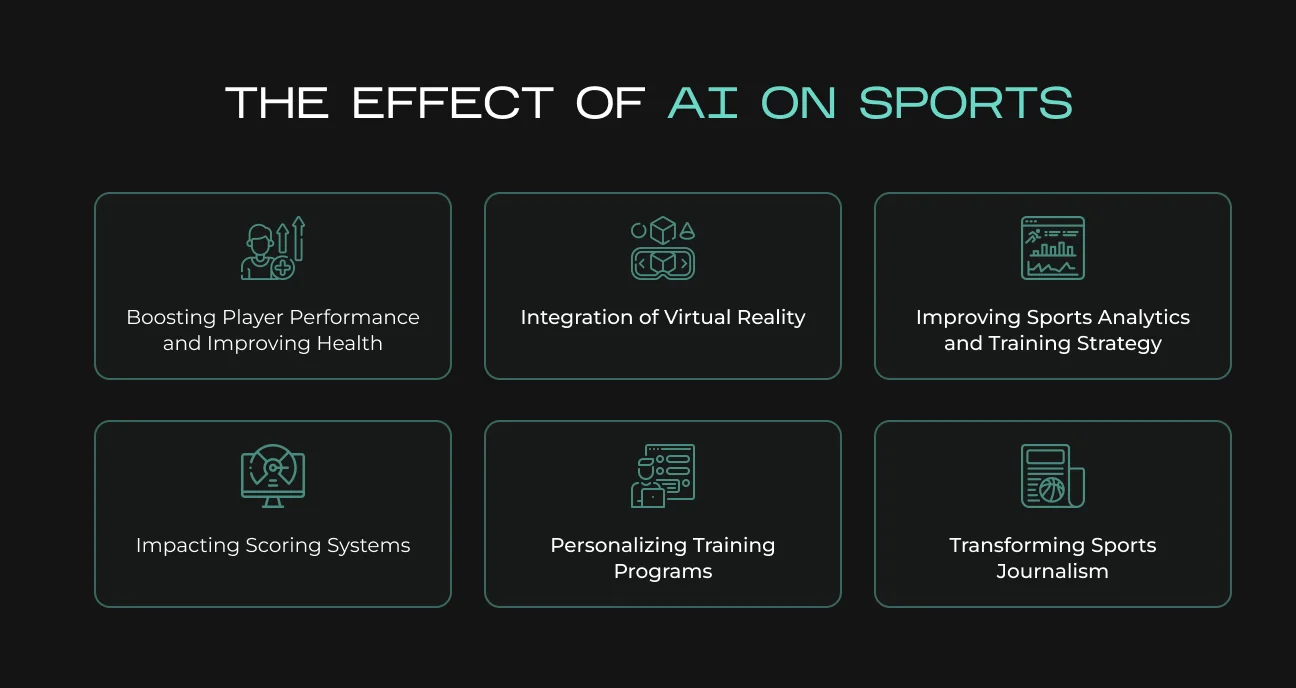
1. Boosting Player Performance and Improving Health
AI is particularly helpful in improving the health and safety of sports players. By analyzing large amounts of data, AI provides insights that were previously hard to find. Business intelligence in sports helps to:
- Predict and prevent injuries: it analyzes player workload, history, and biomechanics to identify risks before they actually happen.
- Optimize training sessions: it assesses fatigue and recovery times to adjust training, improve readiness, and cut injury risk.
AI helps shift the focus from reacting to injuries to preventing them, which benefits athlete health and performance.
2. Integration of Virtual Reality
Virtual reality impacts sports in many ways. It's changing how athletes train, how coaches analyze performances, how fans engage, and even how players recover from injuries. Just look at these examples:
- VR provides immersive training simulations, such as ones created by STRIVR, allowing athletes to practice skills and strategies without being there in person.
- In performance analysis, VR allows coaches and analysts to examine athletes' plays, movements, and techniques in detail.
- With VR, fans can enjoy new technology in sports like behind-the-scenes access and virtual tours, which makes following sports more interactive than ever.
As you can see, VR just opens up endless opportunities in the sports world for everyone involved.
3. Improving Sports Analytics and Training Strategy
The use of generative AI in sports can reveal insights and patterns that were difficult to discover before. It can change how teams find new talent, improve player performance, and develop winning strategies. For example, AI analytics help coaches and athletes better understand:
- Risk of injuries;
- Player strengths and weaknesses;
- Ideal training routines.
AI can analyze past and current data to predict future results, identify what to improve, and create personalized training programs to help athletes achieve their best.
4. Impacting Scoring Systems
AI has greatly impacted scoring in sports. It improves accuracy and fairness, while also delivering real-time insights. For example:
- Technologies such as computer vision and machine learning in sports help analyze video footage. For example, in tennis, Hawk-Eye tracks the ball's path to decide if it's in or out, ensuring precise scoring.
- AI allows for real-time analysis of player movements and game action. In basketball, for instance, AI can track where players are and what they do to automatically calculate stats like shot success rates.
- AI helps reduce human errors and biases in traditional scoring. By automating the scoring process, it supports judges and referees, which results in more objective outcomes.
AI significantly improves scoring systems in sports, making them more accurate, fair, and insightful.
5. Personalizing Training Programs
AI transforms sports coaching and is key to athletes' growth and success. For optimal results, coaches should adopt new training approaches. That’s why AI-powered coaching is a breakthrough. It offers customized workout plans that match each athlete's goals, skills, and progress. For example, AI tools can:
- Track player movements;
- Analyze game footage;
- Improve drills, etc.
AI allows coaches to design better training plans by identifying each athlete's unique strengths and weaknesses. This helps athletes reach their full potential.
6. Transforming Sports Journalism
Robotic storytelling has been around for over 40 years. Starting in the 1960s, automated text summaries were used for weather forecasts. By the 1990s, they appeared in sports, medical, and financial reports. Today, AI makes sports content more engaging and personalized for audiences. Sports broadcasters use AI to meet their audiences' needs in a variety of ways, such as:
- AI-powered cameras track players in real time, offering visuals that help understand the game's flow.
- Machine learning algorithms can predict what audiences might enjoy. These systems can identify live audience reactions, such as clapping and facial expressions, to broadcast the most exciting parts of a sports event.
- AI and machine learning have greatly improved commentary by providing real-time data. This helps commentators deliver more precise presentations. For example, IBM developed a platform that creates AI-generated commentary for Wimbledon highlights. This gives fans an option to listen to spoken narration and read closed captions, which makes their experience more immersive.
AI makes sports storytelling more compelling by tracking movements and providing real-time data during events. This technology helps create more engaging visual content for fans.
Real-World Examples of AI in Sports for 2025
Now, let's focus on how top organizations use AI to innovate. We'll show you three real-world examples of how AI is transforming sports, from improving player performance to boosting fan engagement.
These examples prove that AI isn't just the future of sports — it's already a vital part of it.
Jabbr: AI for Combat Sports
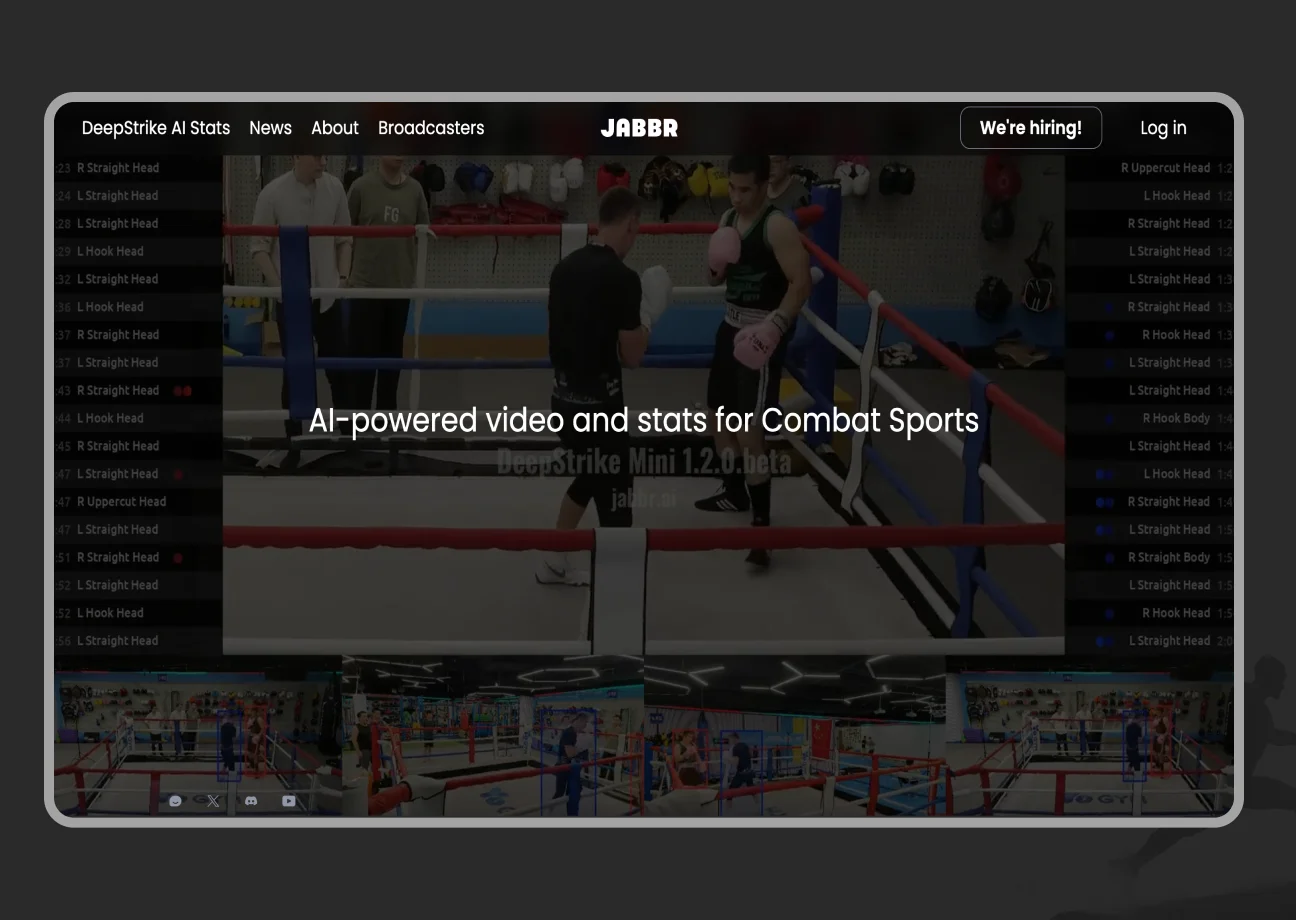
Jabbr is a tech startup that aims to transform combat sports like boxing with their groundbreaking Computer Vision AI, DeepStrike. Jabbr analyzes match and training videos to provide technique insights, identify patterns, and offer improvement tips. This helps coaches and athletes to refine their tactics, prevent injuries, and monitor health and performance over time.
Kickoff: AI for Football Matches
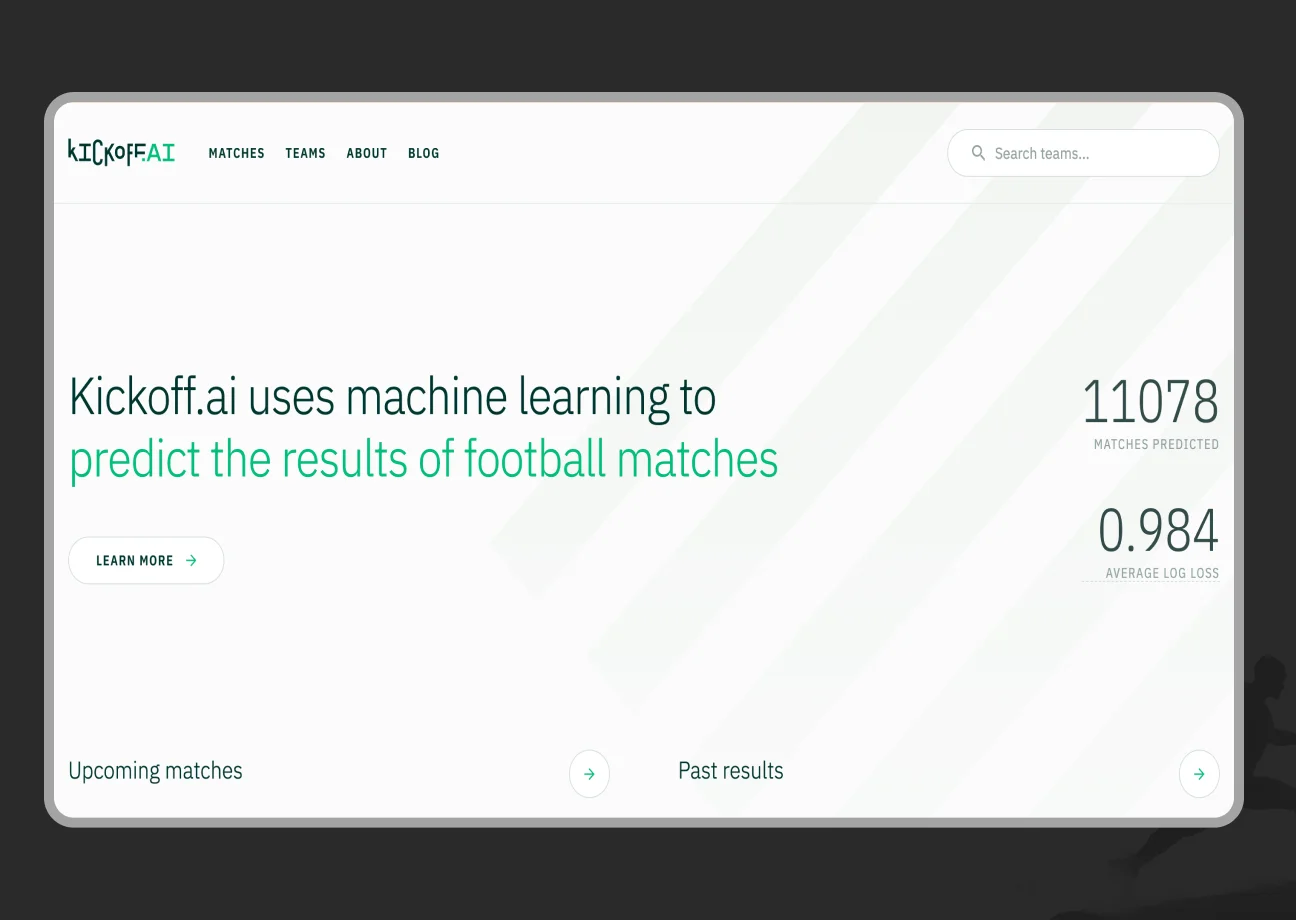
Kickoff.ai is an AI platform that predicts football match outcomes. They analyze past results of national teams to forecast future games, all based on a statistical model specifically designed for football. Kickoff uses advanced algorithms to help fans, analysts, and clubs better understand game dynamics, provide strategy tips, offer betting advice, and boost overall game understanding.
NFL AI: Digital Athlete
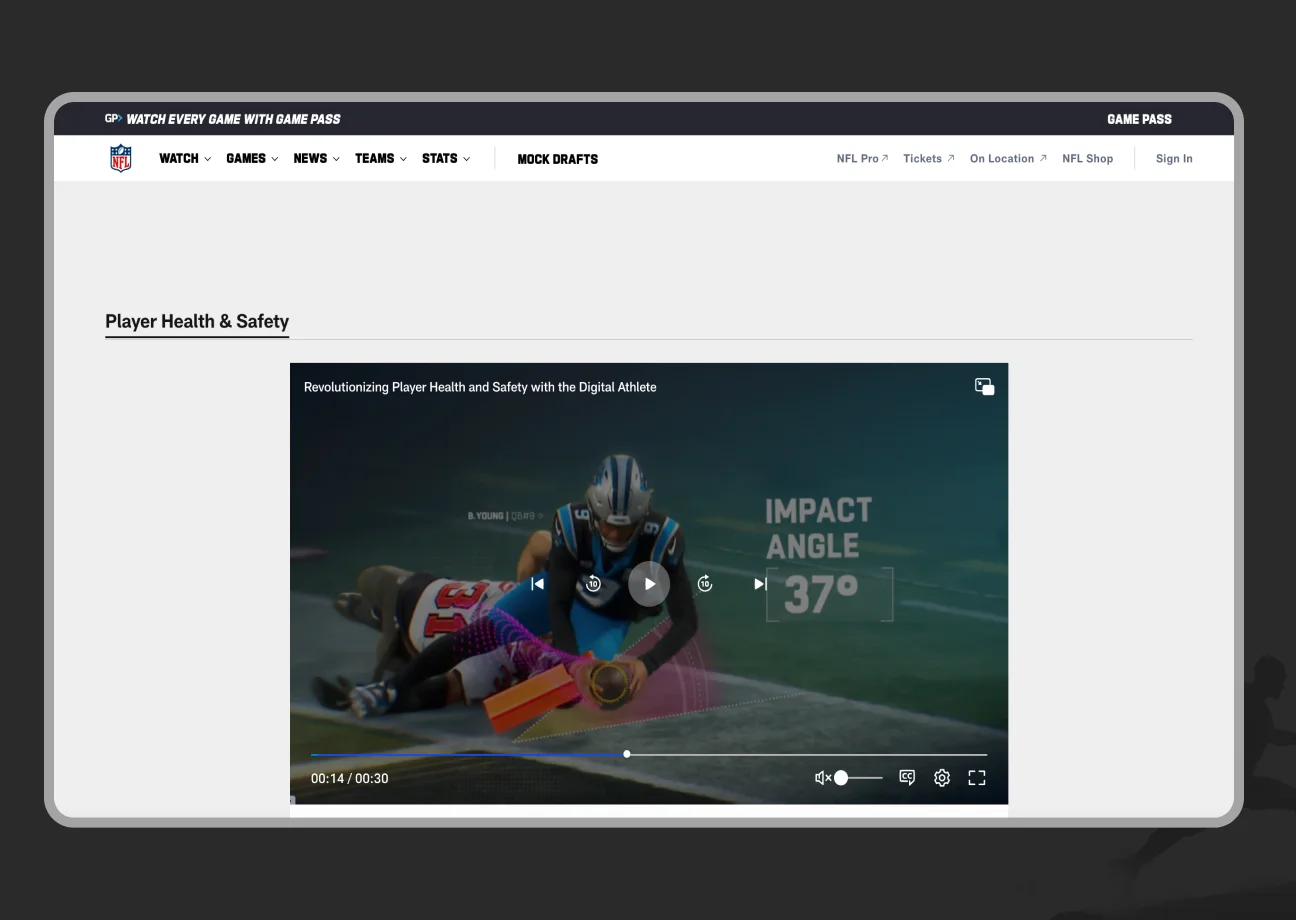
The NFL Digital Athlete is a tool that predicts injuries using data. It gathers information from the Next Generation Stats System, which monitors player location, speed, and acceleration during games. By applying AI and machine learning to create a virtual model of an NFL player, teams can more effectively predict and prevent injuries. This gives them important insights into player health and fatigue and helps create the best training plans to boost performance and keep players safe.
These examples just show us how effectively AI can be used to improve player performance, safety, and engage fans in the sports industry.
How Much Does AI Sports App Development Cost?
Thinking about creating a sports app? If so, you're likely curious about the cost. For example, a simple app might range from $10,000 to $35,000, but the price goes up if you want to add features. Several factors affect the overall cost, such as the platform you choose, the design, any third-party integrations, and the location and expertise of your development team.
Some key factors that affect the cost of developing a sports app include:
- Platform choice: building for iOS or Android can cost between $15,000 and $55,000 for just one platform, and it usually costs more for both.
- Types of sports apps: different types of sports apps, such as fitness apps, event and ticketing apps, news and analysis apps, and live score apps, will each have their own cost range.
- App complexity: simple sports apps with basic features might cost $10,000 to $55,000. More complex apps with features like real-time updates and third-party integrations can range from $55,000 to $200,000 or more.
- Third-party API integration: costs for integrating APIs vary based on what data you need. Typically, API integration costs between $4,000 and $10,000 or even more.
- Development phases and timeline: The development process generally includes research and planning, design, development, testing, and launching an app. Longer timelines usually cost more because they need a larger team.
| Development Phase | Estimated Cost Range ($) |
| Market research and requirement analysis | $5,000 — $15,000 |
| UI/UX design | $10,000 — $25,000 |
| Backend development | $20,000 — $50,000 |
| Frontend development | $15,000 — $40,000 |
| AI and ML tools development | $25,000 — $60,000 |
| Data management | $10,000 — $30,000 |
| Security and compliance | $5,000 — $20,000 |
| API Integration | $5,000 — $15,000 |
| Quality assurance | $5,000 — $20,000 |
| Deployment | $5,000 — $15,000 |
| Project management | $5,000 — $20,000 |
| Annual maintenance and support | $10,000 — $30,000 |
| Total estimated cost | $120,000 — $300,000+ |
We hope this rough estimate helps you understand the cost of developing a sports app. Many factors affect these costs, and we're ready to give you all the details you need. If you're ready to turn your idea into reality and want an exact project estimate, just contact our team.
Future of AI in Sports Industry
With the rise of sports fandom and advancements in AI technology, the mix of these two will only evolve and shape new trends. It's not surprising that the global market for AI in sports is projected to reach $19.2 billion by 2030. AI has the potential to significantly improve athletes' performance, boost fan engagement, and help judges assess games. Let’s explore how else AI might shape the future of sports:
- Revenue growth: AI opens up new opportunities for making money in the sports industry. One area where AI is having an impact is digital marketing. AI tools can process vast amounts of data to understand what fans like and how they behave, which helps sports organizations create targeted advertising campaigns. By offering personalized content and ads, they can engage fans better and increase advertising revenues.
- AI-driven models for sponsorships: AI is changing how sponsorship models work by using fan data and engagement metrics to identify the best opportunities. AI tools can find which brands match with specific fan groups and suggest partnerships. This approach not only increases the value of sponsorships but also improves brand visibility and fan involvement.
- Innovations in sports technologies: The use of AI and technologies like IoT, 5G, and edge computing will drive the growth of advanced sports tech. Smart stadiums equipped with IoT sensors and AI analytics will significantly improve the fan experience. Also, AI-powered cameras will offer live game coverage with new perspectives and better broadcast quality.
- Ensuring AI algorithms are fair and unbiased: AI systems often learn from past data, which can include existing biases. In sports, biased AI could unfairly affect athletes or fans, like in recruitment or access to personalized content. To address this, we need to ensure AI models are fair and transparent. Regular checks, using varied training data, and monitoring how they work can help minimize bias and ensure fairness.
There are many other future applications of artificial intelligence in sports. We've shown some important ones to give you an idea of its development in the industry. Just stay with us to keep up-to-date with current trends and future uses of AI algorithms.
Partner with SapientPro to Build Your AI Sports App
SapientPro is a professional software company that manages all parts of AI projects, beyond just the tech side. Our expert team develops custom AI solutions to boost your sports business, enhance decision-making, and automate tasks easily.
We can manage everything needed to develop a personalized sports app with AI, perfectly tailored to your requirements. Contact our experts for a consultation and project estimate.

