
All Cloud-based Call Center Software Development: Key Features and Benefits in 2025
May 4, 202515 min read


Despite the rapid emergence of new communication technologies, call centers are still important for businesses, especially those wanting to connect with customers at all levels. Since more than 70% of consumers still prefer to call, call center software is likely to stay in demand. Moreover, many agents now work from home using cloud software, which allows businesses to adapt their communication strategies to better serve customers.
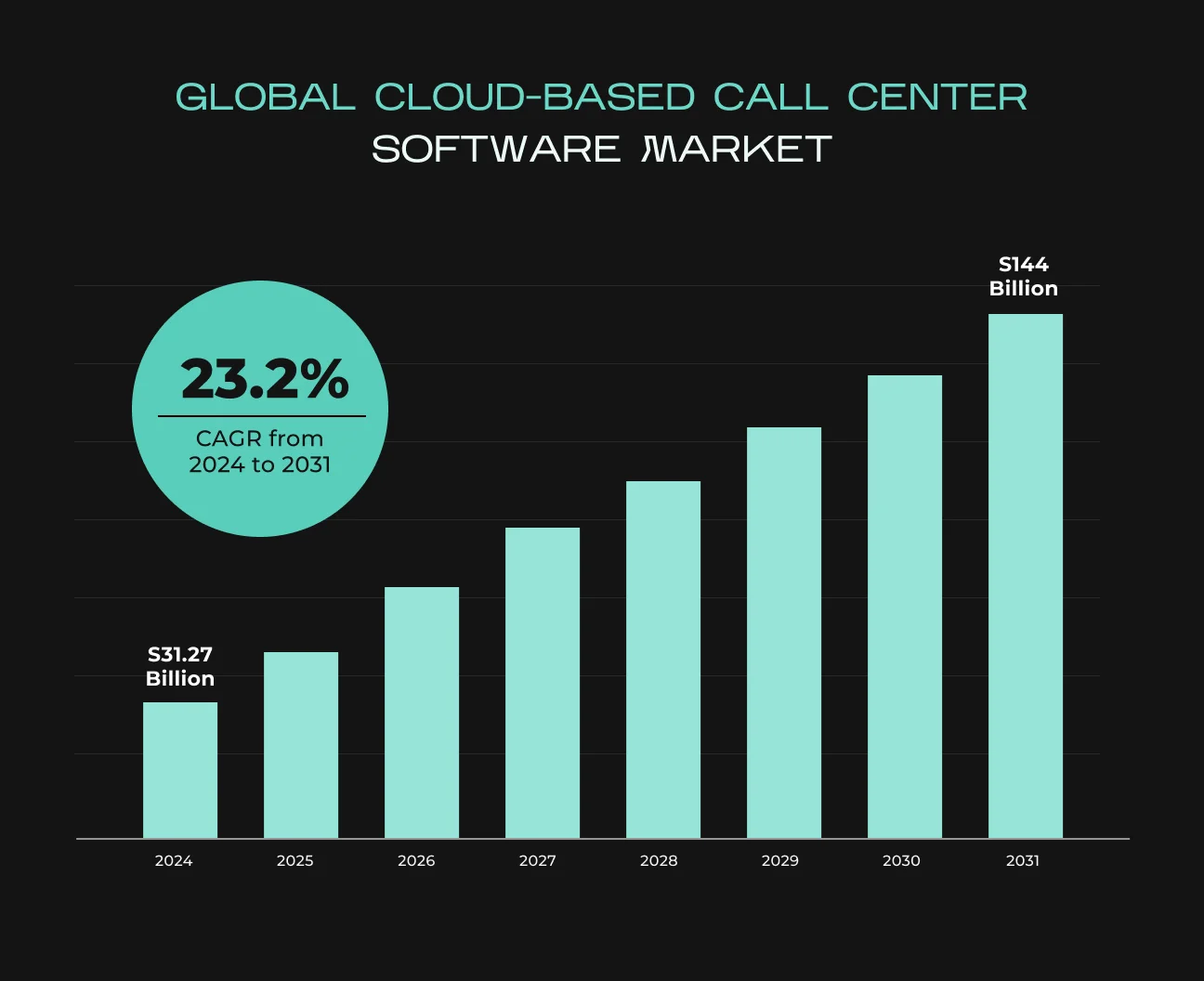
This guide provides a full view of cloud-based call center development, covering its key benefits, features, and challenges. You'll also learn how it can enhance the customer experience from SapientPro's expert engineers. Read on now!
Key Takeaways on Cloud-Based Call Centers in 2025
- Cloud call centers run online via VoIP, removing onsite hardware and enabling remote agents.
- Automated call distribution, IVR, and intelligent routing cut wait times and improve first‑call resolution.
- Native CRM and multichannel integrations centralize customer history for personalized service.
- Real‑time analytics with AI assistants surface insights, automate FAQs, and boost agent productivity.
- Subscription pricing, quick setup, and built‑in redundancy lower costs and ensure high uptime.
- Enhanced self‑service tools and faster responses increase customer satisfaction and loyalty.
What is a Cloud-Based Call Center Solution?
A cloud-based call center is an online solution that allows customer support agents to make and receive calls over the Internet. It allows companies to manage their call operations through the cloud instead of using traditional phone lines.
Cloud call centers are more flexible than traditional ones because they're hosted online, not tied to one location or server. With voice over internet protocol (VoIP), team members can take calls from anywhere. They can also use advanced CRM tools to access customer information. This makes it easier and faster to offer friendly customer service without searching through different programs.
You might be wondering about the differences between cloud-based and on-premises call centers.
On-premises call centers are set up at a company's location, using hardware to manage customer calls. These systems often need expensive upgrades every few years. Plus, the IT team is responsible for setting up and maintaining all the necessary equipment like servers, phones, and computers, as they rely on the company's network.
A cloud-based call center, on the other hand, is an online service that manages calls, texts, emails, and even social media messages from customers, regardless of where they are. Since it doesn't need physical equipment, it saves money. With a good internet connection and enough bandwidth, you can set up a cloud call center without spending much on hardware or infrastructure.
Contact Center vs. Call Center
In many discussions, you might hear the terms “contact center” and “call center” as if they are the same, but there's a difference. Call centers provide support over the phone, focusing on voice communication. On the contrary, contact centers offer support through multiple channels, including phone, chat, email, and social media.
Criterion | Call Center | Contact Center |
| Primary channel | Voice (phone) only | Omnichannel: voice, chat, email, social media |
| Main focus | Handling inbound/outbound calls efficiently | Coordinating customer interactions across all digital channels |
| Typical tooling | PBX / VoIP phone systems, ACD, IVR | Unified communications platform integrating voice, chat, email, social, CRM |
| Best for | Businesses where most support happens by phone | Brands that need seamless customer experiences |
| Evolution trend | Adding AI for call routing and analytics | Expanding AI and automation across every customer‑touch channel |
Companies may choose a contact center over a call center if it fits their needs better. Still, both are popular and constantly evolving to improve communication with customers.
How do Cloud Call Centers Work?
A cloud call center uses the Internet to run customer interactions via phone calls, chats, and other methods. There's no need for any telecom hardware. Instead, these cloud-based centers use VoIP technology for calls and messages. Cloud services provide companies with everything they need to manage customer communications effectively online.
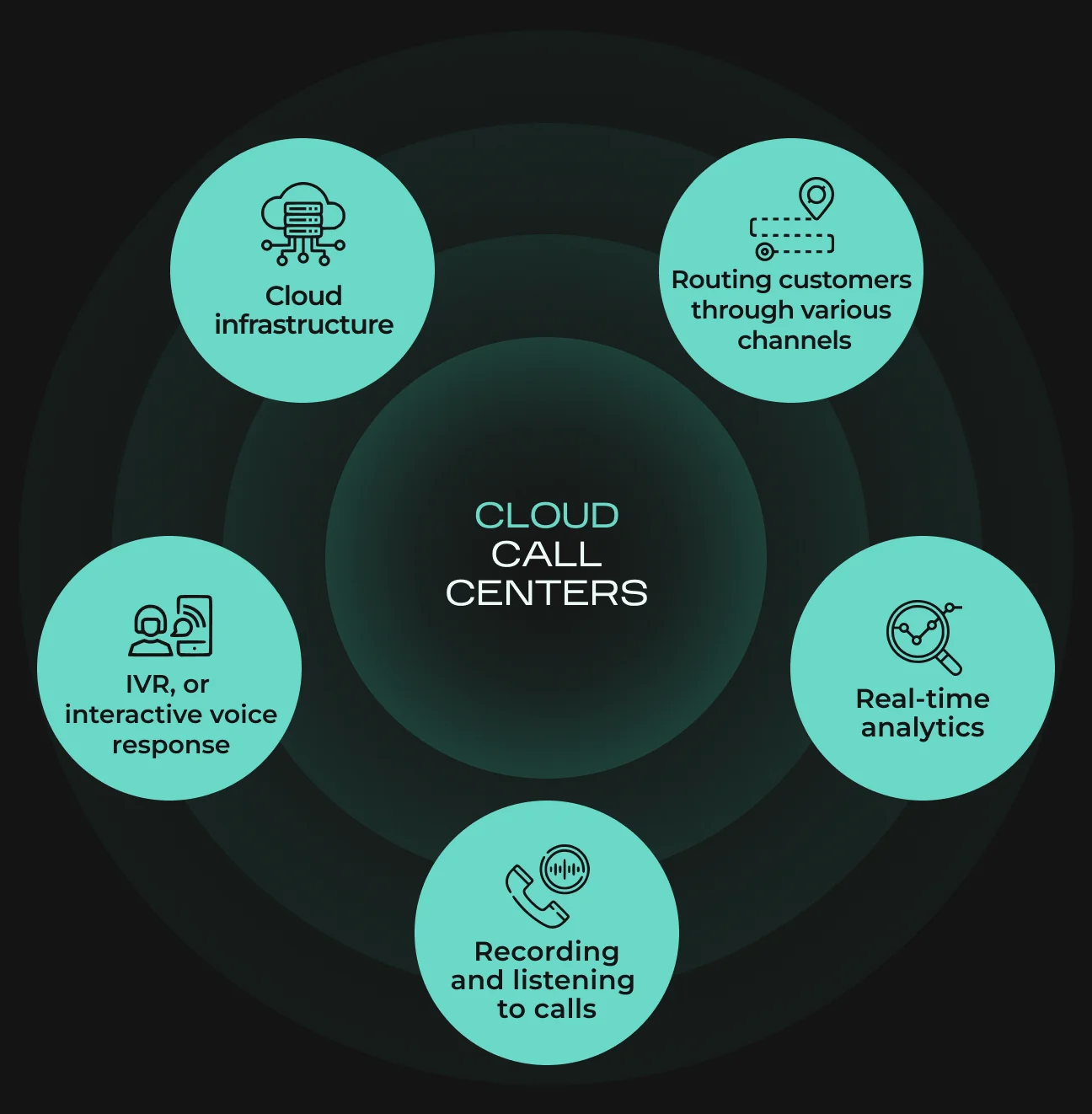
These are key features that characterize a cloud-based call center:
- Cloud infrastructure: the provider manages all the hardware, software, and maintenance, so your IT team doesn't have to;
- Connecting customers through various channels: a cloud-based call center automatically sends inquiries to the best agent based on factors like call type and agent skills;
- IVR, or interactive voice response: a system that automatically answers calls, gathers information, and connects callers to the right department or person;
- Recording and listening to calls: supervisors can listen to calls for training and quality checks;
- Analytics in real time: offers insights into call volume, agent performance, and customer emotions to improve and streamline contact center operations.
Additionally, a cloud call center can connect with your CRM software, keeping all communication data organized and unified in one place. This ensures a seamless experience for customers across their chosen communication channels.
Must-Have Features of a Cloud-Based Call Center
This section covers seven key features that every modern cloud-based call center should have. These functionalities can improve your business operations, keep your clients more satisfied with your service, and help you achieve your goals.
1. Automated Call Routing
83% of customers expect to interact with someone immediately upon contact. This is quite the challenge during peak times, often leading to dropped calls and longer wait times. Automatic call distribution (ACD) helps by routing calls to available agents, which cuts down wait times and enhances customer service. This system ensures calls reach the right agent, balancing workloads across agents and preventing burnout.
2. Interactive Voice Response
An interactive voice response (IVR) system serves as a virtual receptionist for your business that helps direct customers to the right department. IVR offers self-service options with clear instructions, letting customers know what steps to take next. This process reduces wait times and quickly collects essential information like account numbers and names, making calls faster and more efficient.
3. Call Recording and Monitoring
Cloud call center solutions let you record calls to check how agents perform. This helps identify any delays in customer interactions and shows which agents may need further training to master their skills.
It's also important to monitor your contact center's overall performance. Issues can occur at any time and may need quick responses. Agents might miss calls or not meet customer expectations. With call tracking and monitoring, you can catch these issues as they happen and find ways to improve communication.
4. Predictive Dialer
A predictive dialer is an automated system that dials multiple numbers at once. When someone answers, the call connects to a free agent. It uses a smart algorithm to predict when the agent will be ready for the next call.
Such a system reduces the need for manual dialing, increasing agents' talk time from 15–20 minutes to 40–50 minutes per hour. This boosts productivity and makes calls more efficient.
5. CRM Integration
Personalized interactions are crucial in today's business world. Around 76% of consumers get frustrated when companies don't offer them. Customers don't like repeating their information to support agents, so it's important to connect customer relationship management (CRM) systems with cloud-based call centers. By linking systems like Salesforce, agents can see all customer details, including contact info and interaction history.
This connection allows agents to provide more personalized service. With quick access to detailed customer data, they can resolve concerns faster and increase the likelihood of fixing issues on the first call.
6. Intelligent Call Routing
Intelligent call routing helps match incoming calls with the right agent using the caller's profile, past interactions, and real-time data. This smart system makes sure customers quickly reach someone who can best address their needs.
For example, if a customer contacts a call center with a technical issue, the system looks at the customer's info and compares it with the skills of available agents. It then selects the agent who is most qualified to handle technical questions.
7. Real-Time Analytics and Reporting
Real-time reports help you monitor call volumes, identify new or repeat callers, and track where calls come from. Without this information, it would be difficult to make the right staffing decisions, schedule agents, and assess your contact center's performance. Plus, you can quickly identify and manage issues related to time zones or specific groups of people.
AI Integration in Cloud Call Centers
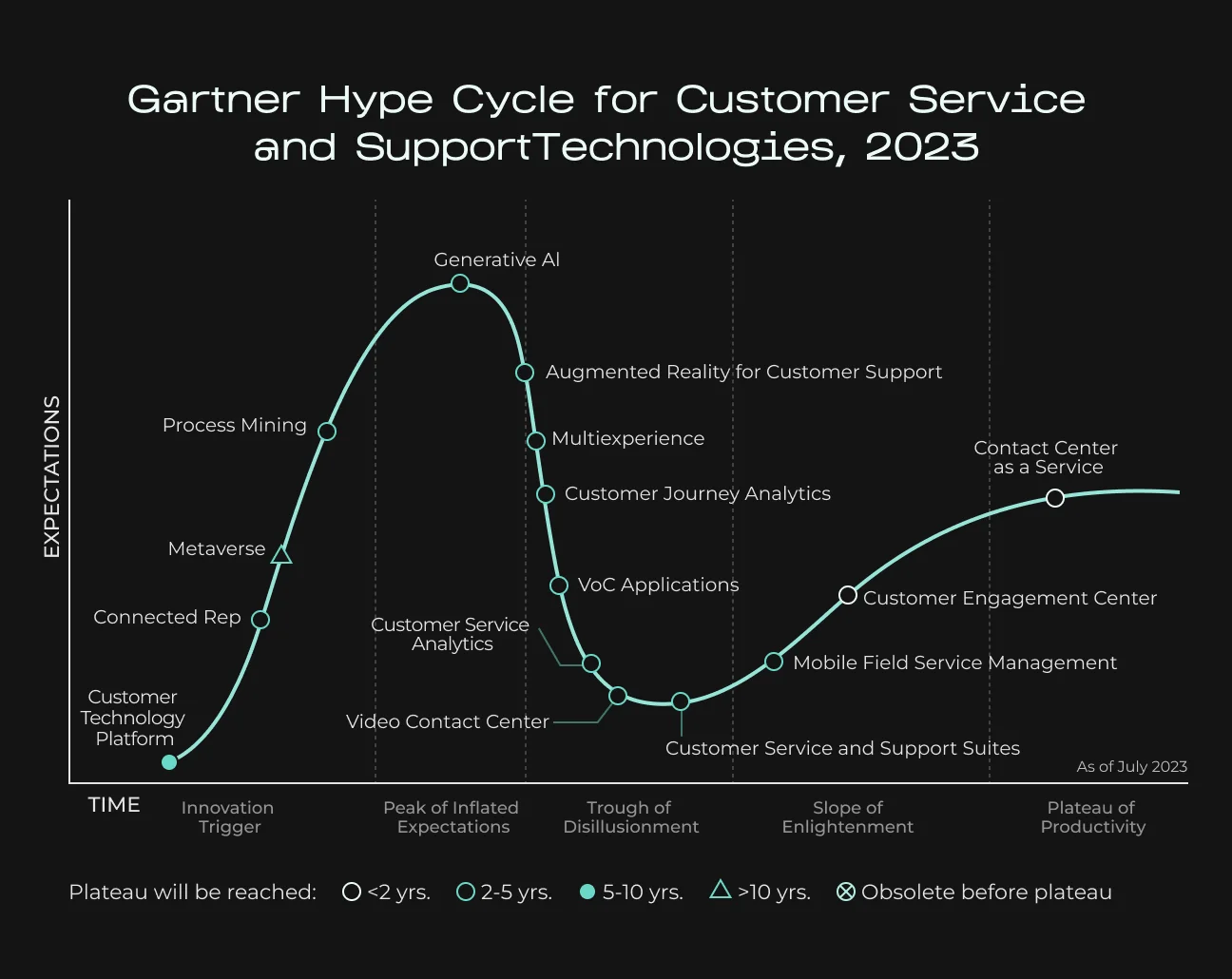
Artificial intelligence is becoming indispensable in call centers, and it's clear why. Technologies like generative AI, digital customer service, and conversational interfaces are set to transform customer service by 2028.
AI takes care of routine questions, allowing agents to focus on more complex tasks. In 2025, it's expected that 80% of customer service teams will use generative AI to boost productivity and enhance customer experiences.
By 2026, using AI in contact centers could save $80 billion in labor costs.
One of the main benefits of using AI in call center management is that it can quickly give insights into customer behavior, operations, and staff performance, unlike older systems that were slower and required manual human help.
When adding AI to a cloud call center, it's necessary to choose a skilled software partner with the latest tech stack and a talented team. SapientPro specializes in developing personalized AI agents for call centers that are both efficient and budget-friendly. These AI agents can fully automate call center operations, manage consultations, handle incoming and outgoing calls, provide first-level support, and assist with sales.
SapientPro also offers various services, including:
- Integration of generative AI into your existing SaaS products;
- STT/TTS integration with IP telephony;
- Deployment of dedicated infrastructure for LLM within your company's jurisdiction.
Using AI in your call center means you won't need to hire and train more staff. AI agents, capable of speaking any language with the appropriate accent, help cut costs and promote business growth. You'll get more sales, an improved conversation flow, and automated infrastructure scaling.
Benefits of Using Cloud-Based Call Center Software
Let's explore the main advantages of cloud-based call center software and why it’s a better option than traditional on-site call centers.
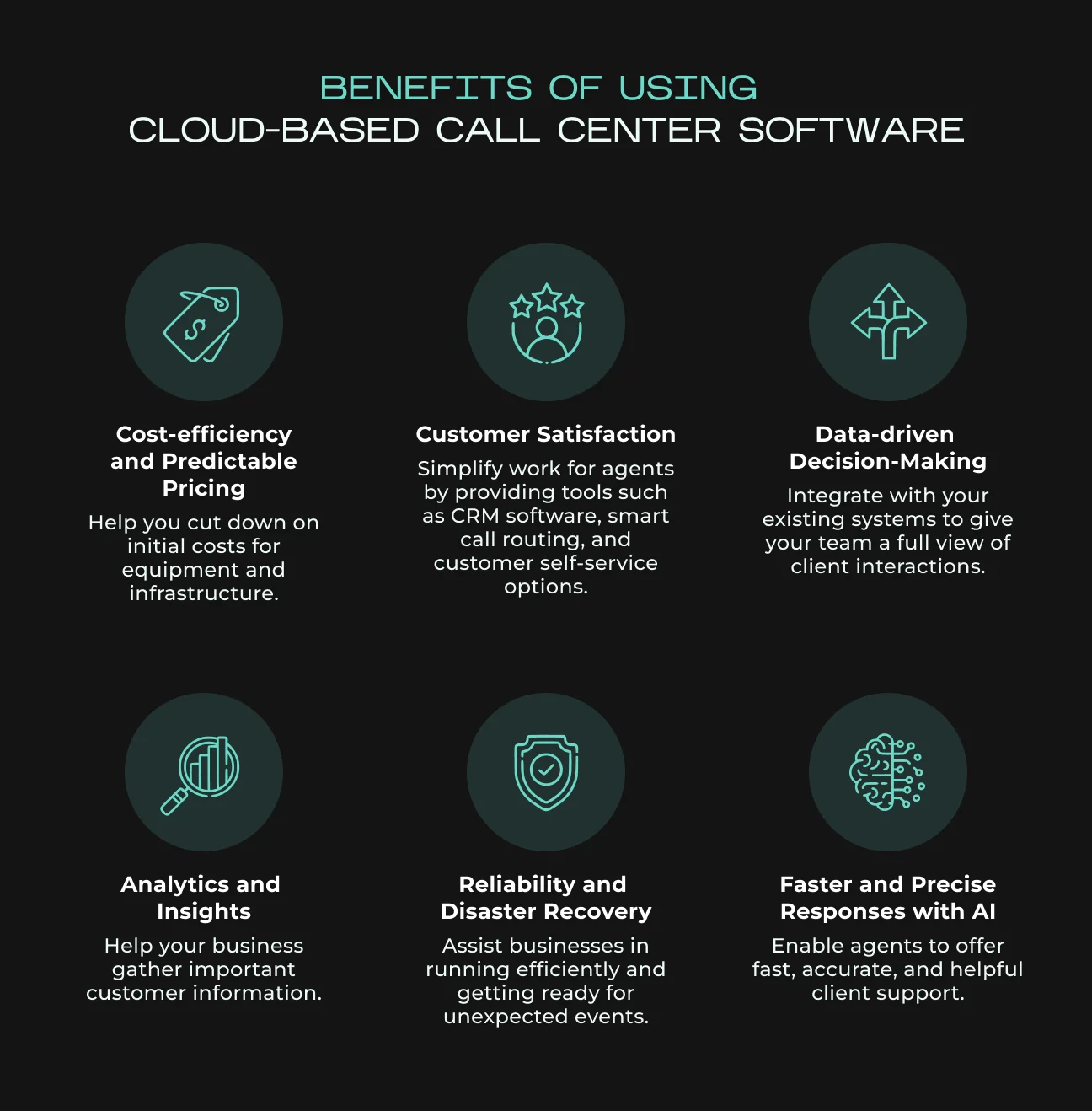
Cost-efficiency and Predictable Pricing
Opting for a cloud-based call center cuts down your initial costs on equipment and infrastructure. Unlike traditional call centers that require you to buy and maintain hardware and software, cloud solutions are more affordable. They also integrate with various systems, like CRM, and use a subscription model, which makes it easy and cost-effective to scale up as needed.
Customer Satisfaction
Cloud call center solutions simplify work for agents with tools like CRM software, smart call routing, and customer self-service features. These tools help agents address customer questions quickly, whether they assist directly or through resources like a knowledge base. Quick and efficient problem-solving significantly boosts customer satisfaction.
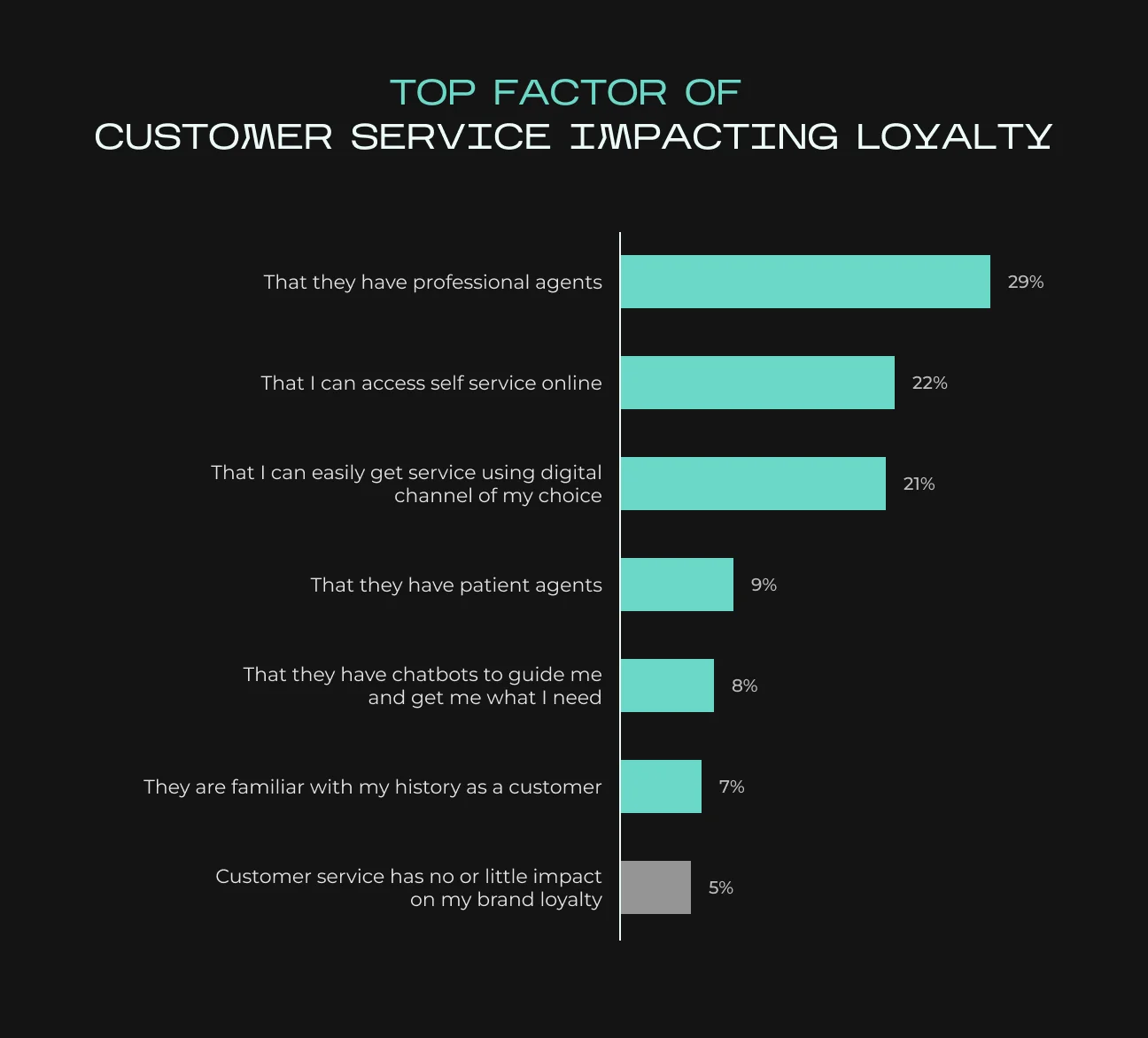
Most businesses, 95% notice more self-service requests. Among consumers, 34% believe the main advantage of self-service is faster response times.
Data-driven Decision-Making
Cloud-based call center solutions easily integrate with existing systems, providing your team with a complete view of client interaction histories. When agents use real-time data, they can better understand customer preferences and behavior. This allows them to provide personalized service and tailored solutions, and level up customer satisfaction.
Call Center Analytics and Insights
Call center analytics is about collecting and analyzing data to understand how well your service team is doing. This includes investigating metrics like customer satisfaction, retention, revenue, customer effort score, and others. This can help you identify what’s working well, get detailed insights into call lengths, how well your agents perform, and what needs improvement. Actually, 95% of consumers say customer service influences their loyalty to a brand.
Reliability and Disaster Recovery
Cloud-based solutions help businesses operate smoothly and prepare for unexpected events. They boost security with backup and failover systems, ensuring reliable service and consistent uptime.
Also, reducing downtime in cloud call centers prevents customer frustration when they can't reach someone. This makes them feel connected and enjoy a better service experience.
Faster and Precise Responses with AI
An artificial intelligence call center uses advanced technology to understand and answer customer questions. When a call is received, the system quickly identifies the customer's needs. It can provide instant automated responses or, if necessary, forward more complex issues to human agents. Such teamwork between AI and humans ensures customers get fast, accurate, and helpful support.
How Much Does Cloud-Based Call Center Software Development Cost?
The costs of cloud-based call center software development depend on multiple factors: complexity, timelines, technologies, team locations, and many others. There's no single estimate in this industry. However, you can get an approximate evaluation based on the industry's average and our team's experience.
| Service Type | Estimated Cost ($) |
| Gathering requirements and analysis | $5,000 — $10,000
|
| Planning and design | $10,000 — $15,000 |
| Frontend development | $15,000 — $25,000 |
| Backend development | $20,000 — $30,000 |
| Integration with CRM, VoIP, and telephony systems | $10,000 — $20,000 |
| Quality assurance | $10,000 — $15,000 |
| Deployment | $5,000 — $10,000
|
| Maintenance and support | $5,000 — $10,000 annually |
| Total Estimated Cost | $80,000 — $135,000 |
You can learn more about call center software development from SapientPro's experts in a free consultation. We'll discuss your project and evaluate the potential budgets based on your request. Get in touch with us now to get a precise quote!
How SapientPro Developed an AI Agent for Call Centers at $1/Hour
SapientPro partnered with a B2C client to replace an expensive human call‑center workforce with a voice AI agent which costed just $1 per hour. The goal was to handle every stage of the conversation lifecycle, from greeting to resolution, while matching human‑level response speed and customer‑experience metrics.
- Automated consultations, inbound / outbound calls, first‑level support, and sales tasks;
- Achieved sub‑700 ms latency by fine‑tuning speech‑to‑text, ChatGPT 4o‑mini processing, and text‑to‑speech pipelines;
- Prevented model drift and hallucinations via scenario fencing and strict context windows;
- Scaled to 1 000+ simultaneous agents on distributed, GDPR‑compliant infrastructure;
- Reduced labor spend by ≈ 94% (from $17.91 to $1 per hour) and cut onboarding from two weeks to a single day;
- Delivered real‑time dashboards and exportable reports covering call outcomes, campaign length, and ROI.
After deployment, the system makes its first call within 5–10 minutes, needs no ongoing staff training, and supports unlimited languages. Detailed recordings combined with precise analytics give managers total visibility, while the scalable architecture ensures effortless growth. This makes the call center a scalable and data‑driven revenue engine.
Partner with SapientPro to Build Your AI-Powered Call Center
Building a cloud-based call center can help your business save money and grow income in no time. Especially with modern AI solutions, you'll be able to increase the efficiency of your solutions tenfold. Contact SapientPro's team today to discuss your project.
FAQ
What are the key advantages of a cloud-based call center over an on-premise solution?
Cloud-based call centers are great because they let you work from anywhere, cost less upfront, and can be set up quickly. They also offer easy updates, disaster recovery, and reliable uptime. As a result, your business gets increased profits while cutting expenses. It's a long-term benefit for your company.
How do I ensure data security and compliance when using cloud-based solutions?
To keep your data safe, focus on strong encryption, regular security checks, and certifications like GDPR, or HIPAA. You should also use multifactor authentication, monitor access logs, and back up your data frequently. SapientPro's software developers will apply the industry's best practices and their experience in e-commerce development to ensure maximum data safety.
Can a cloud-based call center integrate with our existing CRM or ERP systems?
Yes. Cloud-based call centers usually have APIs and pre-built connectors that easily integrate with CRM and ERP systems. This allows for easy data sharing and helps improve customer service by providing agents with all the customer details. SapientPro's engineers will ensure the solution integrates with your systems, even if they're monoliths.

